
Tag: DT
-
EP R&D Day 2026: technologies for the next generation of experiments
EP R&D Day 2026: technologies for the next generation of experiments On 29 April 2026, colleagues from across CERN’s Experimental Physics Department gathered for the annual meeting dedicated to the strategic EP R&D programme on technologies for future experiments. The programme offered a broad update on progress achieved over the past year, bringing together developments
-

New Staff Members and Fellows
New Staff Members and Fellows Maximilian Babeluk Hi, I’m Max. I recently joined the ALICE ITS3 team, where I work on sensor testing, functional verification, and in the future also chip design – particularly on MOSAIX. My main activities include testing and yield assessment across multiple integration levels (wafer probing to system tests), including data
-
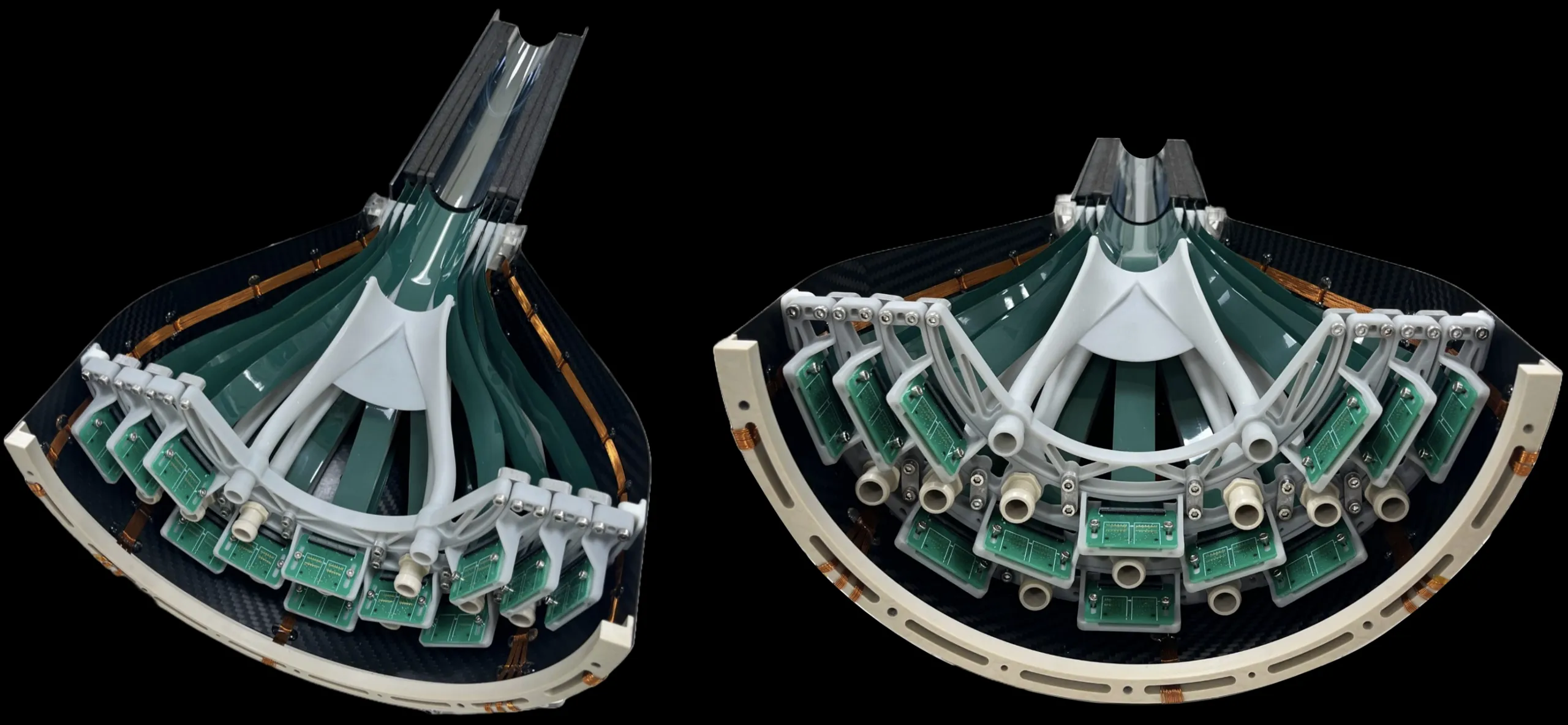
From vertex to calorimeter: R&D challenges in detector mechanics for future colliders (WP4)
From vertex to calorimeter: R&D challenges in detector mechanics for future colliders (WP4) EP R&D WP4 is developing innovative mechanical, thermal, and automation solutions to meet the unprecedented demands of next-generation collider detectors. The next generation of detectors will face increasingly demanding challenges due to the large scale, precision, and extreme operating conditions of future
-
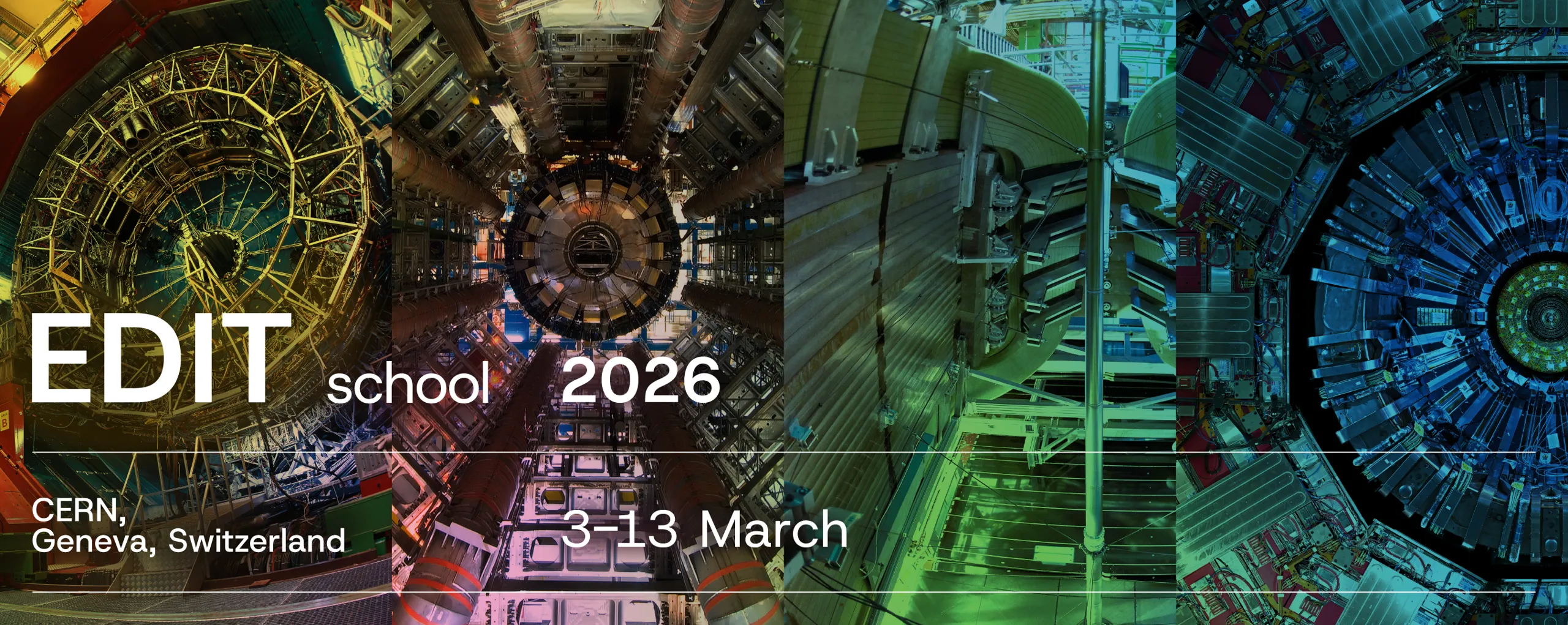
EDIT Instrumentation Schools: Preparing the Next Generation of Detector Experts
EDIT Instrumentation Schools: Preparing the Next Generation of Detector Experts The Excellence in Detector and Instrumentation Technologies (EDIT) Schools are an established series of international training events dedicated to young researchers – graduate students and early-career postdocs – who want to deepen their knowledge of detector technologies and instrumentation for particle physics. Rotating between Europe,
-
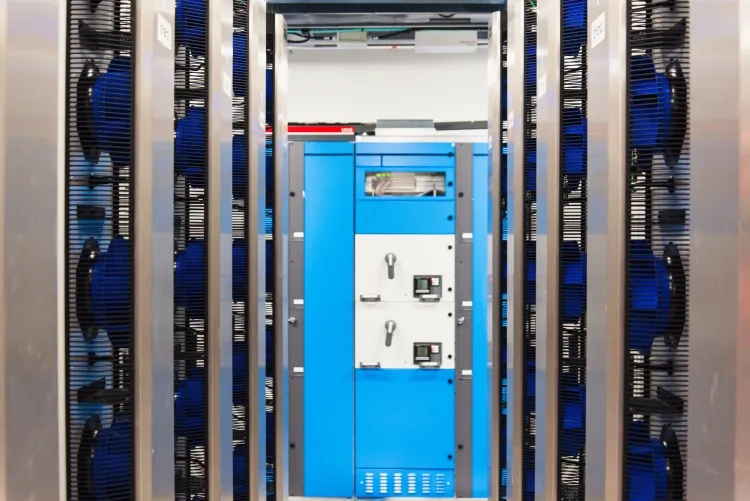
OLC-R / OLC-1 refurbishment in a Nutshell
OLC-R / OLC-1 refurbishment in a Nutshell For Phase-2, CMS DAQ will undergo a major increase of its capacities to match HL-LHC performance and the related CMS physics program. Compared to the present situation (Run3), the post-trigger data throughput will increase from 2 Tb/s today to 50 Tb/s for Run4 and the processing power needed
-
Calorimetry and light-based detectors for future experiments
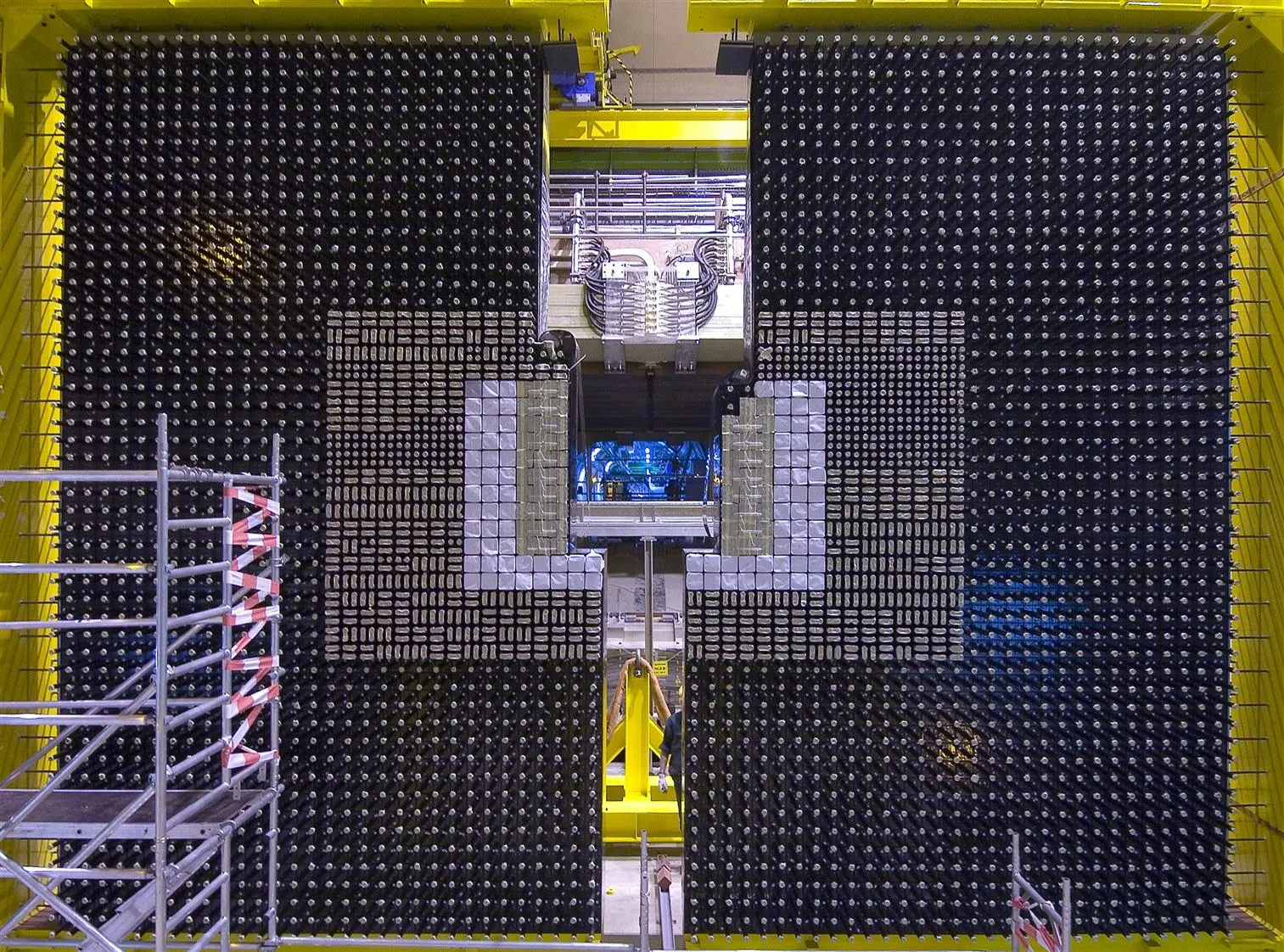
Calorimetry and light-based detectors for future experiments The strategic R&D programme on technologies for future experiments by the CERN EP department is currently in its second phase from 2024 until 2028. Within this effort, Work Package (WP) 3 focusses on the development of calorimetry and light-based detectors. Particle identification Several detectors use light to detect
-
A Day of Innovation: EP R&D 2025 in Focus
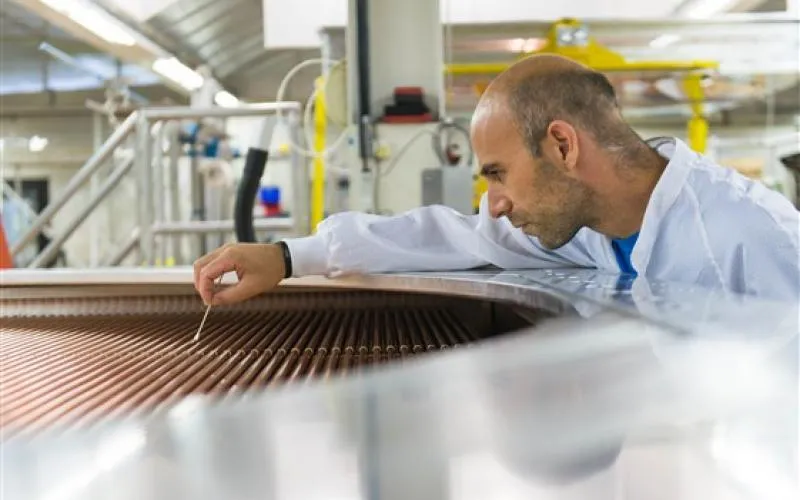
A Day of Innovation: EP R&D 2025 in Focus May 7th 2025, 8:15 AM. Many colleagues from all EP groups are gathering in front of the main auditorium. Colourful posters are being exhibited in the lobby. People who don’t see each other often profit from the occasion to chat a bit. It is the 2025
-
Shaping Detector Innovation: Highlights from CERN’s EP-DT Group Annual Report
Shaping Detector Innovation: Highlights from CERN’s EP-DT Group Annual Report The Detector Technologies (EP-DT) group has played a vital role in 2024 in advancing experimental capabilities across CERN’s LHC and non-LHC programmes. As outlined in the group’s recently published annual report, their contributions span from detector construction and integration to critical R&D on enabling technologies,
-
AMS-02: A New Chapter in Orbit to Probe the Nature of Cosmic Rays
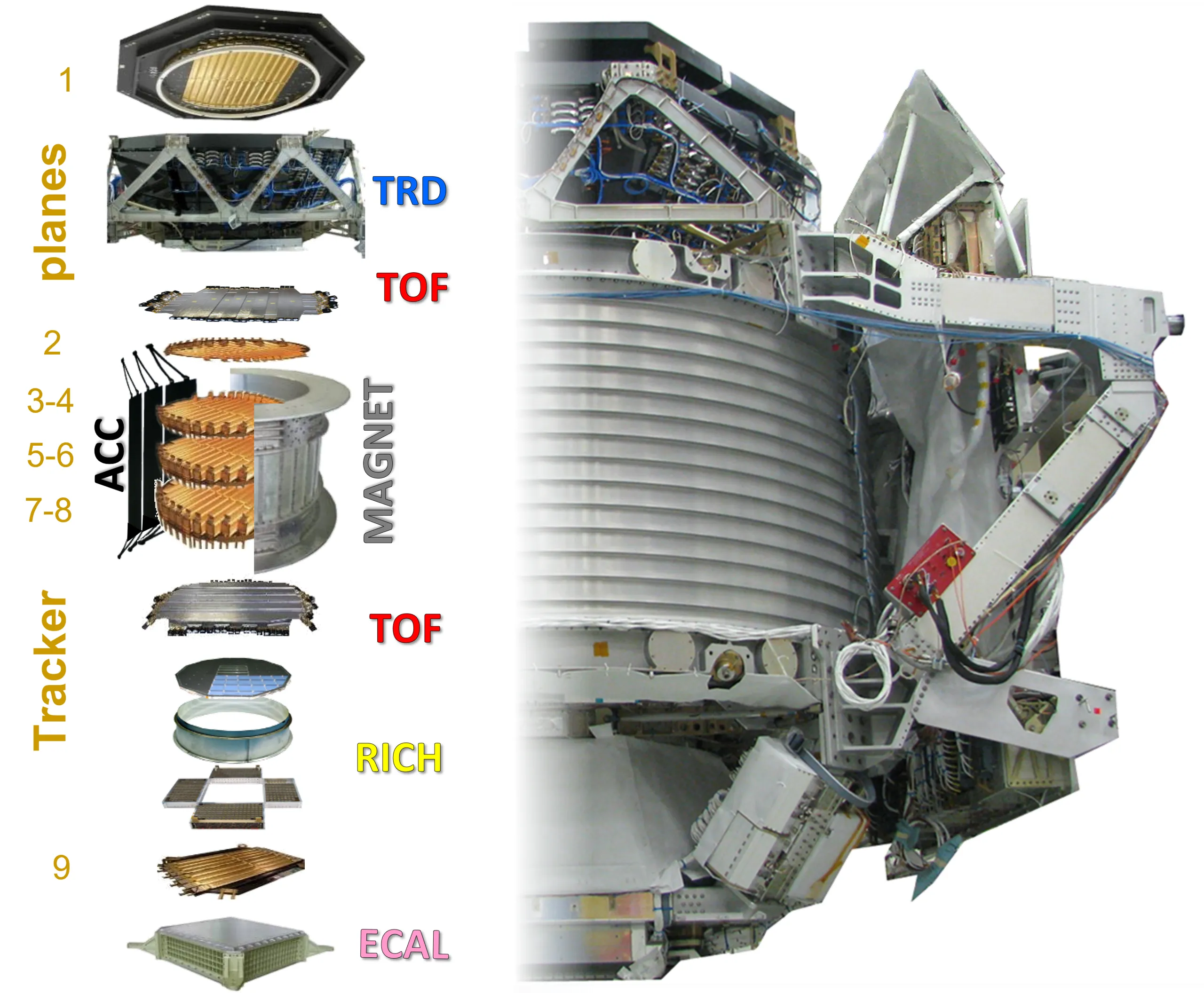
AMS-02: A New Chapter in Orbit to Probe the Nature of Cosmic Rays Since its launch aboard the International Space Station (ISS) in May 2011, the Alpha Magnetic Spectrometer (AMS-02) has recorded more than 250 billion cosmic-ray events, offering precision measurements of the composition and energy spectra of protons, nuclei, electrons, and positrons across an
-
Pushing the Frontiers of Detector Innovation: EP R&D Programme
Pushing the Frontiers of Detector Innovation: EP R&D Programme The Experimental Physics (EP) R&D programme at CERN continues to serve as a cornerstone for technological innovation in particle physics, developing the next generation of detector systems that will empower future discoveries. Launched in 2020, the programme supports the long-term vision of high-energy physics, contributing to