
Tag: DT
-
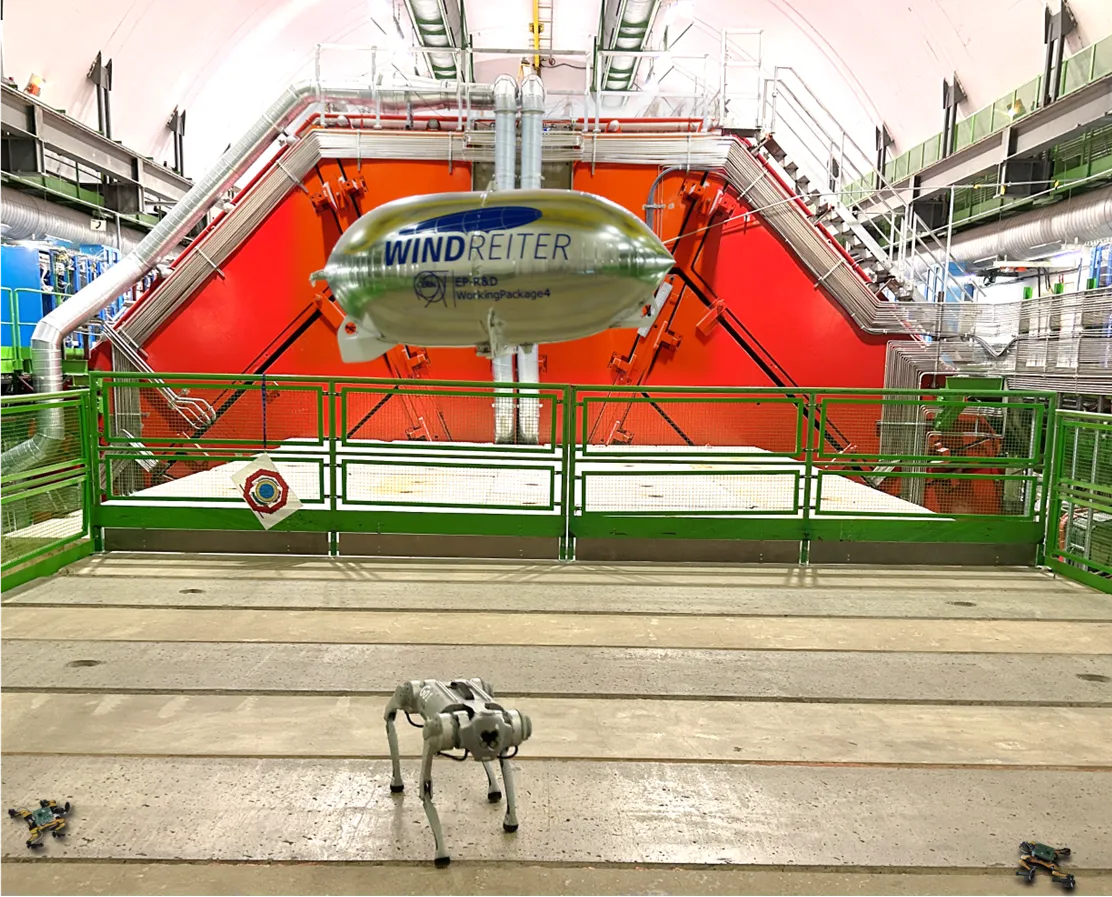
Future Robotic Residents in Experimental Caverns: Advancements in Detector Technology at CERN’s EP Department
Future Robotic Residents in Experimental Caverns: Advancements in Detector Technology at CERN's EP Department In 2020, CERN’s Experimental Physics Department launched an ambitious project of research and development (EP R&D) for future detectors technologies. This comprehensive initiative tackles advancements in various areas, including sensors, electronics, software, and mechanics. As part of this effort, within the
-
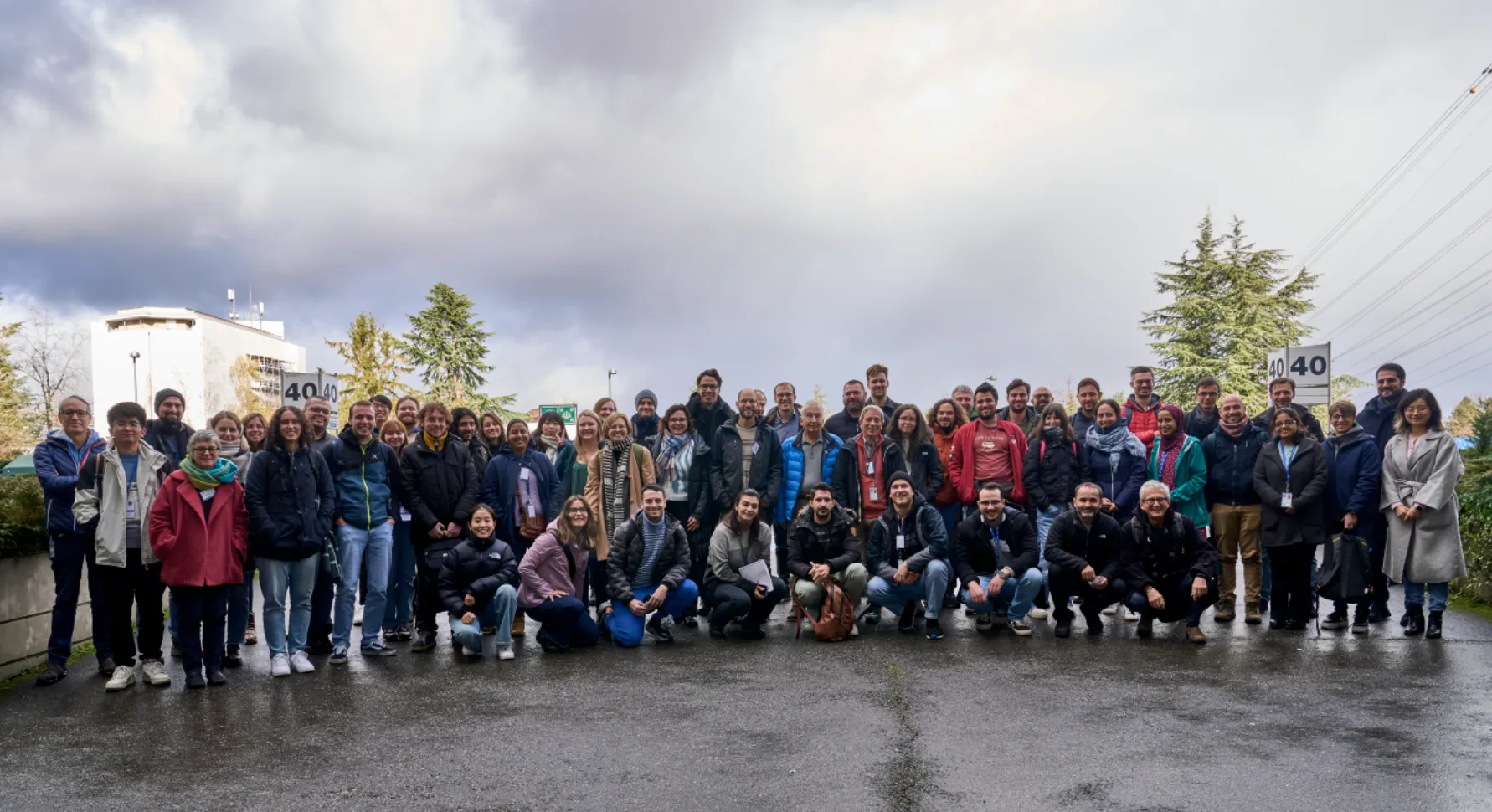
First edition of the RD51 Micro Pattern Gaseous Detectors School at CERN.
First edition of the RD51 Micro Pattern Gaseous Detectors School at CERN. The first edition of the RD51 Micro Pattern Gaseous Detectors (MPGD) School was held at CERN from November 27th to December 1st, 2023. The school focused on state-of-the-art MPGD technologies with the goals of introducing newcomers to the field of MPGDs as well
-
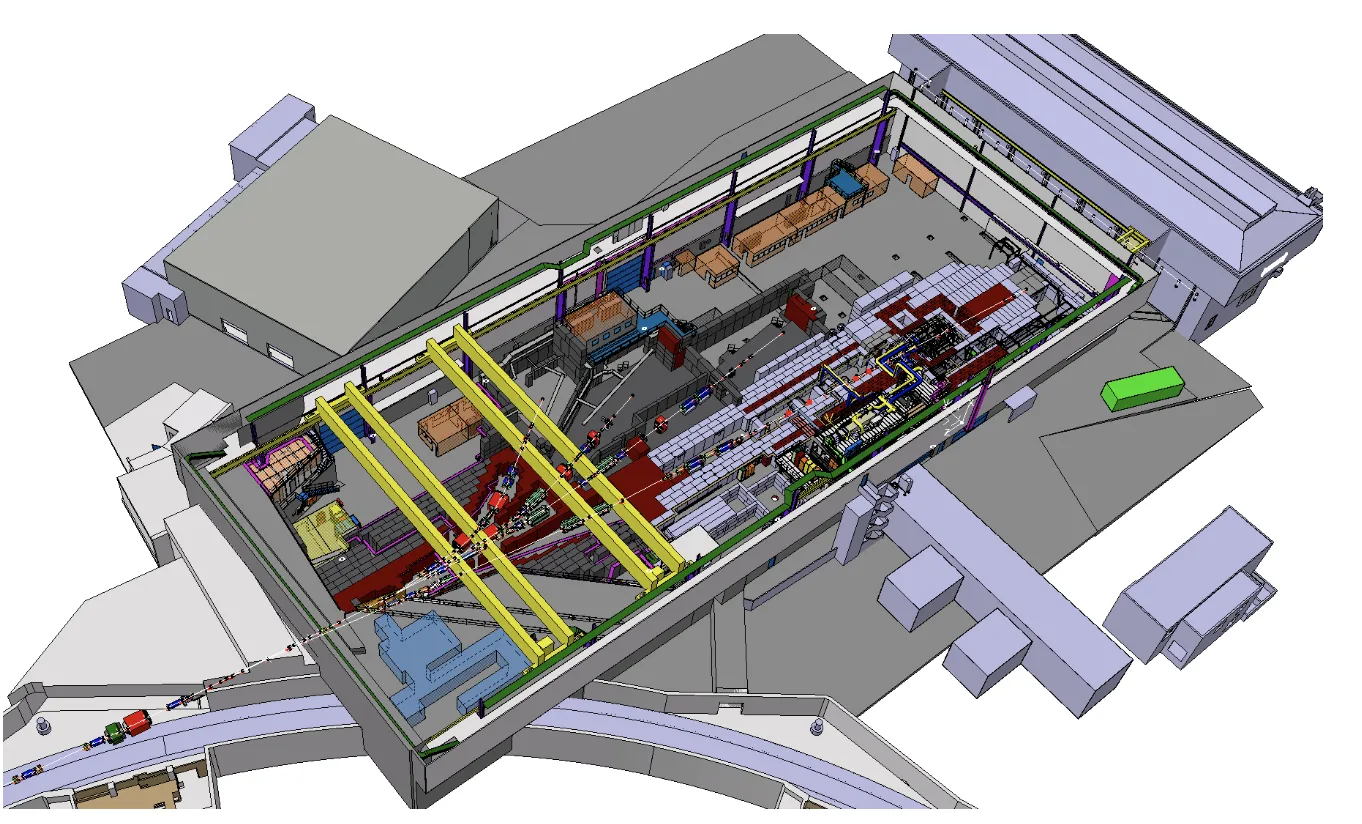
The IRRAD Proton Facility Journey to get new detector systems ready for the Long Shutdown 3
The IRRAD Proton Facility Journey to get new detector systems ready for the Long Shutdown 3 The proton irradiation facility (IRRAD) at the PS East Area was built during the LS1 to cope with the increasing needs for radiation tests of the experimental community working for the HL upgrade of the LHC and beyond. The
-
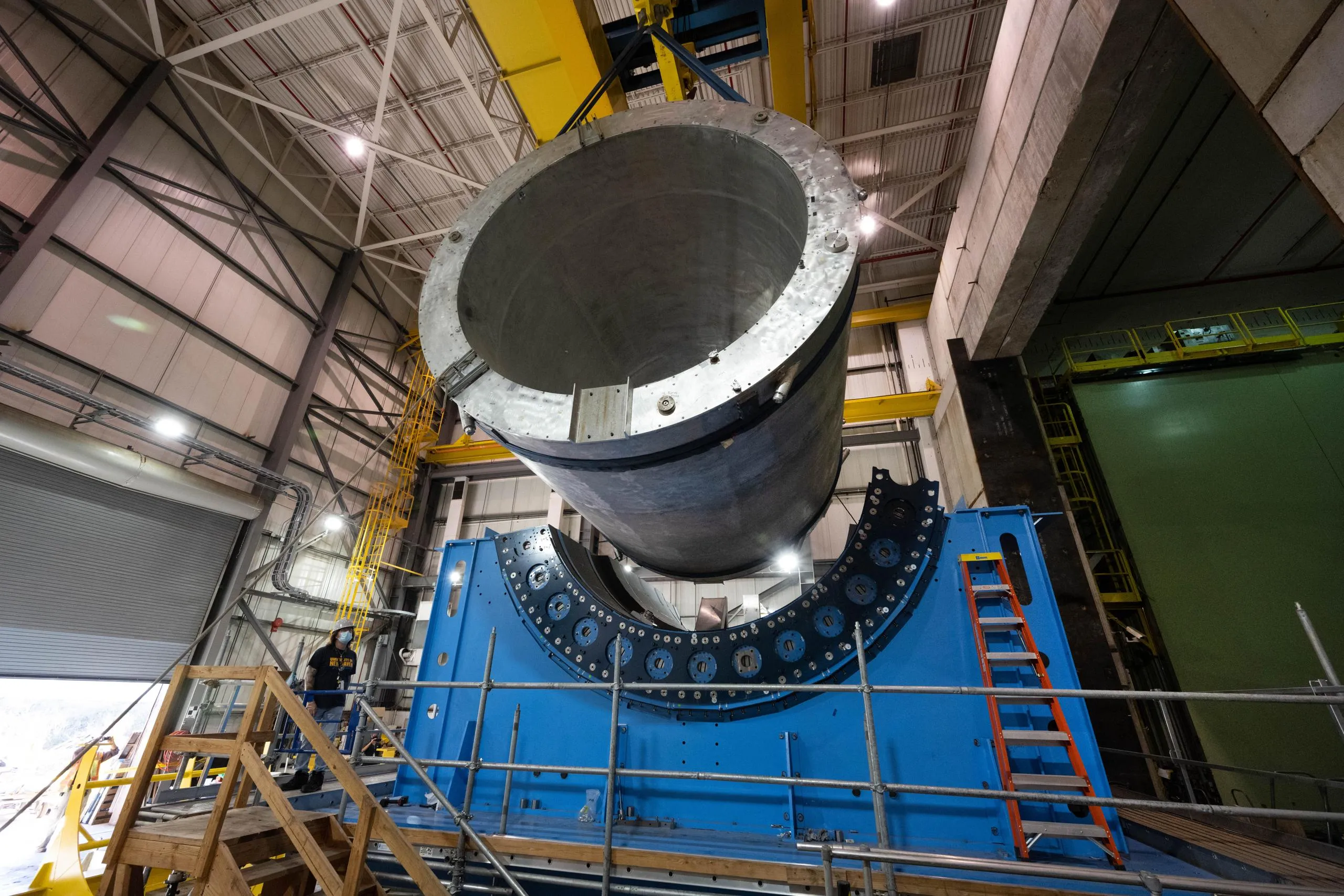
CERN team maps the sPHENIX Solenoid at BNL
CERN team maps the sPHENIX Solenoid at BNL In November 2022 the magnet service team of the Detector Technology group performed the mapping of the superconducting solenoid in the sPHENIX experiment at BNL (US). The two-week long campaign was the culmination of preparations that started during the most difficult times of the Covid pandemic. The
-
R&D on gas usage in the LHC particle detection systems.
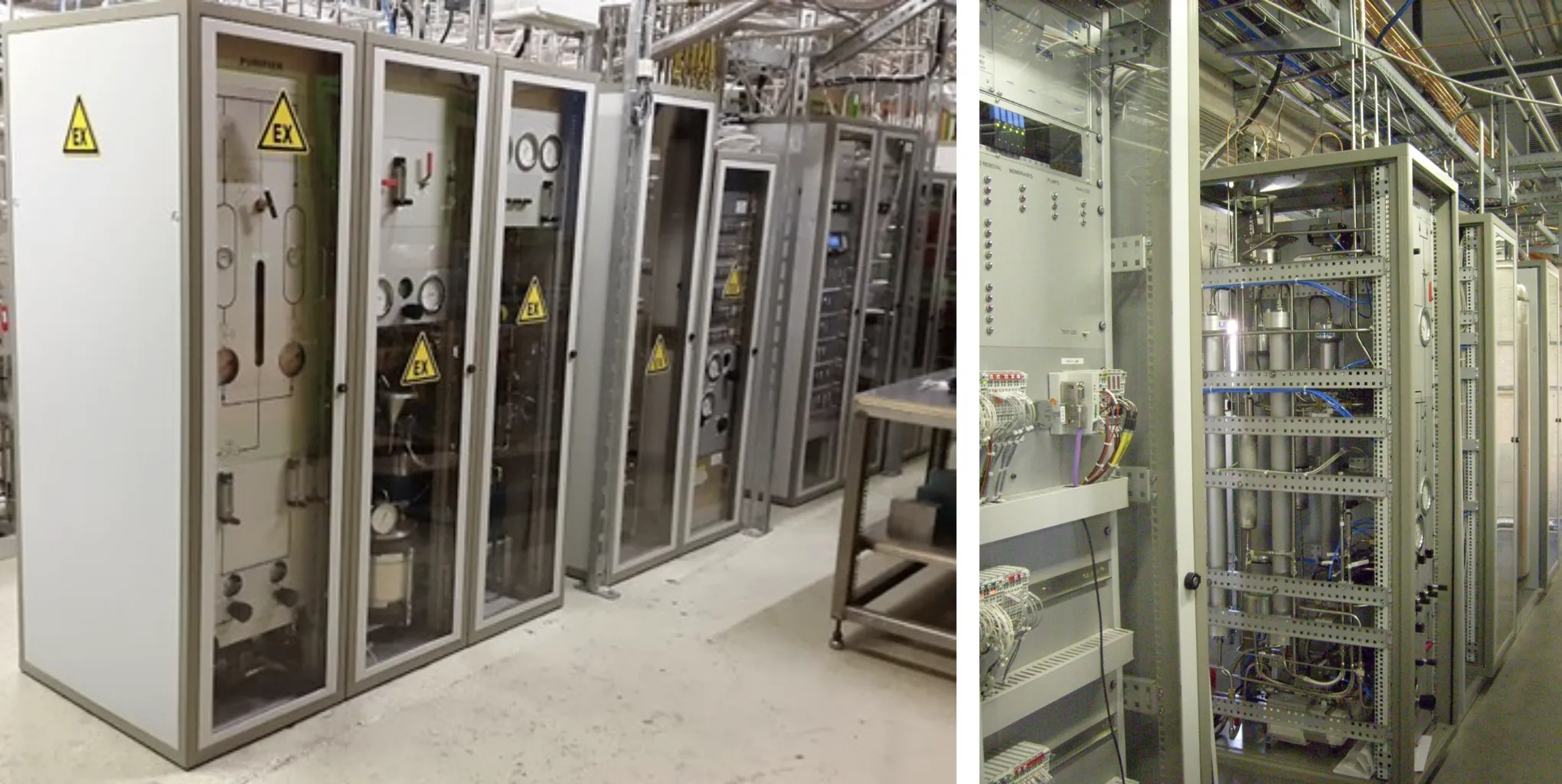
R&D on gas usage in the LHC particle detection systems. A wide range of gas mixtures is used for the operation of different gaseous detectors for particle physics research. Among them there are greenhouse gases like C2H2F4 (R134a), CF4 (R14), C4F10 (R610) and SF6, which are needed because they allow to achieve specific detector performance
-
DT group publishes 2021 annual report
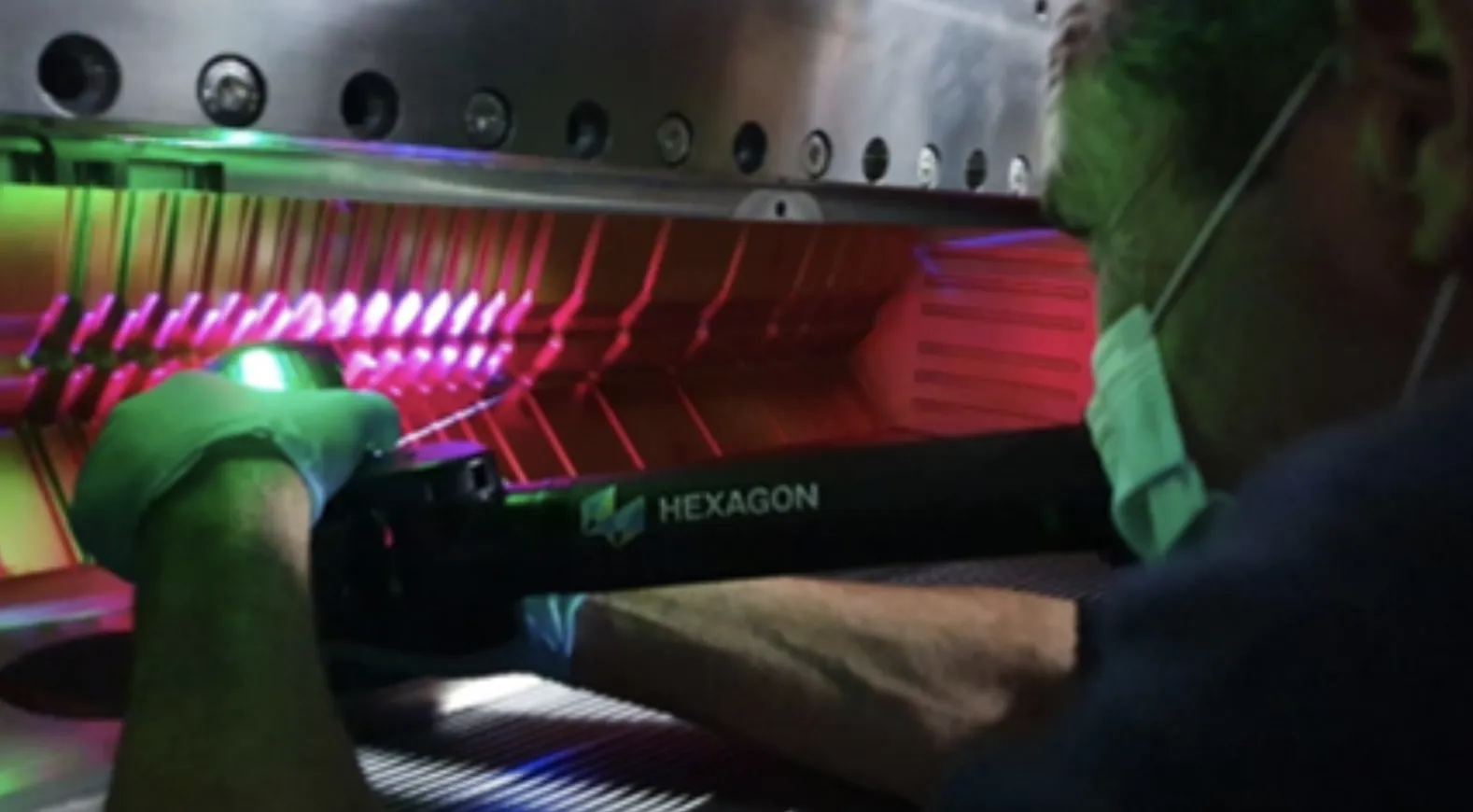
DT group publishes 2021 annual report The mandate of the Detector Technologies (DT) group in the Experimental Physics department covers development, construction, operation and maintenance of particle detectors for CERN experiments. Last year showed great progress on several projects both for the LHC and non-LHC experiments, as detailed in the recent annual report. Moreover, DT
-
Zooming in the EP R&D Days 2022
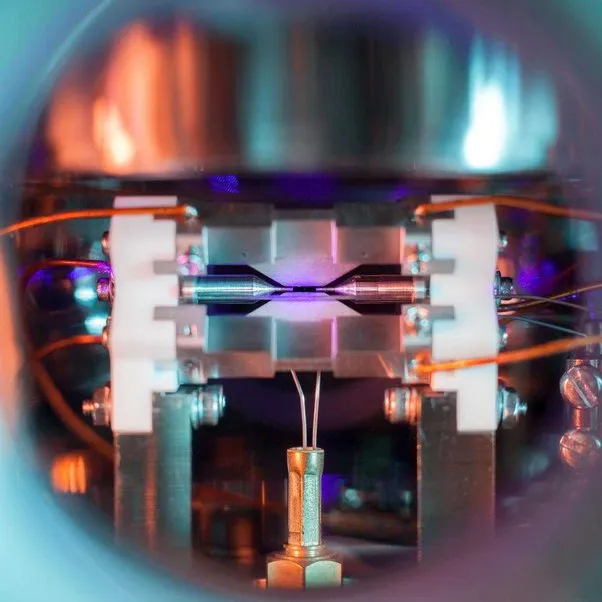
Zooming in the EP R&D Days 2022 The annual EP R&D Days meeting was held on the 20th and 21st of June 2022. The meeting reviewed progress and plans of the 11 work packages as the EP RnD programme reaches its midpoint. In addition, the meeting offered better understanding of the respective needs and potential
-
Enhancing sensitivity of spectroscopic X-ray imaging
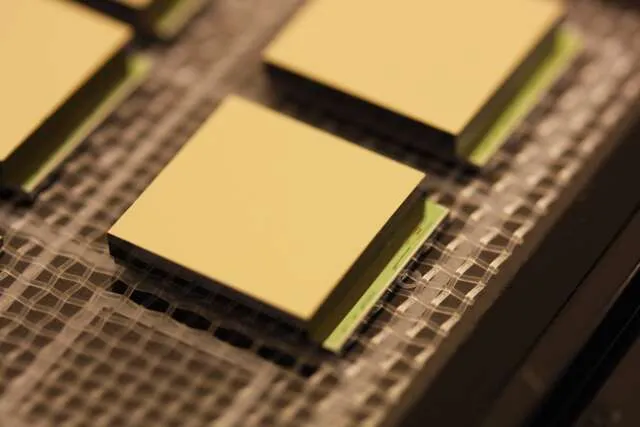
Enhancing sensitivity of spectroscopic X-ray imaging A dedicated workshop on Medical Applications of Spectroscopic X-ray Detectors took place at CERN from 29th August – 1st September. It brought together more than 100 participants from a variety on institutions including prestigious medical schools, major medical equipment suppliers, small and medium sized enterprises as well as universities
-
Sub 25-ps timing with PICOSEC Micromegas gaseous detectors
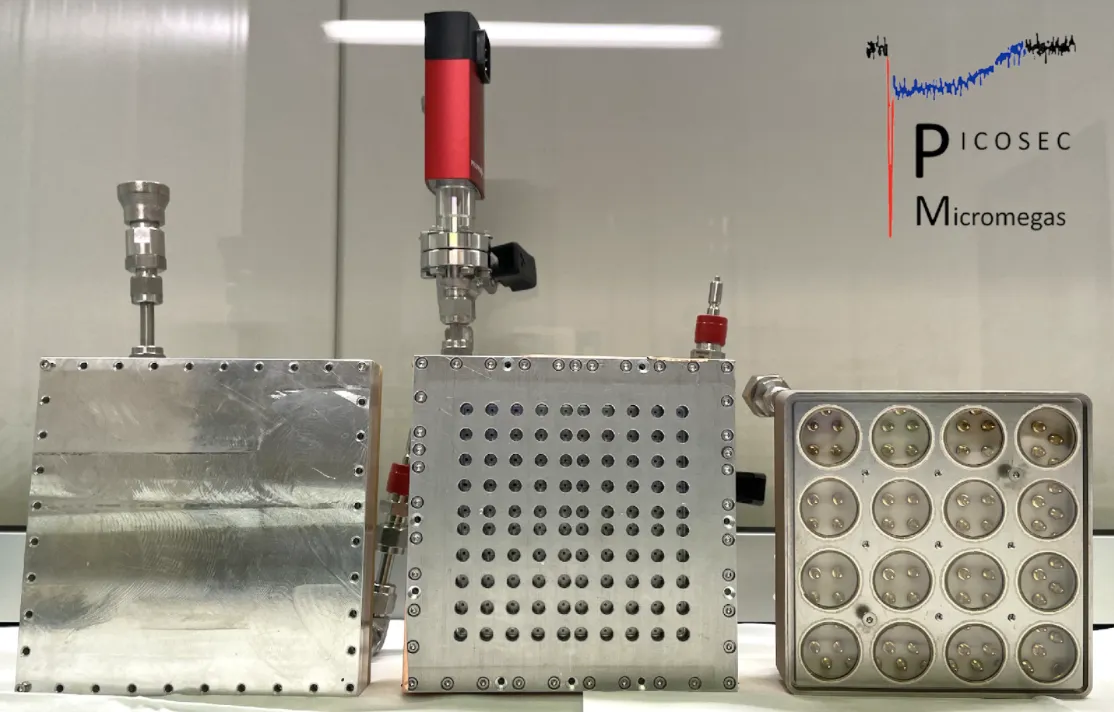
Sub 25-ps timing with PICOSEC Micromegas gaseous detectors Precise timing systems are central to many ongoing and planned detector upgrades and tens of ps timing resolution will play an important role to meet detection challenges in future high-luminosity environments. Large area detection systems achieving such timing resolution can offer unprecedented precision in particle tagging and
-
The Gamma Irradiation Facility GIF++ during and beyond Run 3
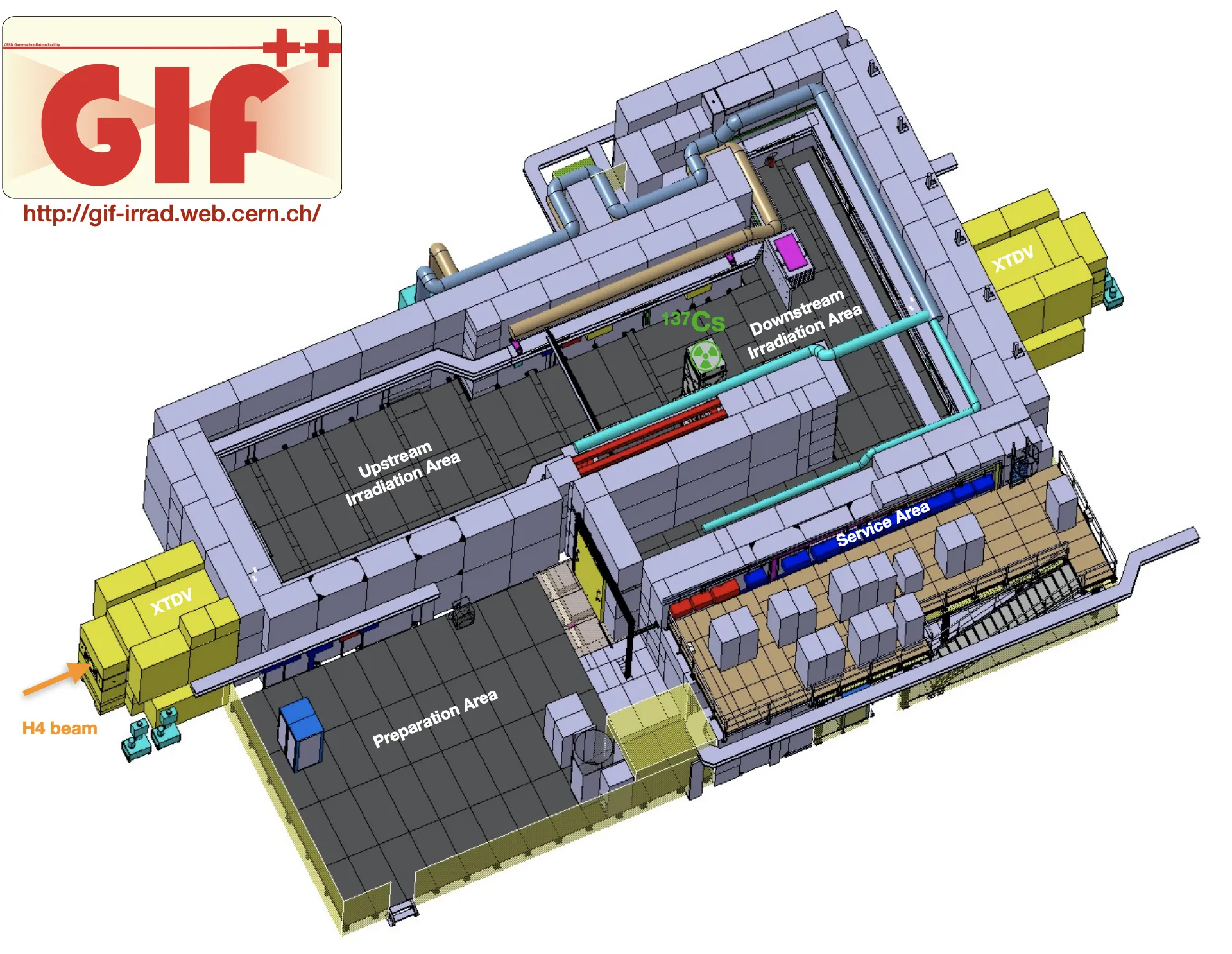
The Gamma Irradiation Facility GIF++ during and beyond Run 3 The two CERN Irradiation facilities operated by EP-DT – the IRRAD in the PS East Area and the GIF++ in the SPS North Area – deliver essential services to the HEP community, with the focus on validating and optimising detector technologies for the High-Luminosity upgrade