
Tag: DT
-
Gaseous detector technologies for future experiments
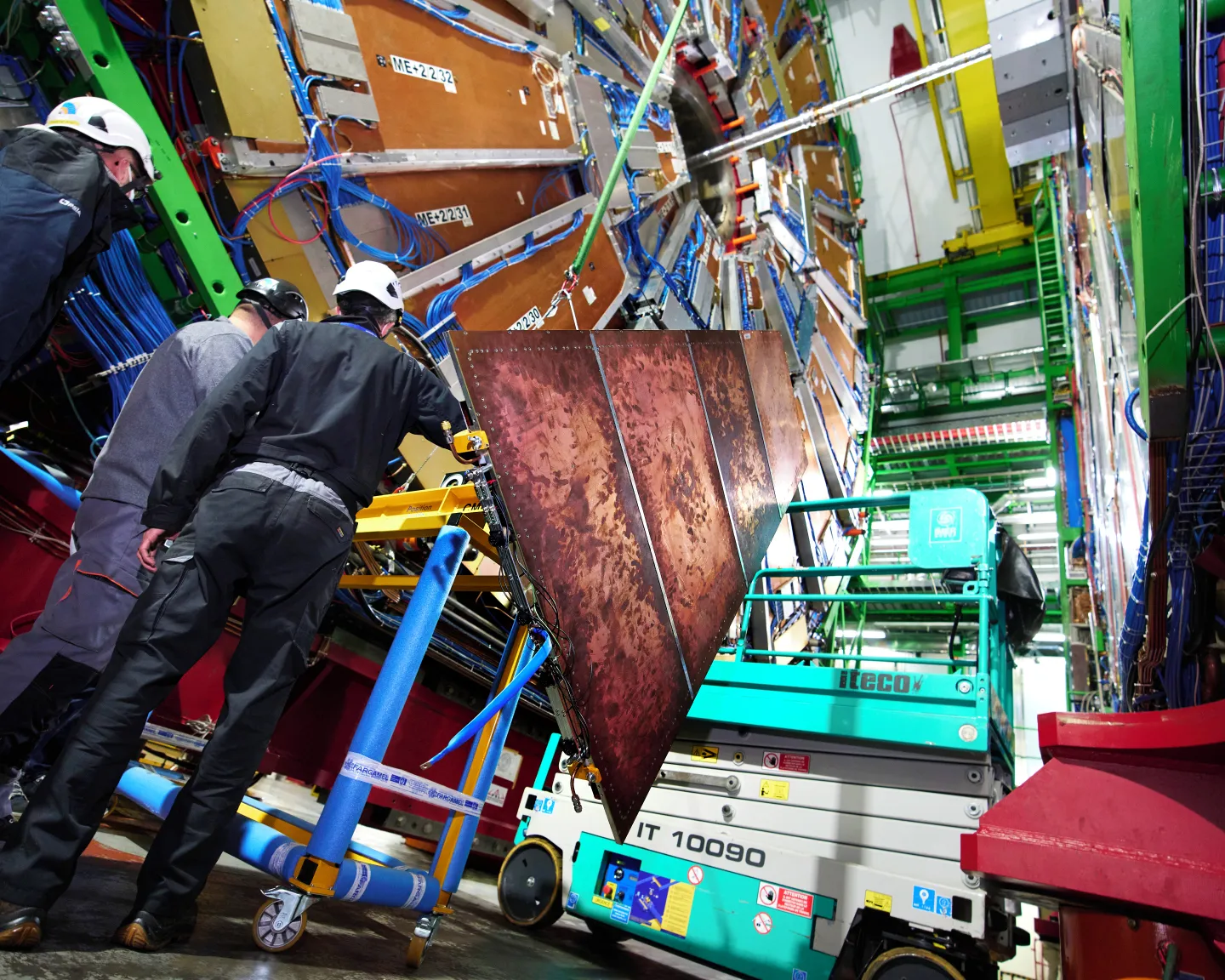
Gaseous detector technologies for future experiments Within the strategic EP R&D programme [1], WP2 covers developments of gaseous detector technologies for addressing the challenging needs of future experiments. The main research lines within WP2 cover the following activities: New structures and large-area gaseous detector systems New detection concepts and structures suitable for large-area gaseous detector
-
Advancing CERN’s Frontiers: The Role of Irradiation Facilities in Experimentation and R&D
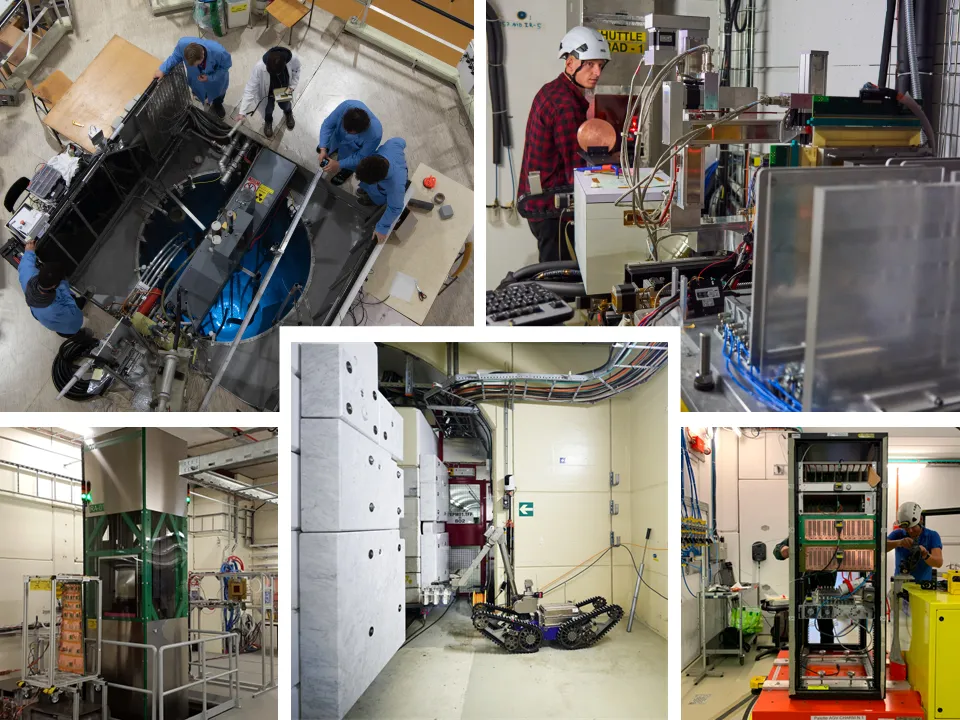
Advancing CERN’s Frontiers: The Role of Irradiation Facilities in Experimentation and R&D Irradiation is the process by which a material sample is exposed to radiation. This broad term encompasses various activities, from systematic qualification of components and materials following international standards to experimental research on particle detector and accelerator technologies aiming to develop devices and
-
Optical fibre link to assist in ultra-high precision spectroscopy of antihydrogen
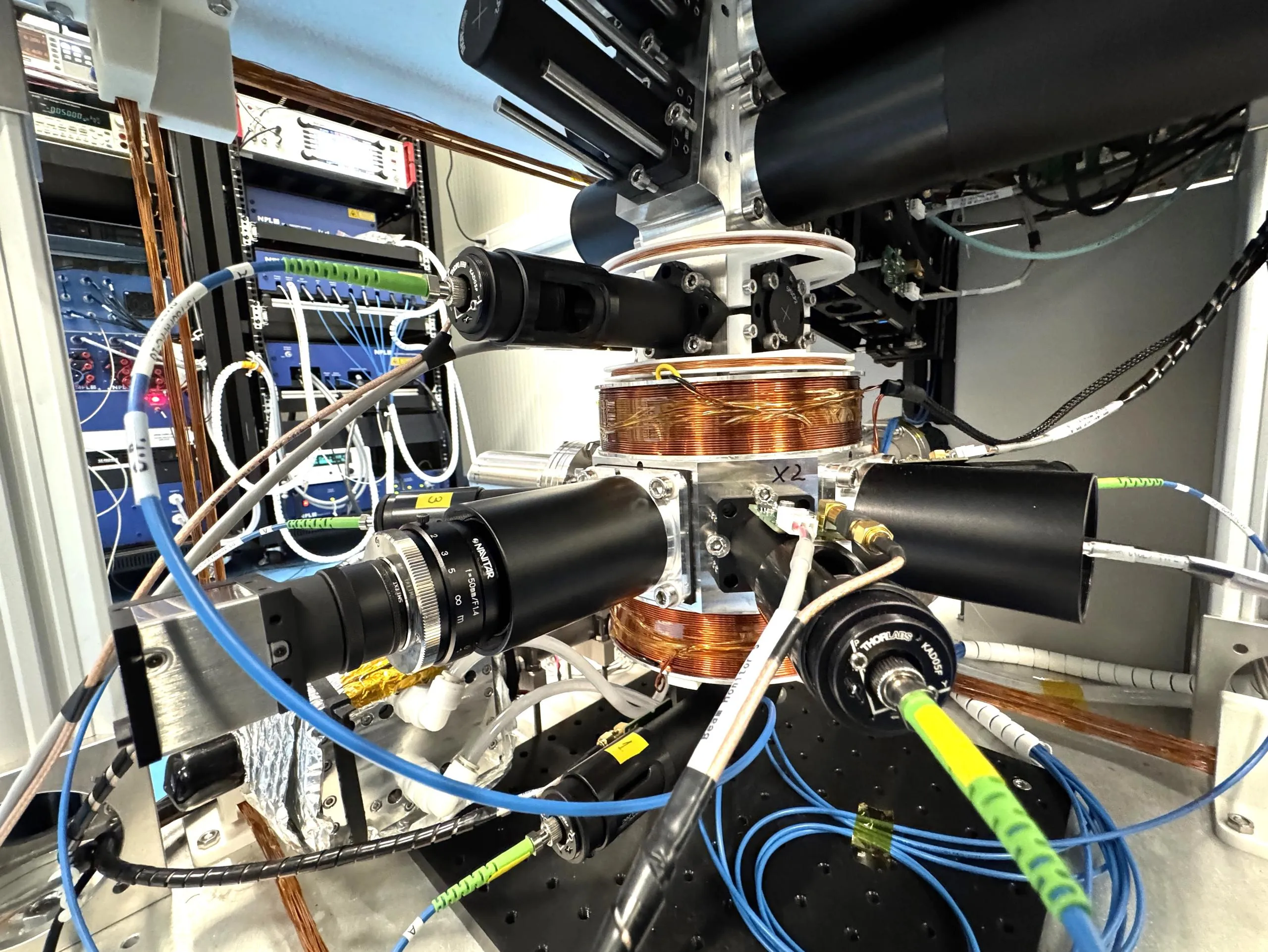
Optical fibre link to assist in ultra-high precision spectroscopy of antihydrogen Figure 1: Atoms in this part of the Cs fountain clock are trapped and laser cooled in preparation of their vertical launch. Experiments at CERN’s Antimatter Factory test fundamental principles such as CPT invariance by studying the properties and behaviour of antimatter and comparing
-
Theory and practice join at the DRD1 Gaseous Detectors School
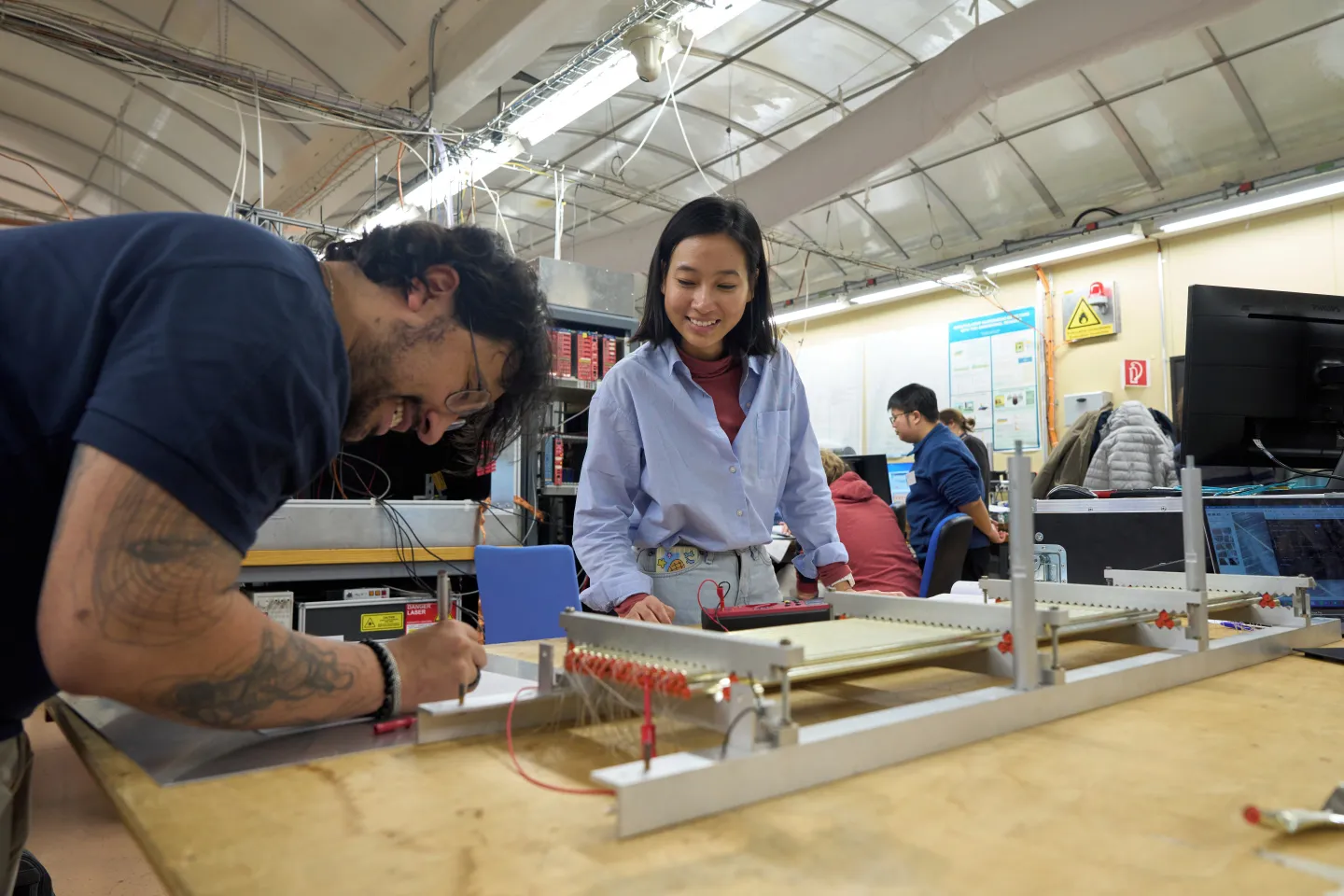
Theory and practice join at the DRD1 Gaseous Detectors School How do wire-based detectors compare to Resistive Plate Chambers? What are the performances of MicroPattern Gaseous Detectors? Which gas mixtures should be chosen for optimised operation? How will detectors face the challenges of future, more powerful accelerators? 32 students learned about these and many other
-
Third DAQ@LHC workshop
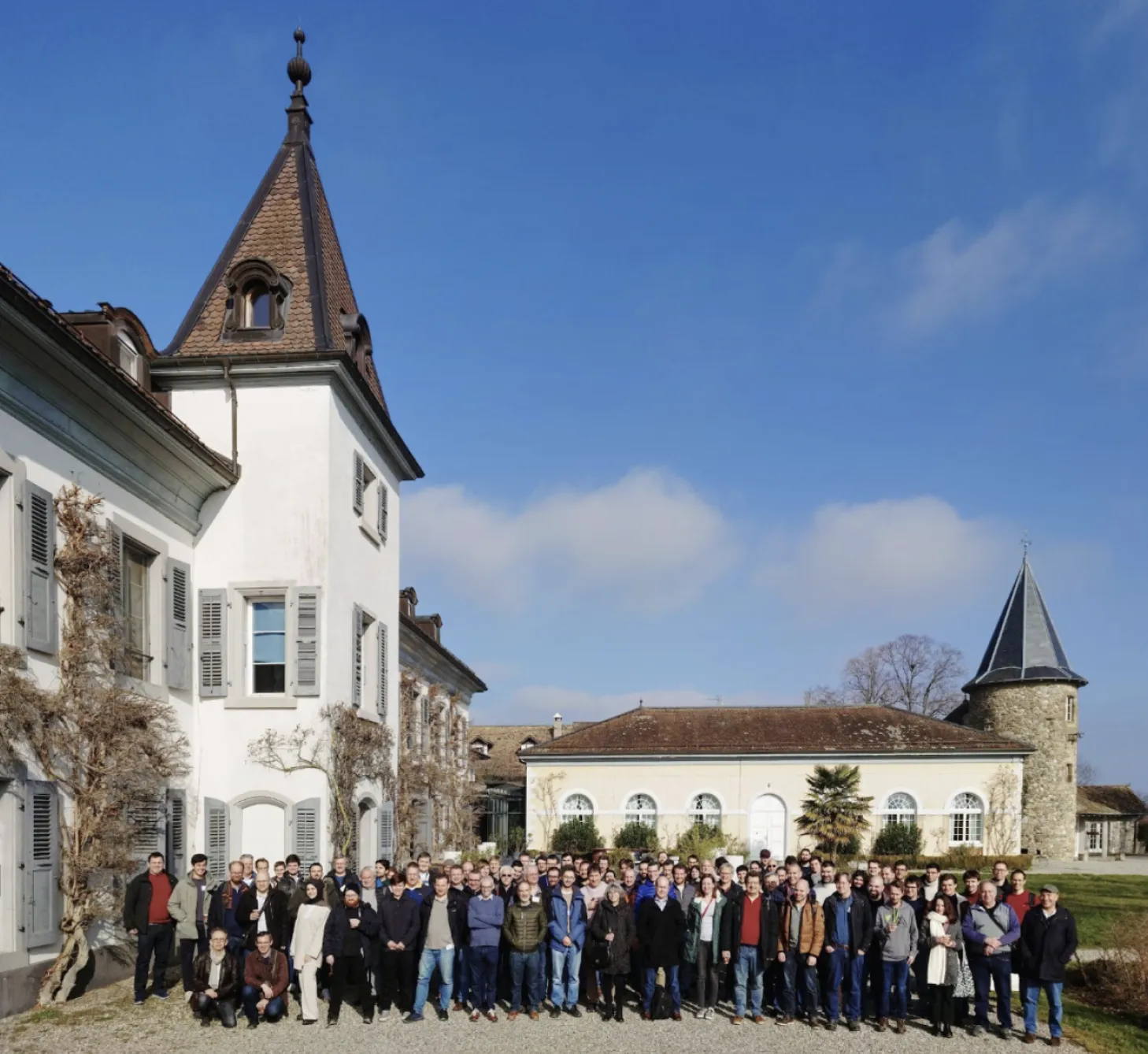
Third DAQ@LHC workshop After a (too) long hiatus the LHC DAQ teams found themselves together for three days in the beautiful and study-friendly atmosphere of Chateau de Bossey to discuss experiences in Run3, plans for the post-LS3 systems and technological developments relevant for DAQ in general. The 120 participants (see Group Photo above) came from
-
Development of Radiation Tolerant Silicon Detectors for the LHC and HL-LHC
Development of Radiation Tolerant Silicon Detectors for the LHC and HL-LHC Introduction The potential of semiconductor-based detectors for particle detection in nuclear and high-energy physics (HEP) has been identified as early as 1960. However, it took two more decades of development to transform these detectors into reliable, fully operational systems. Silicon-based tracking detectors made their
-
Characterization, modelling and radiation hardening of silicon-detectors for future experiments.
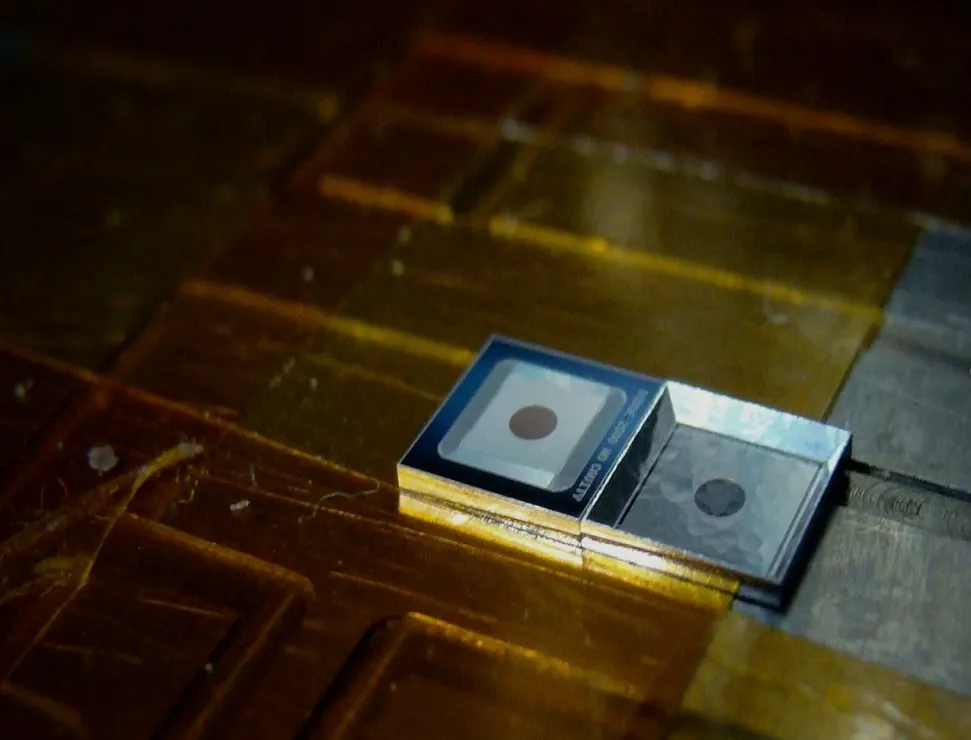
Characterization, modelling and radiation hardening of silicon-detectors for future experiments. The Strategic R&D Programme on Technologies for Future Experiments of the EP Department (EP R&D) develops the detector technologies needed for the next generation of High Energy Physics experiments and recently concluded phase I (2020-2023) of its ambitious work plan with a close-out report [1].
-
Unveiling the Hidden Foes: Tackling Aging Phenomena in Gaseous Detectors
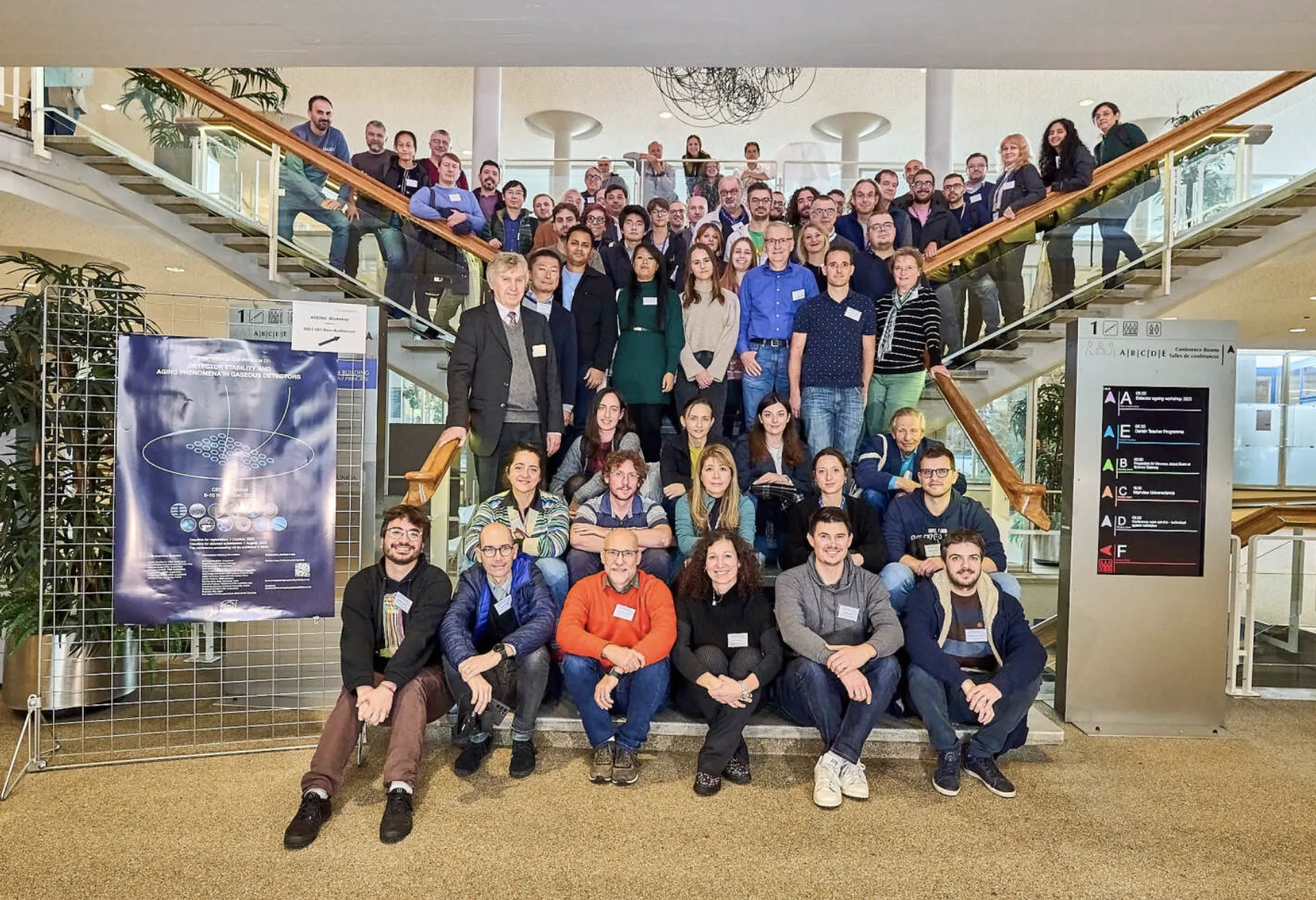
Unveiling the Hidden Foes: Tackling Aging Phenomena in Gaseous Detectors The Large Hadron Collider (LHC) at CERN smashes particles together at record-breaking energies and intensities, unlocking the secrets of our universe. But lurking beneath the excitement of groundbreaking discoveries lies a constant battle against the inevitable – detector ageing. These colossal detectors, instrumental in capturing
-
Reducing the greenhouse gas emissions from particle detection systems at CERN: status and perspectives.
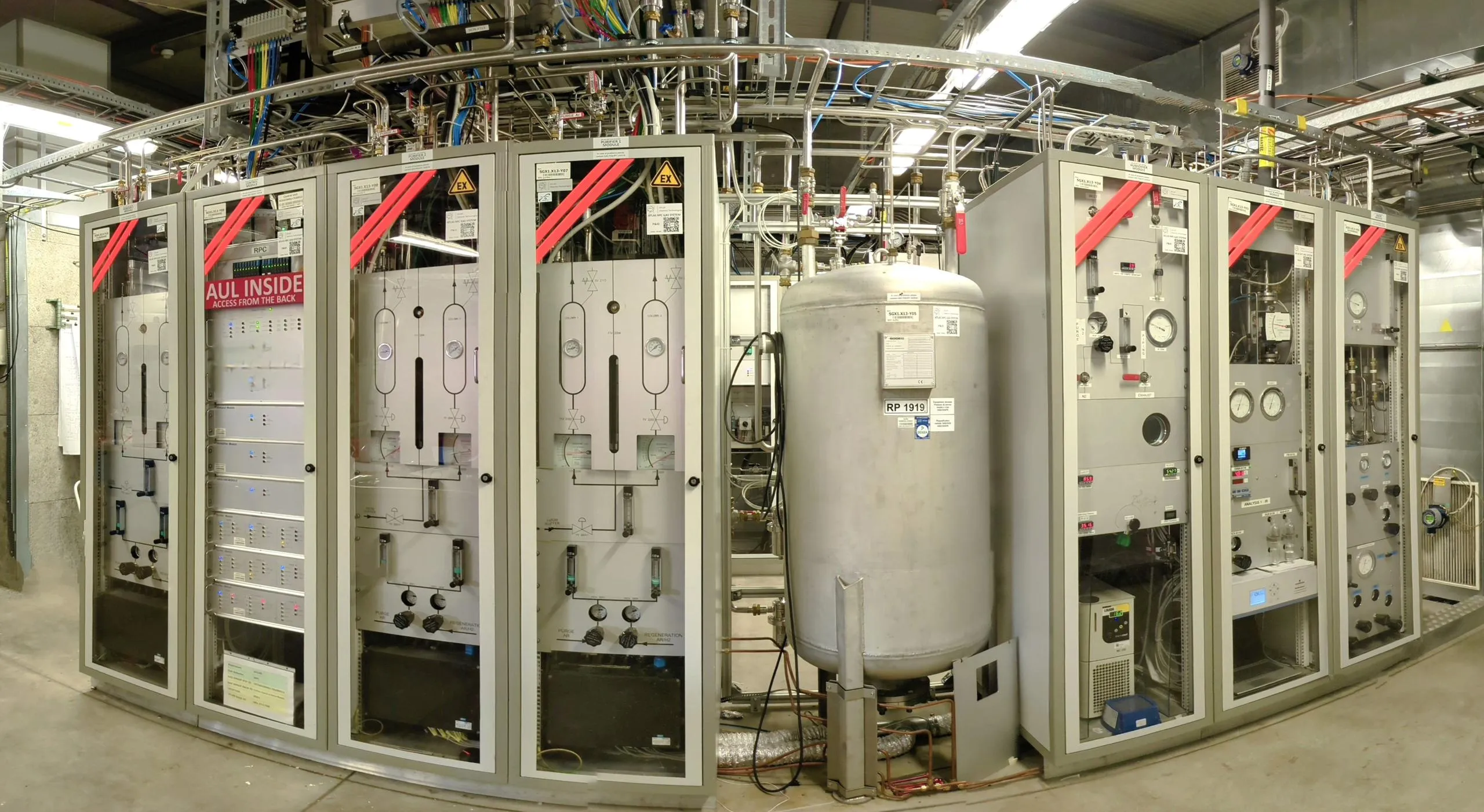
Reducing the greenhouse gas emissions from particle detection systems at CERN: status and perspectives. At CERN experiments, some particle detector systems are operated with gas mixtures containing fluorinated gases. These gases are essential for achieving the specific detector performance required for data taking (e.g., long-term stability, time resolution, rate capability). However, these fluorinated gases (tetrafluoromethane
-
Silicon-detector modules for future experiments
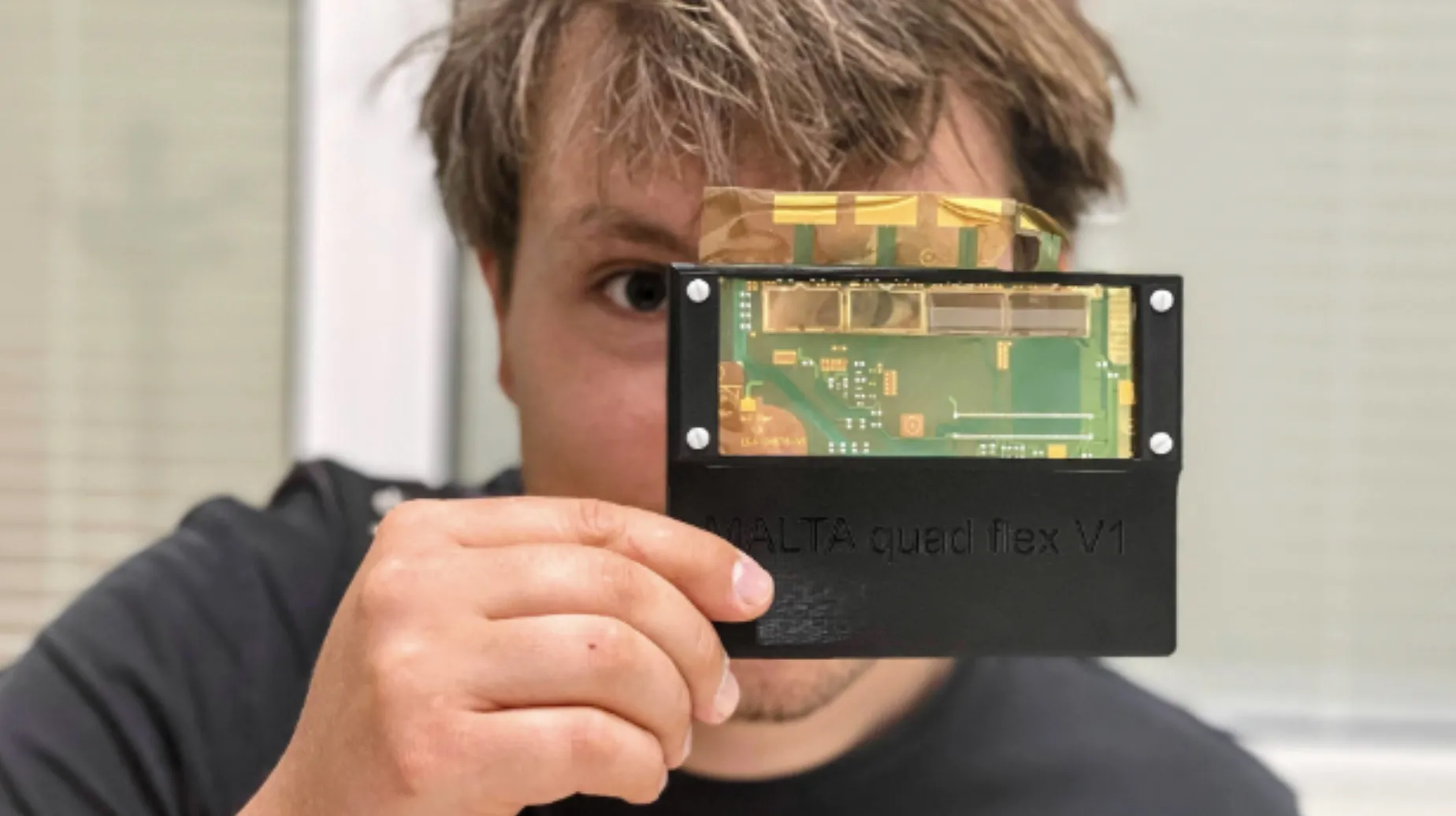
Silicon-detector modules for future experiments The strategic EP R&D programme on technologies for future experiments pursues an ambitious development programme for advanced silicon detectors. Achieving reliable, high-performance, large-area tracking and timing detector systems with minimal material content and affordable cost presents major challenges. These challenges include hybridizing sensors and readout ASICs, as well as integrating