
Tag: SME
-
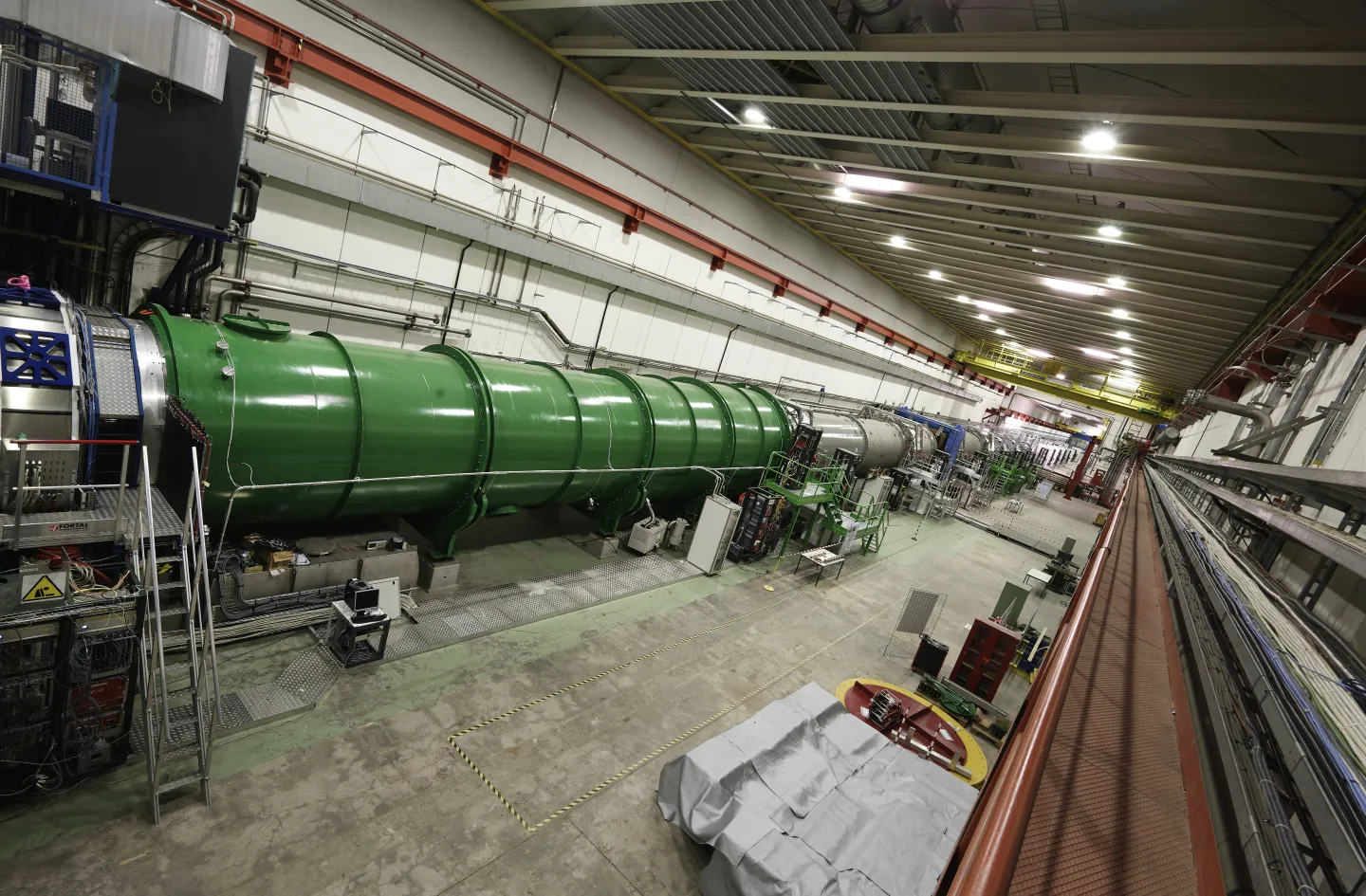
NA62 experiment at CERN reports first evidence for ultra-rare process sensitive to new physics
NA62 experiment at CERN reports first evidence for ultra-rare process sensitive to new physics The CERN NA62 collaboration presented at the ICHEP 2020 conference the first significant experimental evidence for the ultra-rare decay of the charged kaon into a charged pion and two neutrinos (K+ -> π+νν). The decay process is very sensitive to deviations
-
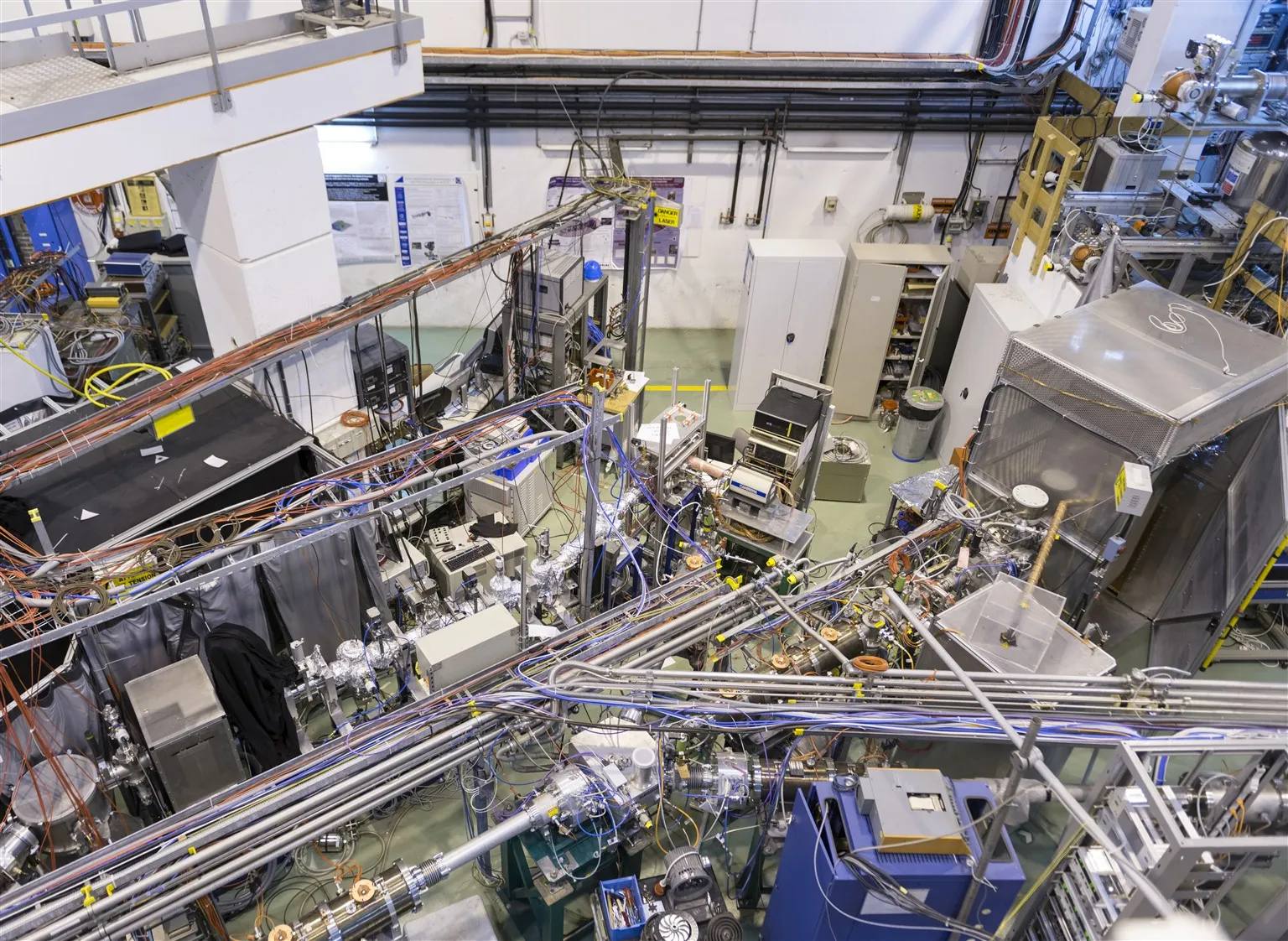
Pinpointing the structure of the SnV centre in diamond using emission channelling at ISOLDE
Pinpointing the structure of the SnV centre in diamond using emission channelling at ISOLDE Diamond – beyond its allure as a jewel – exhibits an array of unique physical characteristics such as its hardness, the highest room thermal conductivity of any material (while being electrically insulating when undoped); it can also be doped to produce
-
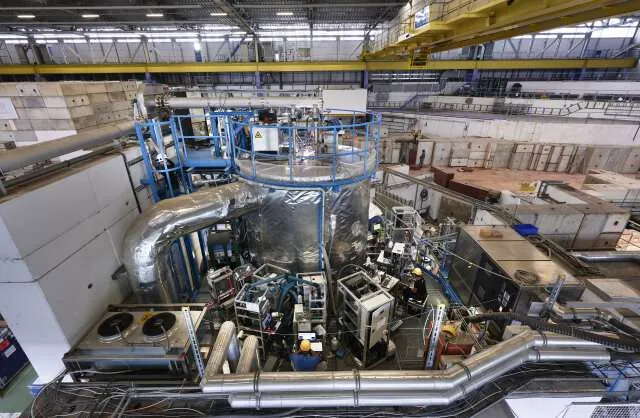
CLOUD experiment makes its own clouds to study
CLOUD experiment makes its own clouds to study The Intergovernmental Panel on Climate Change (IPCC) recognizes aerosols (small nanometer to micrometer sized particles suspended in air) as the single biggest source of uncertainty in human-driven climate change. Atmospheric aerosol particles are important as they can cool the climate by i) reflecting sunlight and ii) by
-
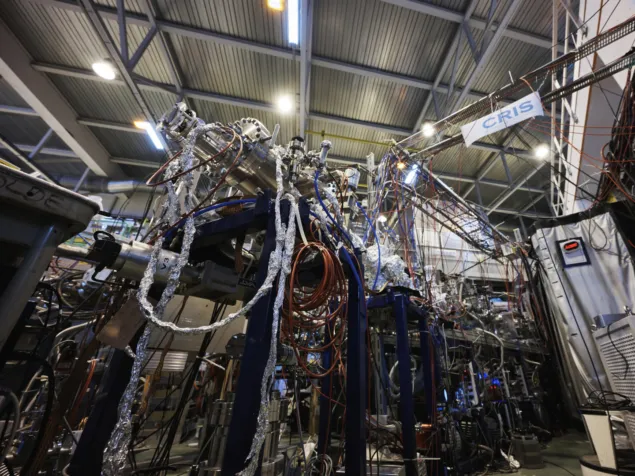
Exotic radioactive molecules could reveal physics beyond the Standard Model
Exotic radioactive molecules could reveal physics beyond the Standard Model The first spectroscopic study of radium monofluoride (RaF) suggests that these radioactive molecules can be used to perform high precision tests of the Standard Model of particle physics. The study was done at ISOLDE, CERN’s radioactive beam facility, by an international team of physicists and
-
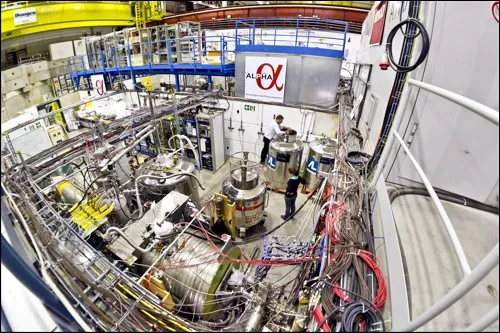
ALPHA publishes first measurements of quantum effects in antimatter
ALPHA publishes first measurements of quantum effects in antimatter The ALPHA collaboration at CERN has reported the first measurements of fine structure effects and Lamb shift in the energy structure of antihydrogen that provide another test of comparison between antimatter and ordinary matter. The results, described in a paper published in Nature, show that these
-

ISOLDE dives deeper in the mystery of the odd-even staggering effect
ISOLDE dives deeper in the mystery of the odd-even staggering effect In a recent paper, to appear in Nature Physics in the next weeks (arXiv:1911.08765v3), the CRIS collaboration, located at the ISOLDE facility in CERN, presents measurements of charge radii of exotic copper isotopes that shed further light on one of the most pertinent open
-

POLAR-2 project enters final design stage
POLAR-2 project enters final design stage The POLAR-2 project is a follow-up of the POLAR mission that was launched in 2016, mounted on the exterior of the Chinese Spacelab Tiangong-2. Following its application to the Recognized Experiment Committee earlier this year, it has been recommended to be granted CERN Recognized Experiment status. The POLAR instrument
-
MUonE experiment gears up to chase whiff of new physics
MUonE experiment gears up to chase whiff of new physics A new proposed project, MUonE, was described on the EP Newsletter few months ago [2]. It is an experiment aiming at helping in understanding the long-standing discrepancy between the experimental value and the Standard Model (SM) prediction of the anomalous magnetic moment of the muon,
-
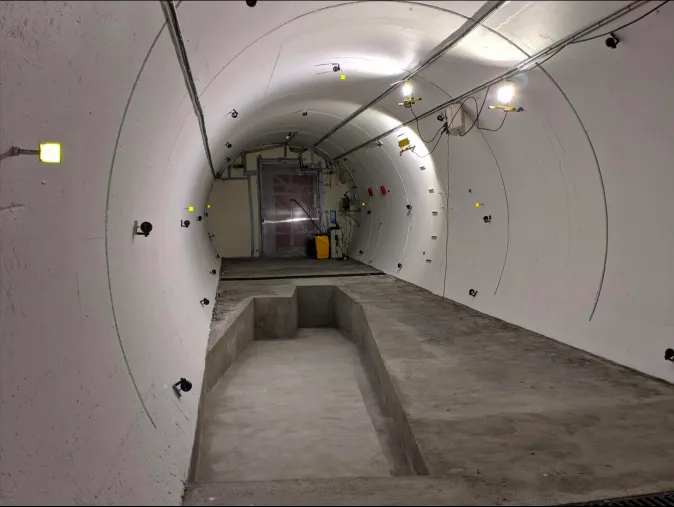
Civil engineering for FASER
Civil engineering for FASER Civil engineering work to enable the installation of the FASER experiment in TI12, which is the former LEP injection tunnel from the SPS, successfully completed this month. The FASER experiment is designed to detect new physics particles produced by the LHC at Point 1. To detect any long-lived weakly interacting particles
-
FASERν: looking for high-energy collider neutrinos
FASERν: looking for high-energy collider neutrinos In December 2019 a proposed upgrade of the FASER detector designed to study neutrinos at the LHC was approved by CERN. The new detector called FASERν will be placed in front of the main FASER detector, 480-m in front of the ATLAS collision point, and exactly aligned with the