
Tag: SME
-
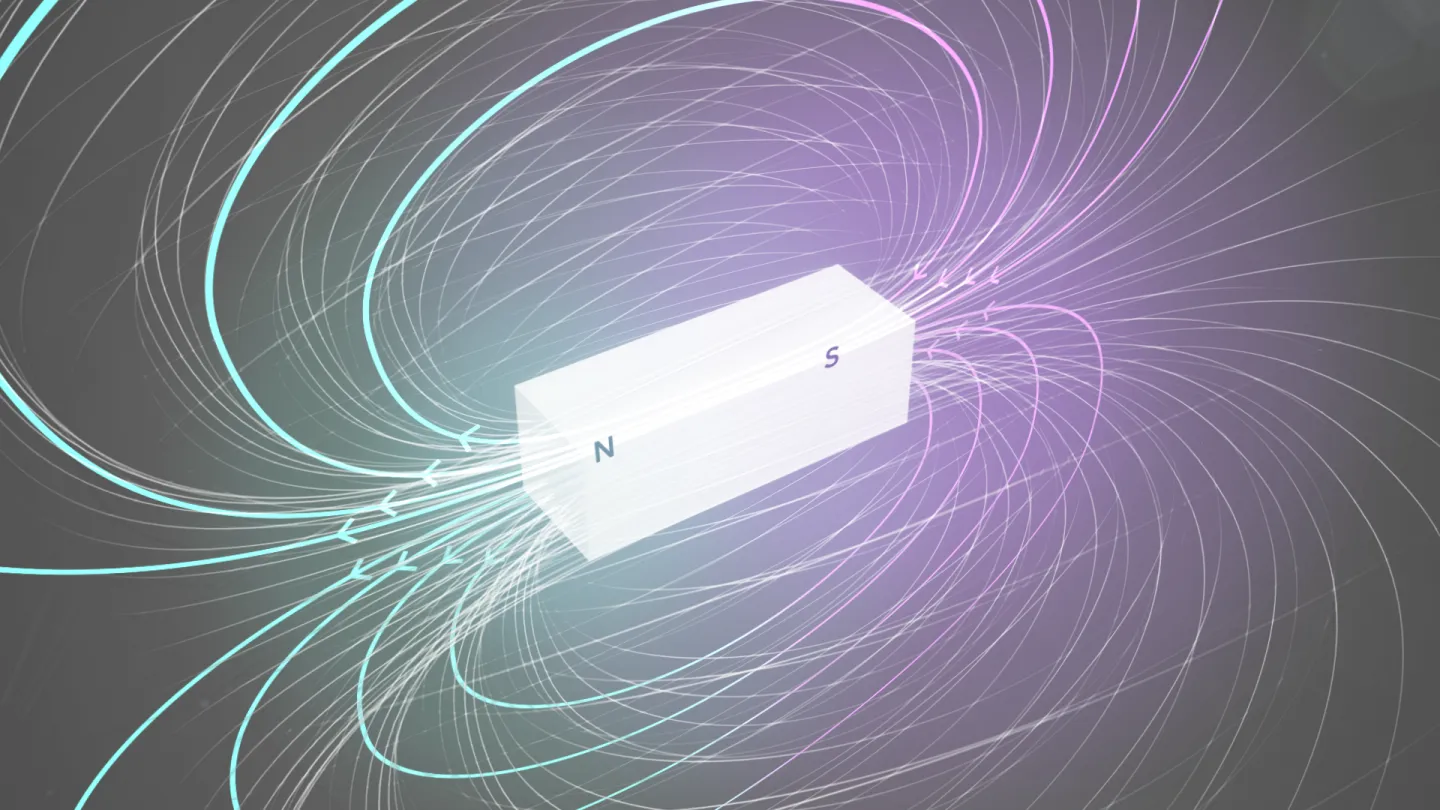
MoEDAL’s Searches for Magnetic Monopoles Produced via The Schwinger Mechanism
MoEDAL’s Searches for Magnetic Monopoles Produced via The Schwinger Mechanism Magnetic monopoles (MMs) are hypothetical fundamental particles that carry isolated magnetic charge that are arguably the most important particle yet to be discovered. In 1931 Dirac first showed that a MM was compatible with quantum mechanics [1] and that the existence of an MM would
-
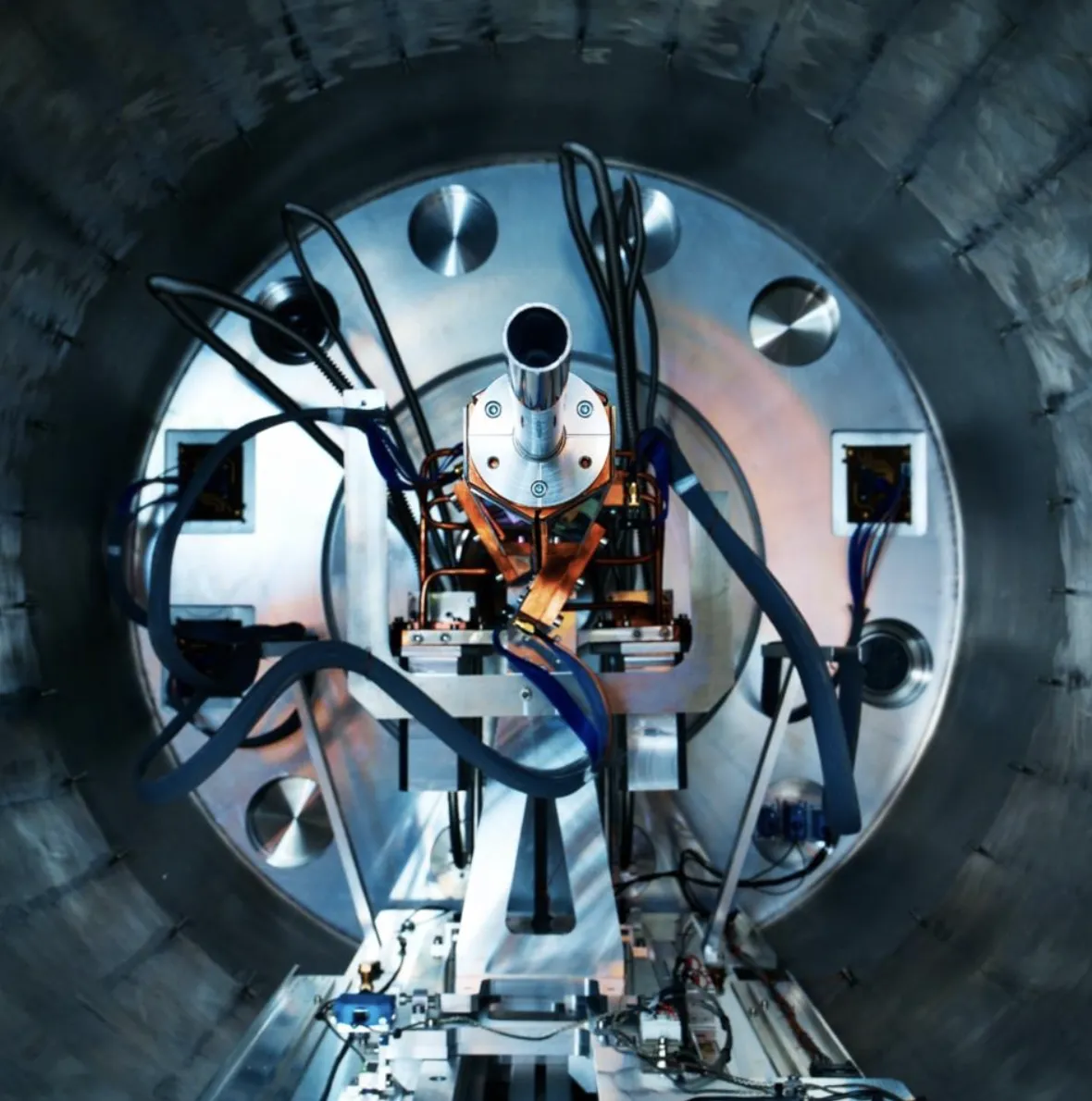
ISOLDE’s Solenoidal Spectrometer (ISS): a new tool for studying exotic nuclei
ISOLDE's Solenoidal Spectrometer (ISS): a new tool for studying exotic nuclei The majority of atomic nuclei exist away from the valley of beta-stability, so it is perhaps unsurprising that in studying them nuclear physicists have discovered emerging phenomena not seen in stable nuclei. Changing shell structure, evolving nuclear shapes, and weak-binding phenomena such as halo
-
New prospects for the Physics Beyond Colliders programme
New prospects for the Physics Beyond Colliders programme Particle physics is often equated with high energy collider experiments. However, over recent years it has become increasingly clear that high intensity and high precision experiments offer significant, complementary opportunities to explore physics beyond the Standard Model. CERN’s accelerator complex offers an unprecedented variety of beams and
-
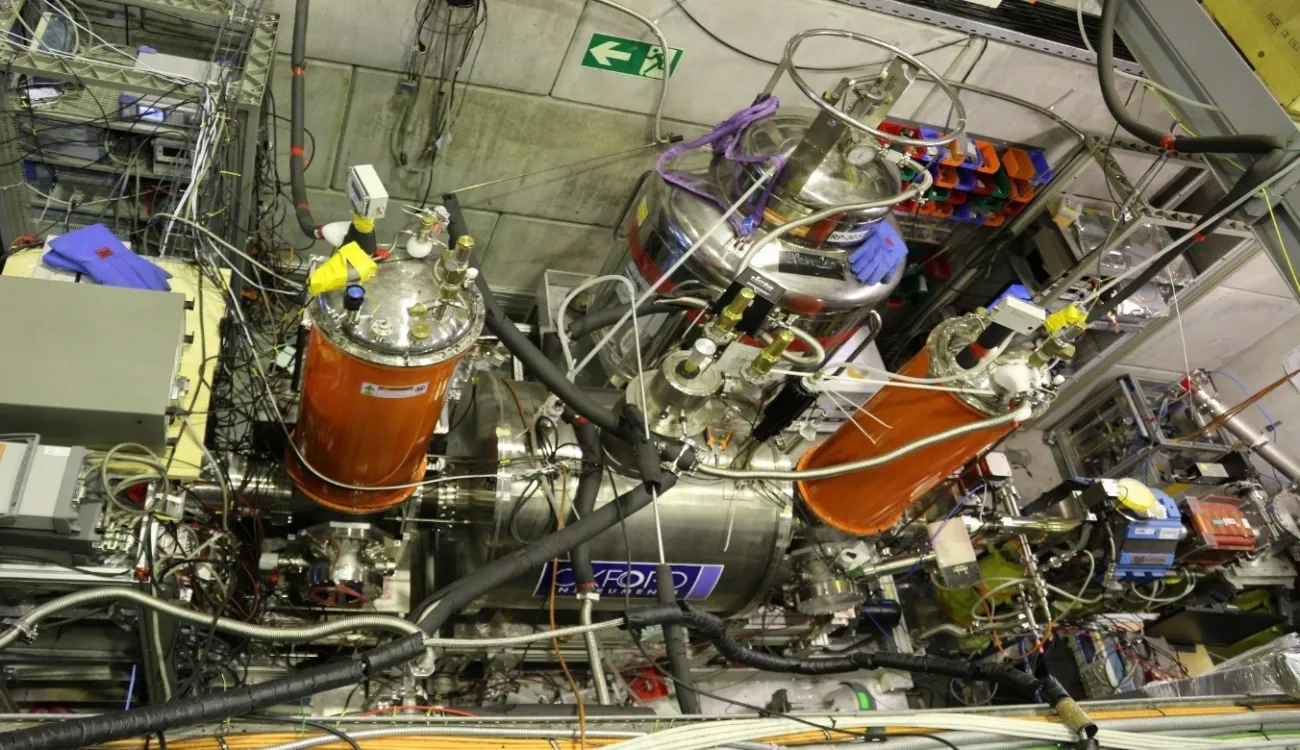
Prestigious Award for Quantum Logic Spectroscopy
Prestigious Award for Quantum Logic Spectroscopy In October, the prestigious Dissertation Prize of the Section Atoms, Molecules, Quantum Optics and Plasmas (SAMOP) of the German Physical Society was awarded to Peter Micke for his seminal work demonstrating quantum logic spectroscopy on highly charged ions (HCI) [1]. He completed his PhD in Piet O. Schmidt’s group
-
Transforming NA62
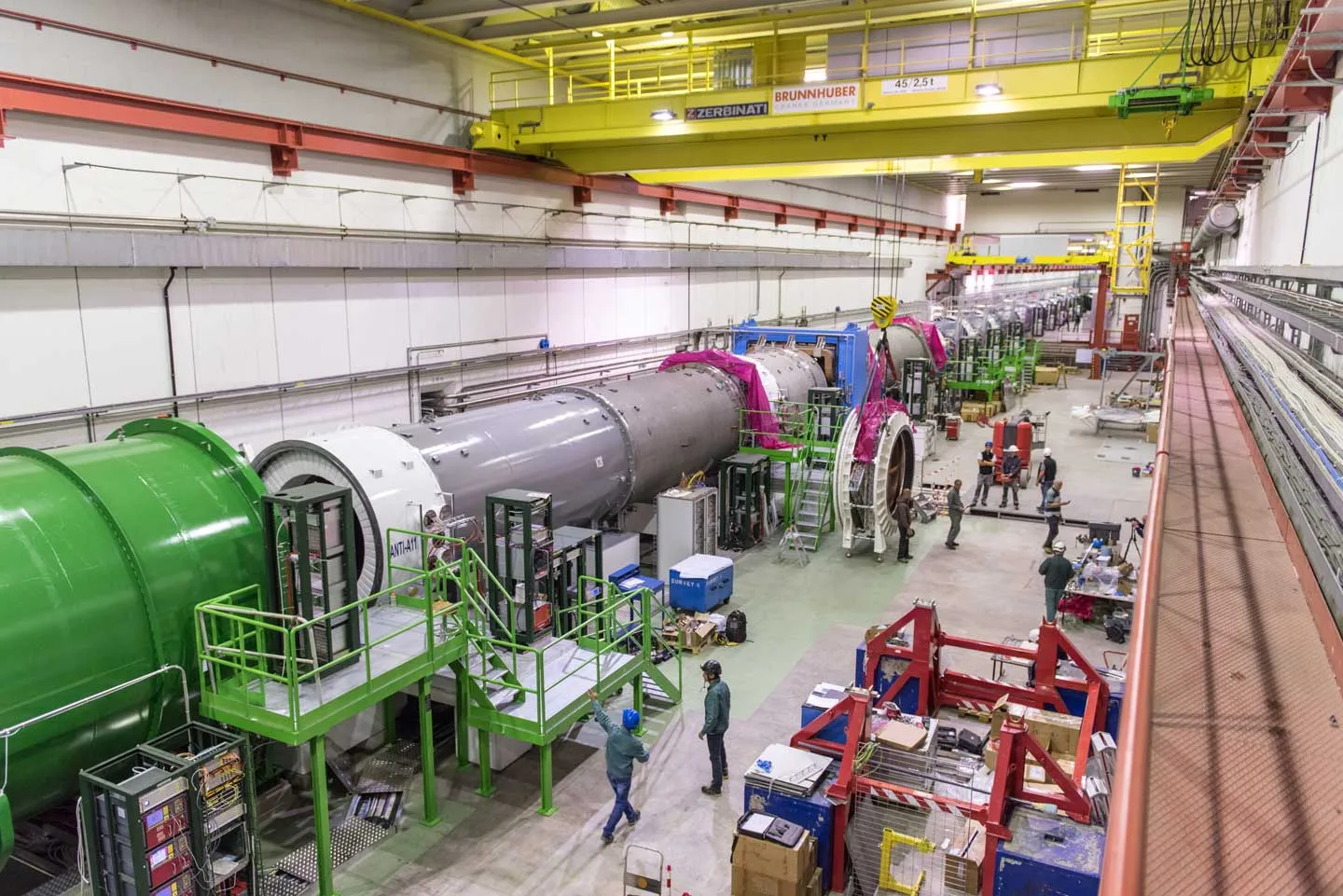
Transforming NA62 The main goal of the NA62 experiment, located in CERNs North Area, is to precisely measure the K+→π+νν̅ branching fraction, which is highly sensitive to new physics processes. The analysis of data collected during 2016-2018 led to the most precise determination of the K+→π+νν̅ branching fraction and provides the strongest evidence so far
-

The many faces of ISOLDE
The many faces of ISOLDE You will stand across the street from the ISOLDE facility, when visiting CERN’s medical center, fire fighters, raw materials store, transport teams, or goods reception service. Located centrally at the Meyrin site (https://videos.cern.ch/record/2243399), ISOLDE has been the longest running CERN research facility, approved in 1964, connected to the synchrocyclotron (SC)
-
Cooling a particle from a trap away
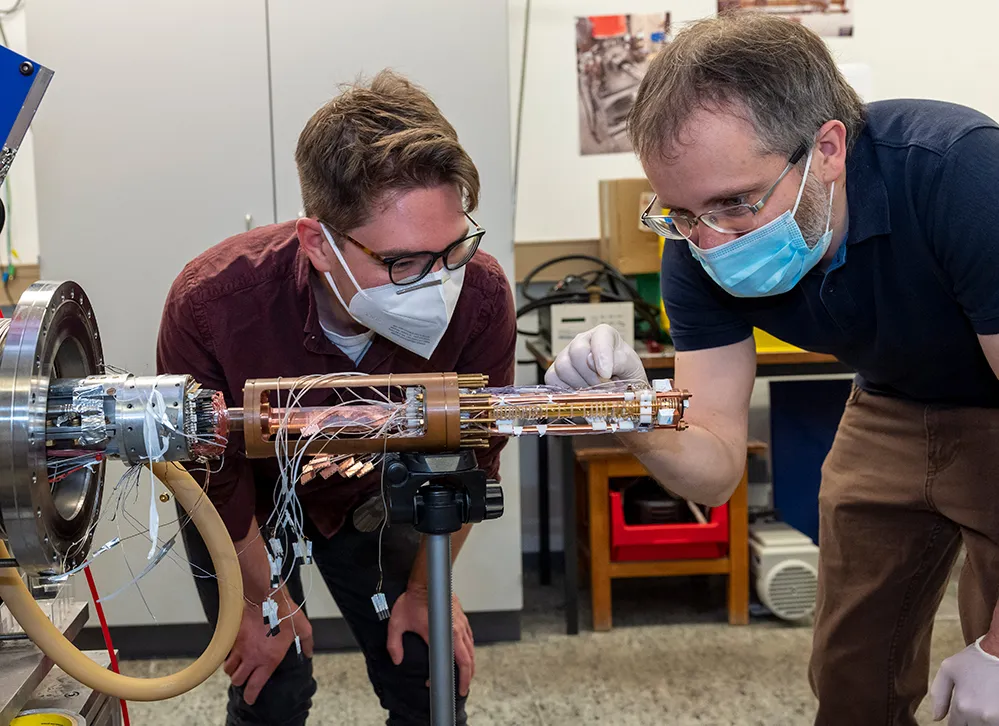
Cooling a particle from a trap away The BASE experiment, located at CERN’s Antiproton Deccelerator (AD) performs some of the most precise measurements with antimatter in the world – namely measuring the magnetic moment and charge-to-mass ratio of a single trapped antiproton. With these measurements, BASE, along with other experiments at the AD, is attempting
-
FASER Detector Installation
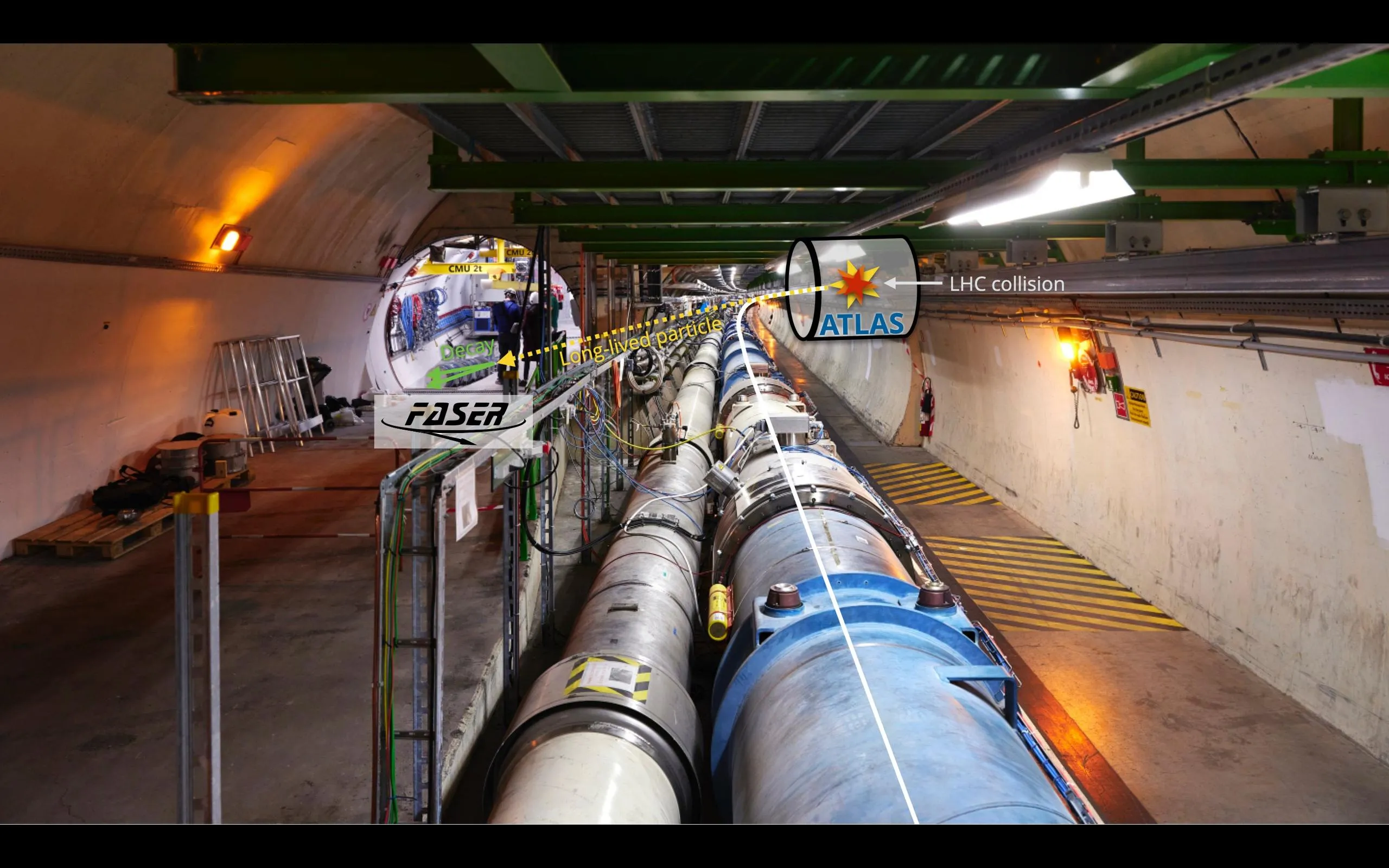
FASER Detector Installation During March the FASER detector was successfully installed into the LHC complex. FASER, a new small LHC experiment, designed to search for light, weakly interacting new particles in the LHC collisions was proposed in 2017, and after review by the LHCC, approved by CERN in March 2019. Since then, the FASER team
-

Pinning down the muon (g-2) anomaly at the CERN SPS
Pinning down the muon (g-2) anomaly at the CERN SPS The Dirac equation predicts the muon gyromagnetic ratio g=2. Loop effects from quantum field theory lead to a small deviation from this value, parameterized by the so called anomalous magnetic moment which is defined as aμ=(g-2)/2. The difference between the theoretical prediction and the experimental
-

ISOLDE determines precise nuclear moments by devising novel experimental technique
ISOLDE determines precise nuclear moments by devising novel experimental technique Nuclear quadrupole moments (Q), a measure of charge asymmetry in nuclei, are experimentally accessible via the quadrupole interaction frequency νQ=eQVzz/h. To extract Q from this information one needs to know Vzz, the electric-field gradient at the nuclear site. This must come from theory, to date