
Tag: ALICE
-
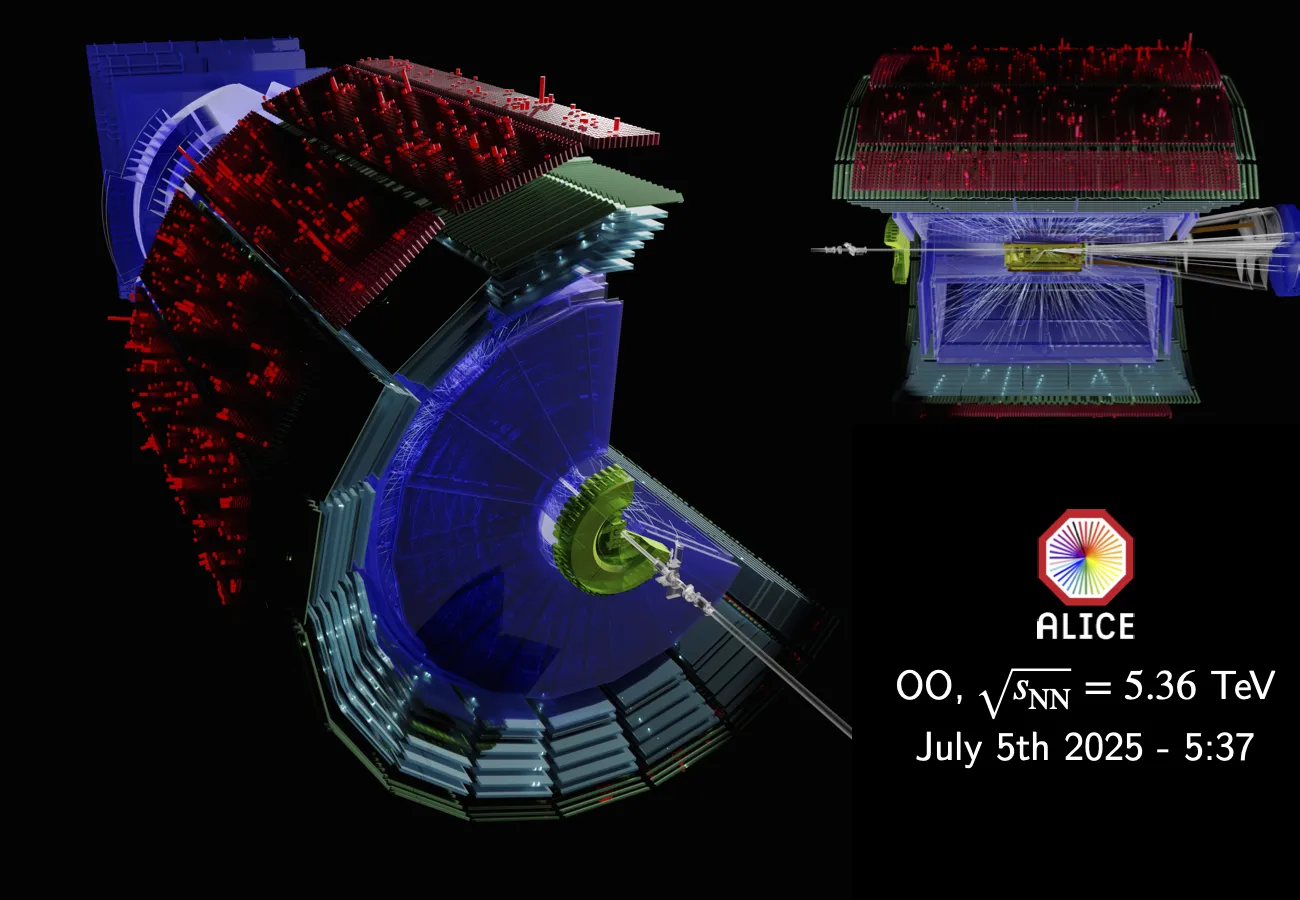
ALICE reveals quark-gluon plasma energy loss in OO collisions
ALICE reveals quark-gluon plasma energy loss in OO collisions A new state of matter Colliding heavy ions, such as lead, at nearly the speed of light in the LHC allows the creation of a new state of matter called the quark-gluon plasma (QGP). This near-perfect liquid of quarks and gluons is created because the extreme
-
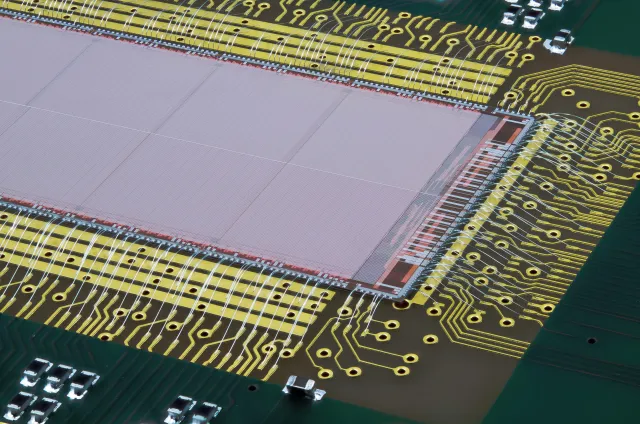
MOSAIX: Designing bent wafer-scale monolithic pixel sensors for the ALICE ITS3 upgrade
MOSAIX: Designing bent wafer-scale monolithic pixel sensors for the ALICE ITS3 upgrade The ALICE detector is preparing a major upgrade to its Inner Tracking System (ITS) during LHC long shutdown 3 (2026-2030). This upgrade, called ITS3, will replace the three innermost tracking layers with three layers of cylindrical, 50 µm thick, 27 cm long, silicon
-
Towards monitoring in Run 4 and beyond: LHC experiments exchange perspectives on data quality at the HL-LHC
Towards monitoring in Run 4 and beyond: LHC experiments exchange perspectives on data quality at the HL-LHC In March of 2026, experts from ALICE, ATLAS, CMS and LHCb gathered at CERN for a dedicated workshop on Data Quality Monitoring (DQM), bringing together developers, coordinators and detector specialists to discuss how the LHC experiments monitor the
-
Online use of AI within ALICE
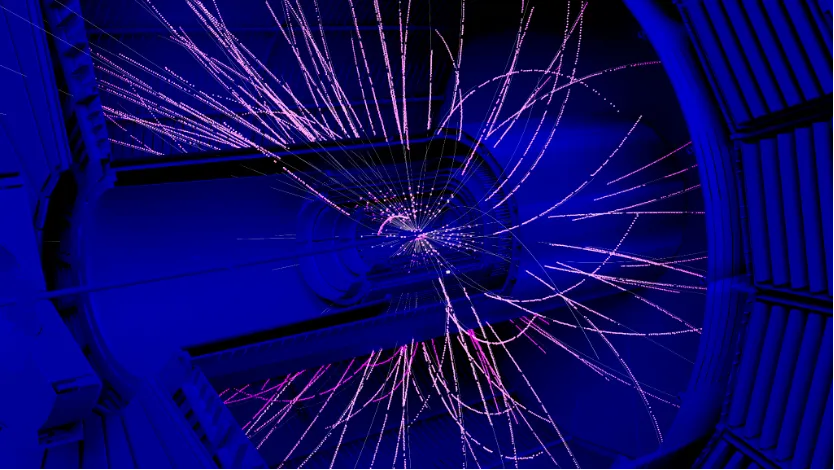
Online use of AI within ALICE A reconstructed event of particles in the ALICE TPC, with data taken with the neural network cluster finding algorithm. Pink dots are reconstructed clusters. AI applications have rapidly expanded in everyday life, and ALICE, among other high-energy physics experiments at CERN, is increasingly exploring their use in fundamental physics
-

A word from the EP Department Head – Spring 2026
A word from the EP Department Head – Spring 2026 Dear Colleagues, It is my pleasure to share the first 2026 edition of the EP newsletter with you, in my new role as EP Department Head. CERN’s new management took office in January, with a revised structure of Sectors and Departments. In EP, we reorganised
-

A word from the EP Department Head – Spring 2026
A word from the EP Department Head – Spring 2026 Dear Colleagues, It is my pleasure to share the first 2026 edition of the EP newsletter with you, in my new role as EP Department Head. CERN’s new management took office in January, with a revised structure of Sectors and Departments. In EP, we reorganised
-

New Staff Members and Fellows
New Staff Members and Fellows Maximilian Babeluk Hi, I’m Max. I recently joined the ALICE ITS3 team, where I work on sensor testing, functional verification, and in the future also chip design – particularly on MOSAIX. My main activities include testing and yield assessment across multiple integration levels (wafer probing to system tests), including data
-
Understanding the formation of fragile light nuclei with ALICE
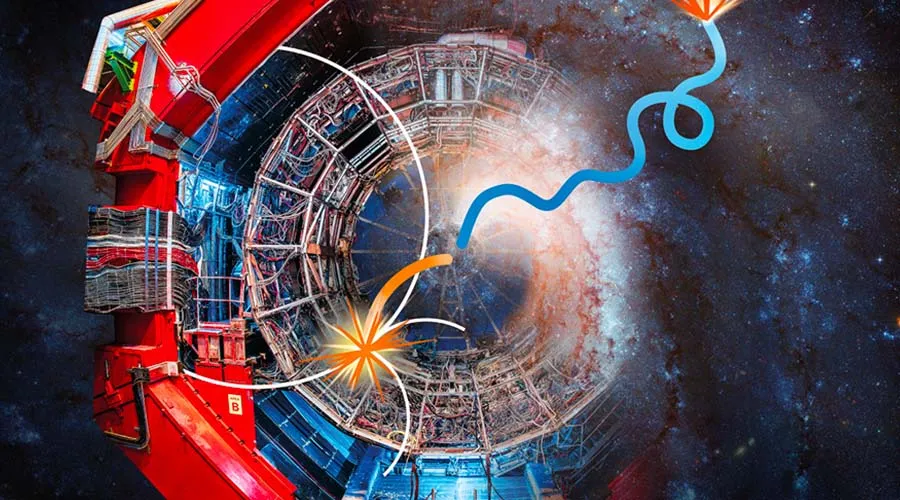
Understanding the formation of fragile light nuclei with ALICE Light nuclei such as the deuteron are surprisingly fragile. A deuteron is bound by only a few mega-electronvolts, yet at the Large Hadron Collider it is produced in environments that are tens of trillions of degrees – about 100,000 times hotter than the centre of the
-
FoCal Moves Toward Construction After a Successful Beam Test
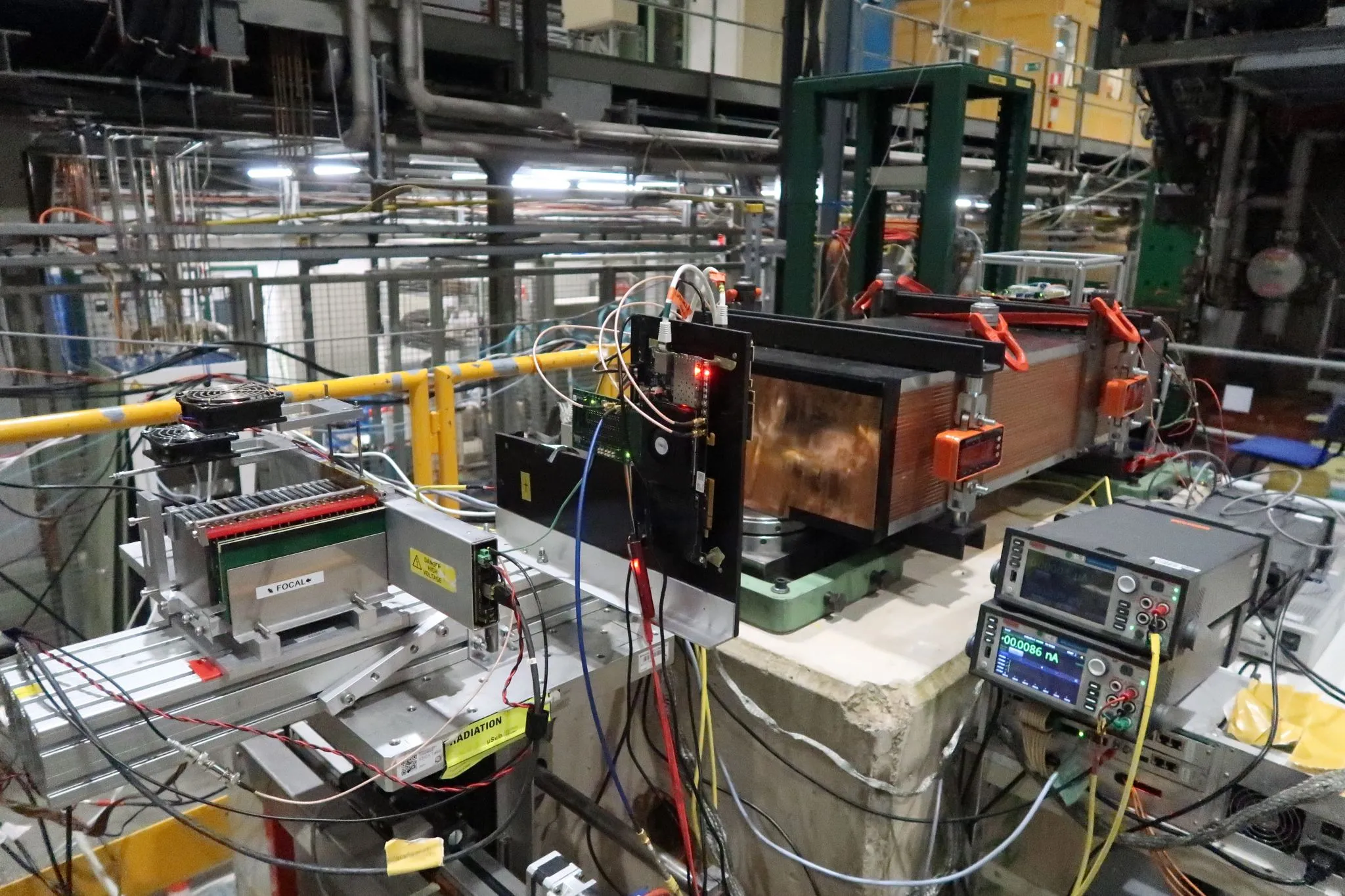
FoCal Moves Toward Construction After a Successful Beam Test Introduction Our recent beam test campaign for the ALICE Forward Calorimeter (FoCal) marked an important turning point for the project. After years of development toward a highly granular forward calorimeter, FoCal has now demonstrated the performance and maturity required to move confidently into construction. The tests
-
Highlights from the 2nd NGT Technical Workshop
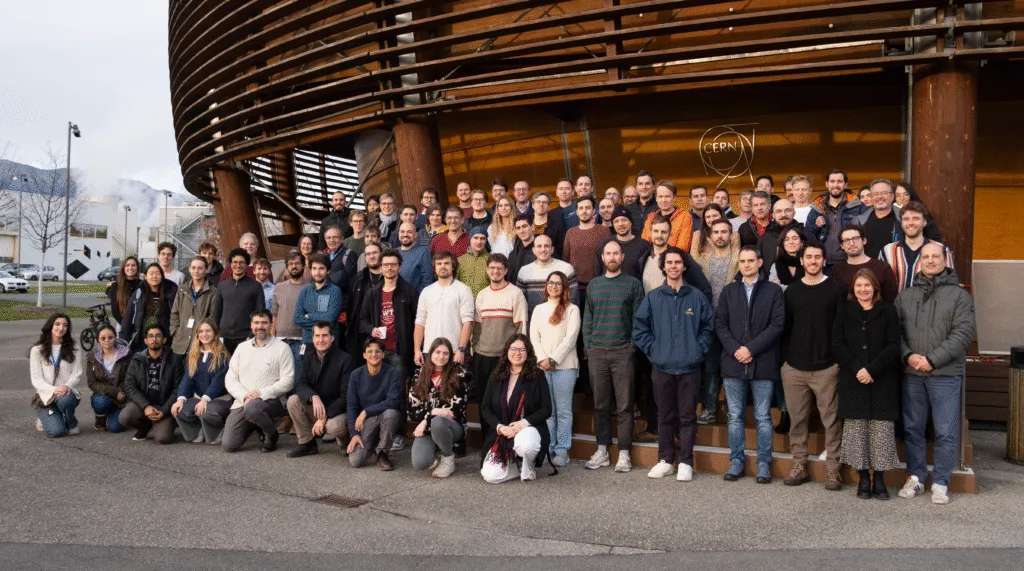
Highlights from the 2nd NGT Technical Workshop Participants of the 2nd Next Generation Triggers Technical Workshop at the Globe of Science and Innovation. Picture: Mariana Velho From 19 to 21 November 2025, the Next Generation Triggers (NGT) project held its 2nd Technical Workshop at CERN’s Globe of Science and Innovation, welcoming more than one hundred