
Tag: FUTURE COLLIDERS
-
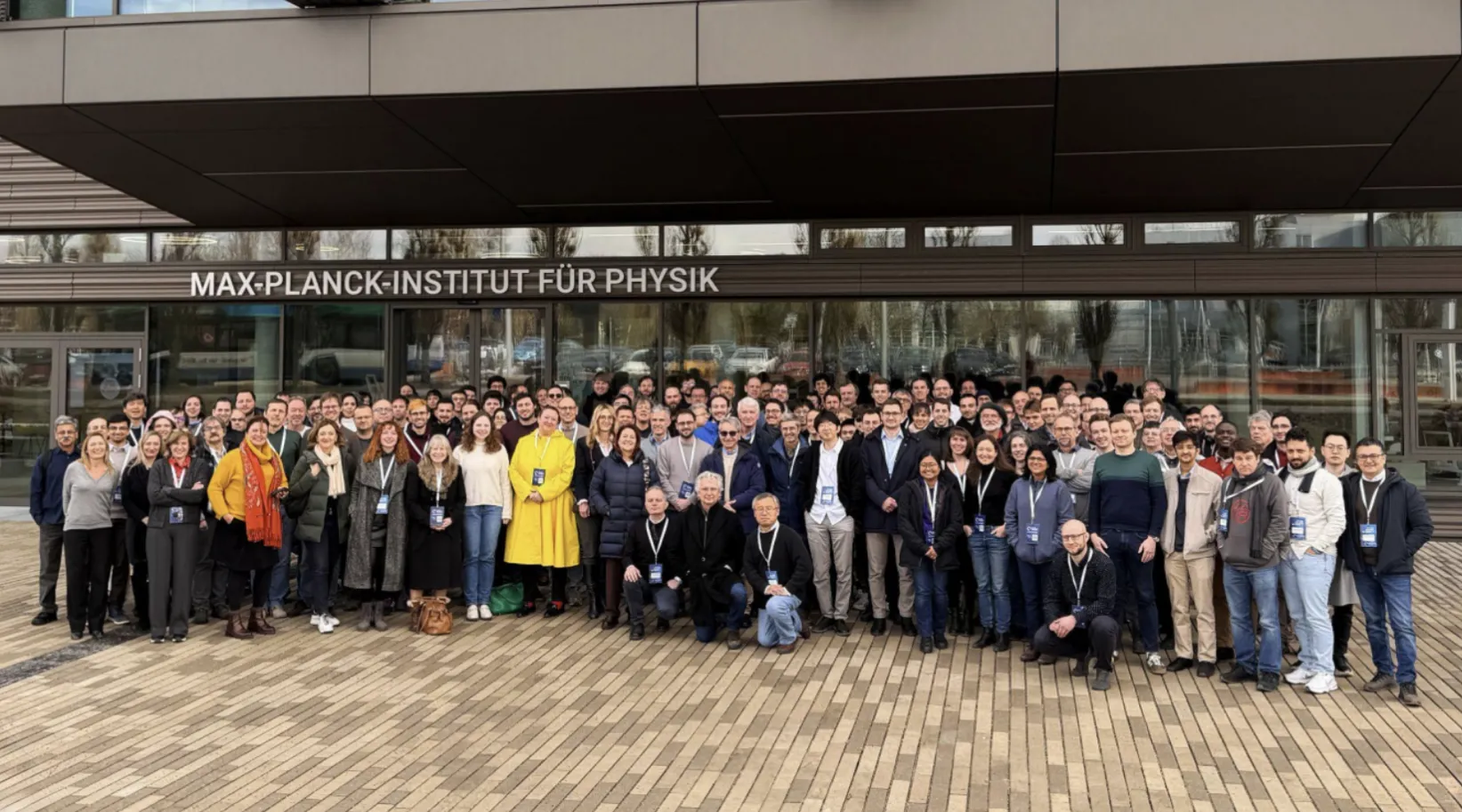
Momentum Builds for the Future Circular Collider at the 9th FCC Physics Workshop in Munich
Momentum Builds for the Future Circular Collider at the 9th FCC Physics Workshop in Munich From 26 to 30 January 2026, the Max Planck Institute for Physics in Garching, near Munich, hosted the 9th FCC Physics Workshop, a major gathering of theorists and experimentalists advancing the physics case, solving the experimental challenges, and developing detector
-
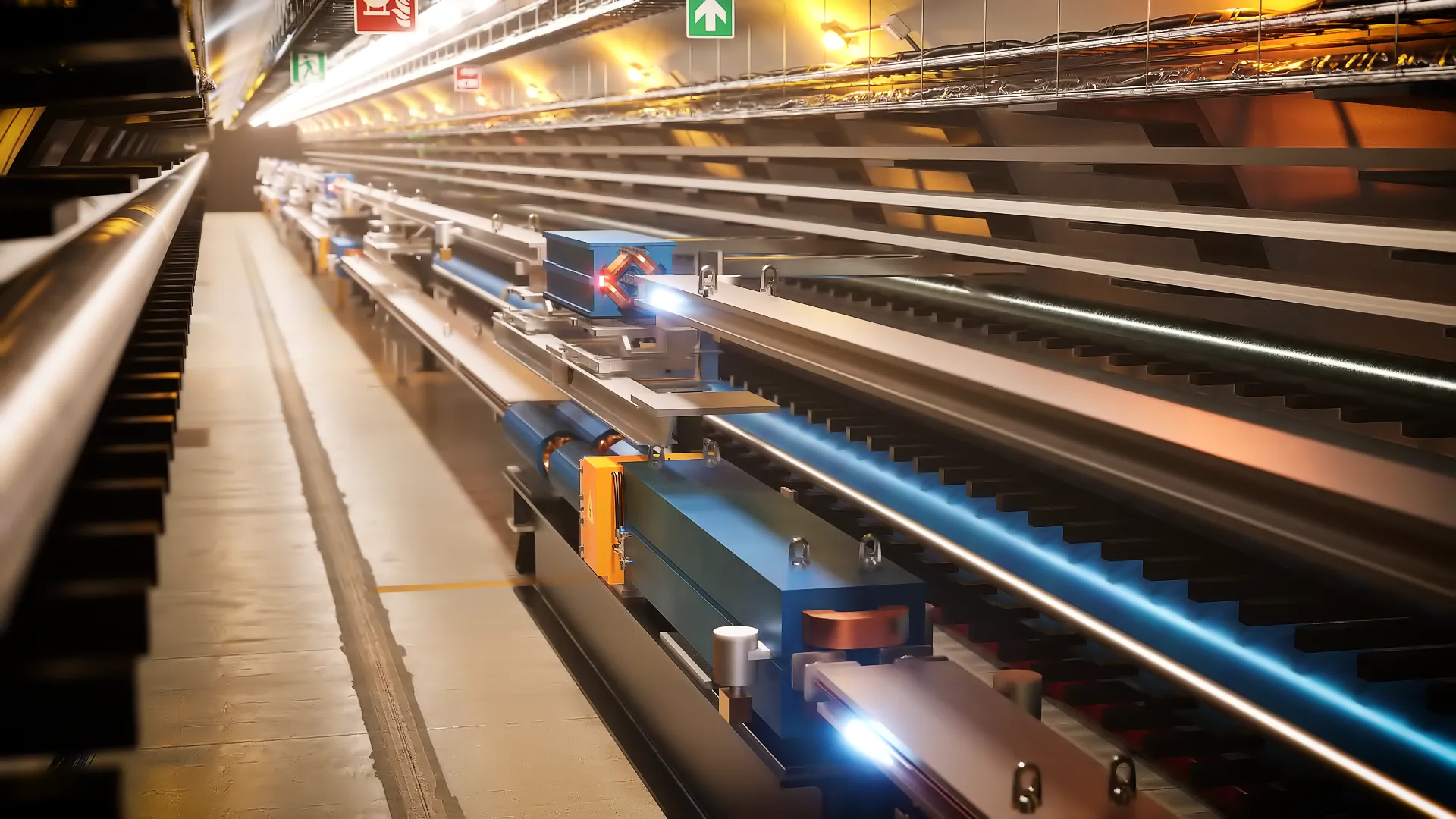
European Strategy update reaches key milestone
European Strategy update reaches key milestone At its 225th session on 12 December 2025, the CERN Council received the recommendations for the update of the European Strategy for Particle Physics (ESPP), marking a major milestone in the process of defining a common vision for the future of the field. The recommendations will now be reviewed
-

Physics Briefing Book Released: A Key Step Toward the 2026 Update of the European Strategy for Particle Physics
Physics Briefing Book Released: A Key Step Toward the 2026 Update of the European Strategy for Particle Physics The Physics Briefing Book, a cornerstone document guiding the 2026 Update of the European Strategy for Particle Physics (ESPP), has been released by the Physics Preparatory Group (PPG) and is now available online. 🔗 Read the Physics
-

FCC Week 2025: First Gathering After Feasibility Study to Discuss the Way Forward
FCC Week 2025: First Gathering After Feasibility Study to Discuss the Way Forward FCC Week 2025, held in Vienna, provided a timely opportunity to review the project’s scientific and technical progress, ushering in the next phase of design and development. The results of the Feasibility Study will serve as a key input to the next
-

Extended Scalar Sectors are considered from all angles at CERN
Extended Scalar Sectors are considered from all angles at CERN It has been more than ten years since the discovery of the first scalar particle at the electroweak scale. This particle was discovered at the LHC in 2012, and it was quickly found to be a scalar that is compatible with the Higgs boson predicted
-
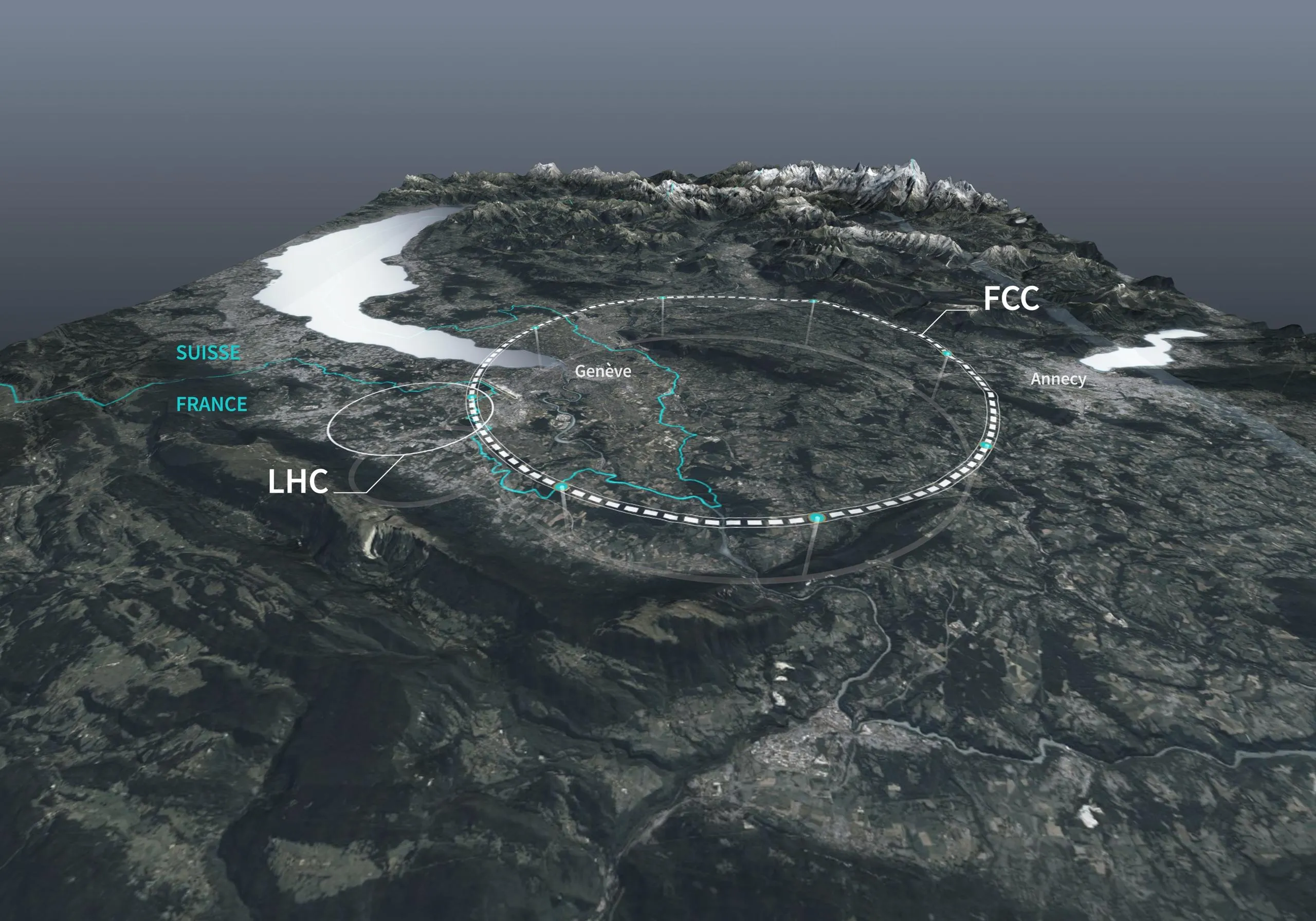
From Vision to Reality: FCC Feasibility Study completes Midterm Review
From Vision to Reality: FCC Feasibility Study completes Midterm Review The seeds of the Future Circular Collider (FCC) were sown a decade ago at a pivotal meeting of physicists at the University of Geneva in 2013. This gathering responded to a call from the European Strategy for Particle Physics, which highlighted the need for a
-
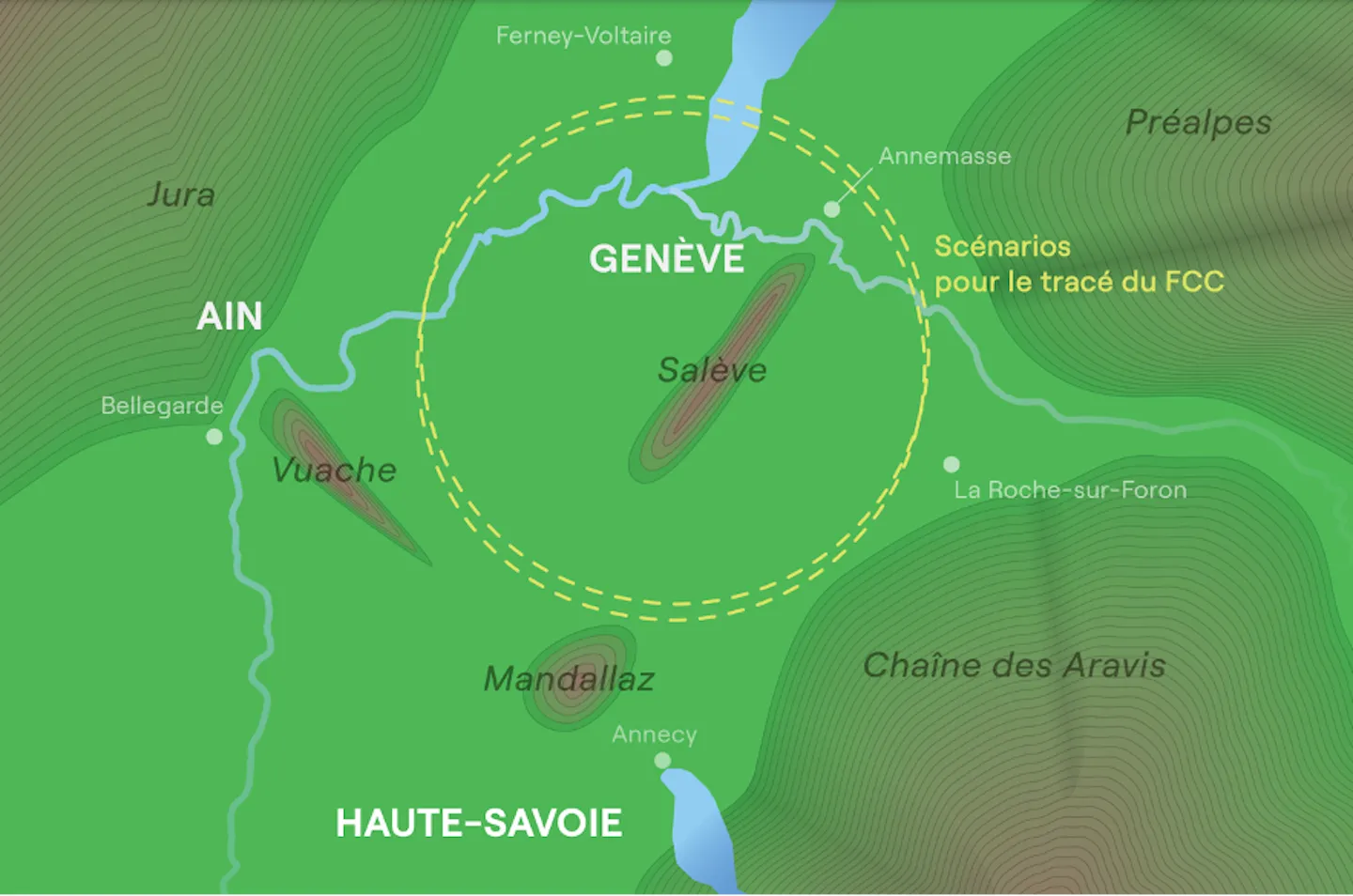
FCC feasibility study reaches midterm milestone
FCC feasibility study reaches midterm milestone The first stage of the Future Circular Collider (FCC) Integrated Project is a high-luminosity, high-energy electron-positron collider, serving as a Higgs, top and electroweak factory. The second stage is an energy frontier hadron collider, with a centre-of-mass energy of at least 100 TeV. This programme matches the highest priority
-
SHiP collaboration sets course on New Physics
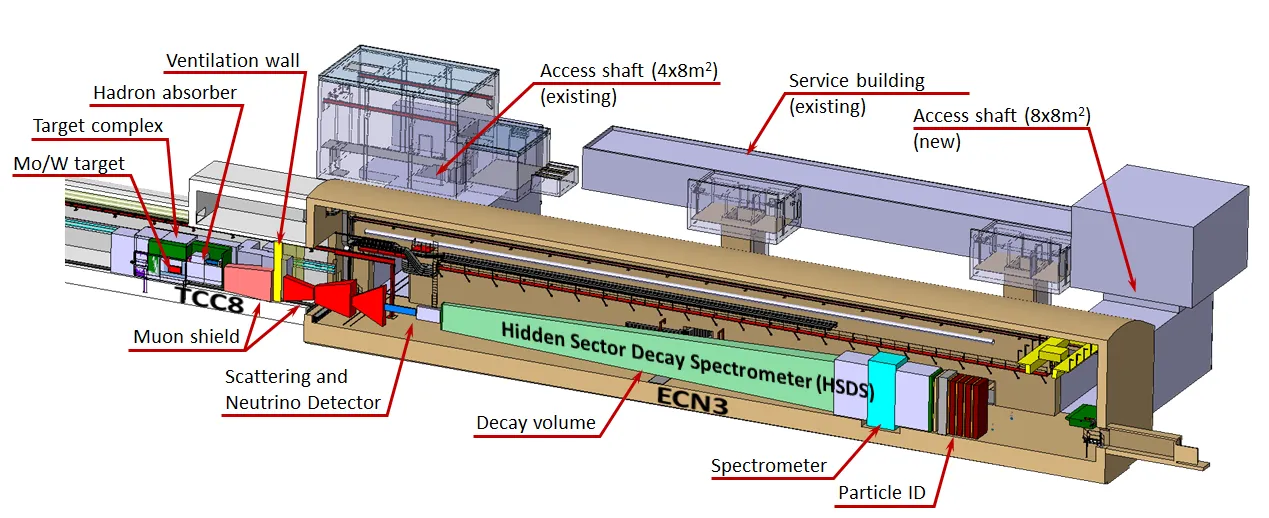
SHiP collaboration sets course on New Physics The Search for Hidden Particles (SHiP) experiment with the associated Beam Dump Facility (BDF), currently under consideration for implementation in the SPS ECN3 beam facility, is designed to perform a generic and exhaustive search for feebly interacting particles (FIPs) in a region of mass and coupling that is
-
Highlights from the fifth FCC Physics Workshop
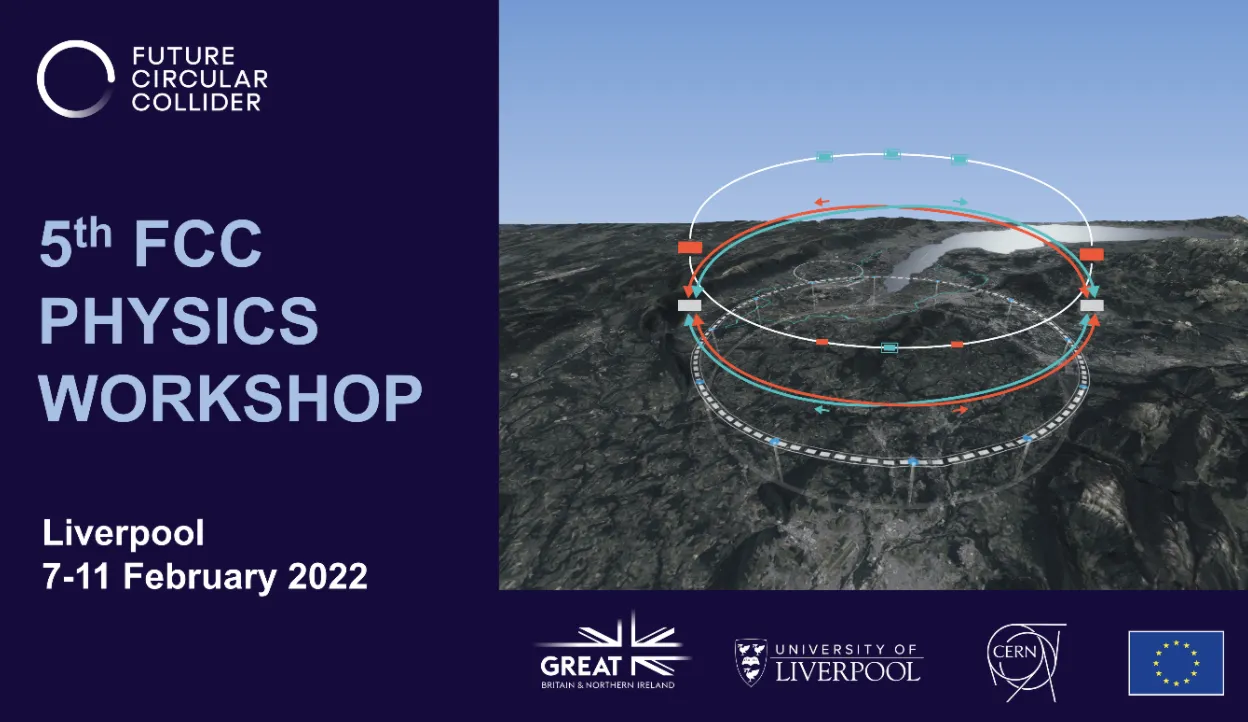
Highlights from the fifth FCC Physics Workshop For the first time since the launch of the FCC feasibility study, the FCC physics community gathered to reflect the status and achievements of FCC Physics, Experiments, and Detectors studies and initiate new activities. The fifth FCC Physics Workshop, organised by CERN and the University of Liverpool, took
-
Higgs boson and the quest for new physics
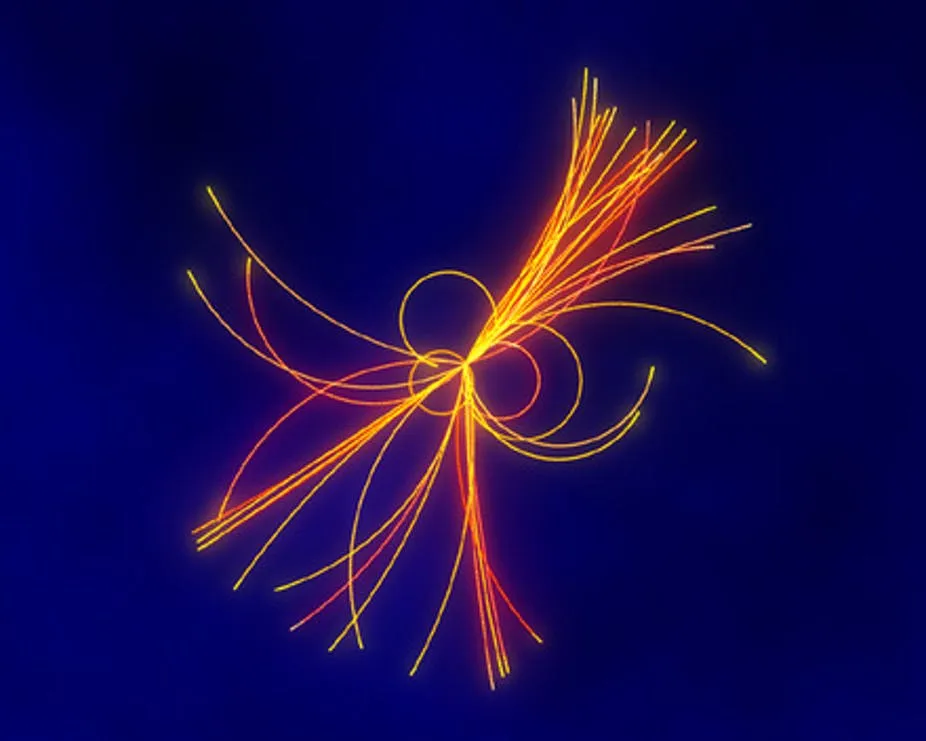
Higgs boson and the quest for new physics The discovery of a new particle in 2012 by the ATLAS and CMS experiments at CERN was just the beginning in understanding the properties of this particle and its potential link to some of the most pressing fundamental questions in modern physics. Following its discovery, the LHC