
Tag: FUTURE COLLIDERS
-
LHC takes on the SMEFT challenge
LHC takes on the SMEFT challenge The quest for new physics at the LHC is entering a new phase: the experiments are designing new strategies to target potential deviations from the Standard Model (SM) predictions in a systematic way, to complement the traditional “bump hunts” and, potentially, extend their sensitivity to mass regions beyond the
-

Colliding Particles meet Gravitational Waves
Colliding Particles meet Gravitational Waves Gravitational waves contain crucial information on the structure and on the history of the Universe. They can give us access to unique insights on particle physics at very high energies and astrophysics in extreme regimes. The detection of gravitational waves and the measurement of their properties is arguably one of
-
AIDAInnova: Tailwind from the EC for concerted detector development
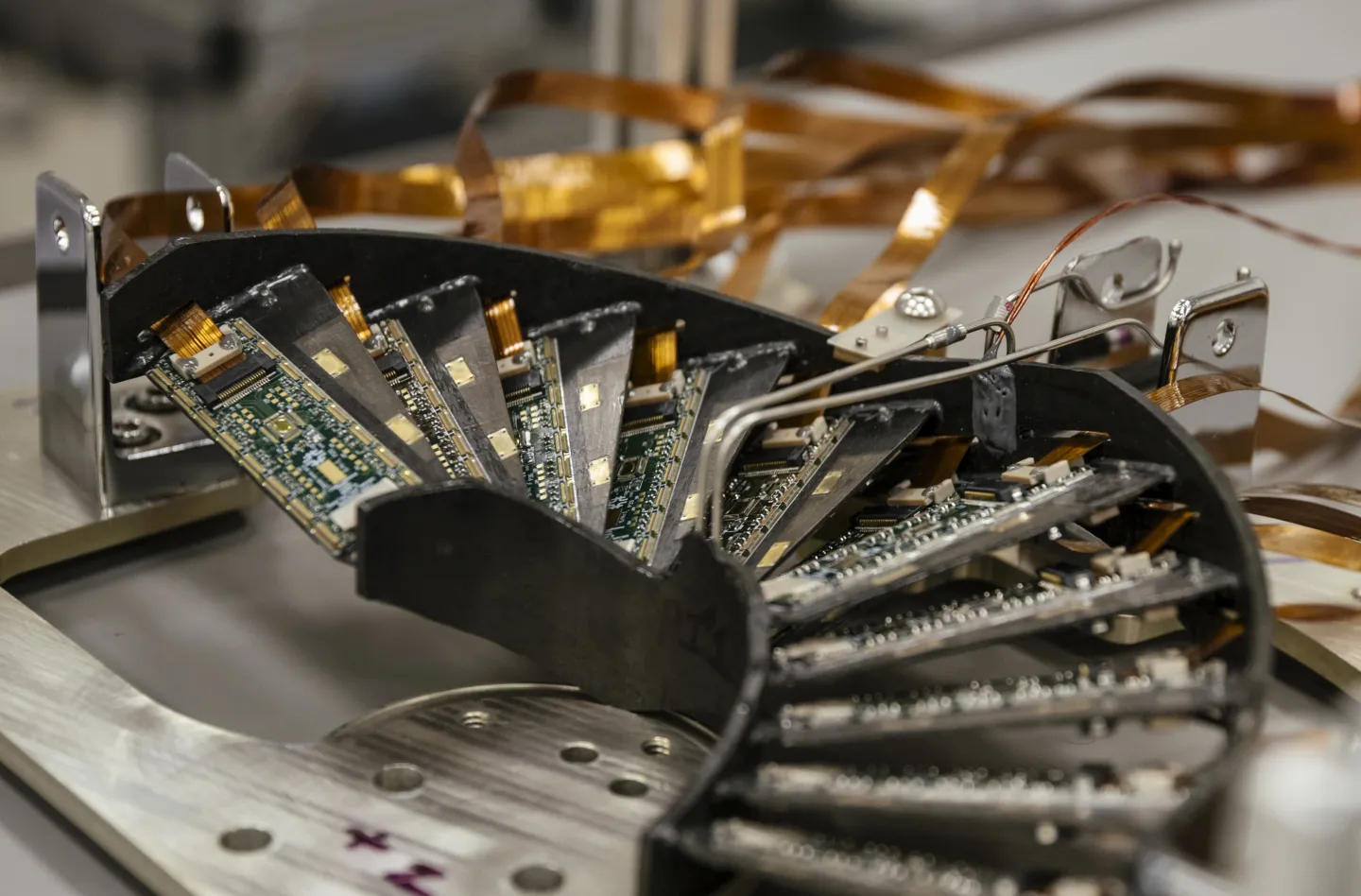
AIDAInnova: Tailwind from the EC for concerted detector development For more than two decades, a number of coordinated initiatives in Europe have targeted the fundamental and technological issues associated with the development and exploitation of the most advanced detectors for particle physics research. From the first type of detectors including photographic plates and bubble chambers
-
The likelihood is dead, long live the likelihood
The likelihood is dead, long live the likelihood Among the sciences, particle physics has the luxury of having a well established theoretical basis. Often we focus on the elementary particles and model them mathematically with quantum field theories like the Standard Model. In order to compare with data, we must also model the additional radiation,
-
Cornering right-handed neutrinos
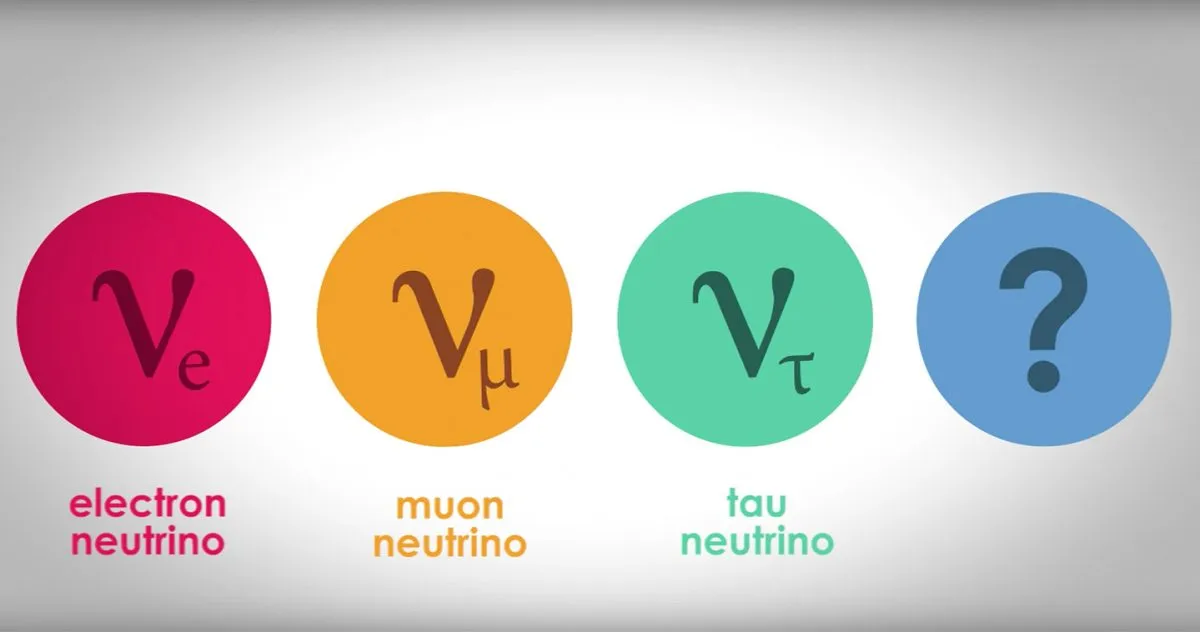
Cornering right-handed neutrinos Right-handed neutrinos: the missing piece of the puzzle? The Standard Model (SM) of particle physics is one of the most successful scientific theories ever developed. Together with the theory of General Relativity it can describe most of the observed phenomena in nature at a fundamental level. However, a number of established experimental
-
Uniting Leptogeneses
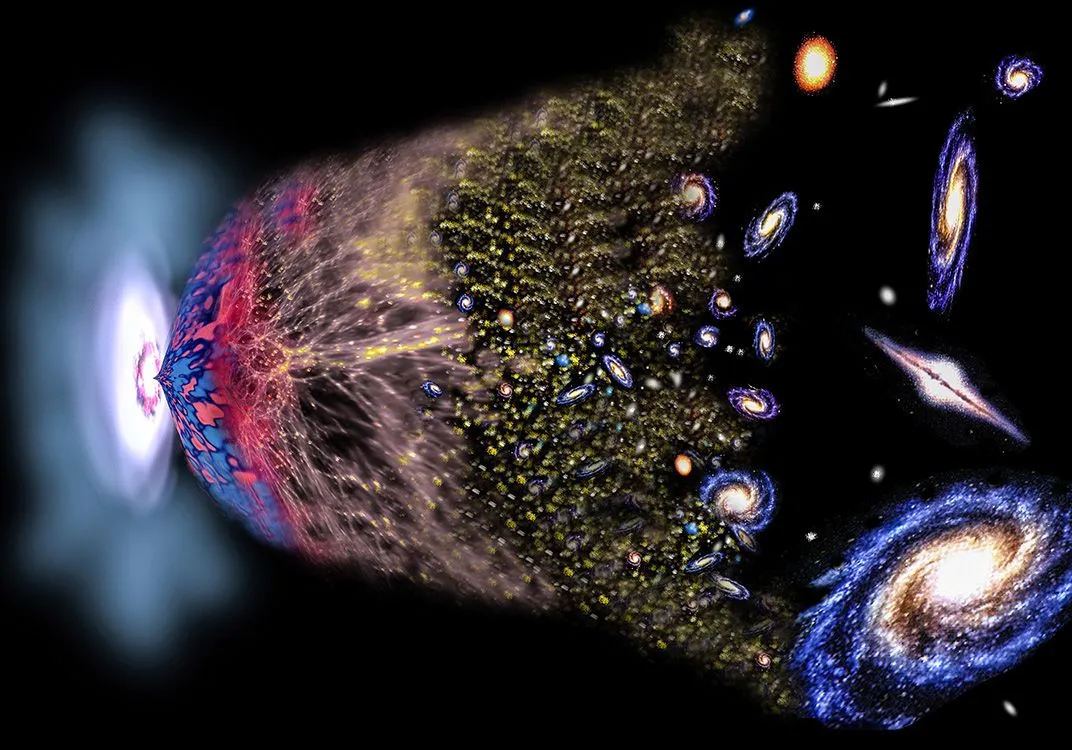
Uniting Leptogeneses With the discovery of the Higgs boson, particle physics has reached an era of unprecedented success. Almost all phenomena in nature can in principle be explained with known particles of the Standard Model (SM). Some puzzles still remain unsolved, like the origin of observed matter-antimatter asymmetry of the Universe (BAU), the existence of
-
Higgs physics at future colliders
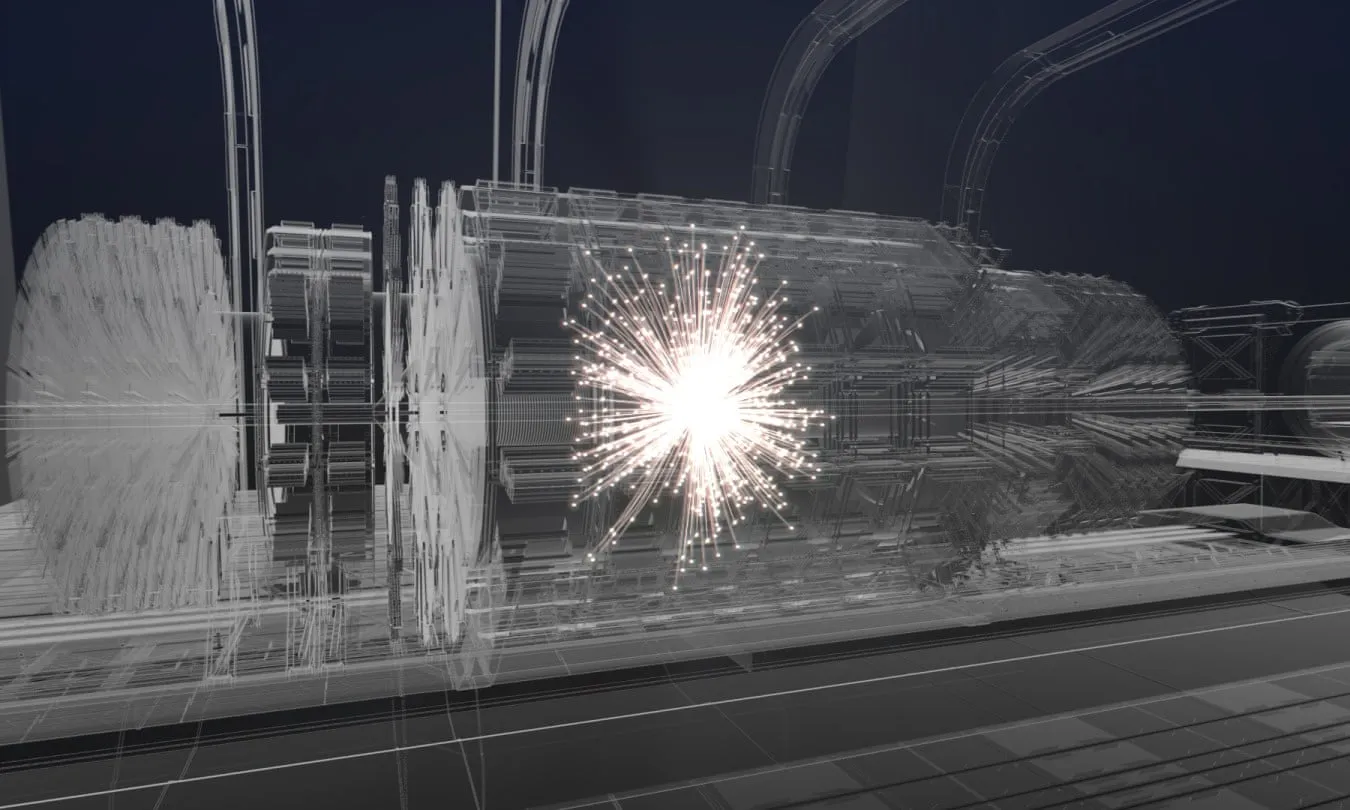
Higgs physics at future colliders In her article, Caterina Vernieri, reviews the potential of proposed future colliders to study the Higgs boson and further explore the electroweak sector beyond the LHC following her presentation on the Higgs 2020 conference. Caterina, is a member of the ATLAS collaboration (previously CMS 2012-2018) and co-convener of the Higgs
-
Accelerating for dark discoveries
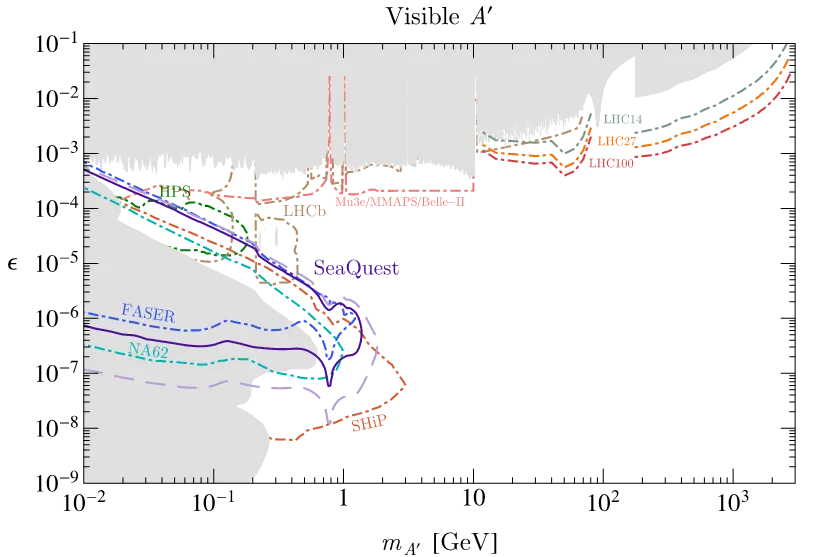
Accelerating for dark discoveries Cosmological and astrophysical observations indicate that the Standard Model (SM) particles account for less than 5% of the total energy density of our Universe, while the remaining unknown 95% arises from the so-called dark energy and dark matter (DM). The existence of dark matter is inferred from its gravitational effects, but
-

Exploring the physics opportunities of FCCs
Exploring the physics opportunities of FCCs The 4th FCC Physics and Experiments workshop is part of the FCC Innovation Study Kickoff event, which will address the mandate issued by the update of the European Strategy for Particle Physics: “Europe, together with its international partners, should investigate the technical and financial feasibility of a future hadron
-
FCC software workshops and hands-on tutorials
FCC software workshops and hands-on tutorials In October 2019, the first FCC Software Workshop and Hands-on Tutorial was held at CERN by the EP-SFT group in collaboration with the FCC study coordination group. Following its success a second edition was held during the last FCC physics workshop (January 2020). The purpose of these events is