
Tag: Interviews and Features
-
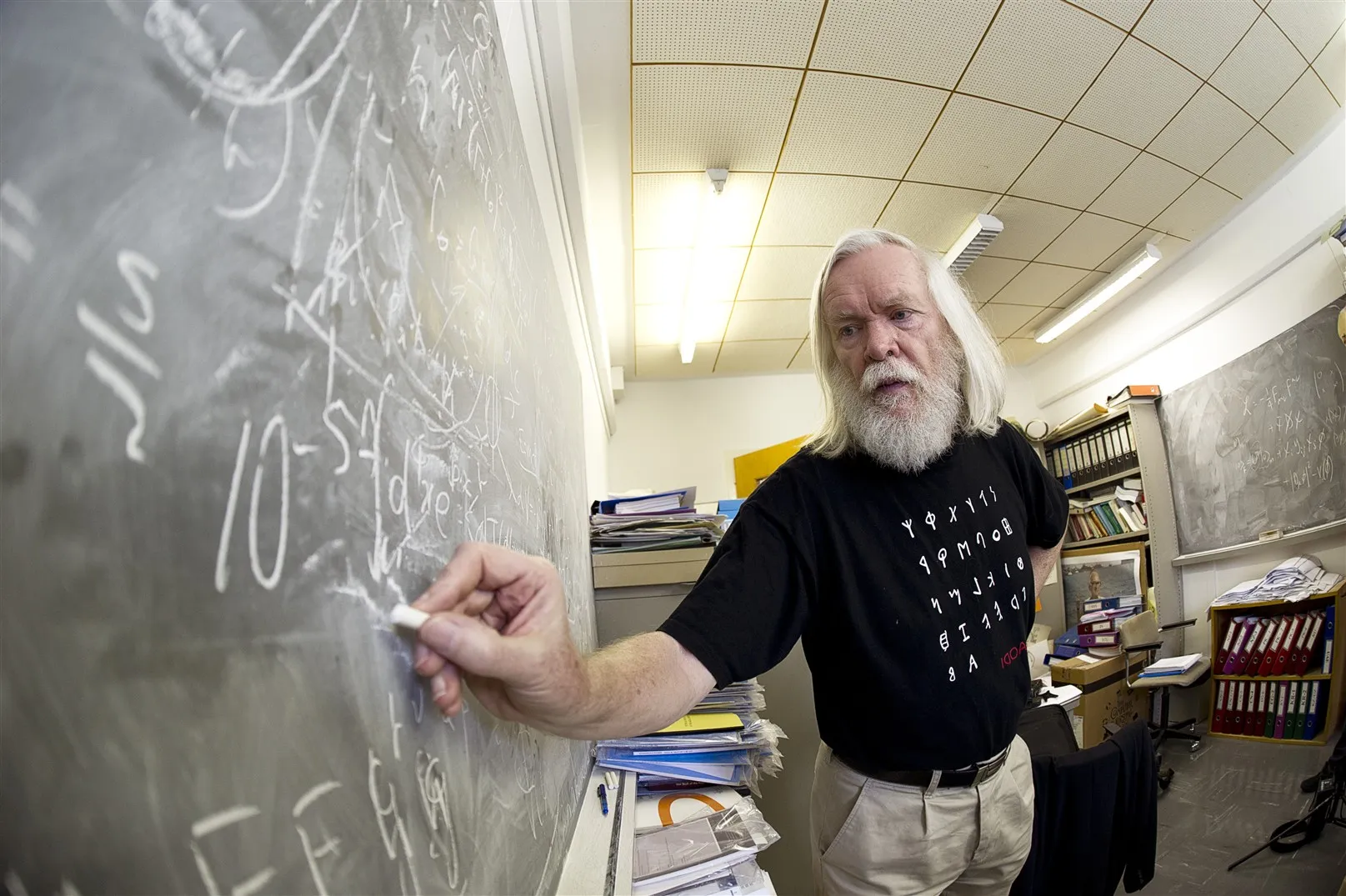
In discussion with John Ellis: The Higgs, Patience and Perseverance in Science
In discussion with John Ellis: The Higgs, Patience and Perseverance in Science For John Ellis, the history of the Higgs boson is not a neat, short story that begins with a theory paper and ends with a discovery announcement. It is a long intellectual adventure, beginning in superconductivity, moving through the construction of the electroweak
-
EP R&D Day 2026: technologies for the next generation of experiments
EP R&D Day 2026: technologies for the next generation of experiments On 29 April 2026, colleagues from across CERN’s Experimental Physics Department gathered for the annual meeting dedicated to the strategic EP R&D programme on technologies for future experiments. The programme offered a broad update on progress achieved over the past year, bringing together developments
-
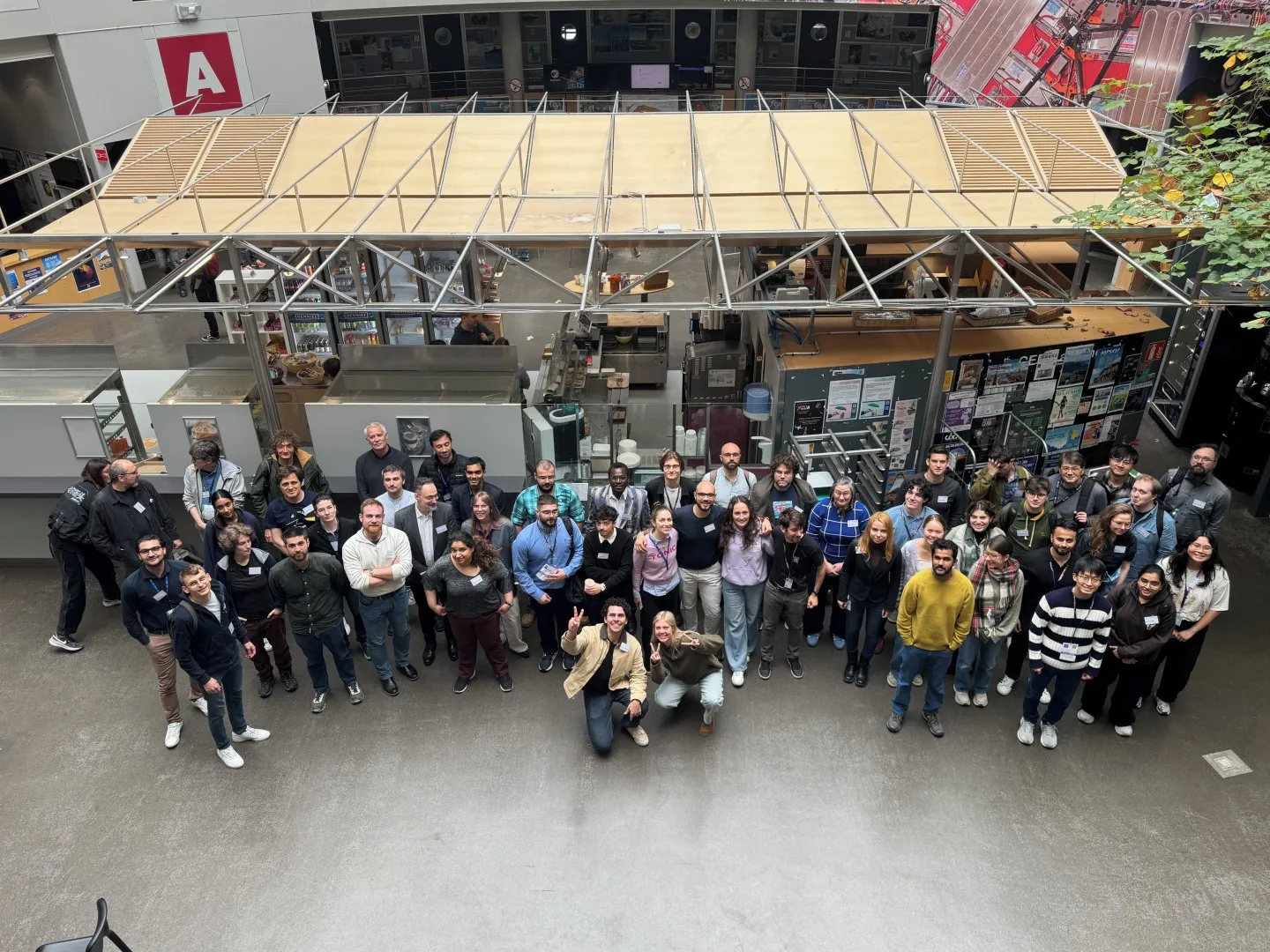
AI for Gravitational Waves: Building Bridges Between Scientific Communities
AI for Gravitational Waves: Building Bridges Between Scientific Communities As gravitational-wave observatories enter a new phase of sensitivity, scale and scientific ambition, the challenge is no longer only to detect faint ripples in spacetime. It is also to analyse, interpret and respond to them fast enough to open new windows on the Universe. This was
-
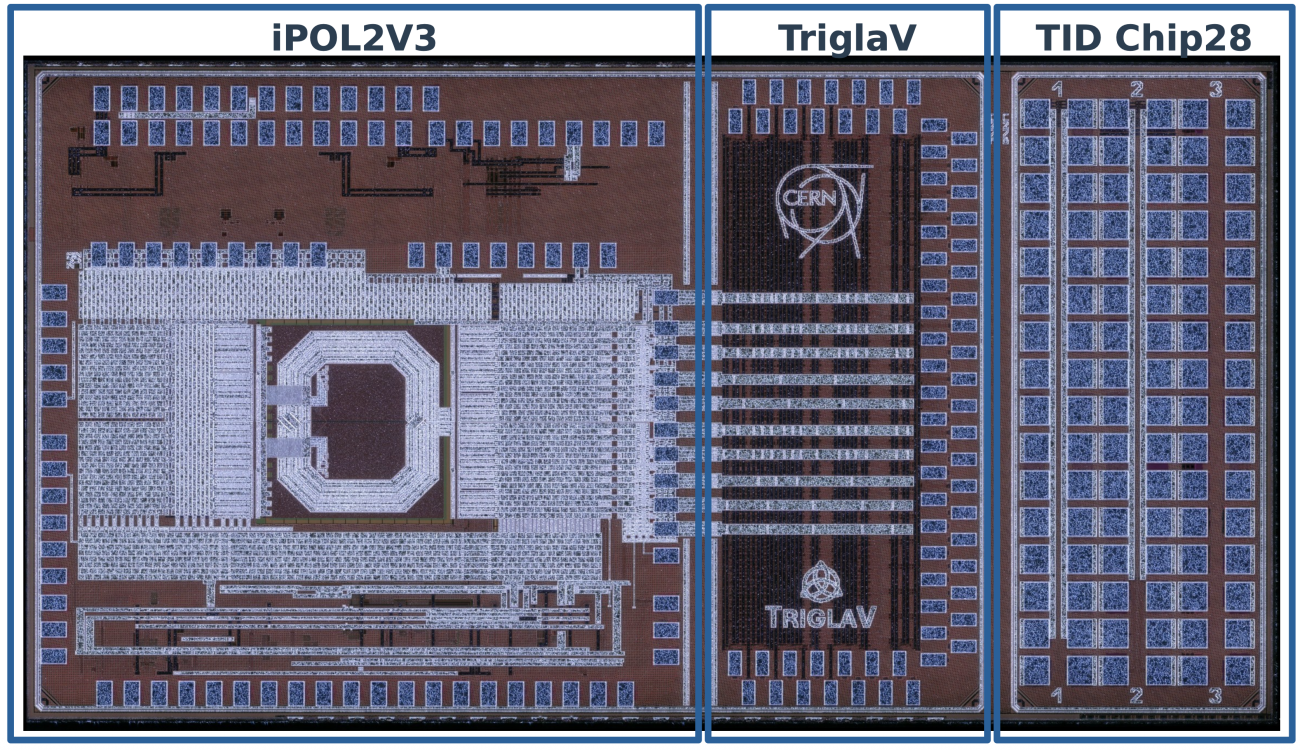
Building a Microelectronics Foundation for Tomorrow’s Detectors
Building a Microelectronics Foundation for Tomorrow’s Detectors The challenge: smarter chips in harsher places Particle physics detectors have always pushed electronics to their limits. The next generation of tracking systems and calorimeters will depend critically on dense, intelligent, low power and radiation-hard microelectronics: front-end ASICs that can survive for decades in harsh environments, having their
-
BASE experiment scientist recognised with UPAP Early Career Scientist for coherent antiproton spin spectroscopy
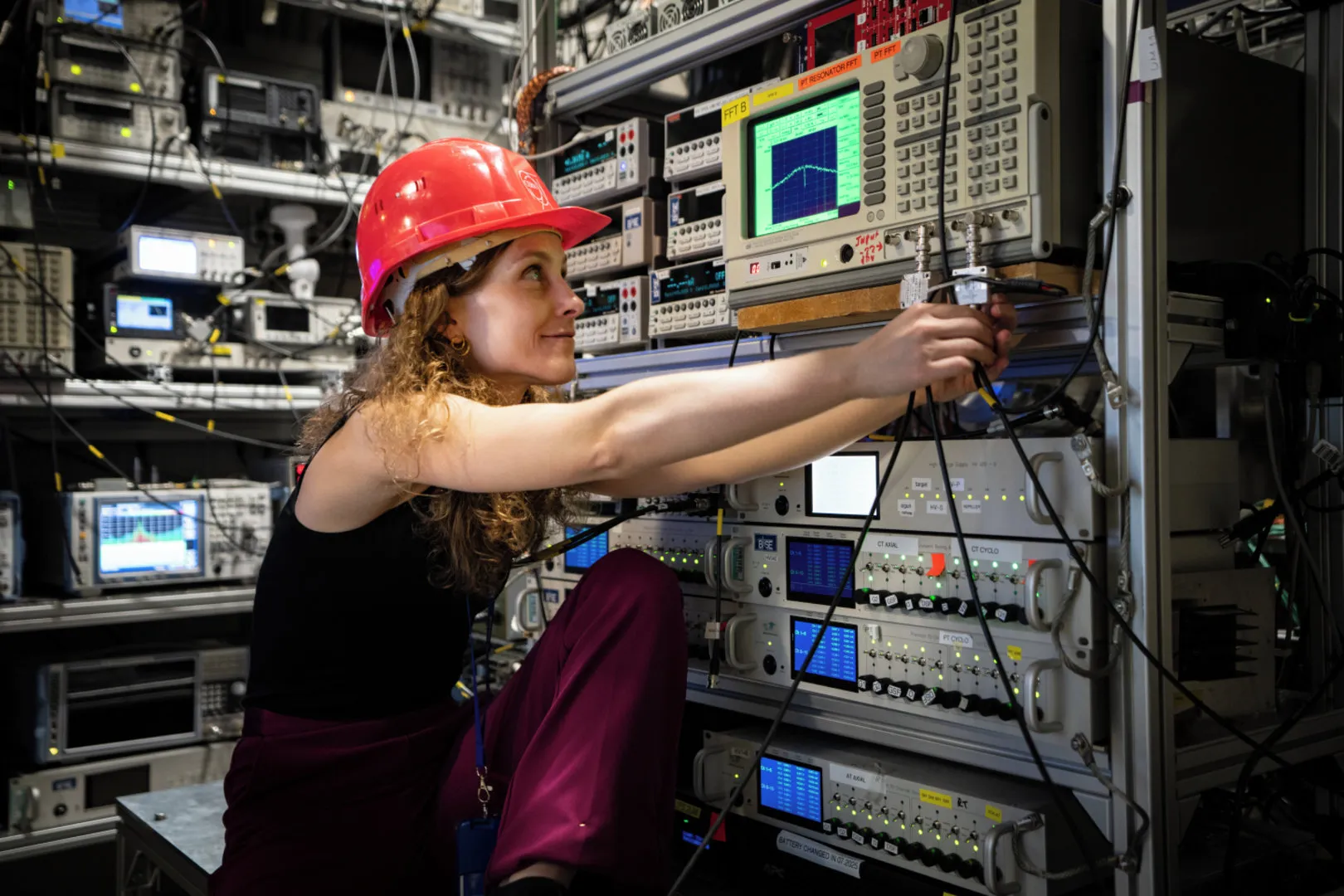
BASE experiment scientist recognised with UPAP Early Career Scientist for coherent antiproton spin spectroscopy Dr Barbara Maria Latacz, CERN scientist and lead author of the BASE study, works on the trap electronics used to control single antiprotons for high-precision antimatter measurements. Barbara Latacz, CERN research scientist and technical coordinator of the BASE experiment, has received
-
Rucio crosses the exabyte horizon
Rucio crosses the exabyte horizon When we last wrote in these pages about Rucio, ATLAS had just passed the half-exabyte mark and the community counted around thirty organisations. Six years on, a threshold that was then a distant projection has been crossed: both ATLAS and CMS, the two largest LHC experiments, now each manage more
-
MOSAIX: Designing bent wafer-scale monolithic pixel sensors for the ALICE ITS3 upgrade
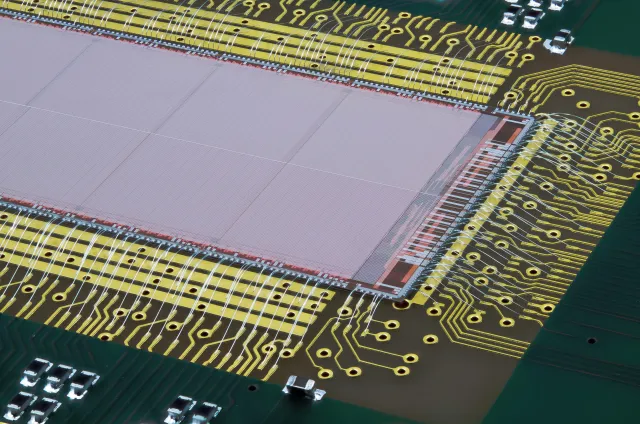
MOSAIX: Designing bent wafer-scale monolithic pixel sensors for the ALICE ITS3 upgrade The ALICE detector is preparing a major upgrade to its Inner Tracking System (ITS) during LHC long shutdown 3 (2026-2030). This upgrade, called ITS3, will replace the three innermost tracking layers with three layers of cylindrical, 50 µm thick, 27 cm long, silicon
-

ATLAS scales up AI for jet physics and reveals flavour-tagging scaling laws
ATLAS scales up AI for jet physics and reveals flavour-tagging scaling laws High Energy Physics (HEP) and Machine Learning (ML/AI) are uniquely aligned: The data recorded by particle physics experiments are so rich, heterogeneous and complicated that scientists crucially depend on advanced pattern recognition in order to extract physics results. It’s for this reason that
-
PUMA – Antiprotons as a precision probe for the tail of nuclear density
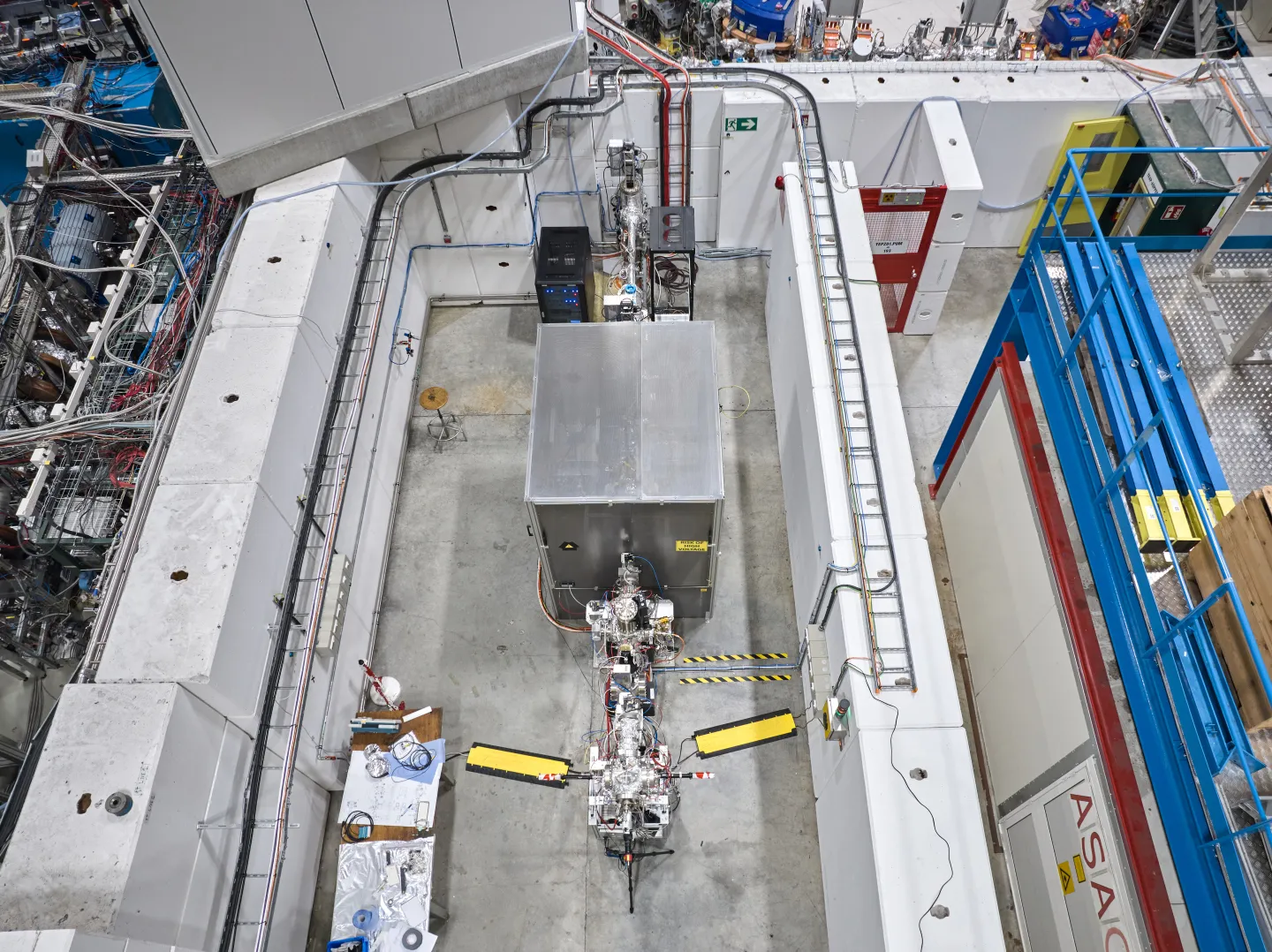
PUMA – Antiprotons as a precision probe for the tail of nuclear density Understanding the nuclear structure of atomic nuclei away from the valley of stability remains one of the central challenges of nuclear physics and astrophysics. In particular, the dilute outer regions of neutron-rich nuclei can exhibit phenomena such as neutron halos and neutron
-
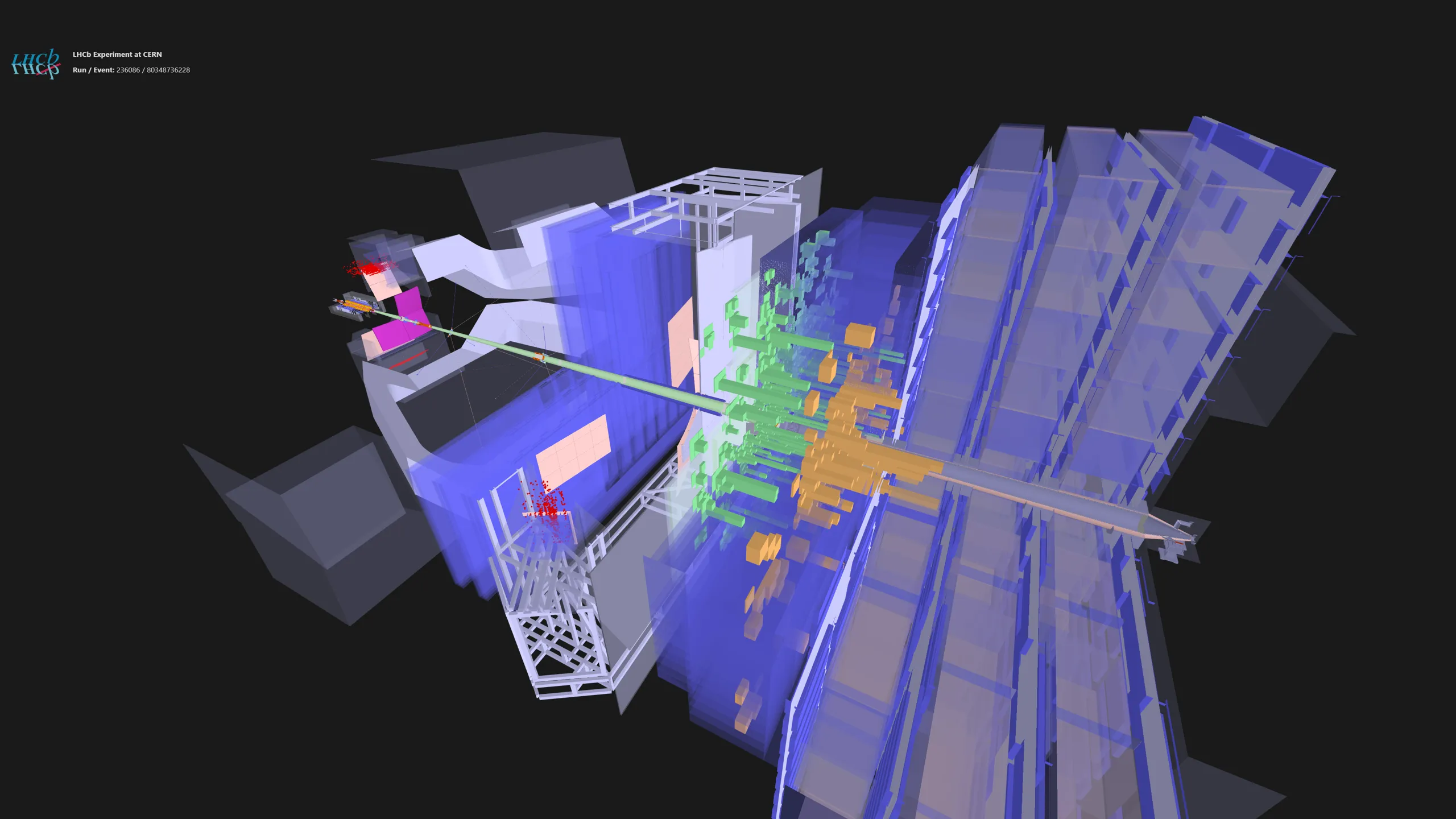
From top quarks to Higgs bosons: LHCb’s expanding jet programme
From top quarks to Higgs bosons: LHCb’s expanding jet programme Over the past decade, LHCb has steadily evolved from a detector primarily associated with heavy-flavour physics into a broader forward spectrometer able to address an increasingly diverse set of questions in Standard Model and beyond-the-Standard-Model physics. Two recent papers illustrate that evolution particularly well. One