
Tag: INTERVIEWS
-
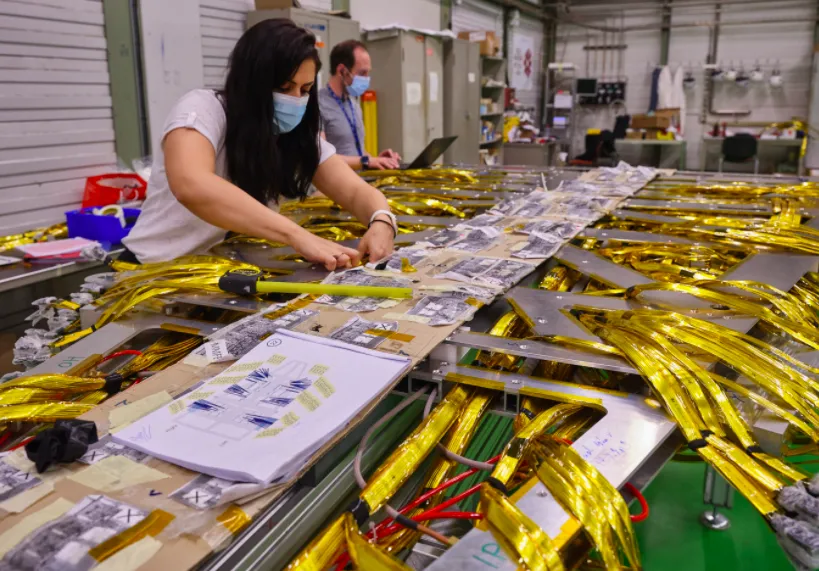
Setting a roadmap for R&D on Detector Technologies
Setting a roadmap for R&D on Detector Technologies Research is a global game, yet to be successful requires coordination at regional, national and international level. The success of the LHC programme highlights the role of open-door policies and diverse bottom-up community initiatives in technological R&D for the efficient construction and operation of the accelerator and
-
CERN launches Quantum Technology Initiative
CERN launches Quantum Technology Initiative CERN has recently launched its Quantum Technology Initiative (QTI) to coordinate its contribution in the rapidly advancing landscape of quantum technologies and coordinate activities with other global players in the field. We discussed with Michael Doser, co-coordinator of the quantum sensing strand of the QTI and the EP Department’s representative,
-
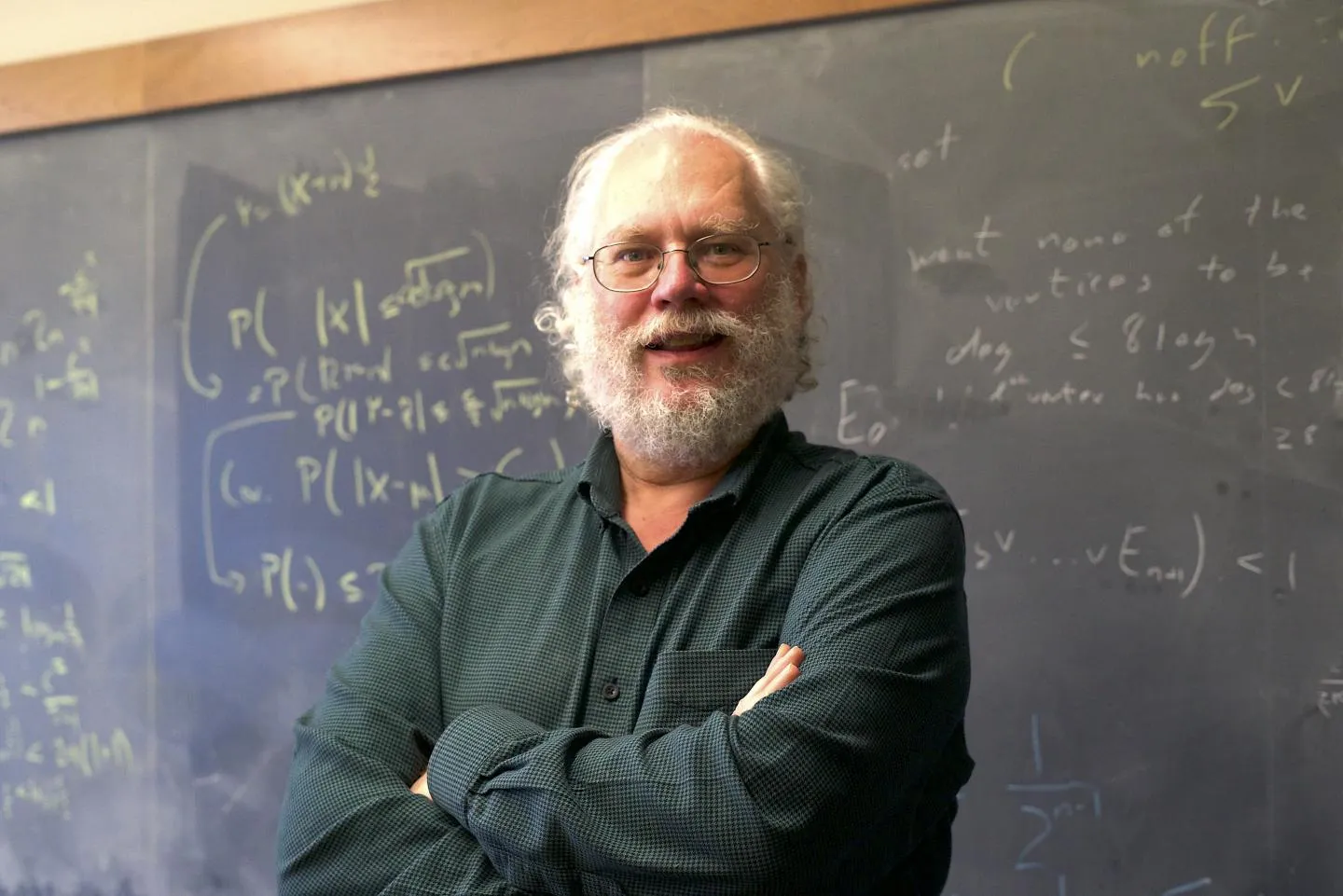
Interview with Peter Shor
Interview with Peter Shor Peter Shor has carried out pioneering work in combinatorial analysis and the theory of quantum computing. He received worldwide recognition in 1994 when he presented a computational method for “factoring large numbers” which, theoretically, could be used to break many of the existing coding systems. The discovery of Shor’s algorithm along
-
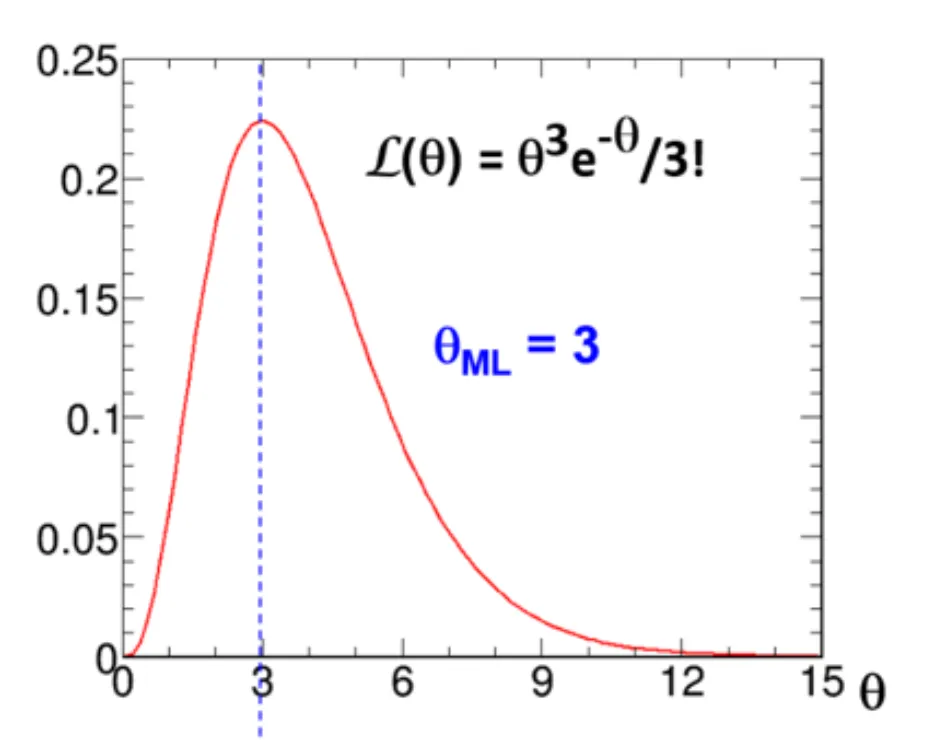
What is the likelihood function, and how is it used in particle physics?
What is the likelihood function, and how is it used in particle physics? In statistical data analysis, “likelihood” is a key concept that is closely related to, but crucially distinct from, the concept of “probability”, which is often a synonym in everyday English. In this article, I first lay some necessary foundations for defining likelihood,
-
Systematic uncertainties: the new target of Machine Learning for HEP
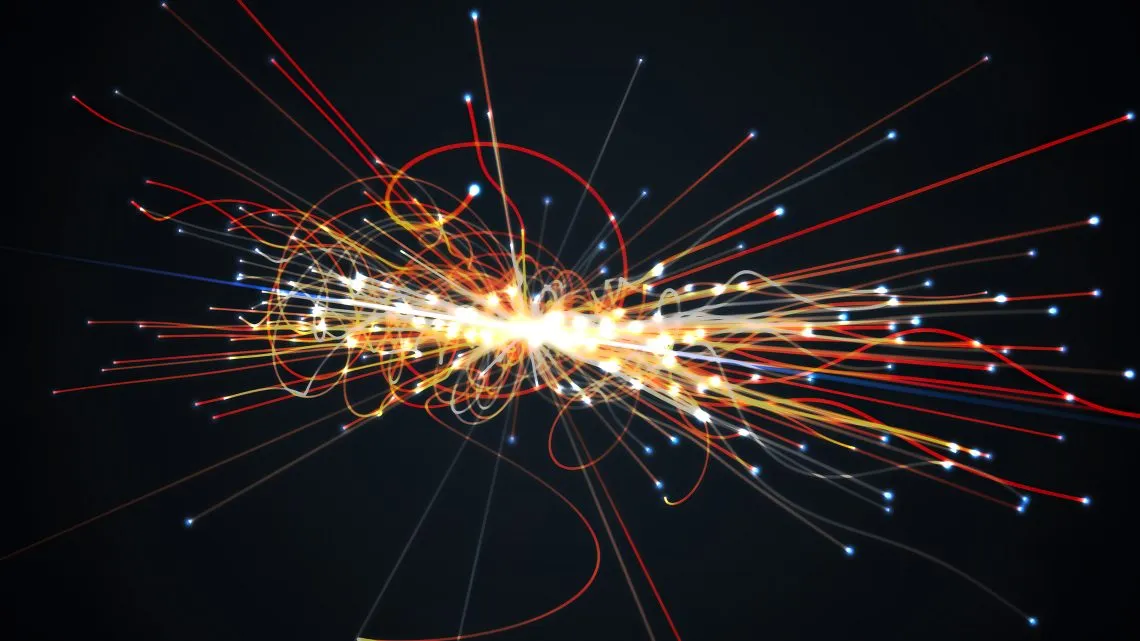
Systematic uncertainties: the new target of Machine Learning for HEP The accurate measurement of physical constants is one of the main goals of research in subnuclear physics. On one side, it improves our ability to represent physical reality through our theoretical models, which opens the way to more stringent tests of our understanding of Nature;
-
Beyond the Standard Model Explanations of GW190521
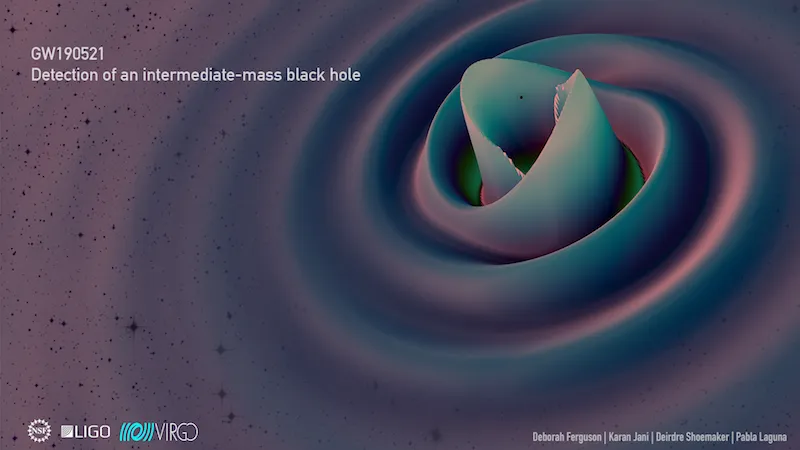
Beyond the Standard Model Explanations of GW190521 Earlier this month the LIGO and Virgo gravitational wave observatories announced the discovery of GW190521, an exceptional and extraordinary signal. Seven billion years ago — a little over half the age of the universe — at the other end of the universe, two black holes spiraled into each
-
A timeline of the EP newsletter
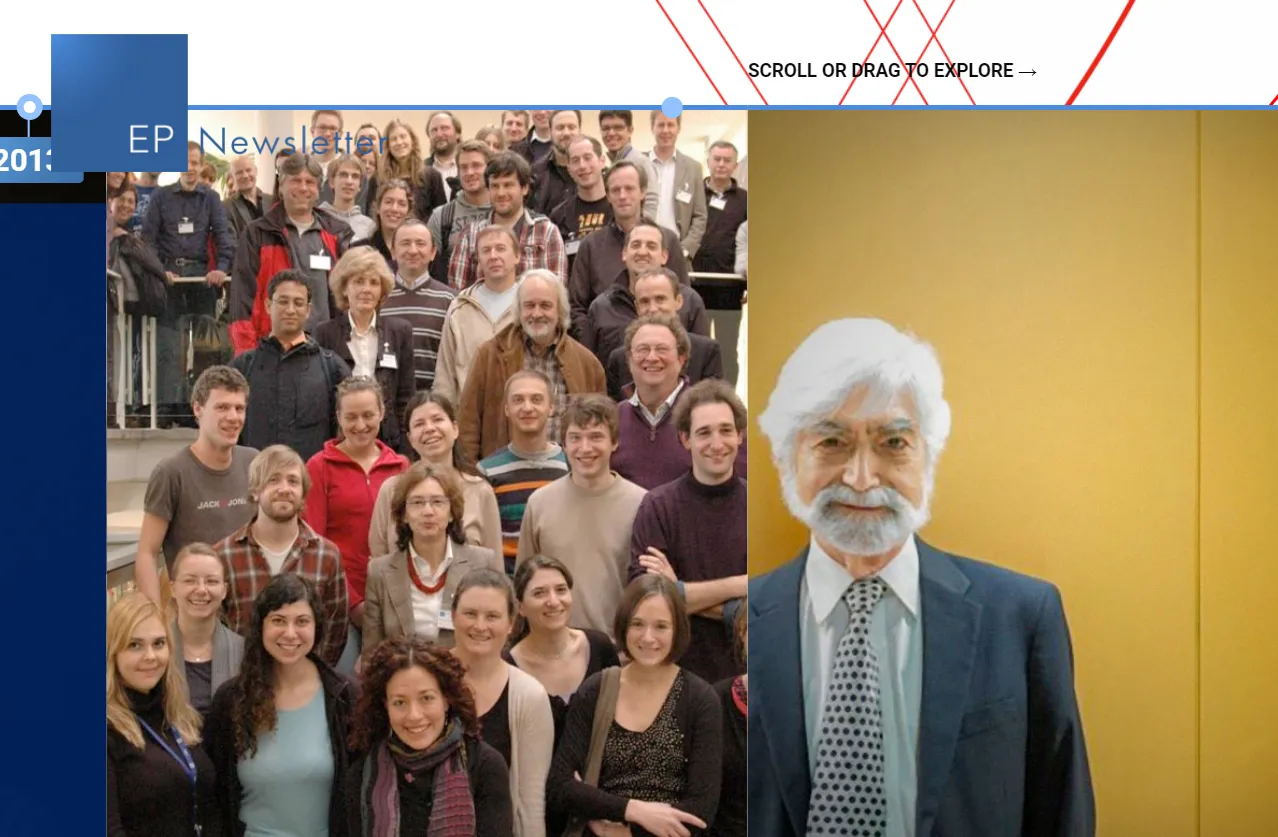
A timeline of the EP newsletter Since its establishment, CERN's Experimental Physics department (EP) produces cutting-edge research supporting the activities of the laboratory and serving the international particle physics community. Since its establishment, EP continuously provides resources and expertise in devising, designing and building new tools that will enable the particle physics community to further
-
Interview with Andrei Linde
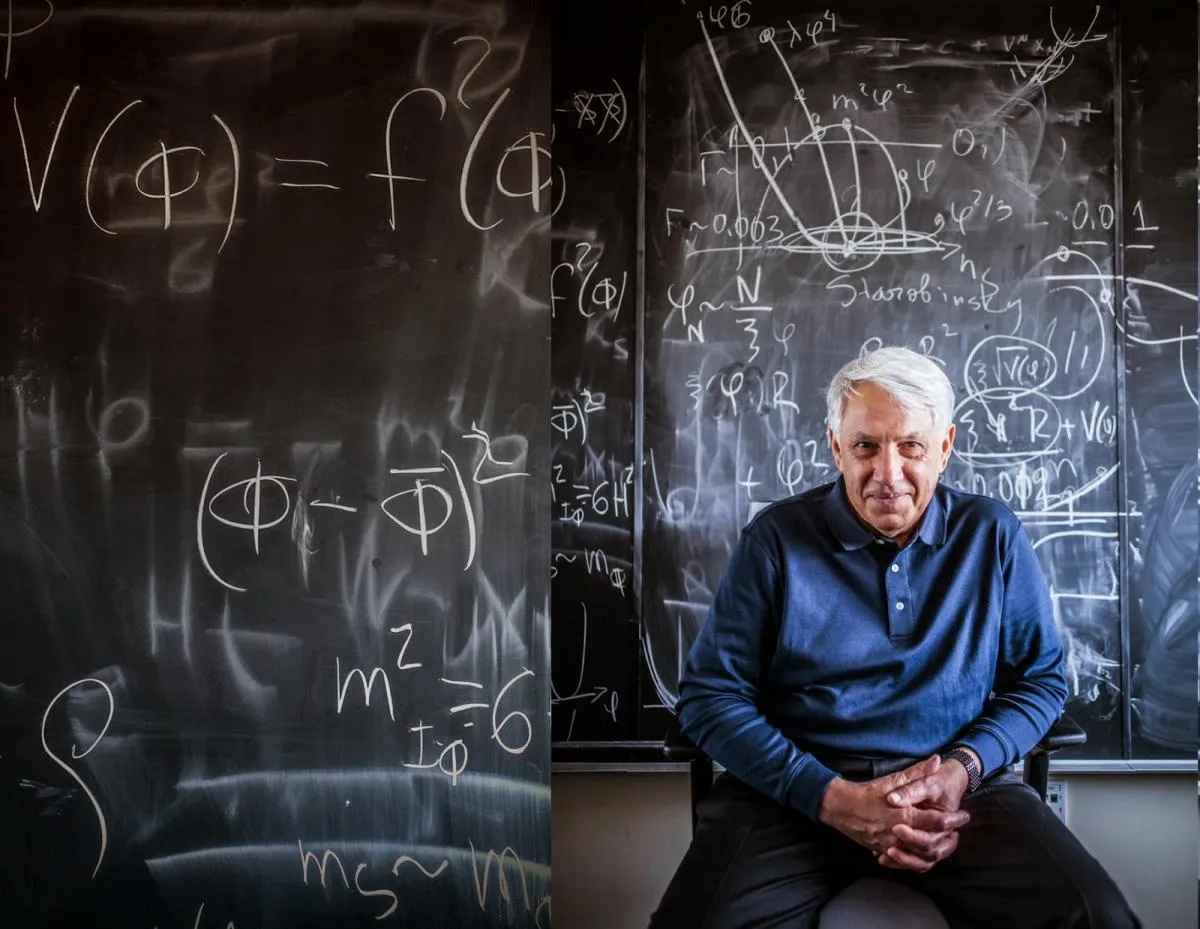
Interview with Andrei Linde Andrei Linde is Harold Trap Friis Professor of Physics at Stanford University and one of the most influential cosmologists of our time. Linde is one of the authors of the inflationary universe scenario, which is gradually becoming the standard paradigm of modern cosmology, replacing the previous versions of the big bang
-
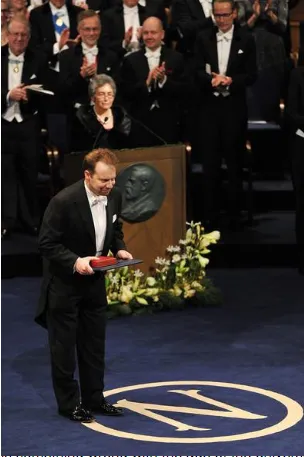
An interview with Nobel Laureate Adam Riess
An interview with Nobel Laureate Adam Riess An interview with Nobel Laureate Adam Riess (Professor of Astronomy and Physics at the Johns Hopkins University) who was jointly awarded the 2011 Nobel Prize for Physics, with Saul Perlmutter and Brian P. Schmidt, for discovering the accelerated expansion of the Universe. The acceleration of the universe is
-

Interview Shep S. Doeleman, Event Horizon Telescope Director
Interview Shep S. Doeleman, Event Horizon Telescope Director “We have taken the first picture of a black hole! This is an extraordinary scientific feat accomplished by a team of more than 200 researchers” with these words, the Event Horizon Telescope (EHT) project director Sheperd S. Doeleman of the Center for Astrophysics | Harvard & Smithsonian