
Tag: News from the experiments
-
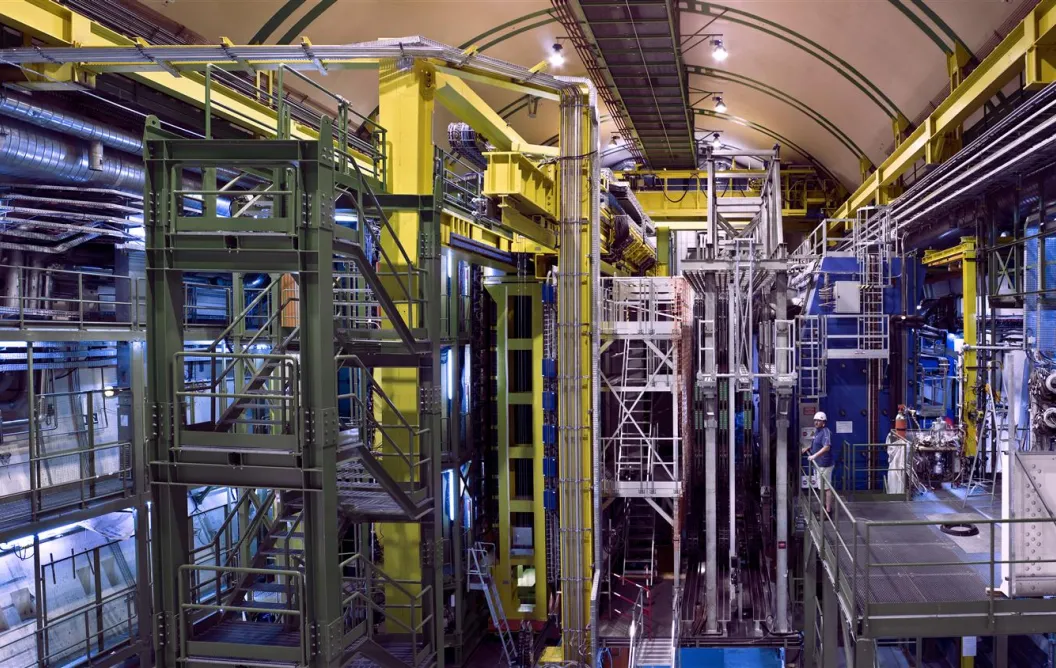
LHCb in the hunt of tetraquarks
LHCb in the hunt of tetraquarks In 2003, the Belle collaboration reported the observation of an unexpected new particle, showing up in the mass spectrum of J/ψ π π candidated. Its mass was somewhat close to the value expected for the yet unobserved χc1(2P) charmonium, but its width was extremely narrow and completely dominated by
-
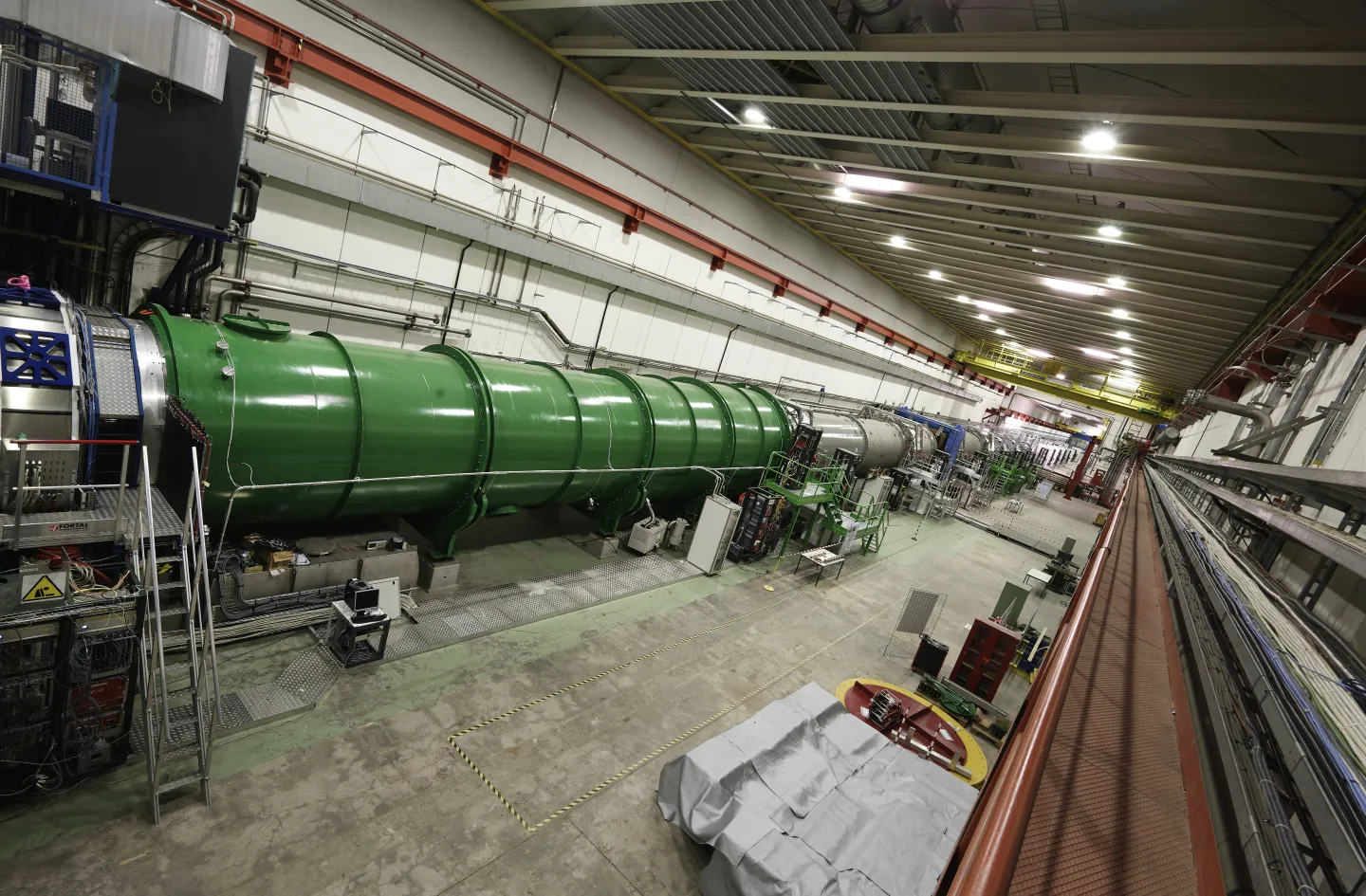
NA62 experiment at CERN reports first evidence for ultra-rare process sensitive to new physics
NA62 experiment at CERN reports first evidence for ultra-rare process sensitive to new physics The CERN NA62 collaboration presented at the ICHEP 2020 conference the first significant experimental evidence for the ultra-rare decay of the charged kaon into a charged pion and two neutrinos (K+ -> π+νν). The decay process is very sensitive to deviations
-
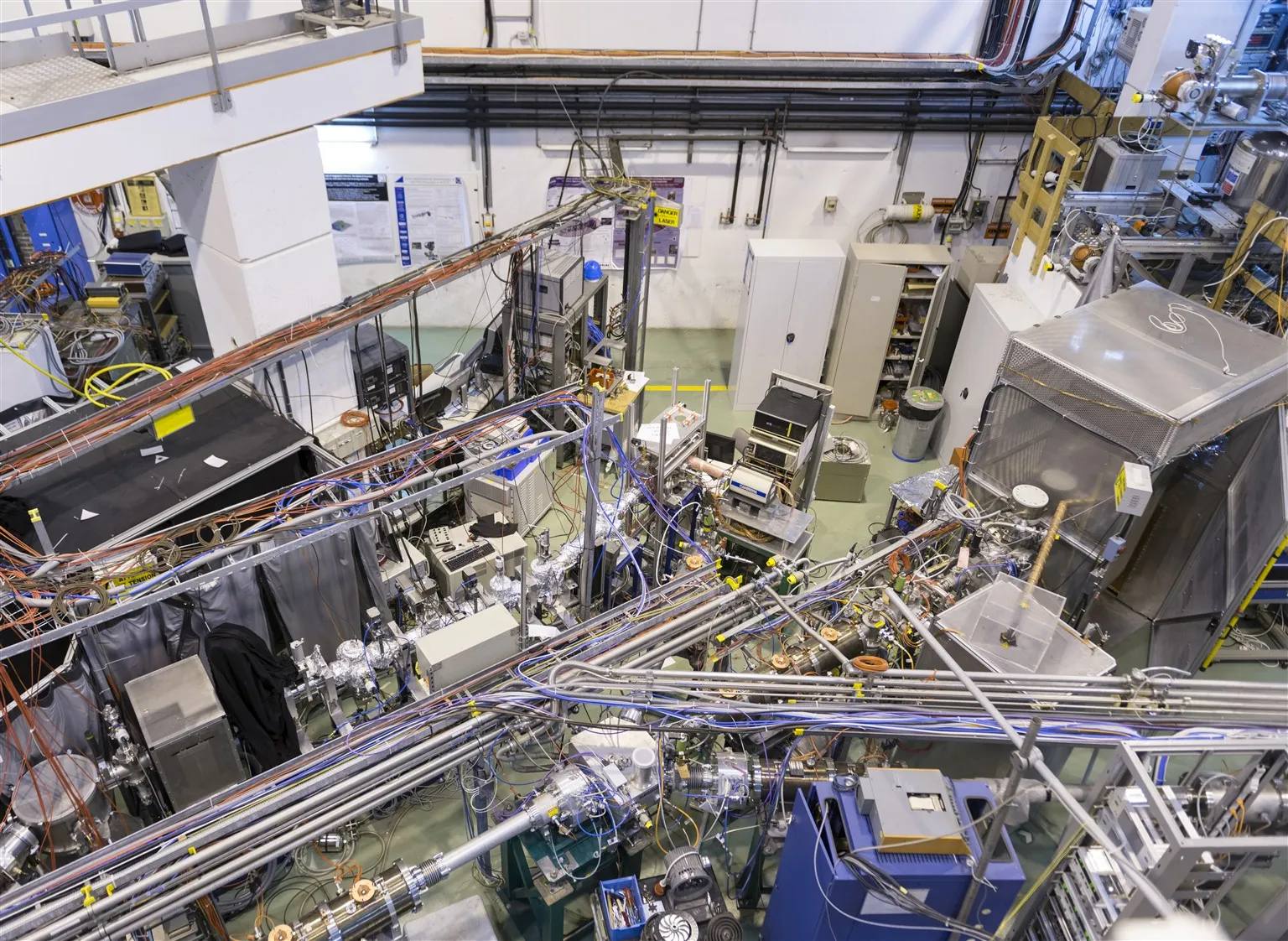
Pinpointing the structure of the SnV centre in diamond using emission channelling at ISOLDE
Pinpointing the structure of the SnV centre in diamond using emission channelling at ISOLDE Diamond – beyond its allure as a jewel – exhibits an array of unique physical characteristics such as its hardness, the highest room thermal conductivity of any material (while being electrically insulating when undoped); it can also be doped to produce
-
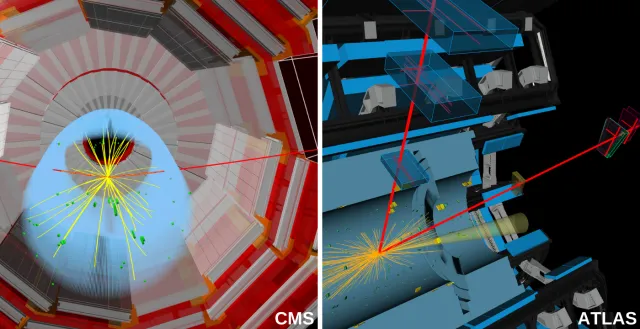
CERN experiments find first evidence for rare Higgs boson decay
CERN experiments find first evidence for rare Higgs boson decay The strength of the interaction between the Higgs field and a particle determines the mass it obtains from the Higgs and it is a mystery why the interaction strength is different for different particles. This puzzle is exacerbated as the leptons, quarks and neutrinos appear
-
LHC experiments ramp-up activities
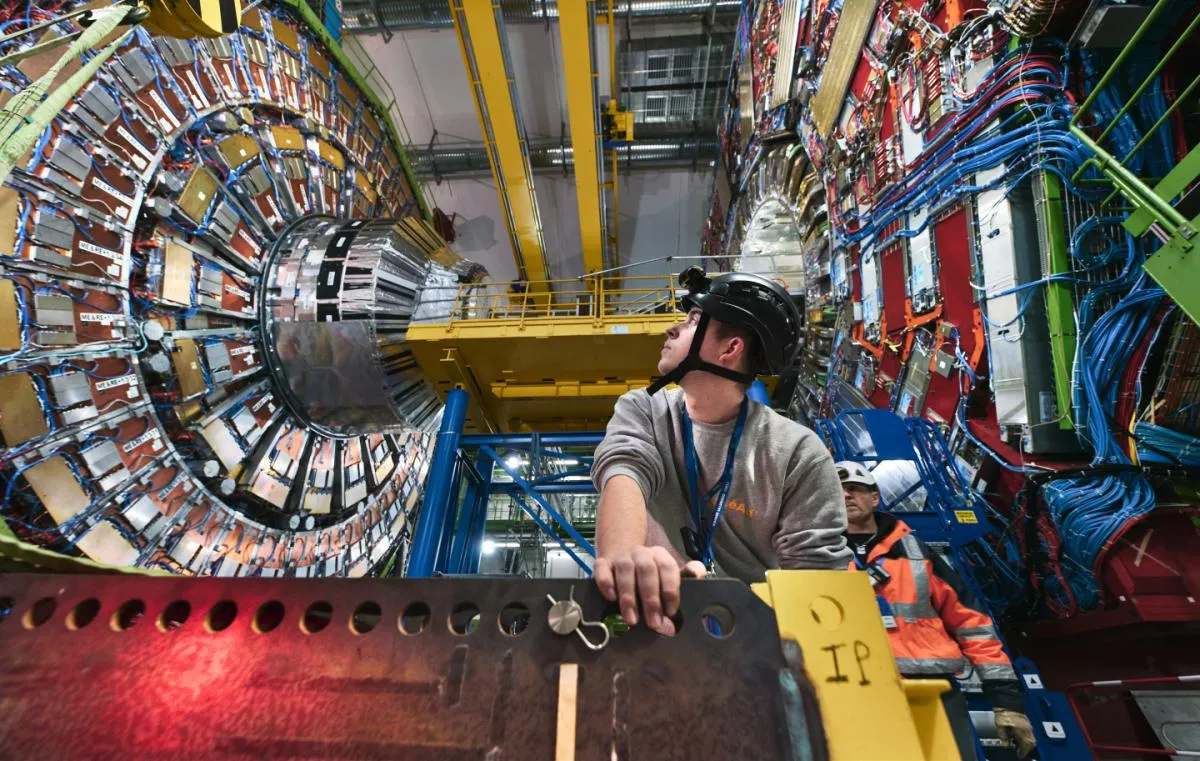
LHC experiments ramp-up activities Around the world,research centres, laboratories and universities have closed as a response to the COVID-19 pandemic — forcing an increasing number of researchers to work from home. Researchers teleworking coordinated with colleagues who had to continue working in the lab to ensure continuation of critical activities as well as a smooth
-
LHCb adopts GPUs in Run 3 trigger
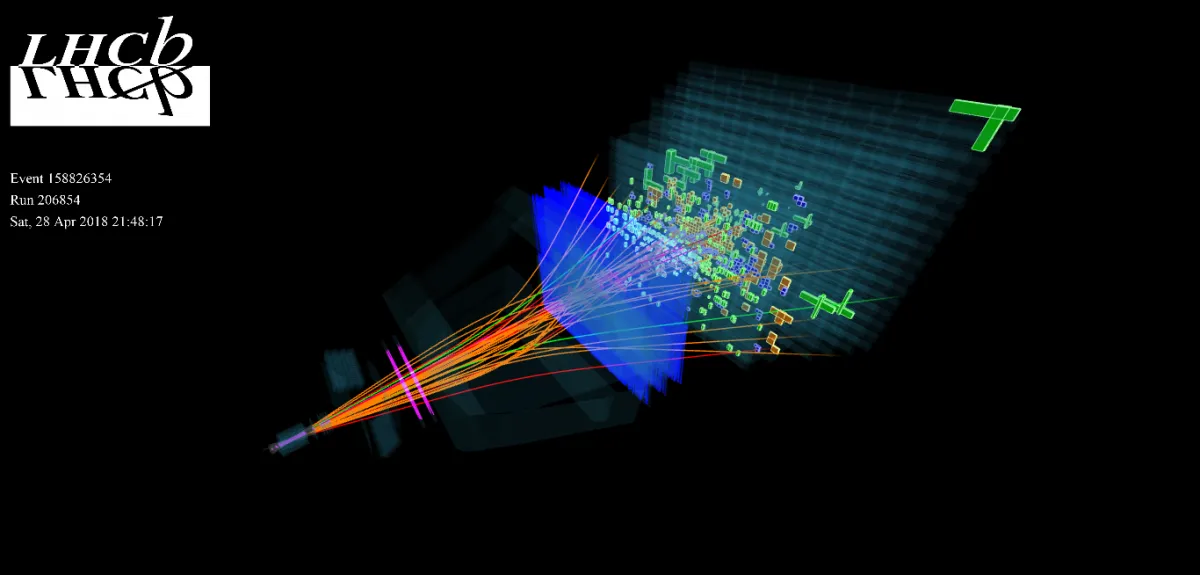
LHCb adopts GPUs in Run 3 trigger The LHCb experiment is currently being upgraded to continue its study of beauty and charm hadrons at a five times higher instantaneous luminosity in LHC Run 3 that is now set to start in 2022. At the increased luminosity, these hadrons are produced so abundantly that selections based
-
CLOUD experiment makes its own clouds to study
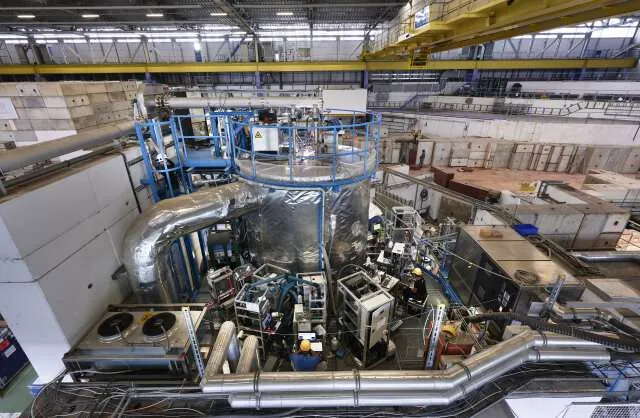
CLOUD experiment makes its own clouds to study The Intergovernmental Panel on Climate Change (IPCC) recognizes aerosols (small nanometer to micrometer sized particles suspended in air) as the single biggest source of uncertainty in human-driven climate change. Atmospheric aerosol particles are important as they can cool the climate by i) reflecting sunlight and ii) by
-
Exotic radioactive molecules could reveal physics beyond the Standard Model
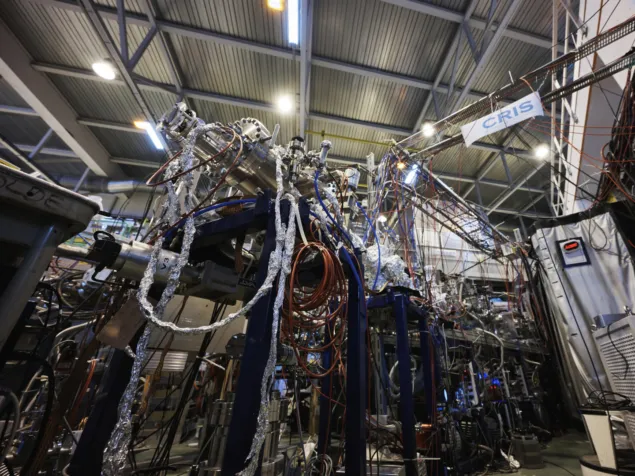
Exotic radioactive molecules could reveal physics beyond the Standard Model The first spectroscopic study of radium monofluoride (RaF) suggests that these radioactive molecules can be used to perform high precision tests of the Standard Model of particle physics. The study was done at ISOLDE, CERN’s radioactive beam facility, by an international team of physicists and
-
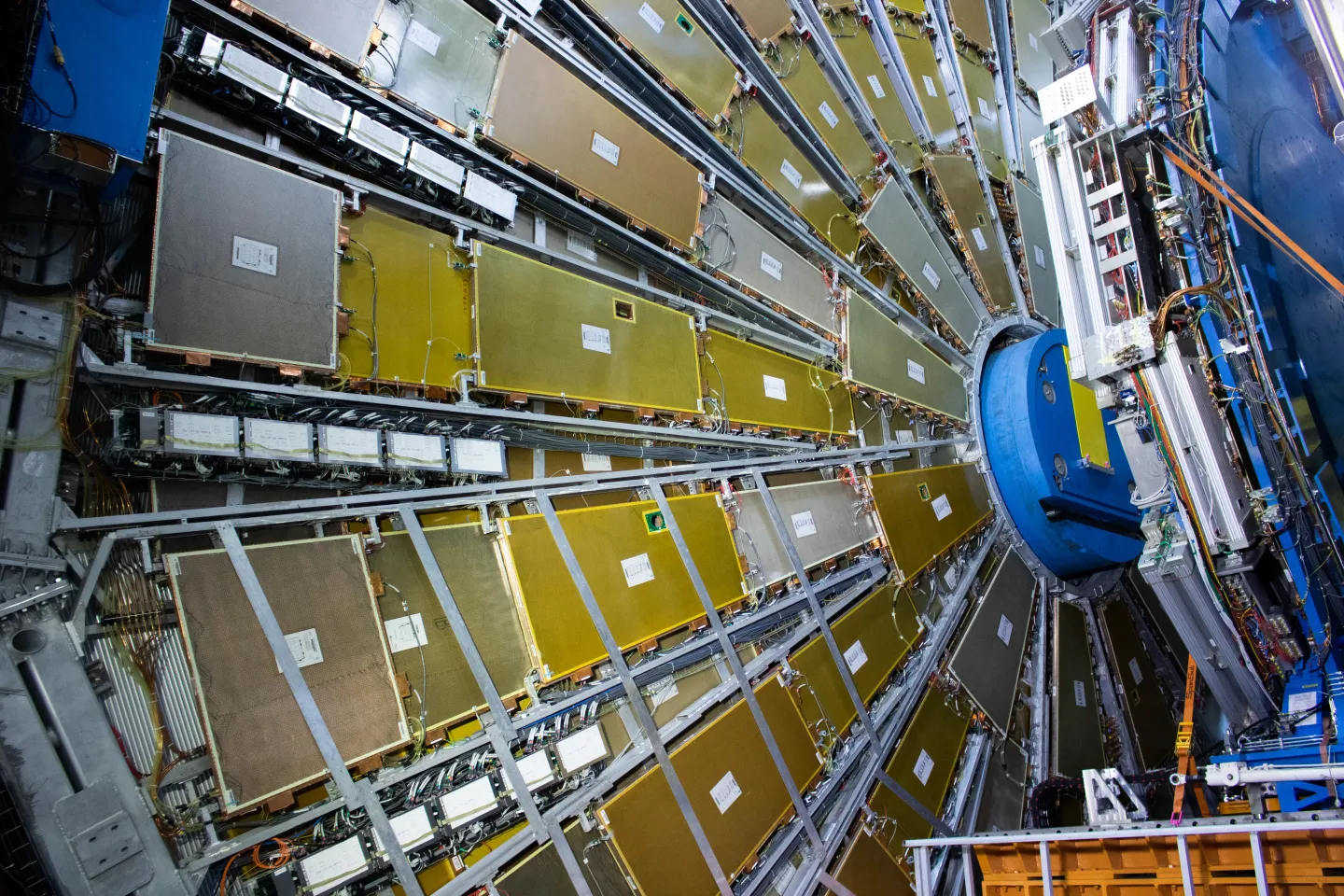
ATLAS experiment revamps activities
ATLAS experiment revamps activities ATLAS entered the COVID-19 lock down on the 17th of March 2020; the closing of the activities was very fast and efficient. During the lock down, still many activities were performed remotely, among them the development of the firmware for two of the major Phase-I upgrade projects: the New Small Wheel
-
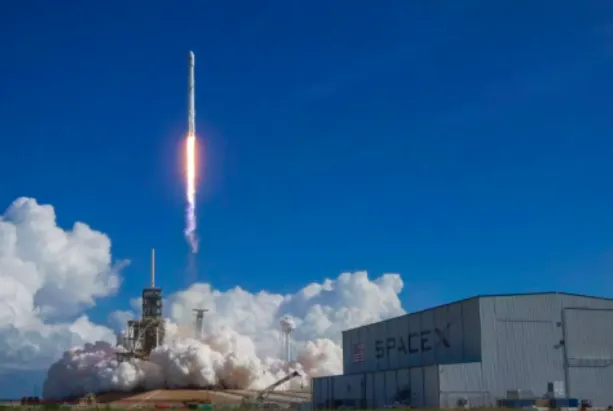
RECAST: A framework for reinterpreting physics searches at the LHC
RECAST: A framework for reinterpreting physics searches at the LHC On 22 of December 2015 a SpaceX rocket launched towards space delivering satellites to low Earth orbit and then, instead of being lost to the depths of the ocean, the rocket’s first stage — the most expensive component of a rocket — returned back to