
Tag: SME
-
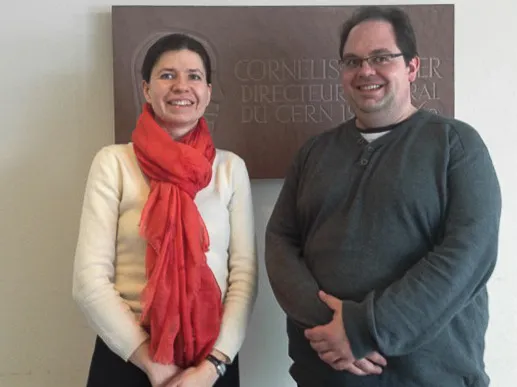
ERC rewards CERN researchers
ERC rewards CERN researchers The ERC fosters scientific excellence in Europe through competitive funding. Its grants are awarded to projects headed by researchers – both beginning-of-career and established – via an open, peer-reviewed competition. In December 2014, Magdalena Kowalska and Claude Duhr were awarded grants to pursue research in ultra-sensitive nuclear magnetic resonance (NMR) in
-

Celebrating ISOLDE’s 50th anniversary
Celebrating ISOLDE's 50th anniversary On the 17th December 1964, Victor Frederick Weisskopf, who was strongly supporting diversity in CERN's scientific programme, gave the green light to a proposal for an isotope separator on-line with the CERN synchro-cyclotron, marking the beginning of ISOLDE's journey. The plan was to construct a first class facility to produce radioactive
-
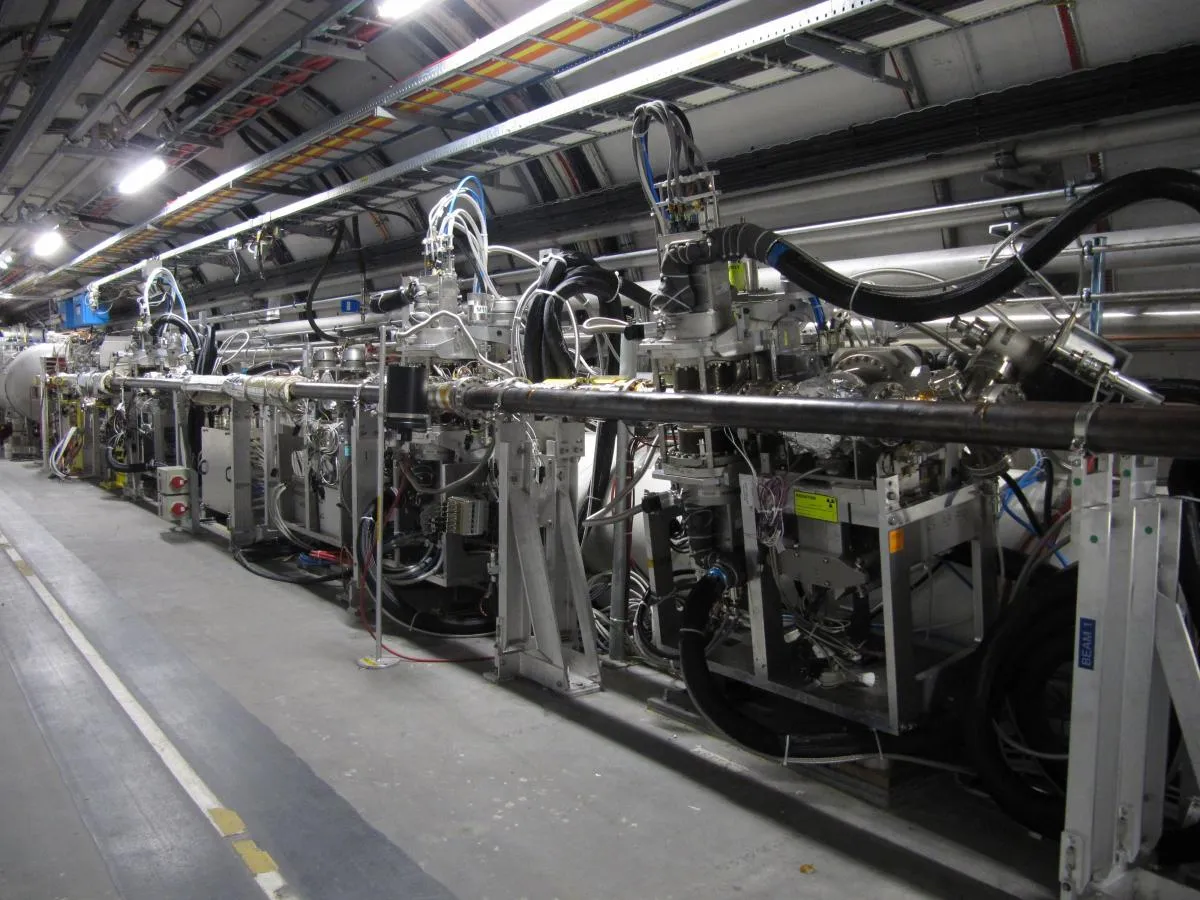
TOTEM Setting Out towards New Discovery Horizons
TOTEM Setting Out towards New Discovery Horizons With the first LHC long shutdown approaching its end, TOTEM is looking back on a busy year marked on one hand by Run-1 data analysis culminating in 3 publications and more in progress, and on the other hand by a major consolidation and upgrade of its Roman Pot
-
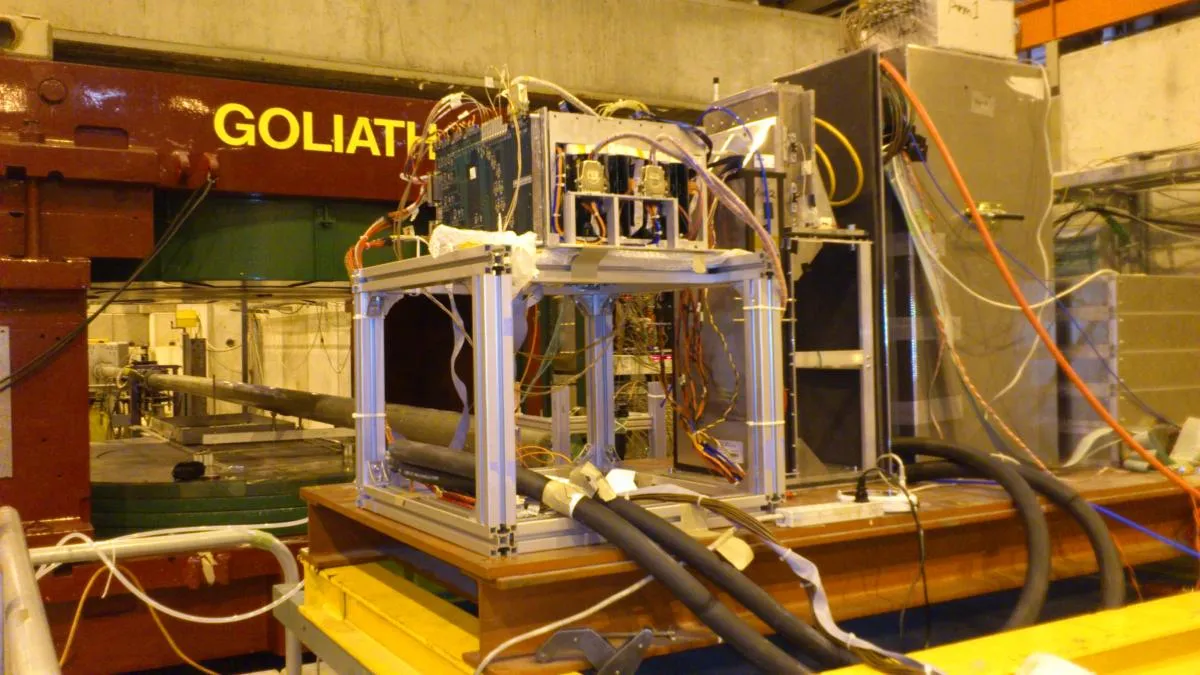
Final tests for the LHCf detector
Final tests for the LHCf detector LHCf is the LHC experiment dedicated to measuring neutral particles such as gamma-rays or neutrons at the very forward region of LHC IP1, in order to verify hadronic interactions of ultra-high energy cosmic rays. The experiment consists of two compact detectors, Arm1 and Arm2, having a pair of small
-
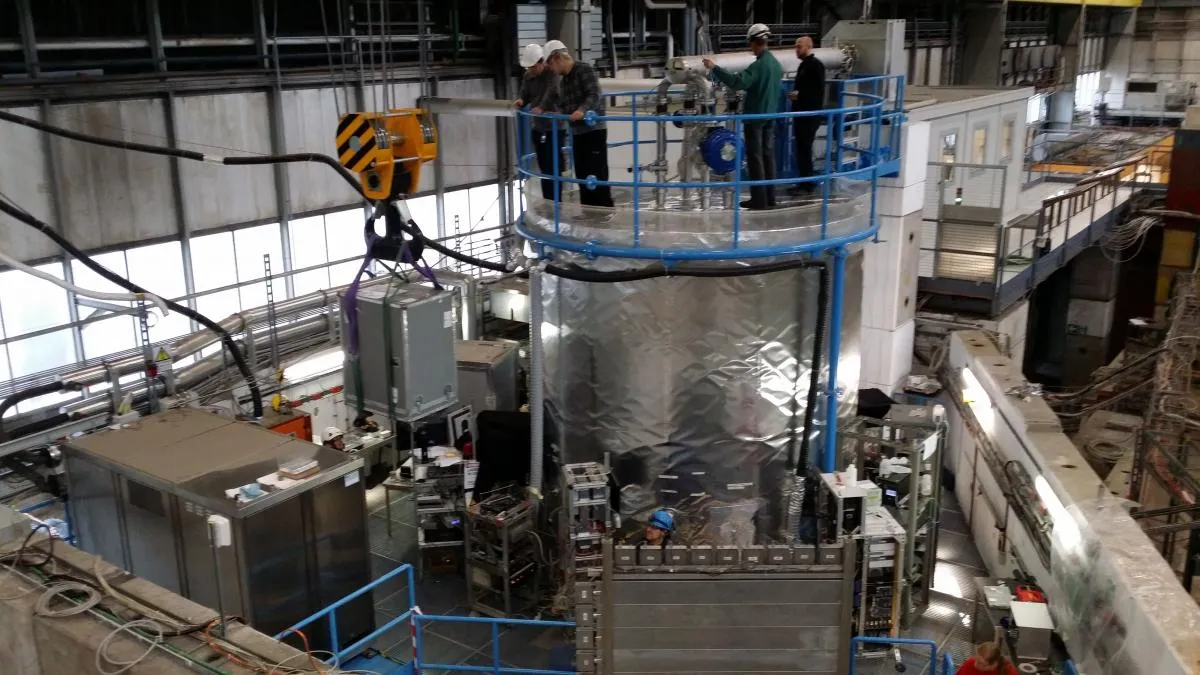
CLOUD restarts experiments
CLOUD restarts experiments On 21 September this year, CLOUD restarted experiments following the end of LS1 for the PS. Many thanks to Lau Gatignon and the PS team for their efficient re-commissioning of the beam. During LS1, in October-November 2013, CLOUD had carried out a series of experiments using cosmic rays. This run was highly
-
NA62 joins the search for new physics at CERN
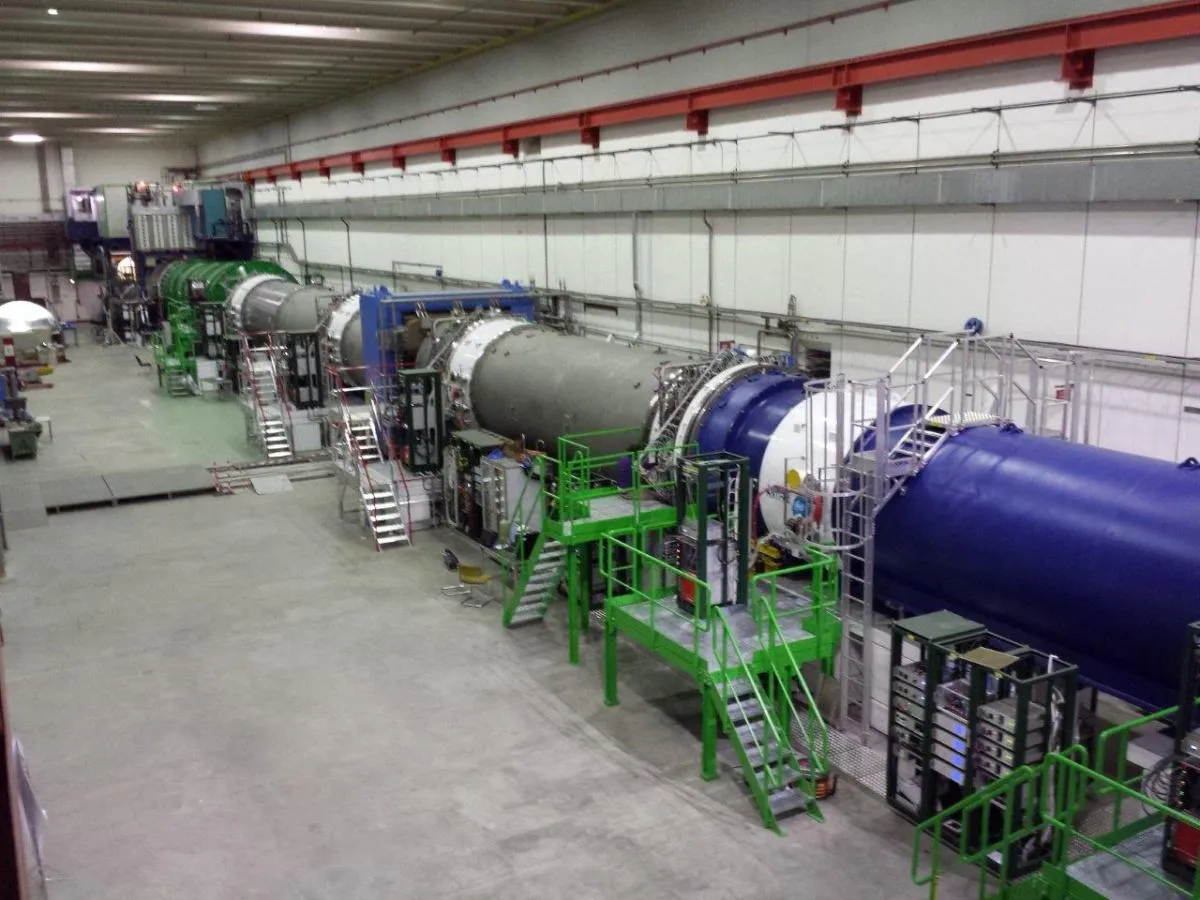
NA62 joins the search for new physics at CERN After the long-shut down the SPS accelerator restarted in the beginning of October along with a new experiment, NA62. In contrast to the LHC, where new physics is studied at the highest possible energy, NA62 challenges the Standard Model by looking at tiny quantum fluctuations in
-

ISOLDE first to produce physics after the LS1
ISOLDE first to produce physics after the LS1 ISOLDE, CERN’s nuclear physics facility started physics the 1st of August. Several experiments have already been completed thanks to the wonderful job done by Magdalena Kowalska, our beam coordinator, the technical CERN team and all the users that worked intensively to produce the best physics possible. Up
-
A bright future for neutrons at n_TOF
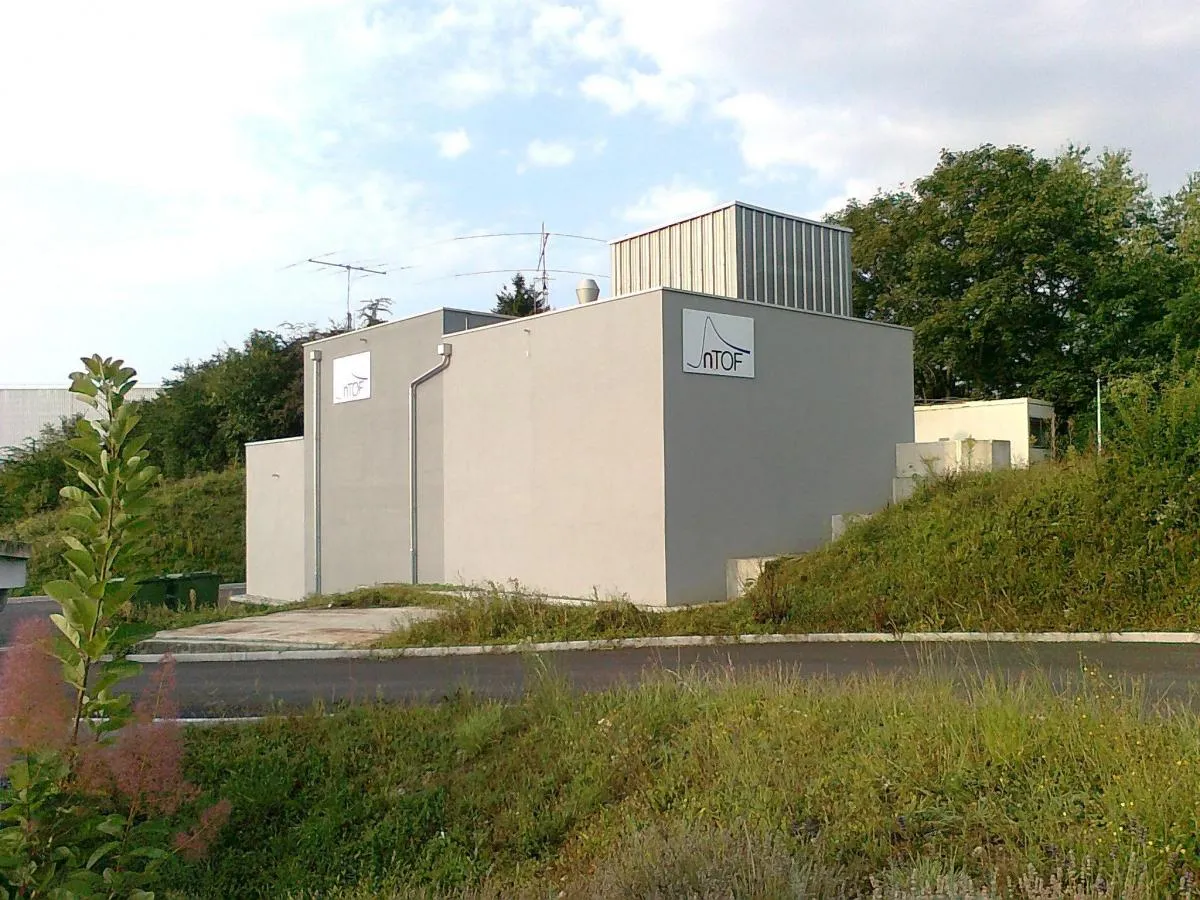
A bright future for neutrons at n_TOF After the long shutdown, the newly constructed second experimental area (EAR2) [1] of the n_TOF facility has received its first neutron beam on July 25 2014 [2]. The neutron beam in EAR2 complements, and runs in parallel with, the existing experimental area EAR1. The story of CERN’s neutron
-
Proton Synchrotron accelerator delivers first beams
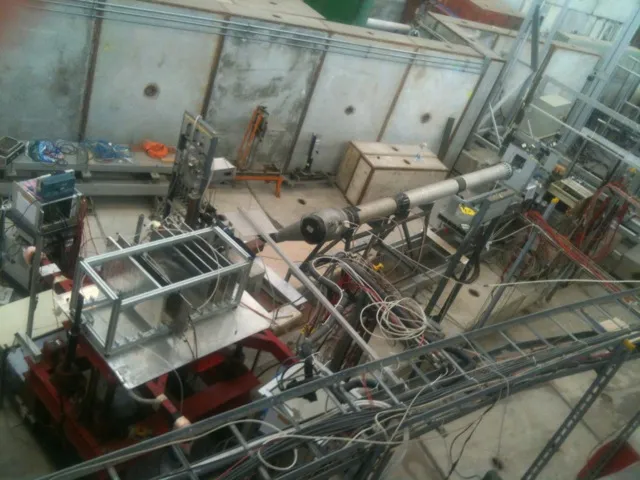
Proton Synchrotron accelerator delivers first beams The CERN injectors, up to the PS, started operations mid-June. The long-running ISOLDE radioactive ion-beam facility on the PS Booster resumed operations by the end of July. Several experiments that use protons from the PS are already taking data, like nTOF, and R&D activities, including AIDA, which is a
-
DAMPE comes to CERN before going to Space
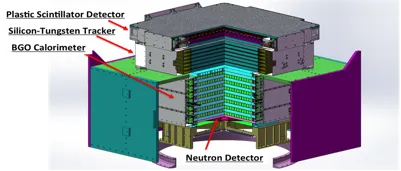
DAMPE comes to CERN before going to Space The evidence that some invisible (“dark”) matter exists in the universe was first observed many decades ago, by the Swiss physicist Fritz Zwicky in 1933, among others, from studying the relative movement of stars and galaxies, and was more recently confirmed by gravitational lensing effects. In spite