
Tag: SME
-
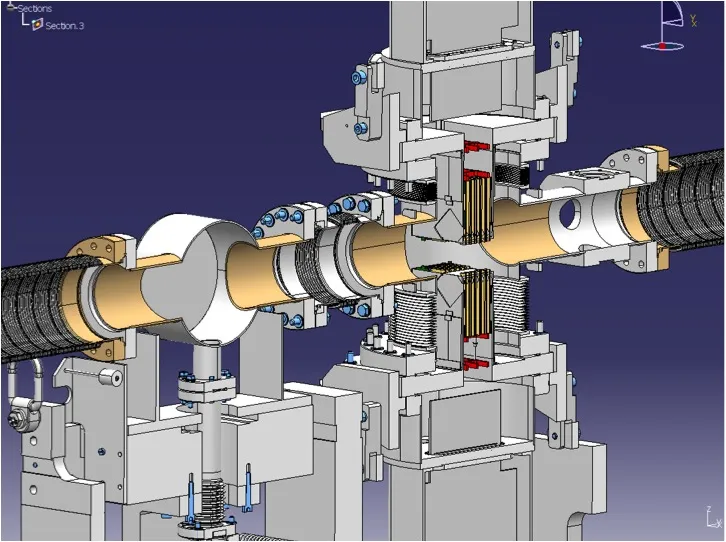
TOTEM experiment upgrade
TOTEM experiment upgrade The Totem experiment has shown with recent data that in collaboration with CMS is possible to enlarge the original physics program in the diffractive proton interaction field. The Central Diffraction channel, although it has an order of magnitude less cross-section than the Single Diffraction process, has the peculiarity to give precise information
-
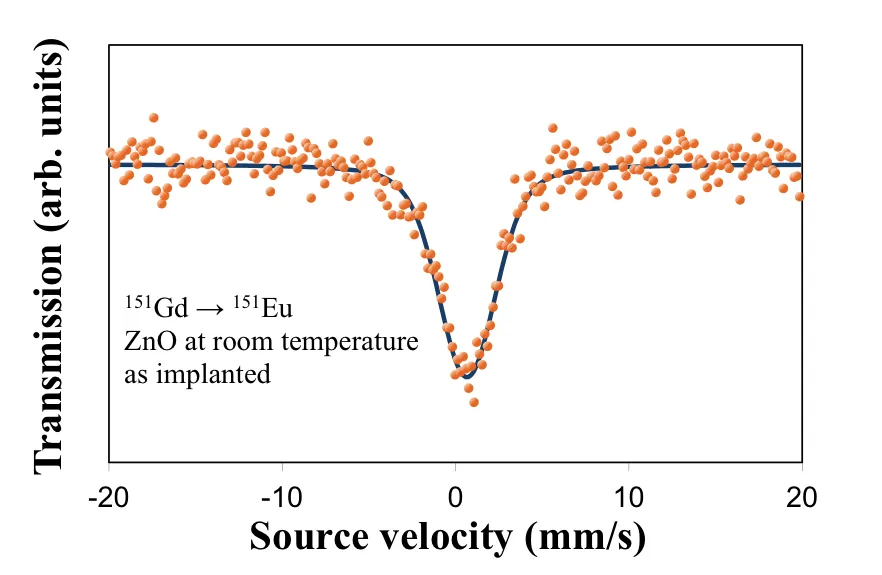
ISOLDE: New access to study dilute rare earth doped materials
ISOLDE: New access to study dilute rare earth doped materials Mössbauer spectroscopy (MS) is named after Rudolf L. Mössbauer (1929-2011) who found the effect in 1957 and was awarded the Nobel Prize in Physics for his discovery in 1961. MS makes use of recoilless nuclear resonance fluorescence of gamma rays from low energy nuclear states
-
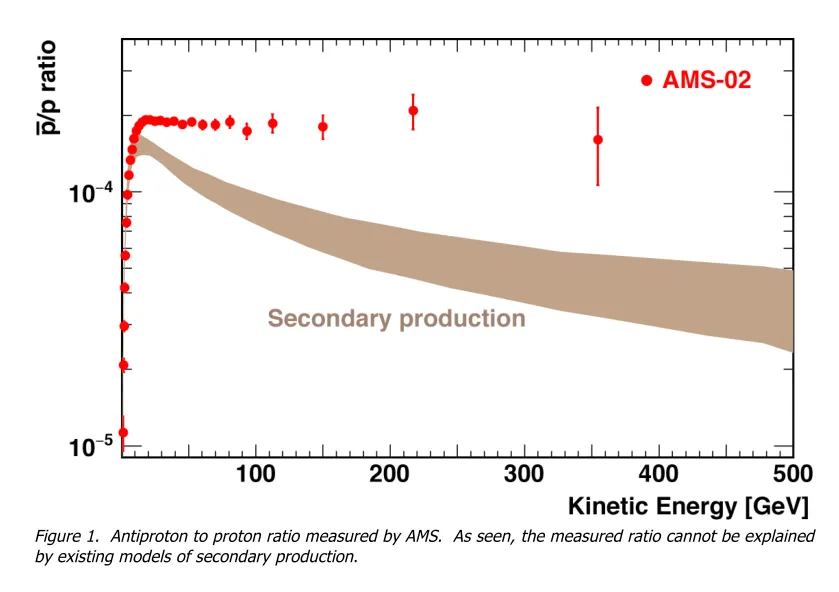
AMS Days at CERN
AMS Days at CERN The conference 'AMS Days at CERN' took place from 15 to 17 April at the Main Auditorium. Its aim was to provide an overview of the latest results of the Alpha Magnetic Spectrometer, as well as bring together experts in astroparticle physics to exchange ideas and discuss the recent developments in
-
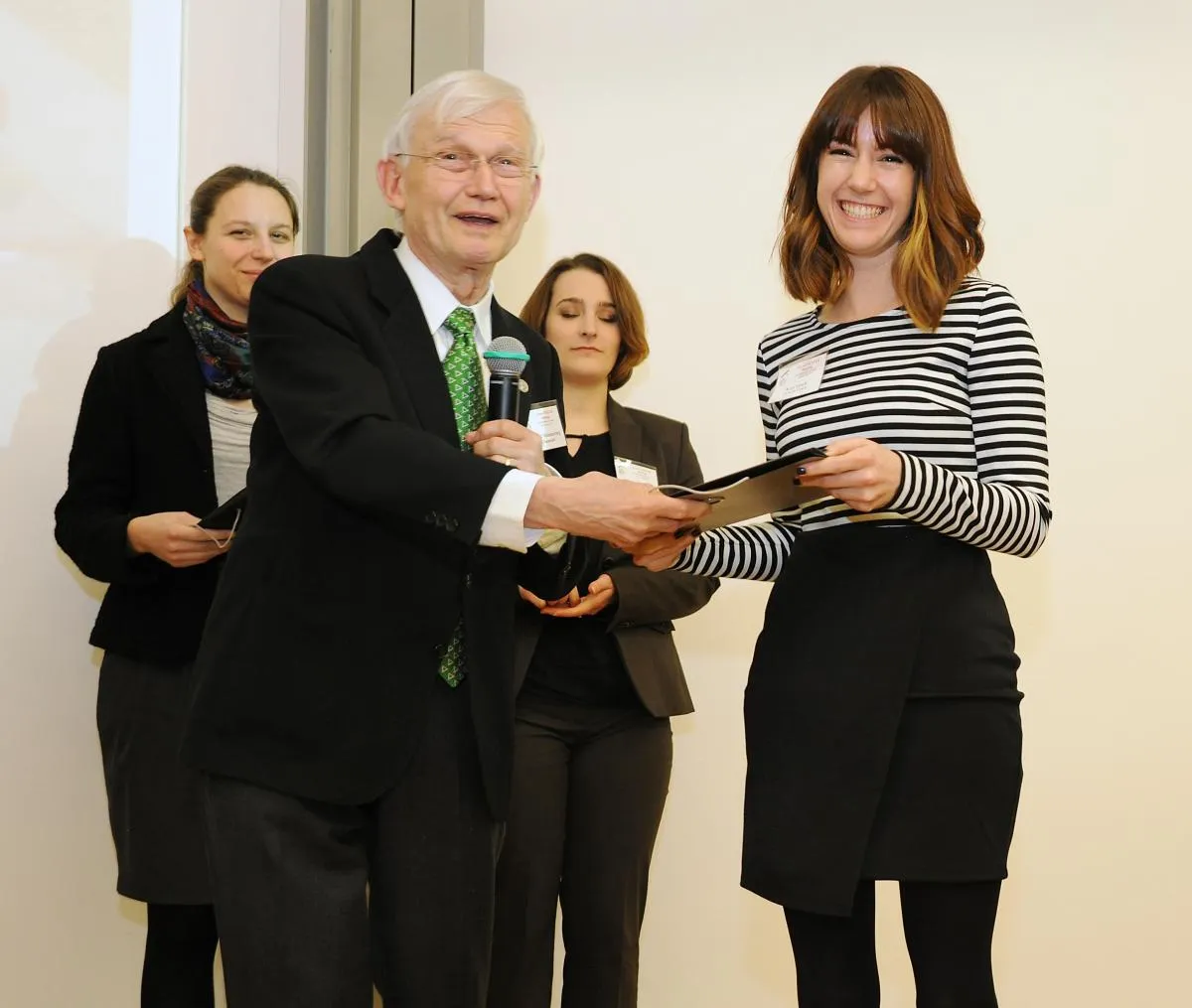
Two distinctions for ISOLDE scientists
Two distinctions for ISOLDE scientists Two ISOLDE scientists have received prestigious awards this year for their research in the field of nuclear and particle physics. Kara Marie Lynch was honoured with the GENCO Young Scientist award, which recognizes outstanding achievements of young scientists in the field of exotic nuclei and super-heavy elements. The GENCO prize
-
2015 European School of High-Energy Physics
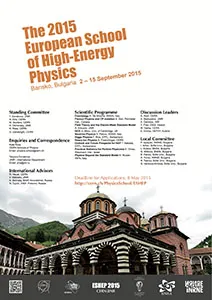
2015 European School of High-Energy Physics The 2015 European School of High-Energy Physics (formerly the CERN–JINR School of Physics) will take place from 2 to 15 September 2015 in Bansko, Bulgaria. It is organised and sponsored by CERN and the Joint Institute for Nuclear Research (JINR), Dubna, Russia, together with the University of Sofia, the
-
NA62 Experiment records first data
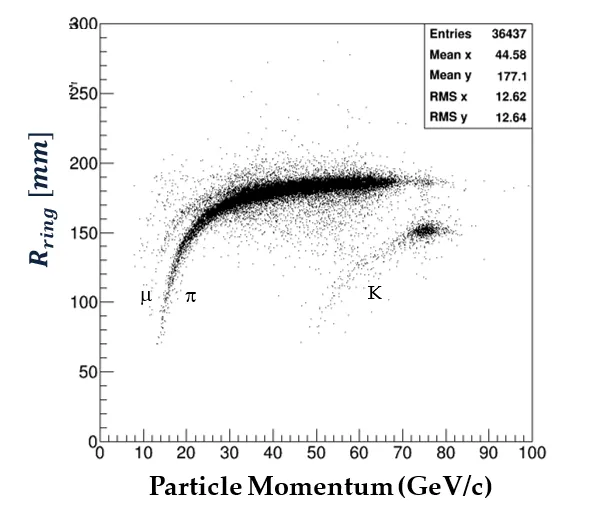
NA62 Experiment records first data Over the last weeks, while everyone has been excited with the restart of LHC, the NA62 experiment at CERN has already started producing data, following the circulation of the first beams in the injector chain in 2014. The experiment focuses in the study of kaon physics, which has been among
-
NA61/SHINE sheds light on strong Interactions
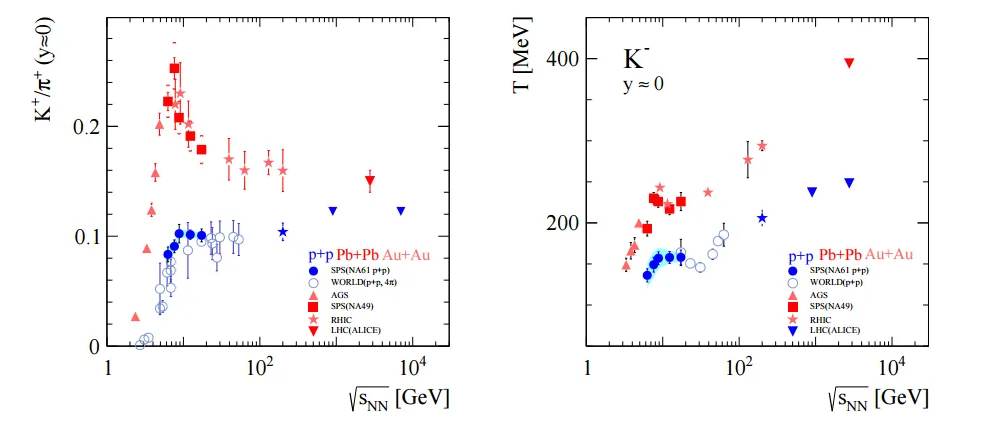
NA61/SHINE sheds light on strong Interactions The past several months were particularly important for the NA61/SHINE programme on strong interactions. This period was crowned by the ongoing beam energy scan with argon-scandium collisions. Here the key events are summarized, but first NA61/SHINE is briefly introduced. The NA61/SHINE experiment at CERN NA61/SHINE (SPS Heavy Ion and
-
ISOLDE offers safety training courses
ISOLDE offers safety training courses One of the safety challenges faced by the PH Department is how to provide safety training and raise awareness for the large number of users. Most of them visit CERN only for short periods of time, thus they often do not have the chance to attend one of the scheduled
-
COMPASS paves the way to new discoveries
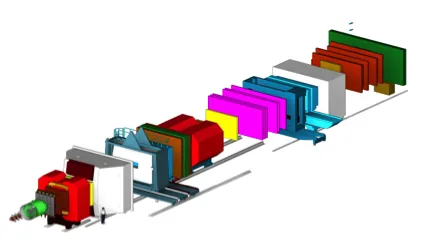
COMPASS paves the way to new discoveries COMPASS, a “COmmon Muon and Proton Apparatus for Structure and Spectroscopy”, is a multipurpose high-energy physics experiment at the Super Proton Synchrotron (SPS). Following the approval of the project in 1997 the spectrometer was installed in 1999 – 2000 and was commissioned during a technical run in 2001
-
Accelerating Argon Ions at the SPS
Accelerating Argon Ions at the SPS This year, the SPS accelerated argon ions for the first time, delivering beam to the NA61/SHINE experiment in the North Area. NA61/SHINE explores the phenomenon of deconfinement by studying the collisions of ions of different masses, at different energies. As argon ions are much lighter than lead ions that