
Tag: Special Feature
-
LHCb explores new light-ion territory with special LHC runs
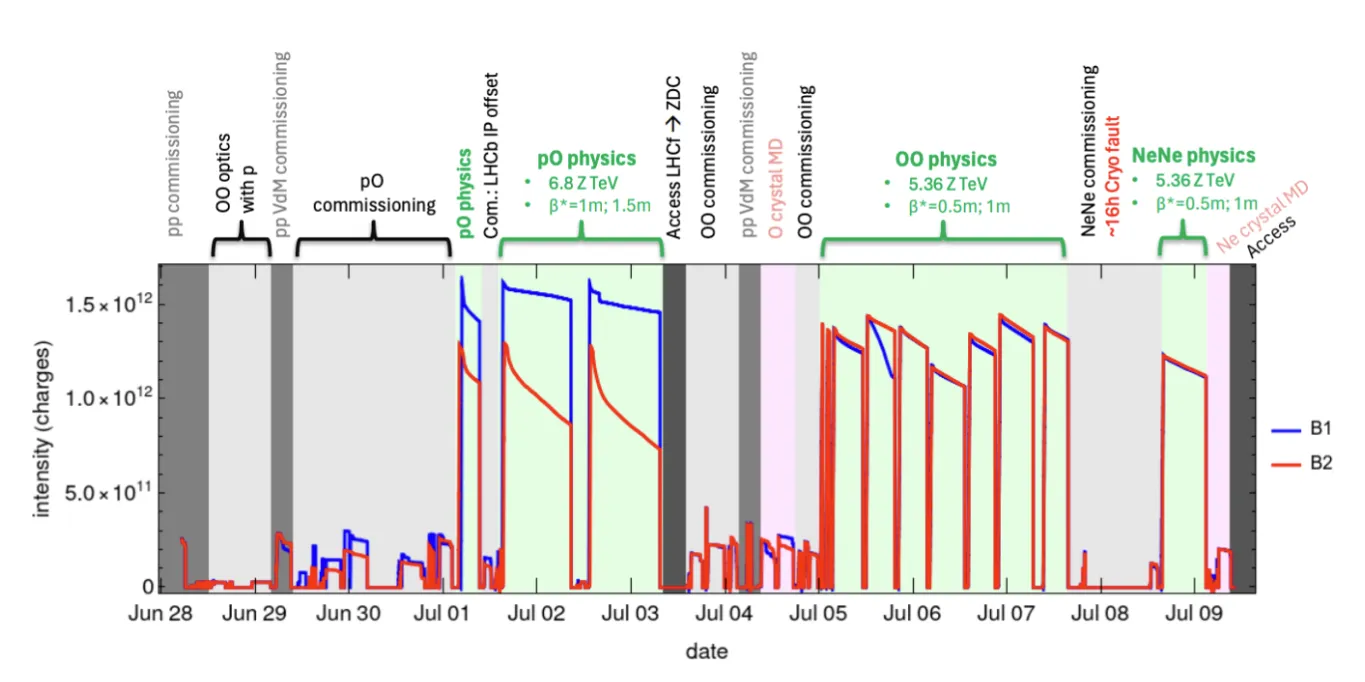
LHCb explores new light-ion territory with special LHC runs In summer 2025, the LHC entered new territory. For the first time, the machine delivered proton–oxygen, oxygen–oxygen and neon–neon collisions to its experiments, as part of a short but technically demanding special ion run. For LHCb, the run provided a rare opportunity to explore heavy-ion physics
-
Light ions bring CMS closer to the onset of QGP-like behaviour
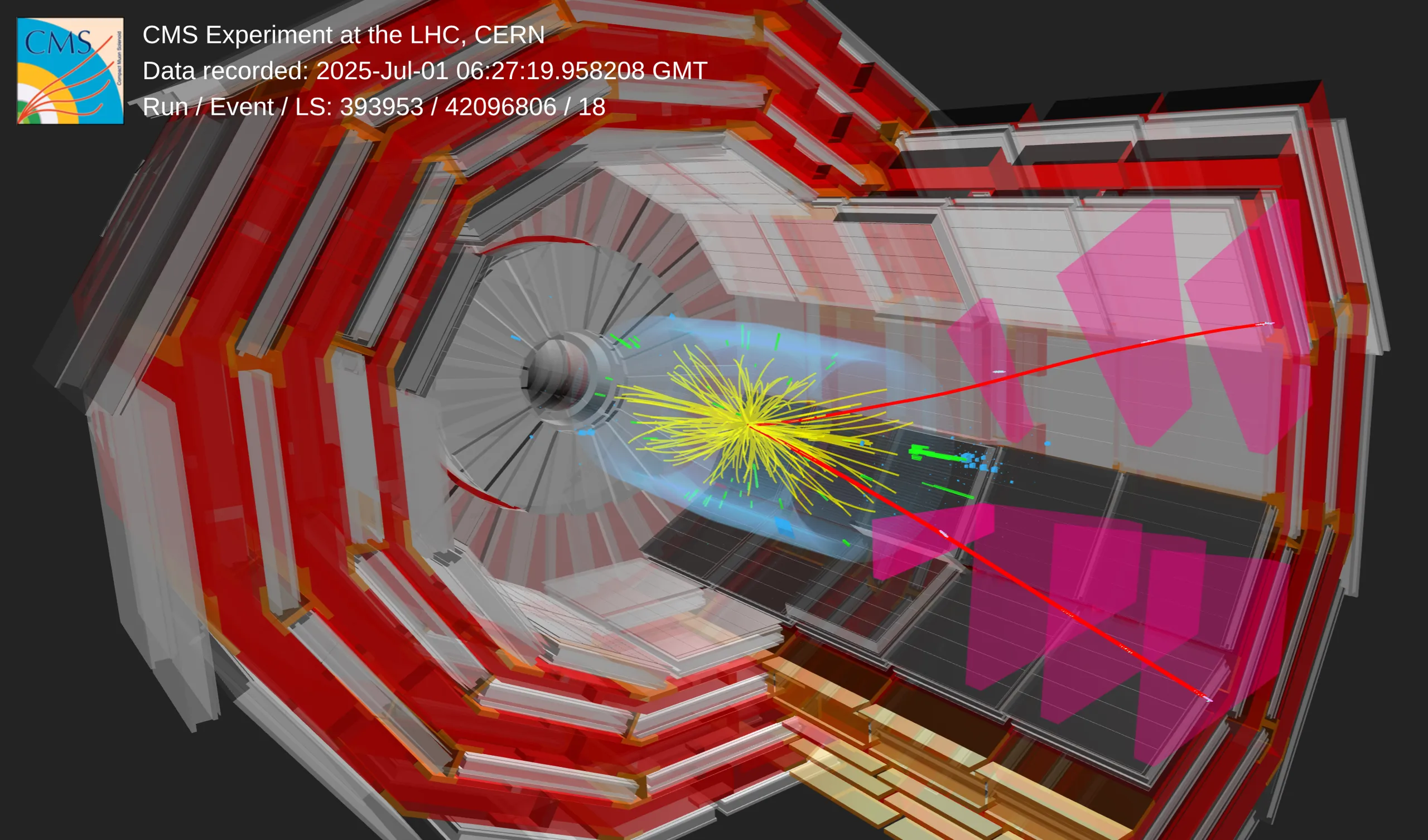
Light ions bring CMS closer to the onset of QGP-like behaviour What are the smallest droplets of strongly interacting matter that exhibit colour deconfinement? This question has become one of the most intriguing frontiers in heavy-ion physics. At very high temperatures and densities, quantum chromodynamics predicts that quarks and gluons are no longer confined inside
-
ATLAS Turns Into a Precision Cosmic Ray Laboratory
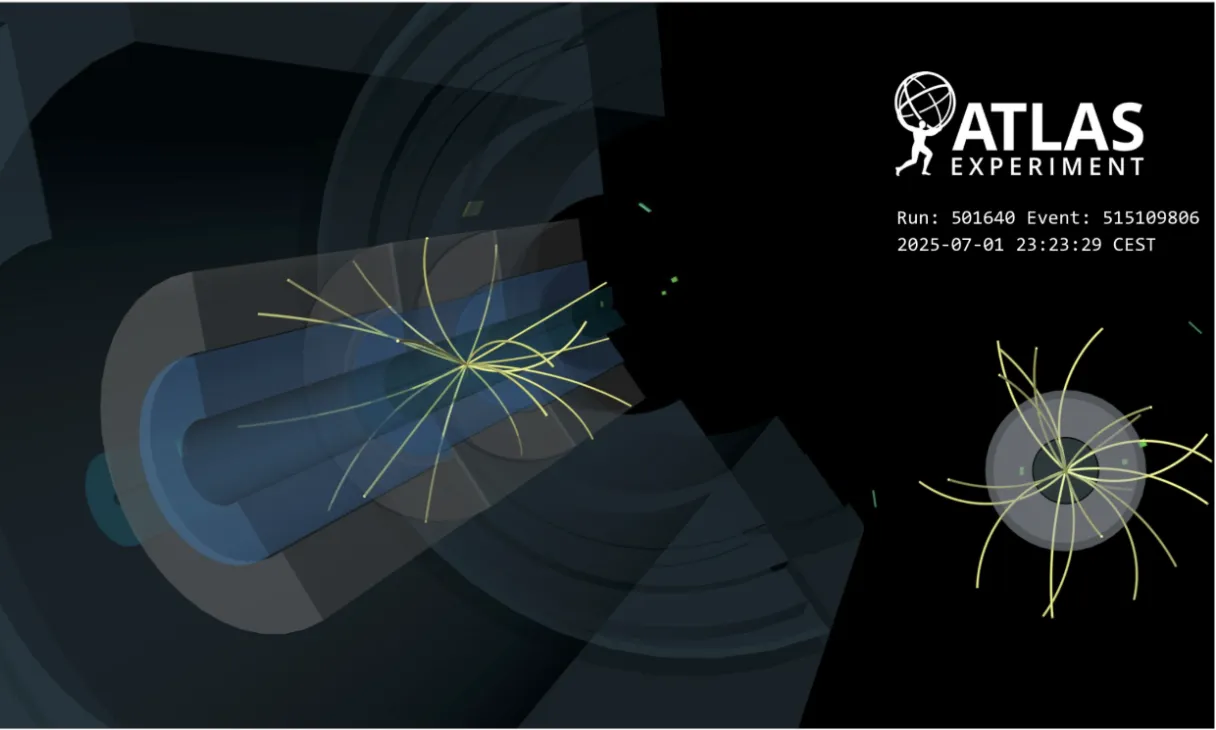
ATLAS Turns Into a Precision Cosmic Ray Laboratory Event display of a proton-oxygen collision recorded in ATLAS Run 501640 on 1st July 2025 at 23:23:29 CEST. The event contains 19 reconstructed tracks (yellow lines) satisfying pT > 500 MeV with at least one Pixel hit and at least six SCT hits. Every second, roughly one
-
ALICE reveals quark-gluon plasma energy loss in OO collisions
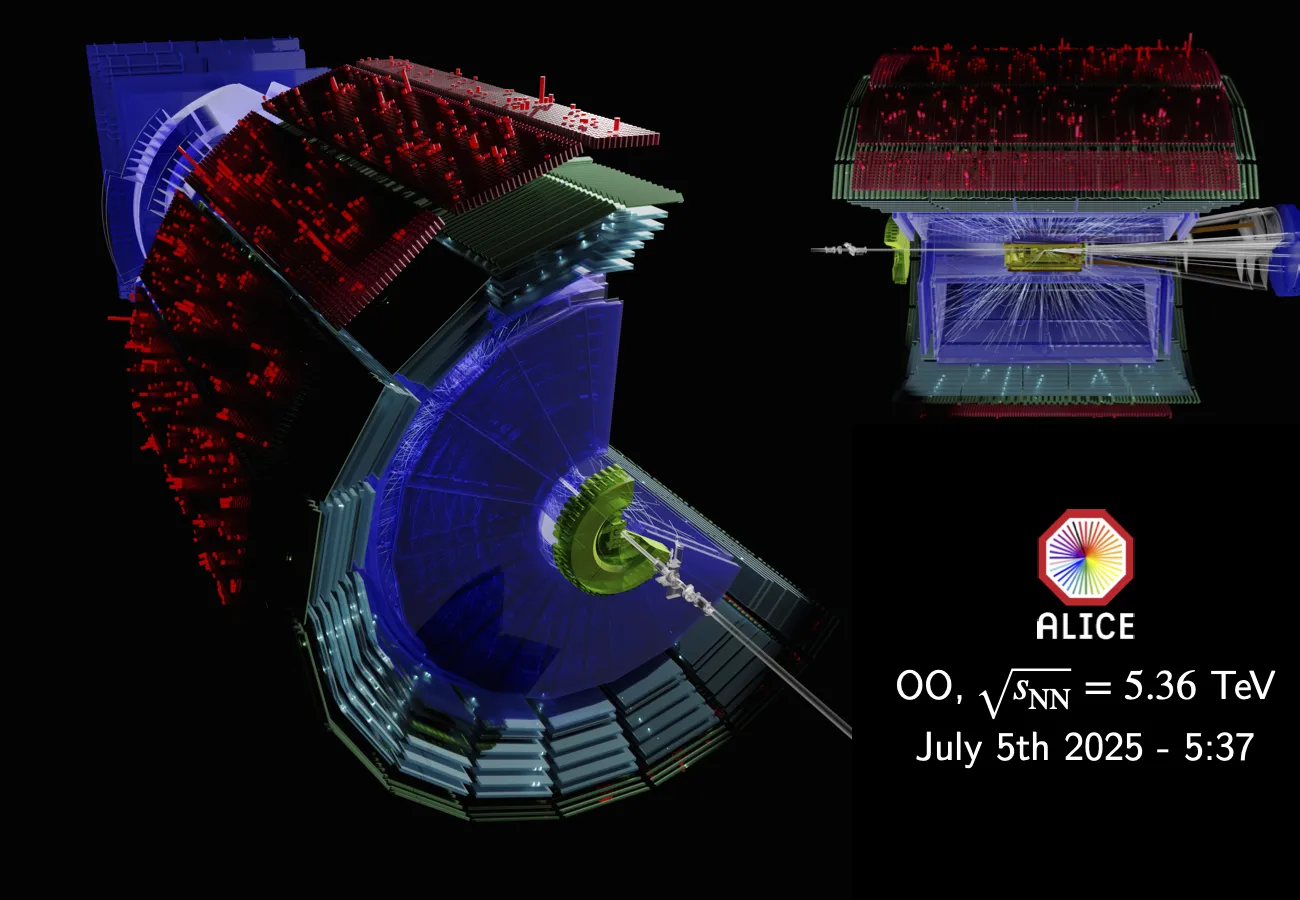
ALICE reveals quark-gluon plasma energy loss in OO collisions A new state of matter Colliding heavy ions, such as lead, at nearly the speed of light in the LHC allows the creation of a new state of matter called the quark-gluon plasma (QGP). This near-perfect liquid of quarks and gluons is created because the extreme
-
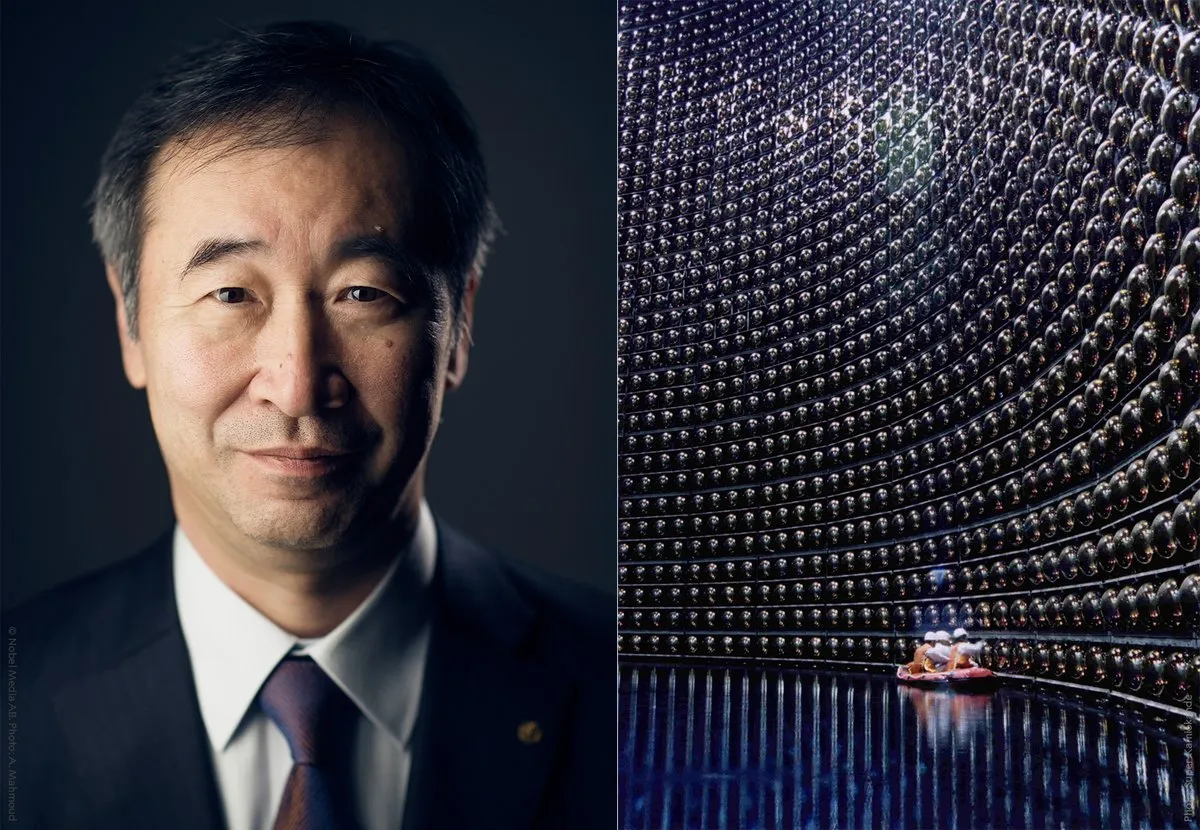
Neutrino Oscillations and Beyond: A Conversation with Takaaki Kajita
Neutrino Oscillations and Beyond: A Conversation with Takaaki Kajita 2015 physics laureate Takaaki Kajita is affiliated with Super-Kamiokande (pictured right) and received the Nobel Prize for his neutrino oscillations research which proves that neutrinos have mass. Few discoveries in modern particle physics have reshaped our understanding of nature as profoundly as the discovery of neutrino
-
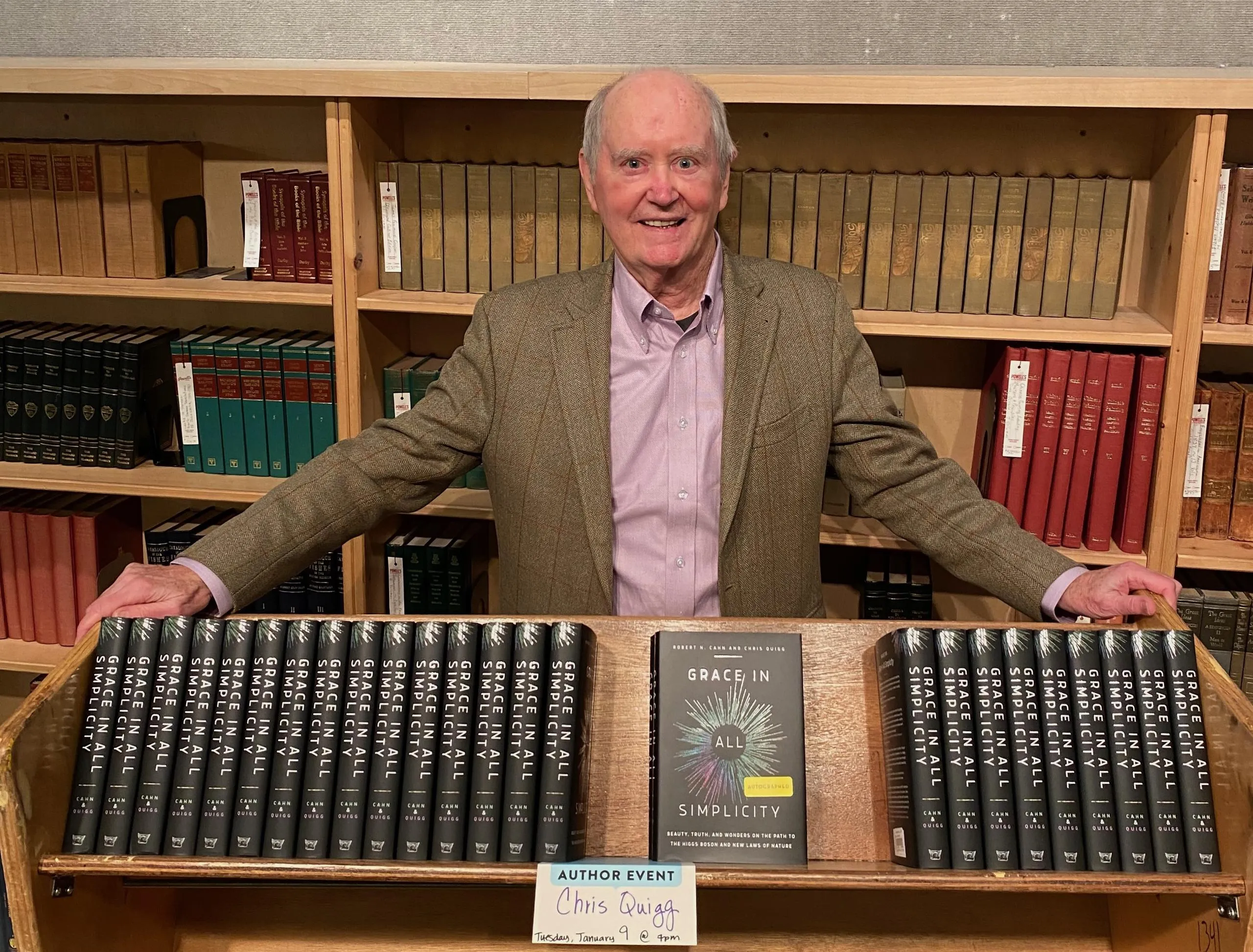
Chris Quigg: Grace in All Simplicity and the Unfinished Business of the Standard Model
Chris Quigg: Grace in All Simplicity and the Unfinished Business of the Standard Model Panos Charitos: More than half a century has passed since the “November Revolution” — the 1974 discovery of the J/ψ that reshaped particle physics. In your recent keynote, you revisited that moment. Why is it so vital to remember 1974 today?
-
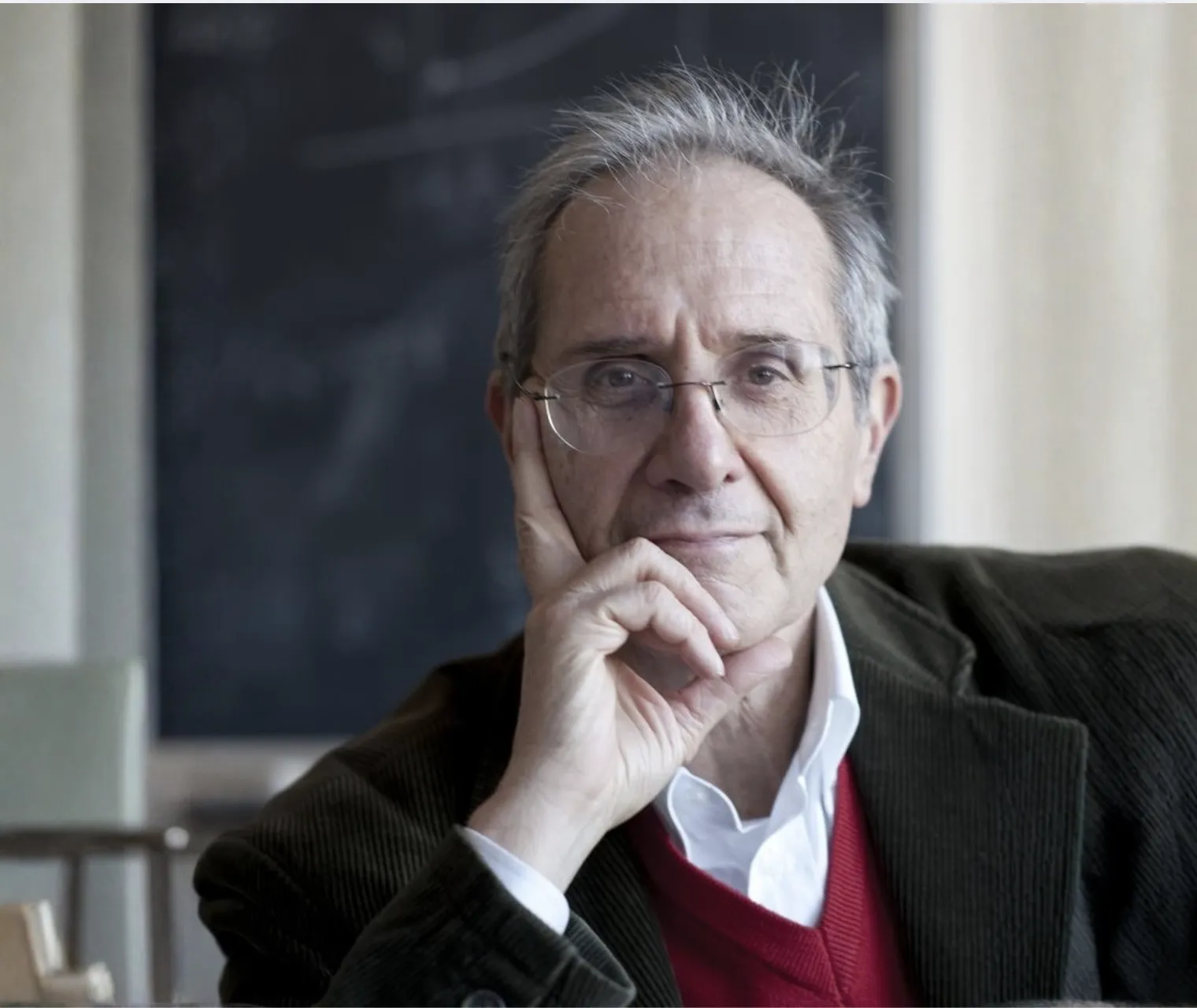
Riccardo Barbieri: On naturalness, supersymmetry and the unfinished story of the Standard Model
Riccardo Barbieri: On naturalness, supersymmetry and the unfinished story of the Standard Model Riccardo Barbieri has spent more than five decades at the forefront of theoretical particle physics, contributing to key developments in quantum field theory, electroweak precision physics and the exploration of physics beyond the Standard Model. A longtime professor at the Scuola Normale
-
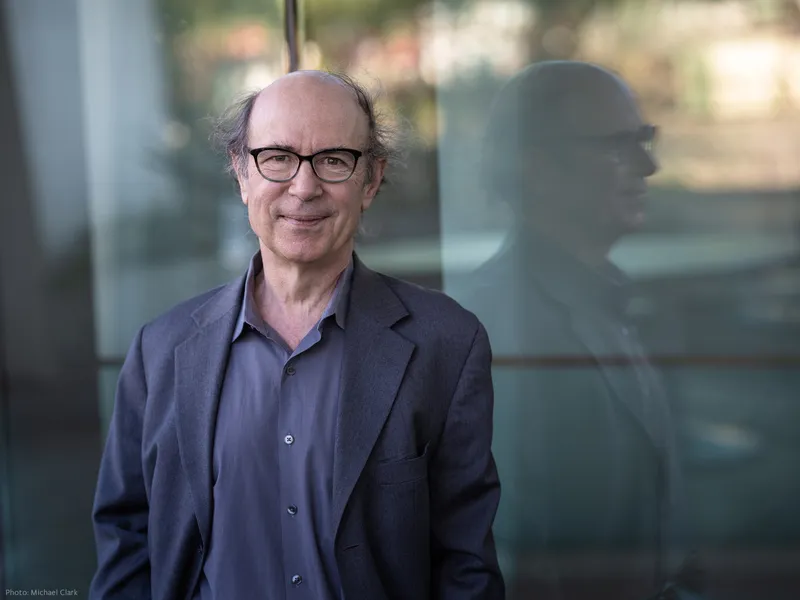
Frank Wilczek in Conversation: The Beauty of Fundamental Physics
Frank Wilczek in Conversation: The Beauty of Fundamental Physics Photo Cretis: Michael Clark In this wide-ranging interview, Nobel Prize–winning physicist Frank Wilczek reflects on the discoveries that shaped his career and the ideas that continue to orient his work. He recalls his collaboration with David Gross and the emergence of quantum chromodynamics; he turns to
-
Quantum Science and Technologies and High-Energy Physics
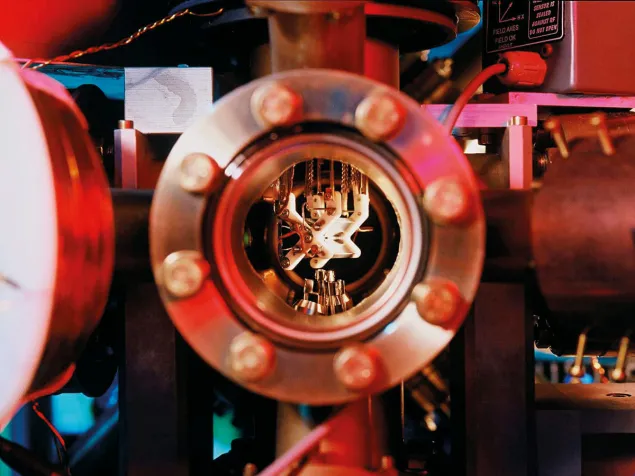
Quantum Science and Technologies and High-Energy Physics Trapped ions: A quantum simulator at the University of Innsbruck. Credit: C Lackner/Innsbruck On 27–28 October 2025, CERN hosted the Symposium on Quantum Science and Technologies and High-Energy Physics (HEP), co-organised through the CERN Quantum Technology Initiative (QTI) (https://indico.cern.ch/event/1565747/). The event brought together experts from quantum information science,
-
Light ions at the LHC: first results from oxygen–oxygen and neon–neon collisions
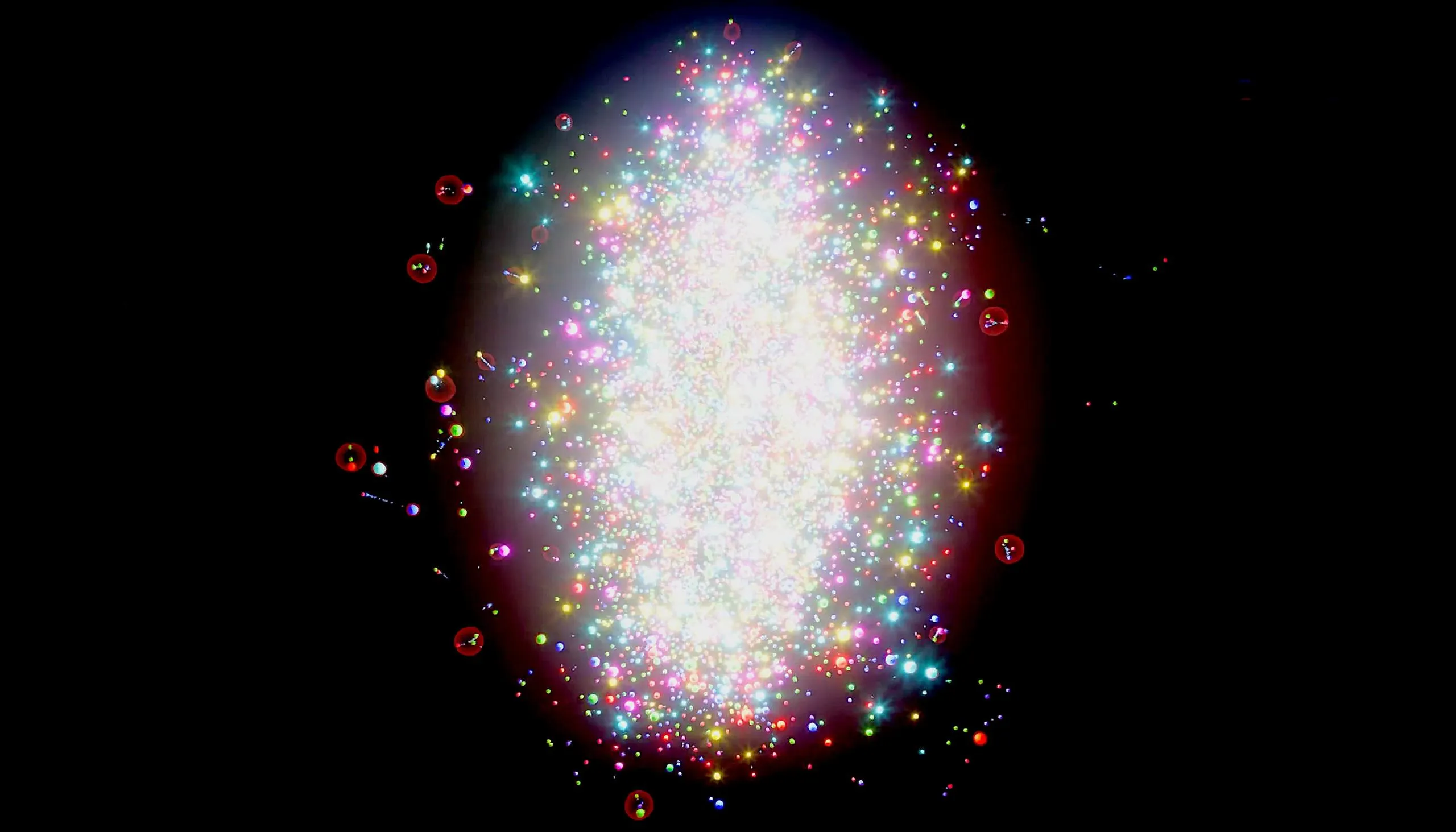
Light ions at the LHC: first results from oxygen–oxygen and neon–neon collisions This summer, the Large Hadron Collider (LHC) delivered its first-ever collisions between light ions, opening a new chapter in the study of nuclear structure and the quark–gluon plasma (QGP) – the extreme state of matter that existed in the first instants of the