
Tag: Special Feature
-
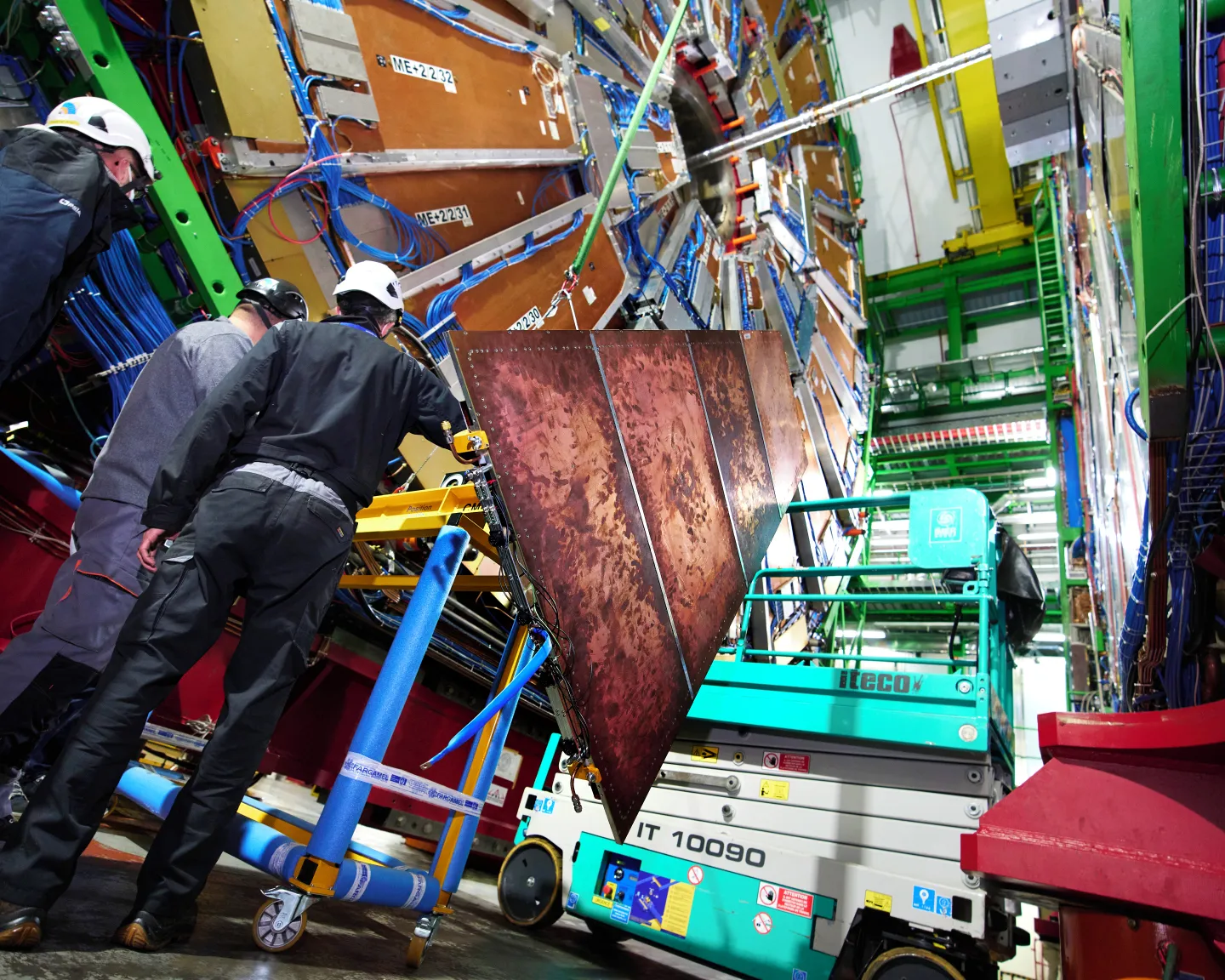
Gaseous detector technologies for future experiments
Gaseous detector technologies for future experiments Within the strategic EP R&D programme [1], WP2 covers developments of gaseous detector technologies for addressing the challenging needs of future experiments. The main research lines within WP2 cover the following activities: New structures and large-area gaseous detector systems New detection concepts and structures suitable for large-area gaseous detector
-
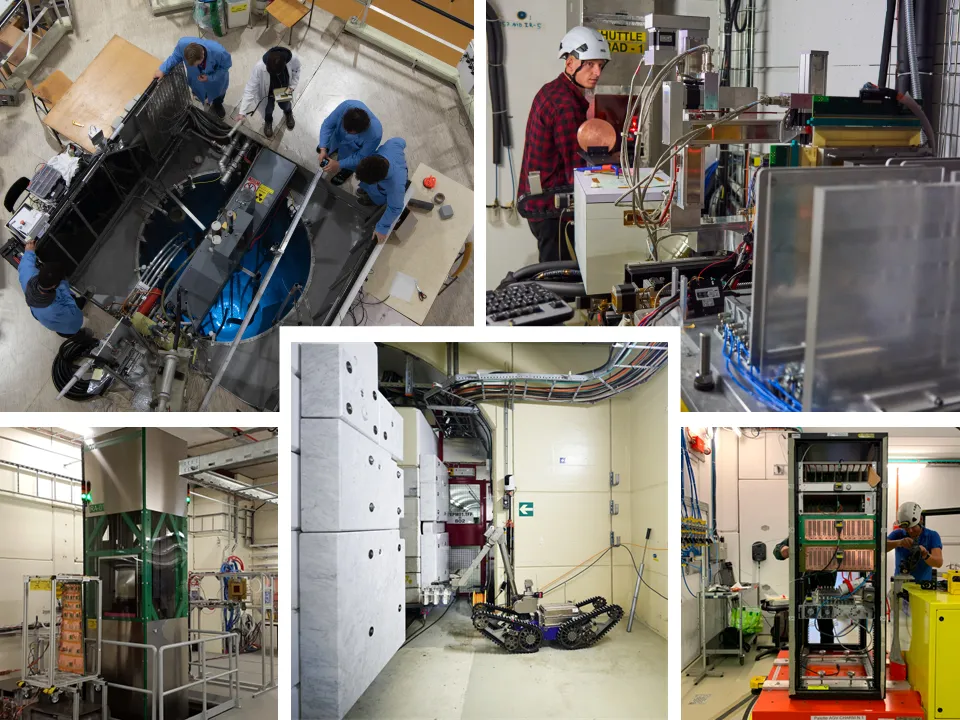
Advancing CERN’s Frontiers: The Role of Irradiation Facilities in Experimentation and R&D
Advancing CERN’s Frontiers: The Role of Irradiation Facilities in Experimentation and R&D Irradiation is the process by which a material sample is exposed to radiation. This broad term encompasses various activities, from systematic qualification of components and materials following international standards to experimental research on particle detector and accelerator technologies aiming to develop devices and
-
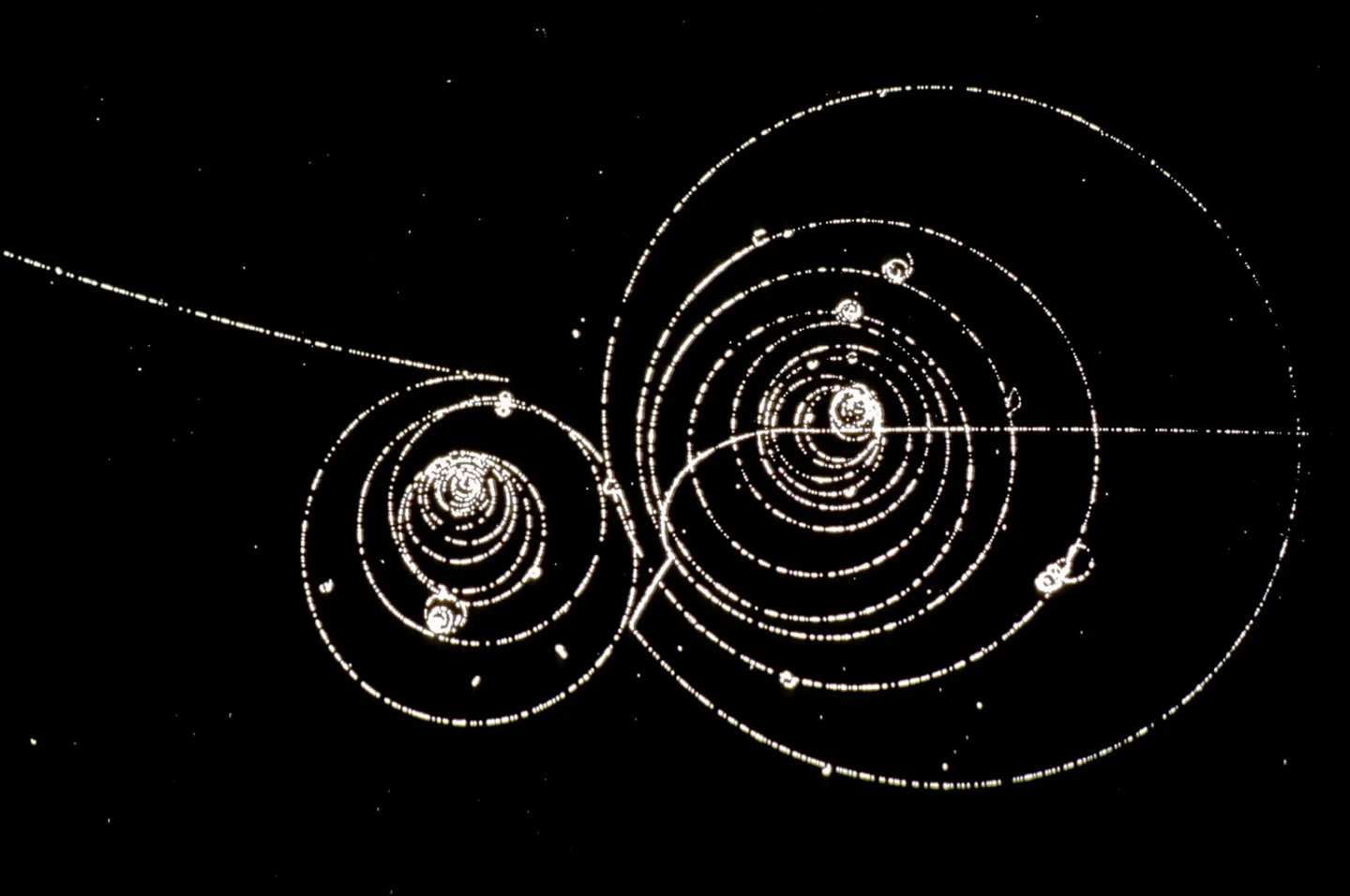
Unlocking the Secrets of Antimatter: A journey through low-energy antimatter studies at CERN
Unlocking the Secrets of Antimatter: A journey through low-energy antimatter studies at CERN The existence of antimatter is a fundamental aspect of our Universe and is predicted by the laws of quantum physics and symmetry principles. However, the theory does not match the experimental observations. According to our models, we would expect to have a
-
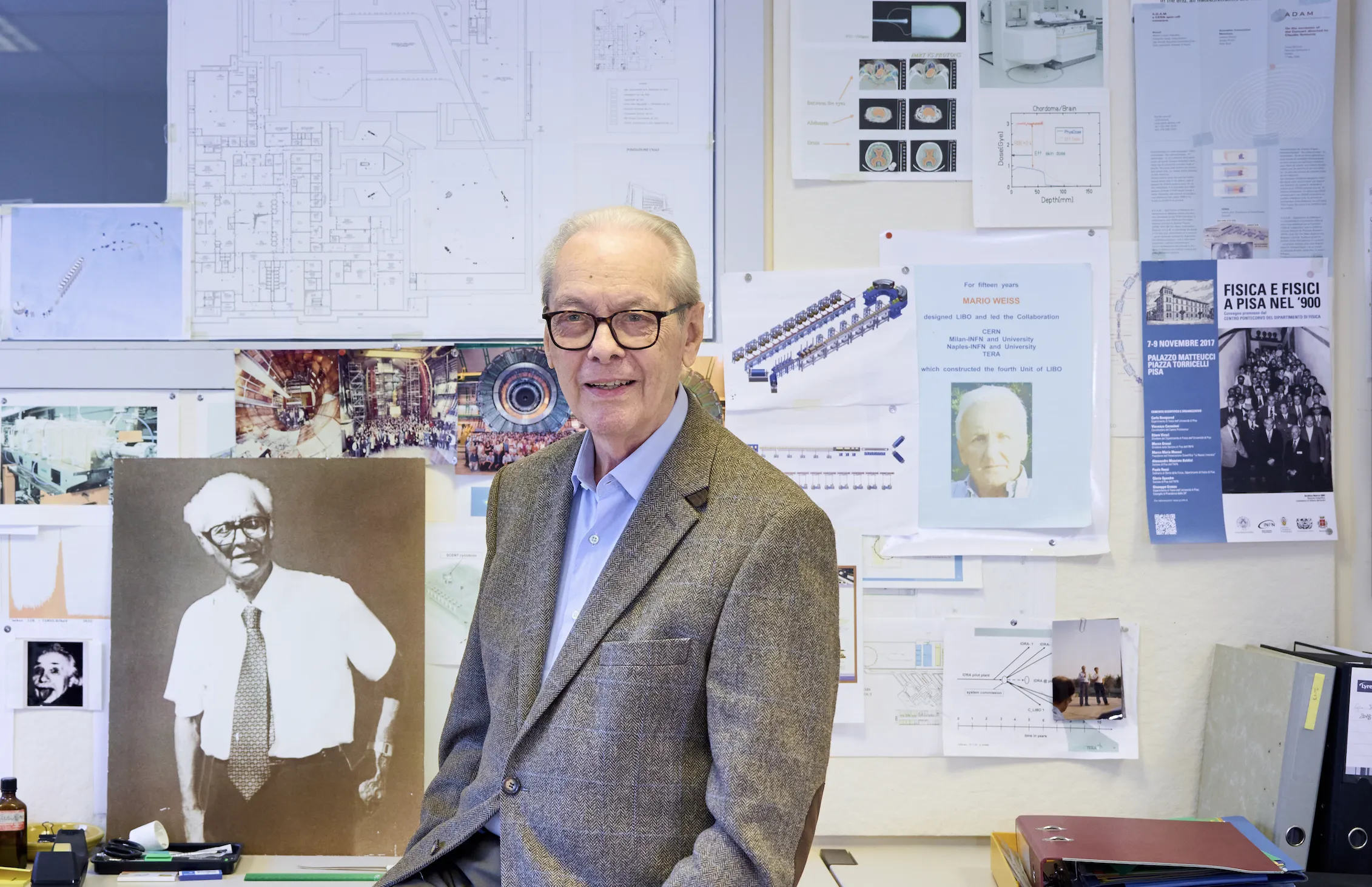
Interview with Ugo Amaldi: Reflections on CERN’s 70-Year Legacy and European Collaboration
Interview with Ugo Amaldi: Reflections on CERN's 70-Year Legacy and European Collaboration Portrait photo of Ugo Amaldi. Credits: Marina Cavazza, Copyright@CERN In the landscape of 20th-century European science, few figures loom as large as Edoardo Amaldi, a pioneering physicist who played a crucial role in establishing some of Europe’s most transformative scientific institutions. His son,
-
Unveiling the Early Universe: The Historical Journey to Discovering the Quark-Gluon Plasma
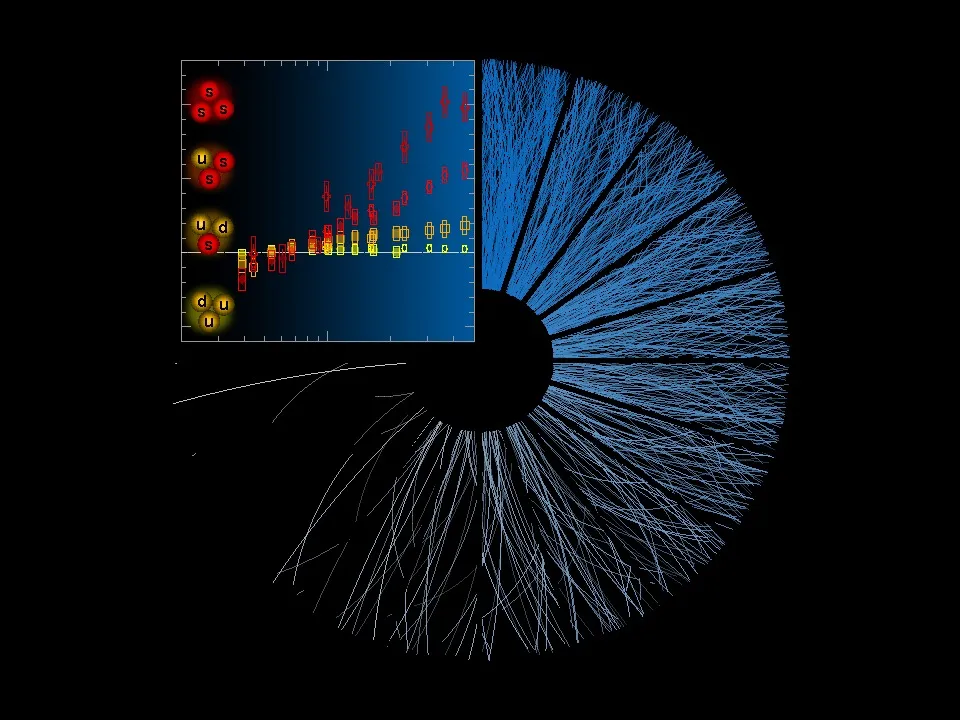
Unveiling the Early Universe: The Historical Journey to Discovering the Quark-Gluon Plasma One of the most fascinating characteristics of particles carrying colour charge, such as quarks and gluons, is their inability to exist as free entities in nature. They are indeed perpetually confined within colour-neutral composite particles known as hadrons. This phenomenon, called colour confinement,
-
Tracing the Path to Precision: The Historical Evolution of Electroweak Physics at the LHC
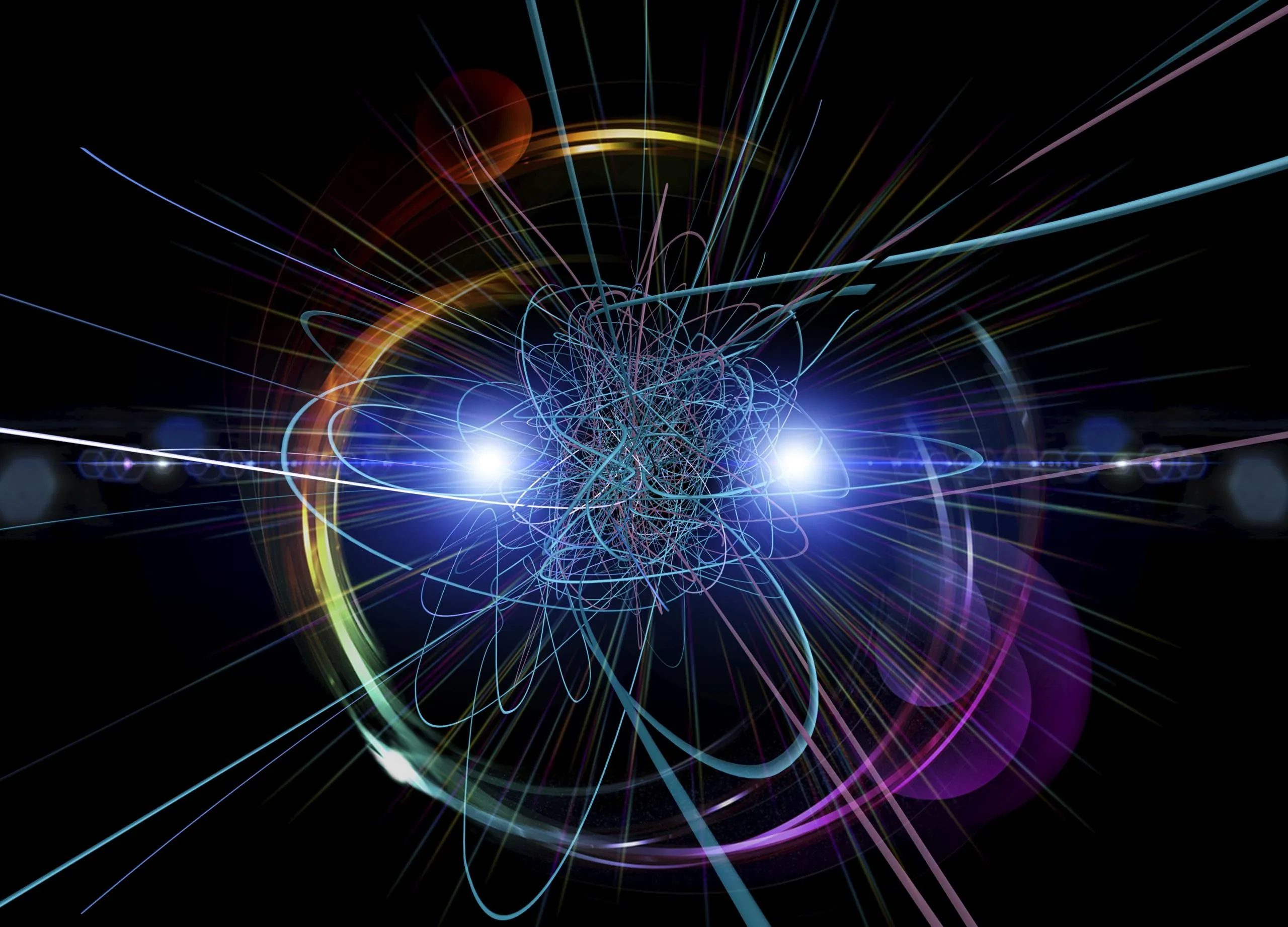
Tracing the Path to Precision: The Historical Evolution of Electroweak Physics at the LHC The unification of the electromagnetic and weak-nuclear forces into an electroweak theory was one of the major breakthroughs of 20th century particle physics. In the 1960s, Steven Weinberg, Sheldon Glashow, and Abdus Salam proposed that these two forces, which appear at
-
ATLAS Operations: Progress and Highlights from 2023/2024
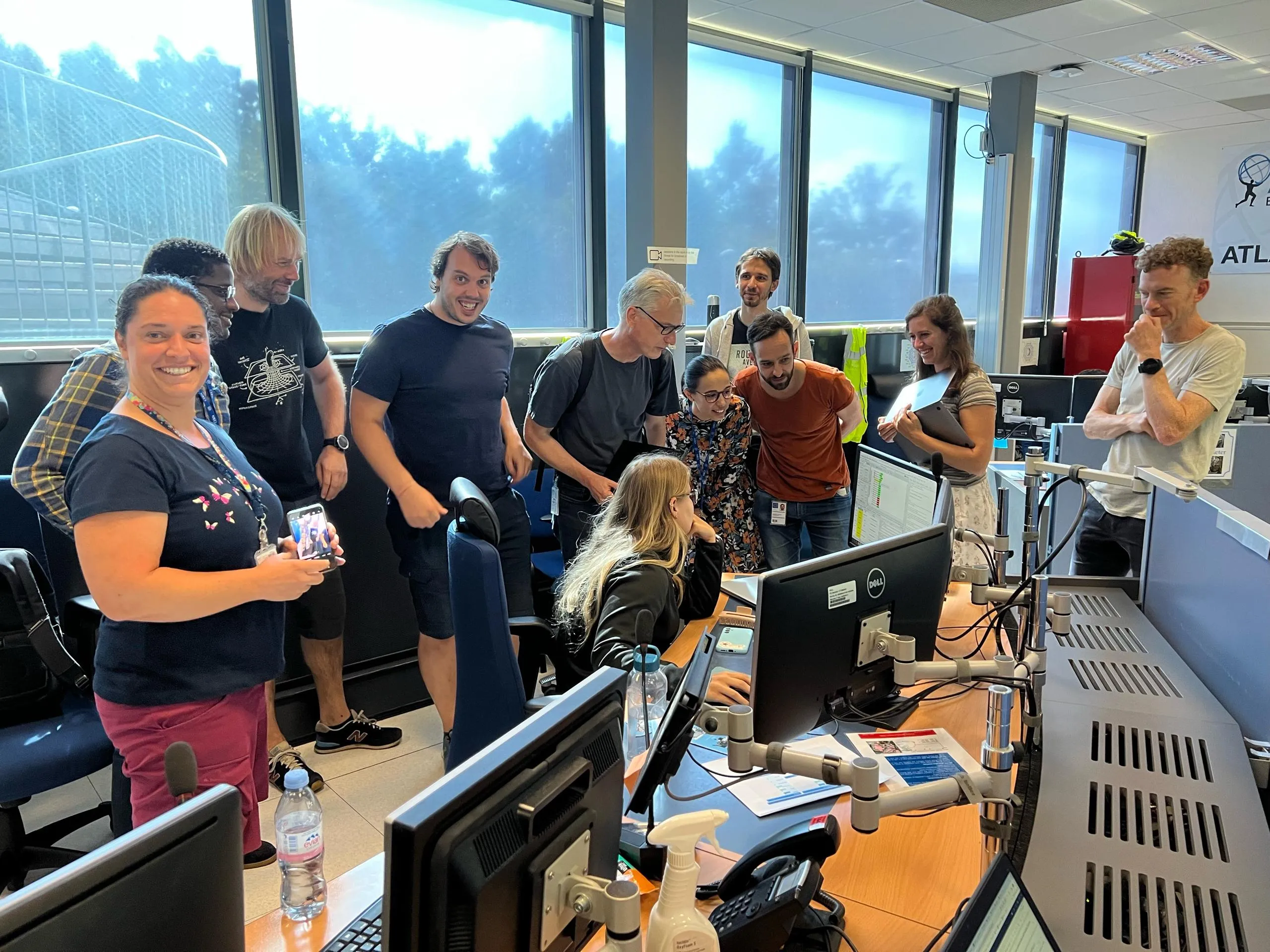
ATLAS Operations: Progress and Highlights from 2023/2024 Great progress has been made in the ATLAS operation since the last EP news article. There we presented the fantastic Phase-I upgrades of the ATLAS detector installed during LS2, described the steps towards their commissioning, and summarized the experience of the first data-taking year of Run 3. What
-
From Upgrade to Upsurge: ALICE Experiment Achieves Milestone Luminosity in Run 3
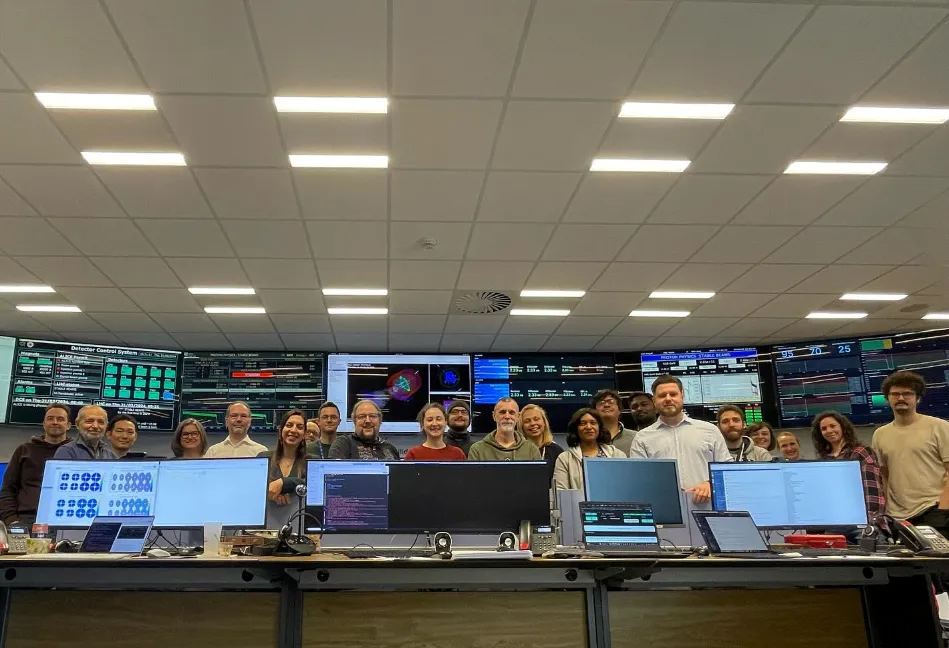
From Upgrade to Upsurge: ALICE Experiment Achieves Milestone Luminosity in Run 3 The ALICE experiment has successfully resumed physics data-taking in RUN 3 following a major upgrade of its detectors and data acquisition system during the LHC Long Shutdown 2 (LS2). While a portion of the delivered luminosity in 2022 was allocated to commissioning the
-
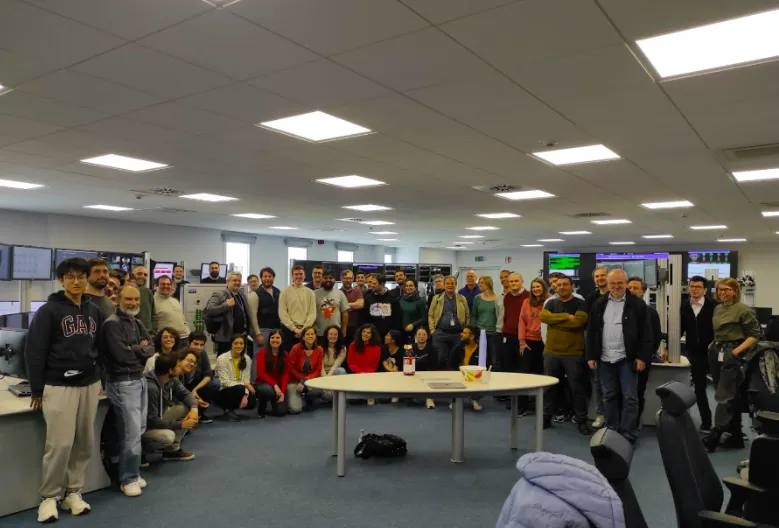
Navigating Challenges: LHCb’s Milestone Achievements and Intensive Data Collection in 2024
Navigating Challenges: LHCb's Milestone Achievements and Intensive Data Collection in 2024 Photo of LHCb collaboration members gathered in the control room in April 2024. The LHCb experiment achieved significant milestones by the end of 2023, despite the challenges related to the LHC vacuum incident in the Vertex Locator (VELO) volume and the premature stop of
-
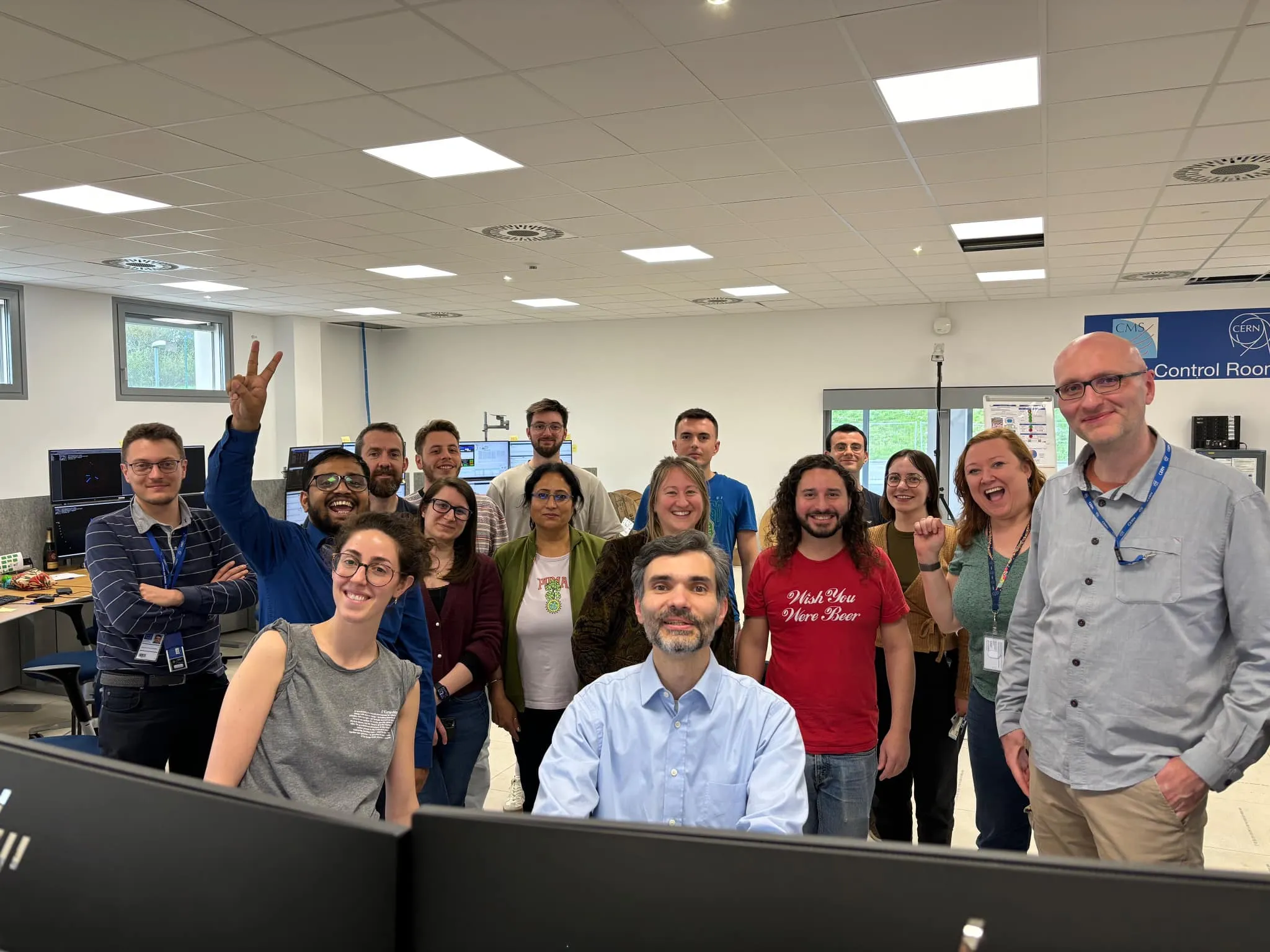
CMS Detector in 2024: Advancements in Data Collection and Detector Performance
CMS Detector in 2024: Advancements in Data Collection and Detector Performance On April 5th, 2024, stable beams returned to the LHC, marking the official start of the 2024 physics data-taking season. The photo captures CMS’ Run Coordination team in the newly upgraded CMS control center, ready to oversee the exciting season ahead. The CMS detector