
Tag: Special Feature
-
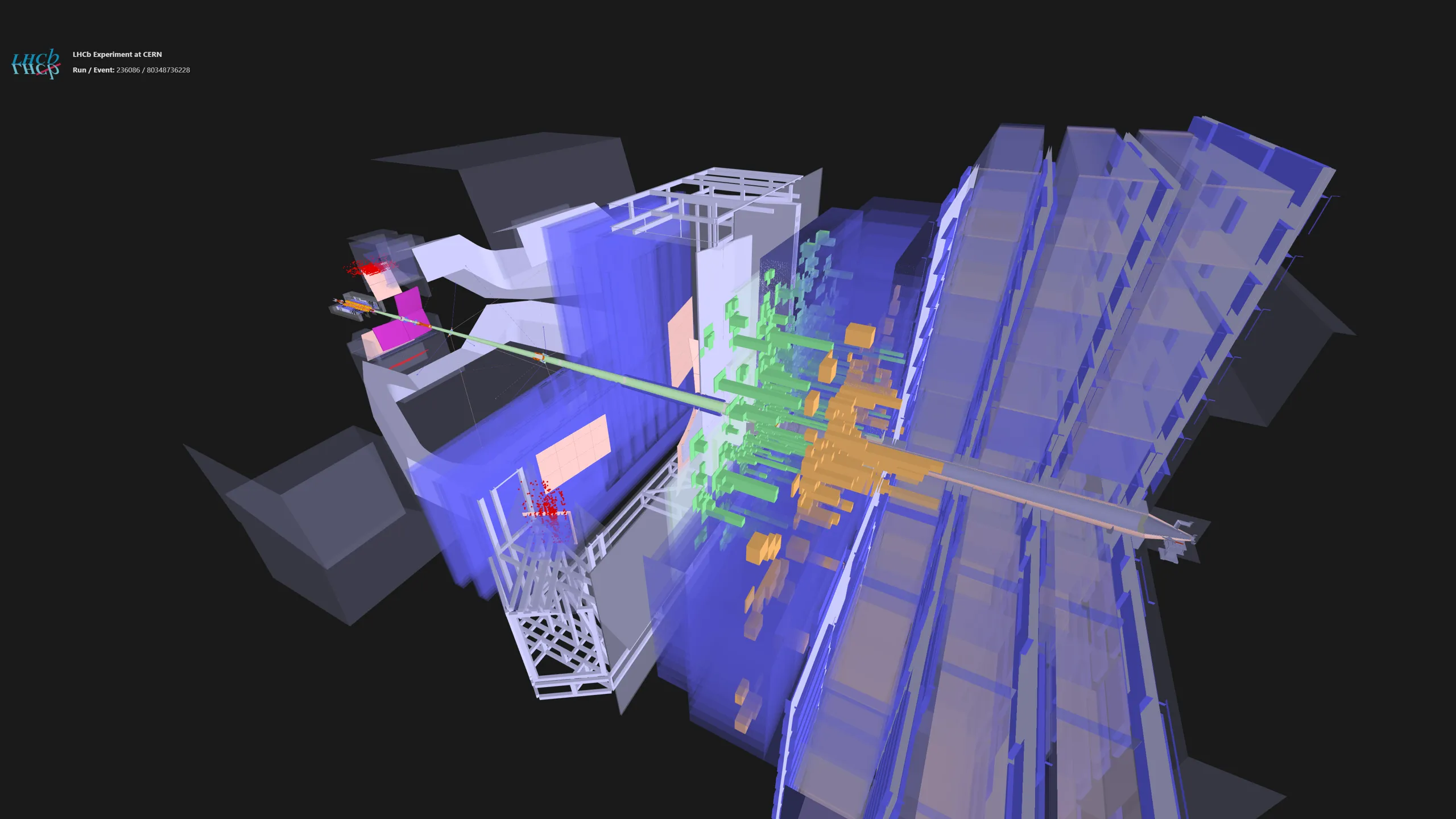
LHCb physics looks forward to Run 3
LHCb physics looks forward to Run 3 The first high energy beams of the LHC on July 5th 2022 marked the start of the third Run of the LHC. While still harvesting and exploring in depth the physics of the first two runs, the LHCb experiment has undergone a major upgrade [1]. Ninety percent of
-
Searching for camouflaged dark sectors
Searching for camouflaged dark sectors The masses of particles are some of the fundamental parameters of nature, and their precise measurement remains a key experimental challenge. However, when propagating through a medium, environmental effects can change the effective mass of a particle, leading to interesting phenomenology. One Standard Model (SM) example of this occurs when
-
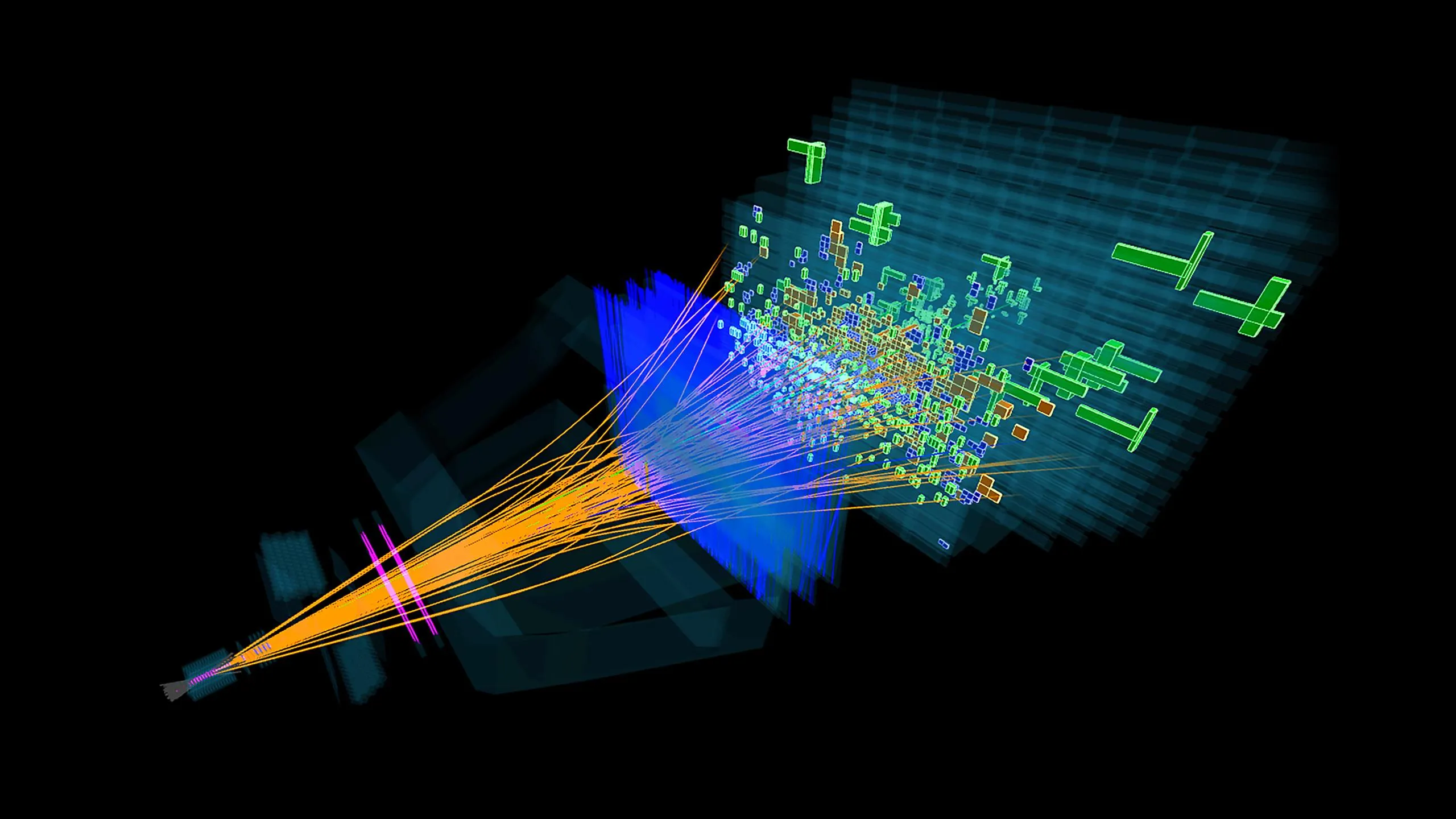
B anomalies: hopes, disillusions, and future prospects.
B anomalies: hopes, disillusions, and future prospects. Within the Standard Model (SM) the basic constituents of matter are the three “families” (two quarks and two leptons) with different quantum numbers, that completely determine the properties of these particles under the three fundamental forces relevant at the microscopic level (strong, weak and electromagnetic interactions). Ordinary matter
-
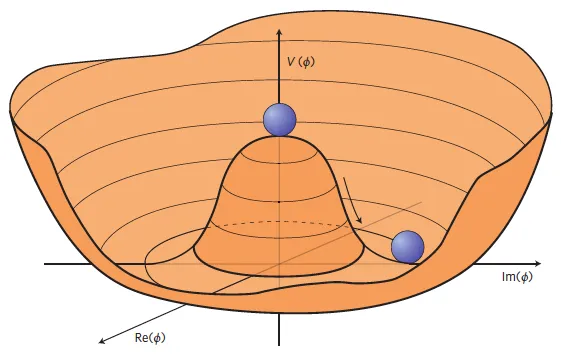
The Higgs boson and the prospects for elementary particle physics
The Higgs boson and the prospects for elementary particle physics Particle physics has expanded its scope to include a wide range of topics from very low to very high energies. Its core questions, though, remain the same: to identify the fundamental interactions that govern the universe, and to demonstrate that these are described by well-motivated
-
New ATLAS result weighs in on the W boson
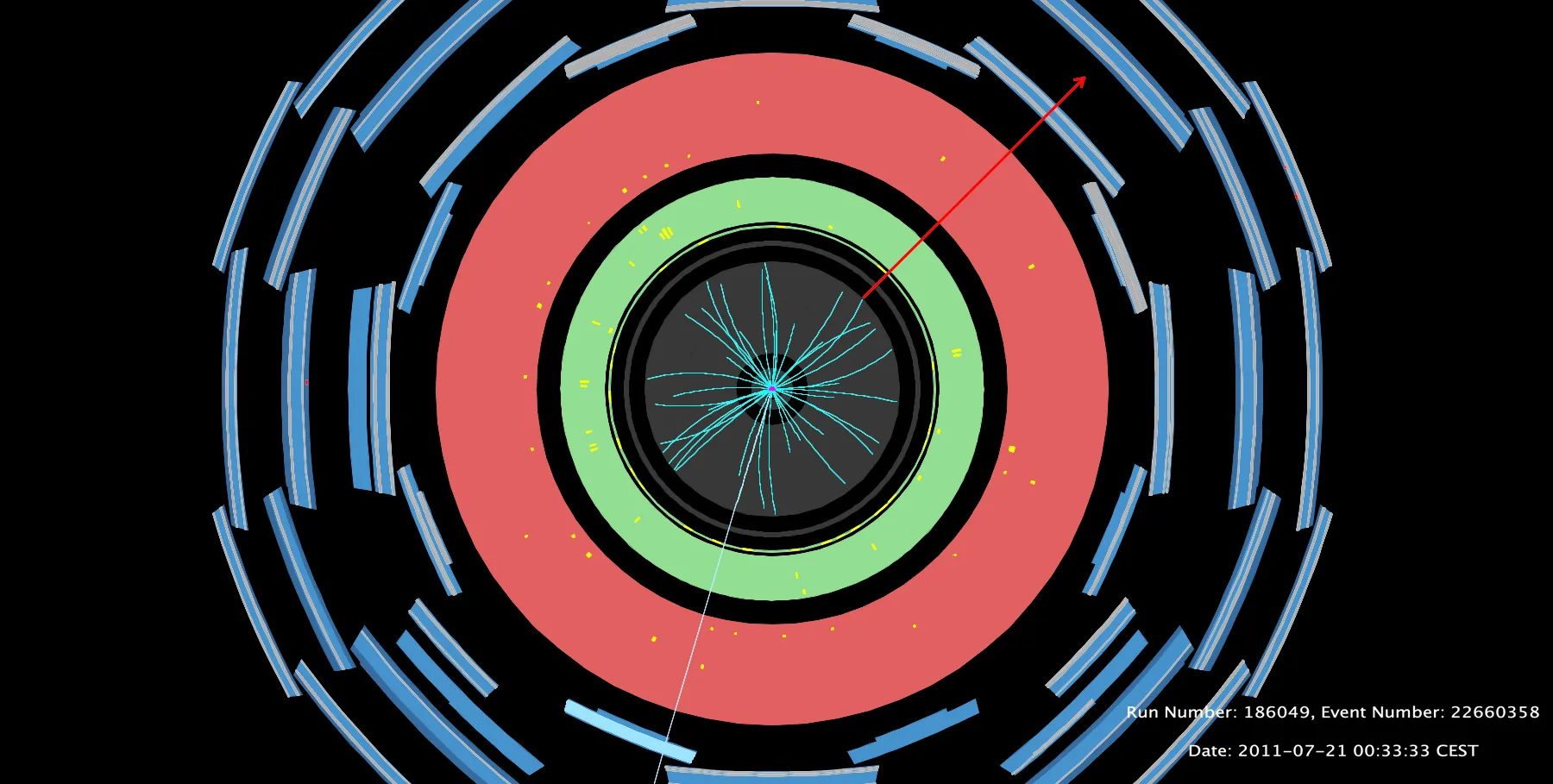
New ATLAS result weighs in on the W boson For the past 40 years, the W boson has been making headlines. In the 1980s, the announcement of its discovery helped confirm the theory of the electroweak interaction – a unified description of electromagnetic and weak forces. Today, measurements of its mass (mW) are testing the
-
ATLAS resumes operation after LS2 shutdown
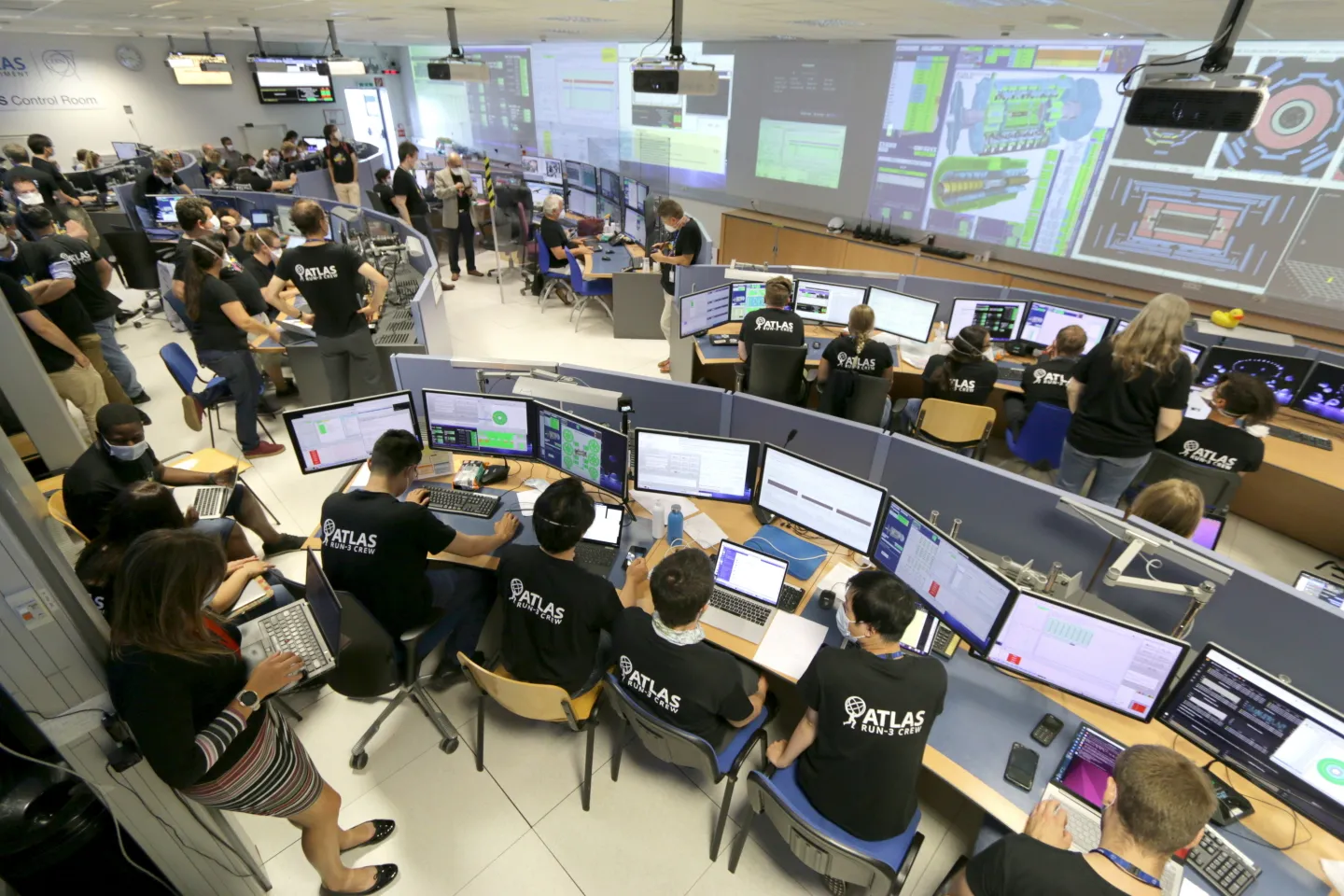
ATLAS resumes operation after LS2 shutdown This year saw the long-anticipated start of the LHC Run 3, and the excitement was tangible in the ATLAS control room during the afternoon of the 5th of July when the LHC proton beams were expected to be brought into stable beam collisions, for the first time at the
-
ALICE records first heavy-ion collisions
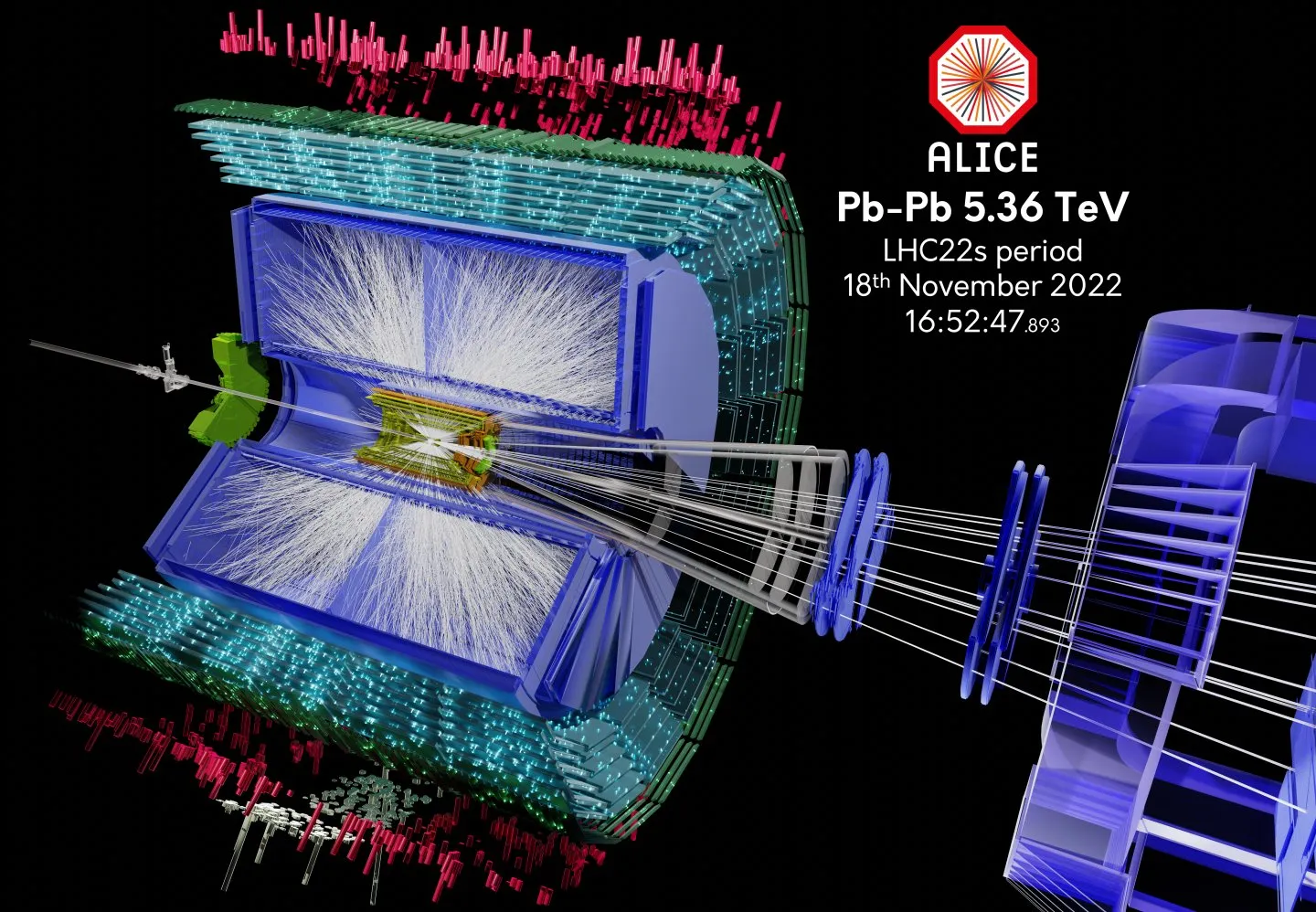
ALICE records first heavy-ion collisions Following an intense period of upgrades, a totally revamped ALICE experiment statred a very challenging period of commissioning with beam and data-taking during the first year of the LHC Run 3. The ALICE detector has undergone a major upgrade during the LHC long shutdown 2. New Inner Tracking System (ITS2,
-
CMS sails to explore new undiscovered territories
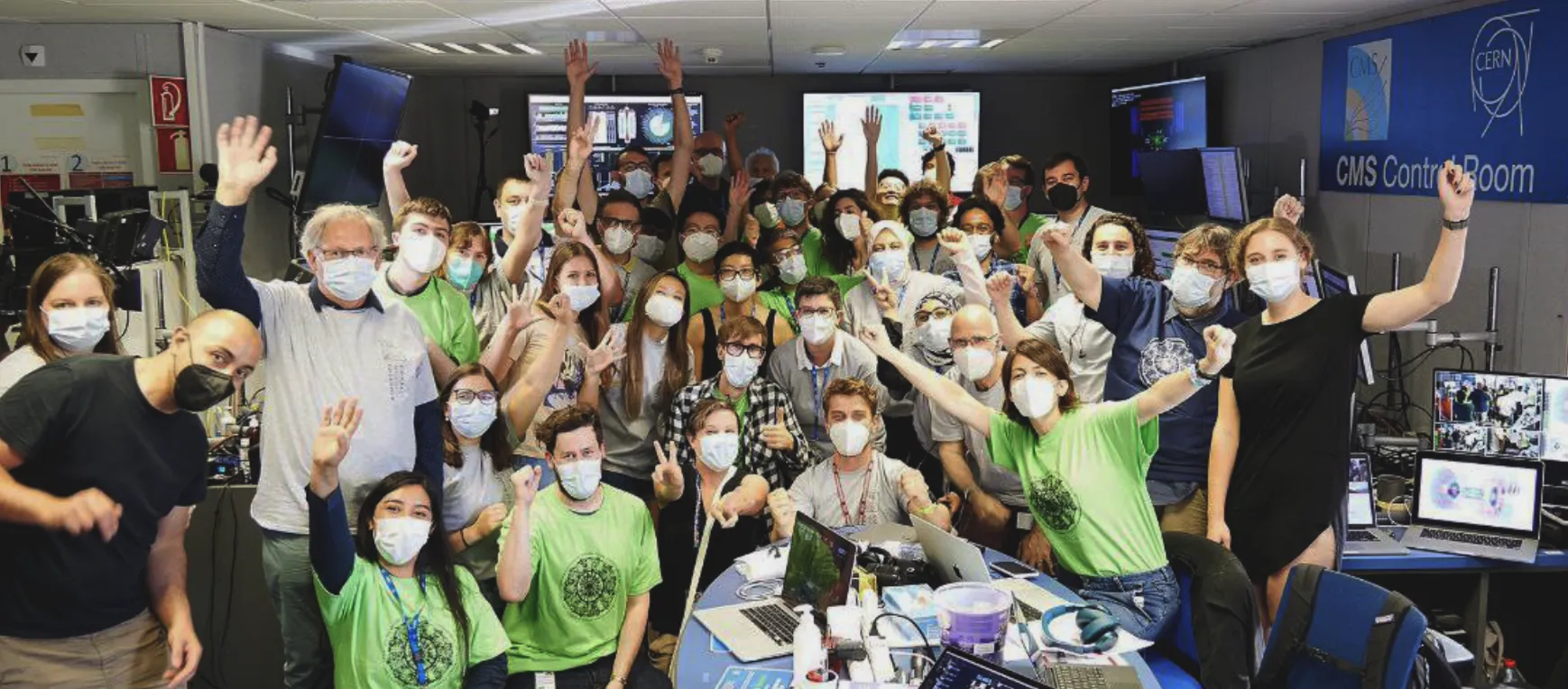
CMS sails to explore new undiscovered territories Run 3 started on July 5, 2022, and paused with the shutdown of the machine on Monday, November 28 at 6 a.m. CMS recorded an integrated luminosity of nearly 40/fb (see Fig. 1, making for a particularly fruitful startup run. Figure 1: Luminosity delivered by LHC and recorded
-
An intense commissioning year at LHCb
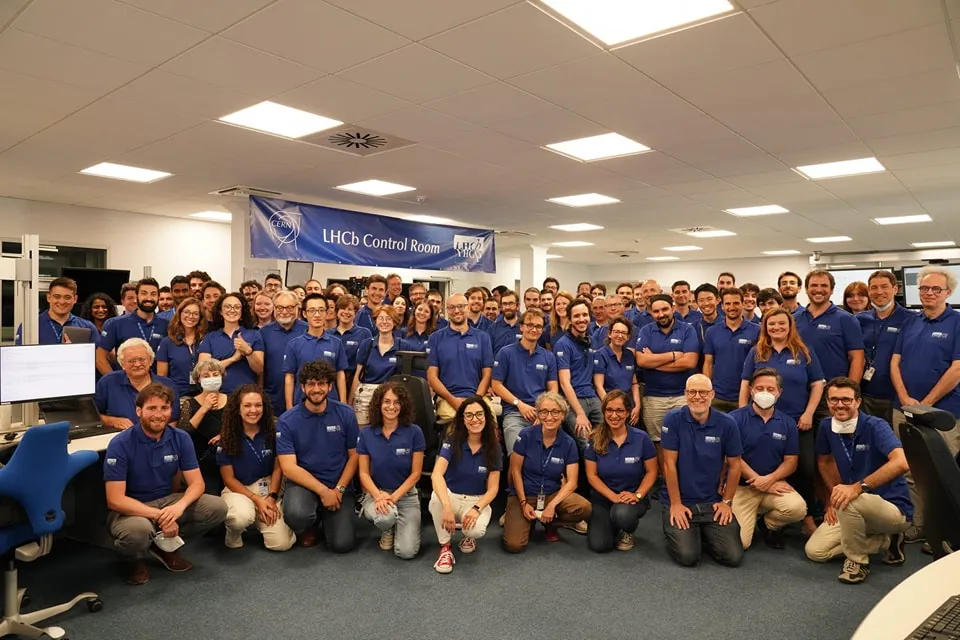
An intense commissioning year at LHCb The restart of data taking in 2022 after the completion of the installation during the Long Shutdown 2 at LHCb marked the first commissioning phase of its new upgraded detector. An impressive amount of work has been achieved throughout the year in the commissioning of the detector, the readout
-

Higgs Boson Physics – The View Ahead
Higgs Boson Physics – The View Ahead The observation of electroweak symmetry breaking in nature implies the existence of Goldstone bosons that provide the longitudinal components of the massive W and Z gauge bosons. A priori, one could have imagined a plethora of possible dynamical models that produce the required Goldstone bosons. Remarkably, the simplest