
Tag: FUTURE COLLIDERS
-
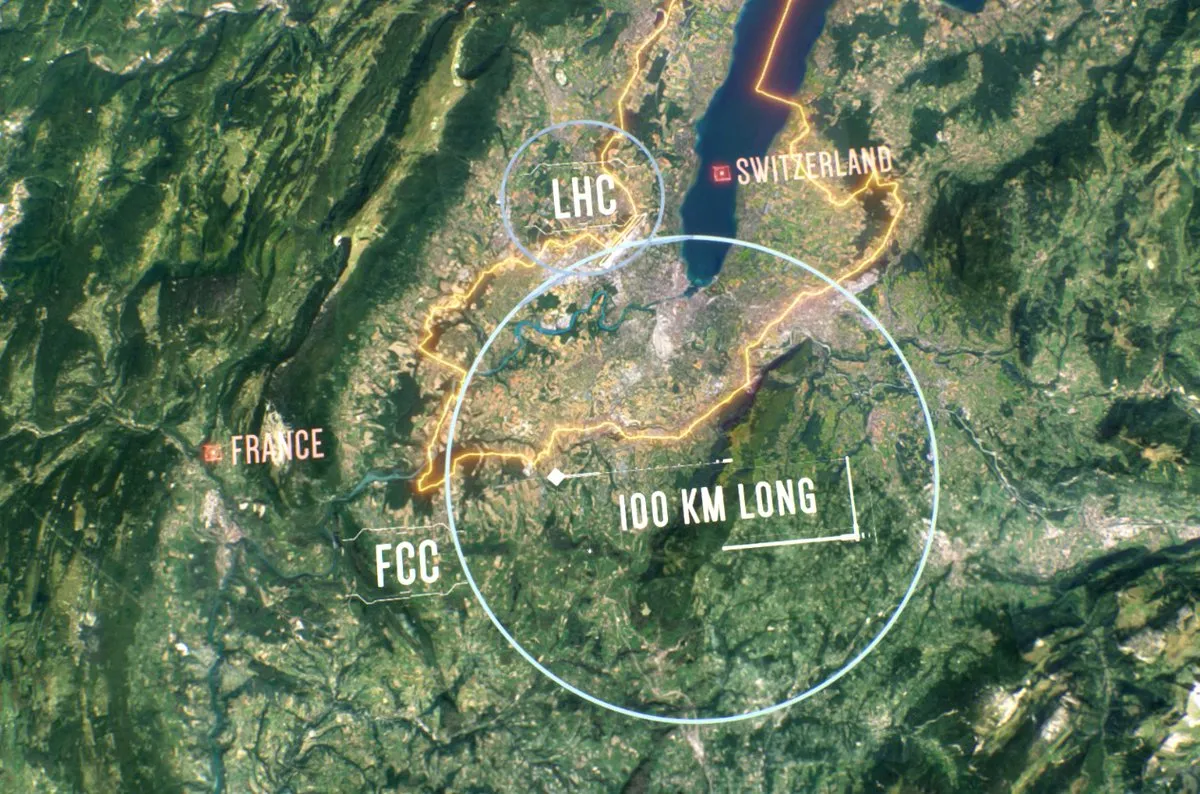
Theory goes forward to meet the FCC-ee strong experimental demands.
Theory goes forward to meet the FCC-ee strong experimental demands. The remarkable precision of LEP and other lepton colliders in the past has been instrumental in testing and understanding the Standard Model. In particular it was able to predict, by their effect on quantum corrections (a.k.a. ’loops’), the masses of the top quark and Higgs
-
Weighing up the LHC’s future
Weighing up the LHC’s future As the LHC’s 2017 run drew to a close late last year, CERN hosted a workshop addressing future physics opportunities at the flagship collider. The first workshop on the physics of High-Luminosity LHC (HL-LHC) and perspectives at High-Energy LHC (HE-LHC) took place from 30 October to 1 November, attracting around
-
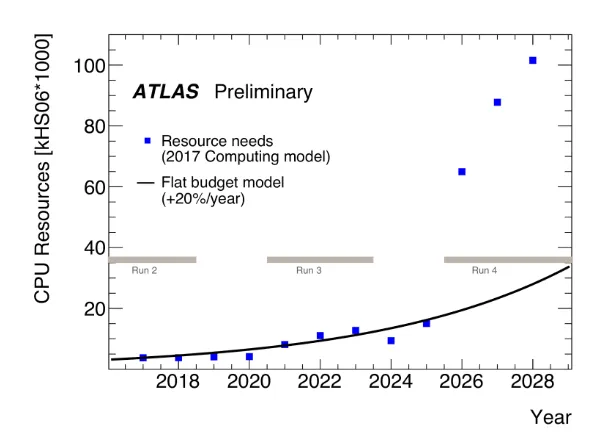
HEP Software Foundation Community White Paper looks forward to the HL-LHC
HEP Software Foundation Community White Paper looks forward to the HL-LHC The High Luminosity LHC programme not only pushes the frontiers of accelerator and detector technology, but it also brings enormous challenges to the software and computing that is used to turn high luminosity data into physics. The scale of the problem is huge –
-
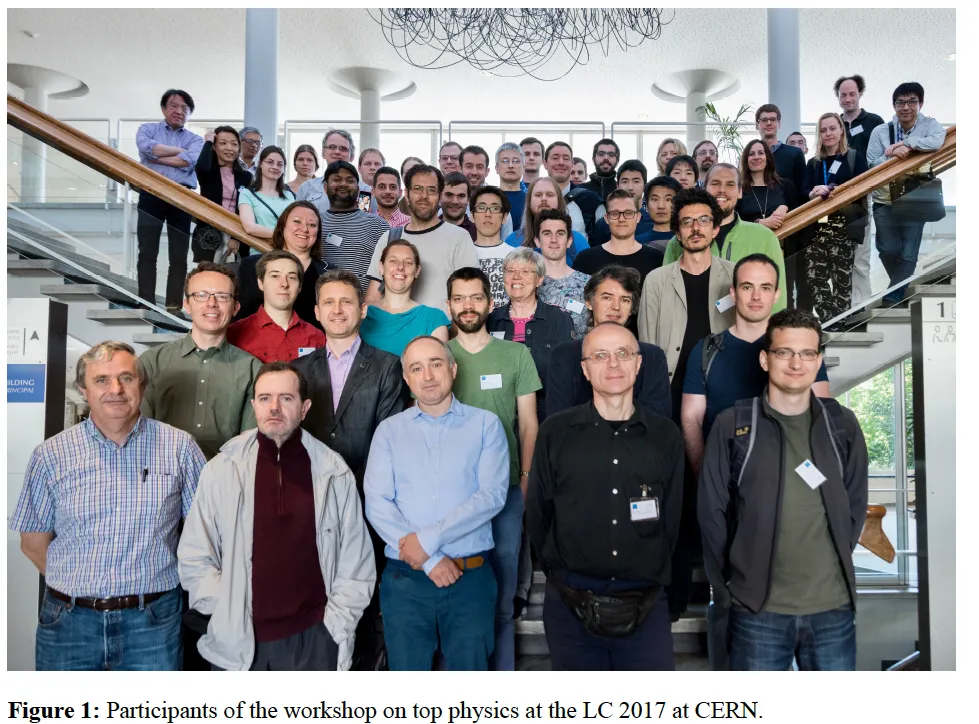
Toward top physics in electron-positron collisions
Toward top physics in electron-positron collisions The heaviest known elementary particle, the top quark, has not been studied in electron-positron collisions so far. A possible future collider such as the ILC, CLIC or FCC-ee would enable a unique top physics program far beyond the capabilities of the HL-LHC. About 60 experts met at CERN from
-
New dosimeter design for FCC
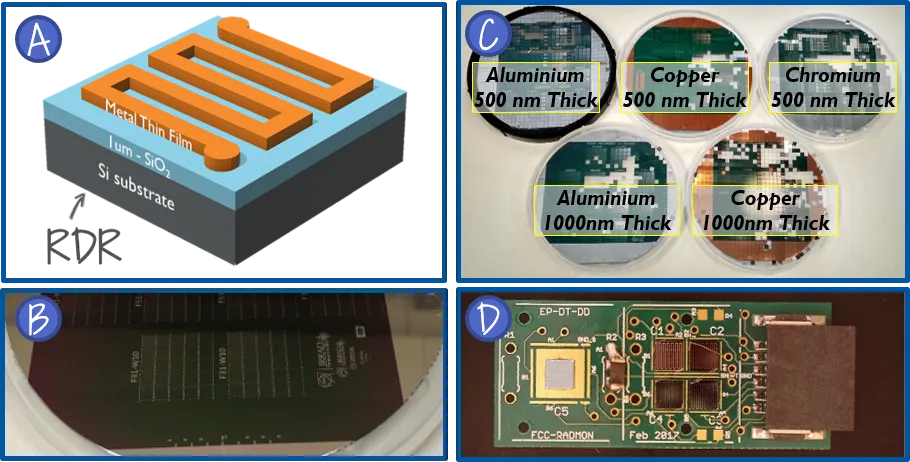
New dosimeter design for FCC The presence of radiation at the LHC may cause damage to sensitive electronics equipment and magnets, jeopardising the operation of the world’s largest and most complex machine. Until now, CERN radiation experts have been using state-of-the-art dosimeters to monitor radioactivity levels in the tunnels and to perform irradiation tests of
-
Highlights from the FCC Week 2017
Highlights from the FCC Week 2017 The 3rd annual meeting of the Future Circular Collider collaboration brought together more than 500 leading minds in engineering, science and industry to discuss the progress of the study and lay the foundations for the FCC design report. The increasing number of participants, coming from 147 institutes, reflect the
-
007 reasons for physics beyond the Standard Model
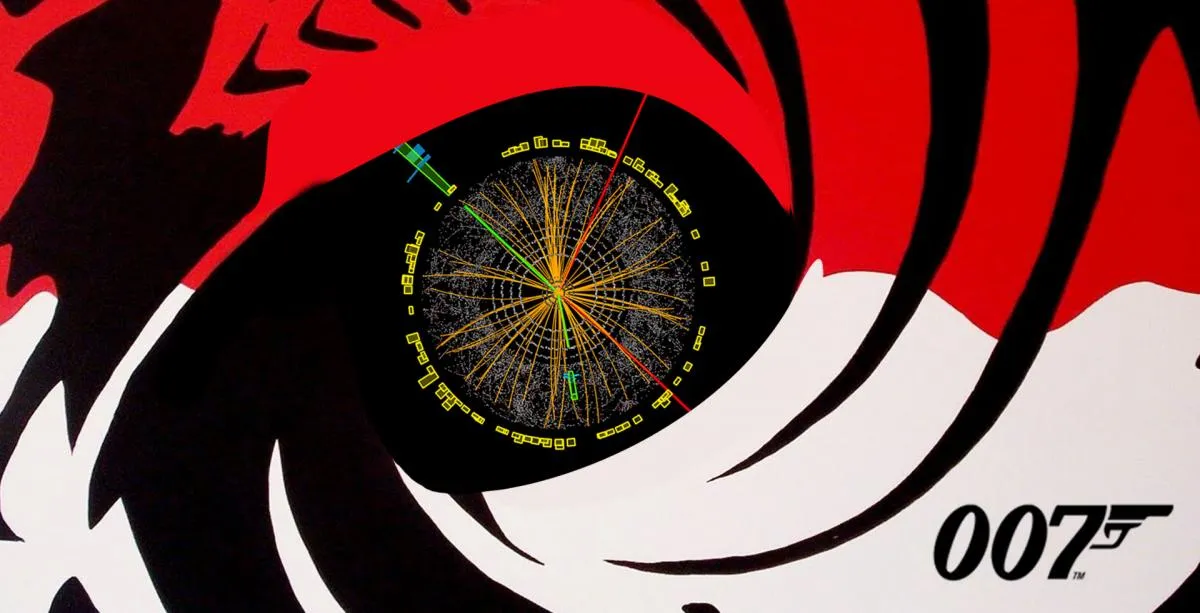
007 reasons for physics beyond the Standard Model The 5th of July marks the fifth anniversary since the discovery of a Higgs boson at the LHC. Summarizing notes for a recent set of lectures at the Asia-Europe-Pacific School of High-Energy Physics, John Ellis reviews events leading to the discovery of the Higgs boson and what
-
A highlight from the CLIC Week 2017
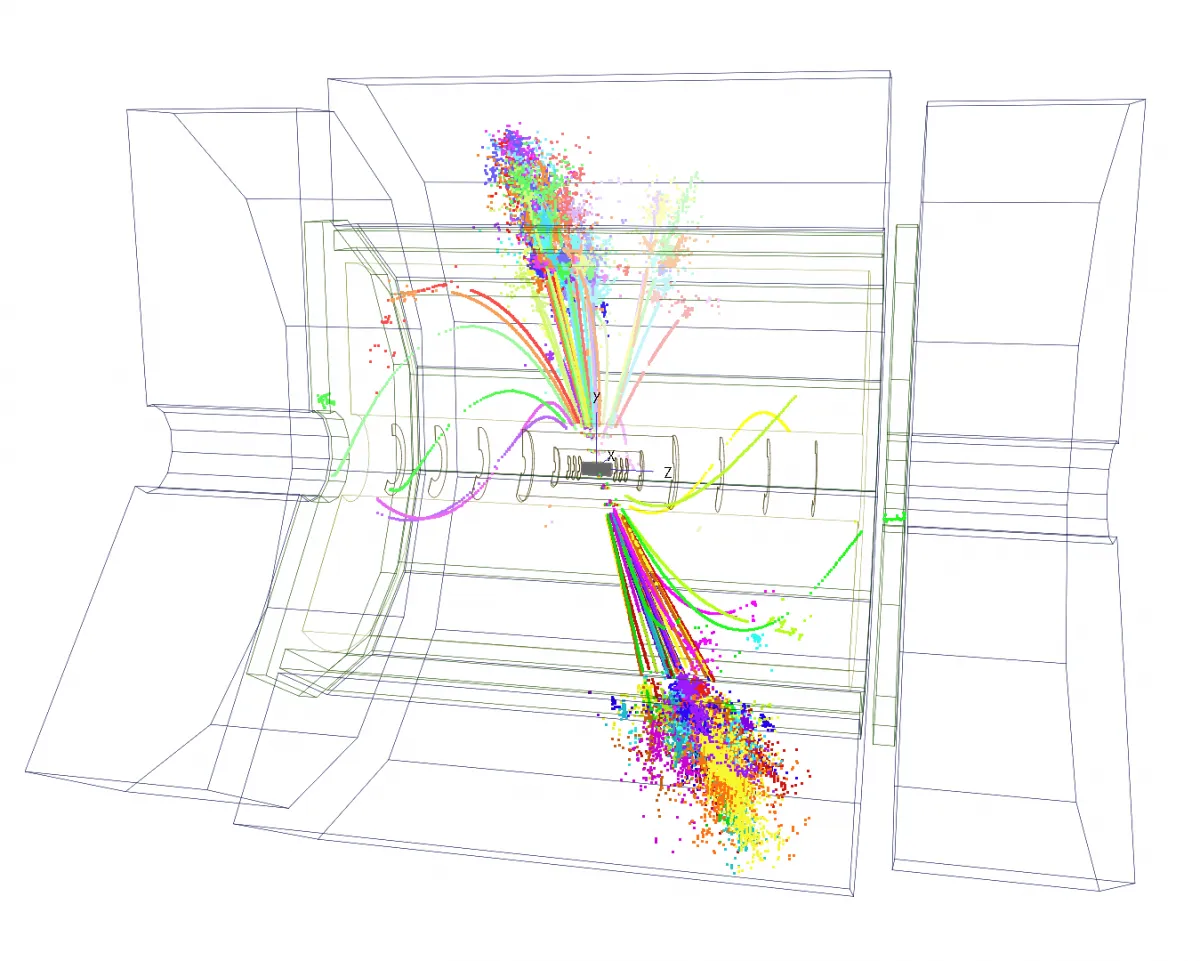
A highlight from the CLIC Week 2017 This March saw the annual workshop of the Compact Linear Collider (CLIC) at CERN, gathering 220 collaborators from over 26 countries to discuss the latest status of the CLIC accelerator and detector studies. Two collaborations exists to study the feasibility of a future electron-positron linear collider at CERN
-
Hunting for right-handed neutrinos: the new game in town
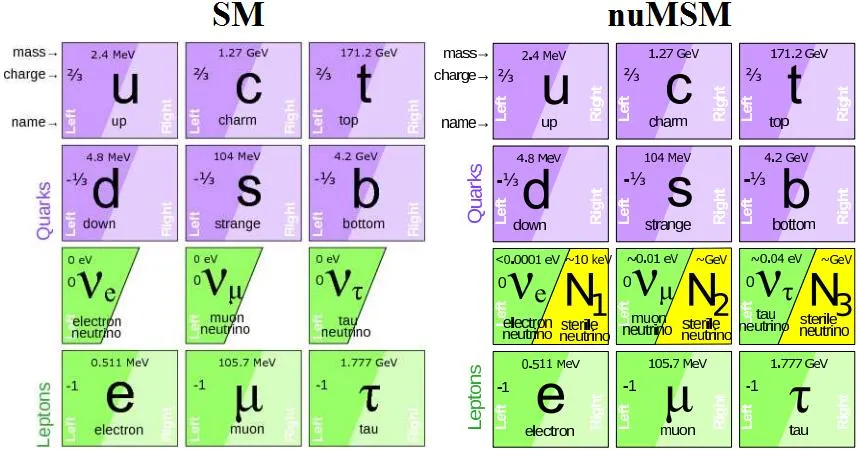
Hunting for right-handed neutrinos: the new game in town What lies behind and beyond the Standard Model is an obsession of particle physicists today. The neutrino physicists have a somewhat different palette of opinions as compared to their colleagues working at the high energy frontier. They consider that the discovery that neutrinos have mass, (which
-
Searching for dark energy with particle colliders
Searching for dark energy with particle colliders 2 GeV. For one type of coupling this is eleven orders of magnitude more stringent than constraints obtained from cosmological and solar system tests, and excludes previously popular models that require the coupling scale to lie close to the dark energy scale, Λ ~ 10 -3 eV. These