
Tag: SME
-
Resolving a long-standing question at ISOLDE
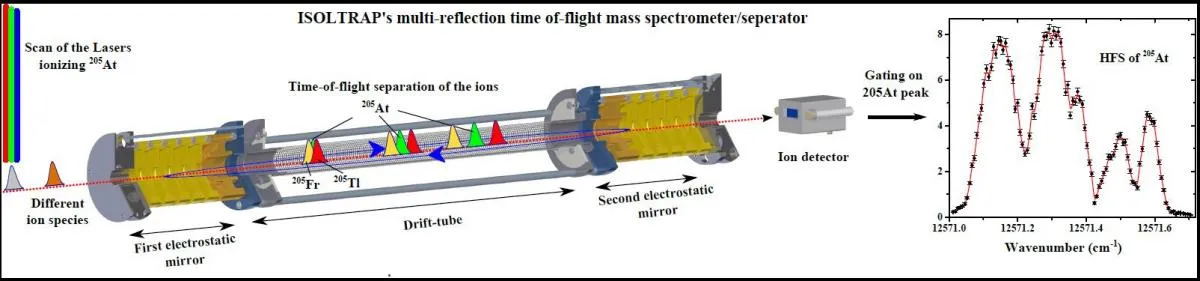
Resolving a long-standing question at ISOLDE Among the many pioneering results that have been published at ISOLDE was the discovery of odd-even staggering in the mean-square charge radius in neutron deficient Hg isotopes in the 1970s, as part of the RADOP experiment which measured the isotopic shifts using optical spectroscopy [1], [2]. Since then, this
-
The MoEDAL Experiment at the Discovery Frontier
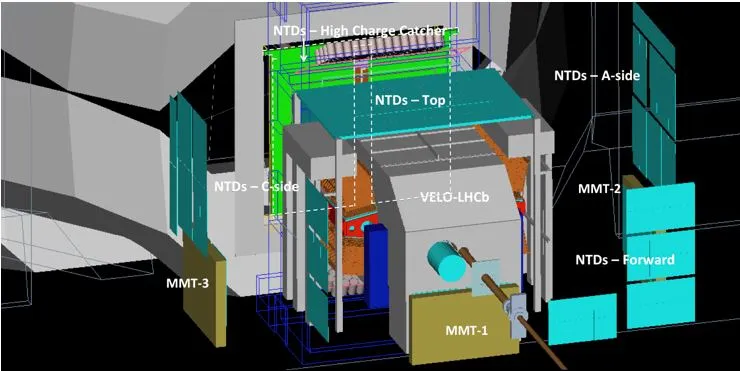
The MoEDAL Experiment at the Discovery Frontier MoEDAL, the LHC’s newest experiment [1], that started official data taking in 2015, is different to other collider detectors. It is currently comprised of passive tracking, using plastic Nuclear Track Detectors (NTDs) and trapping sub-detectors that are capable of retaining a permanent direct record of discovery and even
-
ALPHA-g sees its first antiparticles: does antimatter fall up or down?
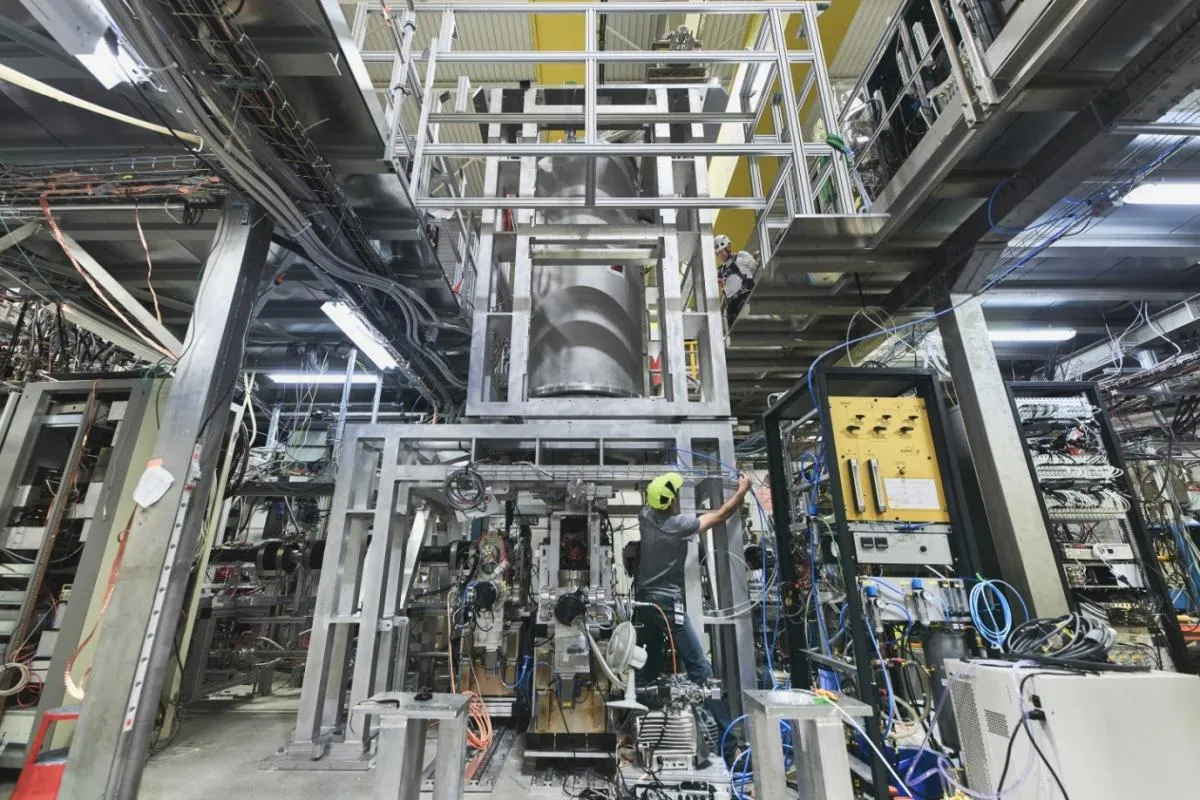
ALPHA-g sees its first antiparticles: does antimatter fall up or down? The ALPHA collaboration working on antihydrogen at the Antiproton Decelerator (AD) in building 193 has successfully expanded their setup with new devices. The previous setup consisted of a positron accumulation device, accumulating positrons from a sodium radiative source, a dedicated catching trap to receive
-

OSQAR experiment sheds light on a hidden sector of CERN’s scientific heritage
OSQAR experiment sheds light on a hidden sector of CERN’s scientific heritage Particle physics is not only confined to the high energy frontier. There are unexplored territories at ultra-low energies, of sub-eV to eV, which are also very promising, such as for example in dark matter (DM) searches. The emblematic particle of this physics is
-
Anti-nuclei in the cosmos and at the LHC
Anti-nuclei in the cosmos and at the LHC The ALICE collaboration has recently released several measurements on the production of anti-deuterons and anti-3He in proton-proton and Pb-Pb collisions at LHC energies. These results are not only interesting for the study of the hot QCD medium produced in heavy- ion collisions, but they also provide crucial
-
Experimental searches for solar and dark matter axions
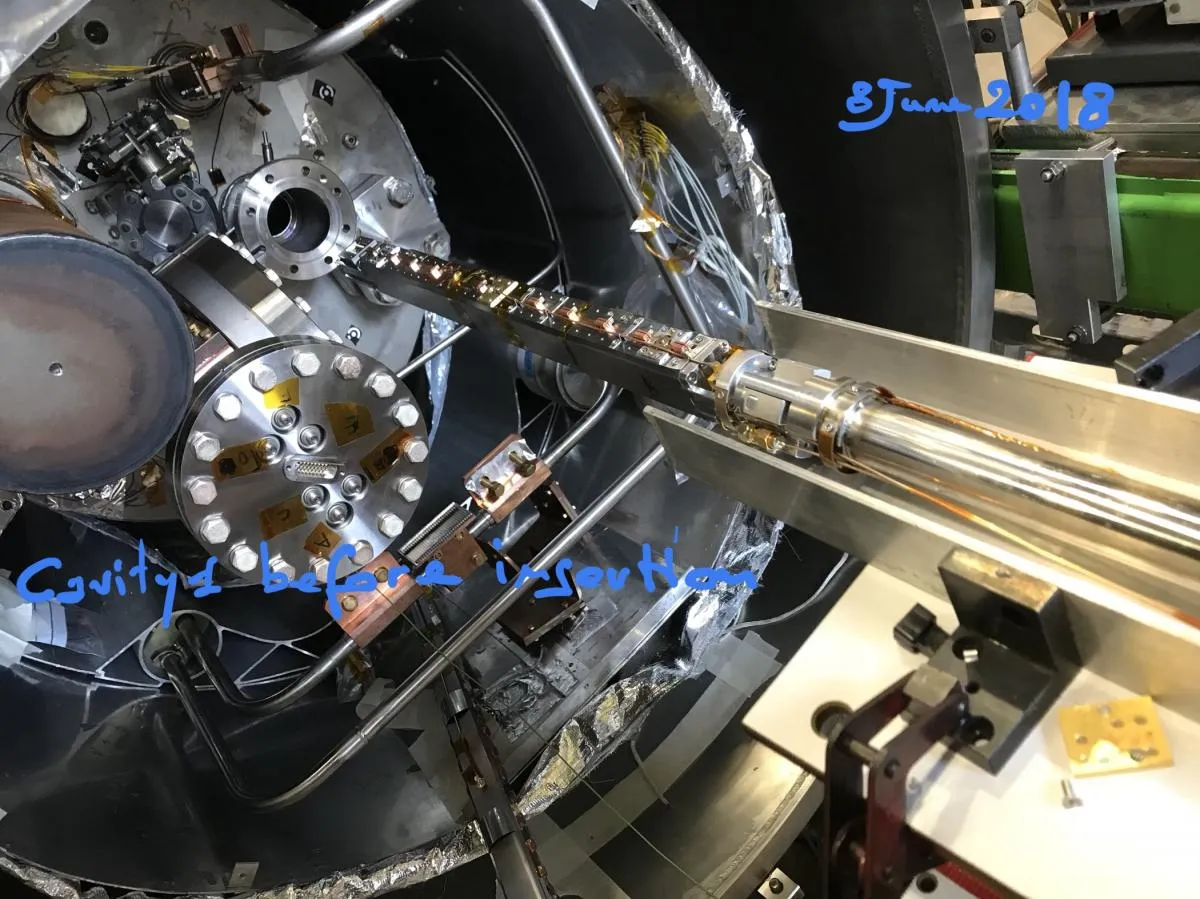
Experimental searches for solar and dark matter axions Detection of solar axions If axions exist, they would be produced in large quantities in the solar interior. Photons from the solar plasma would convert into axions in the Coulomb fields of charged particles via the Primakoff axion-photon conversion. Once produced, axions get out of the star
-
Cloud(y) climate studies at CERN
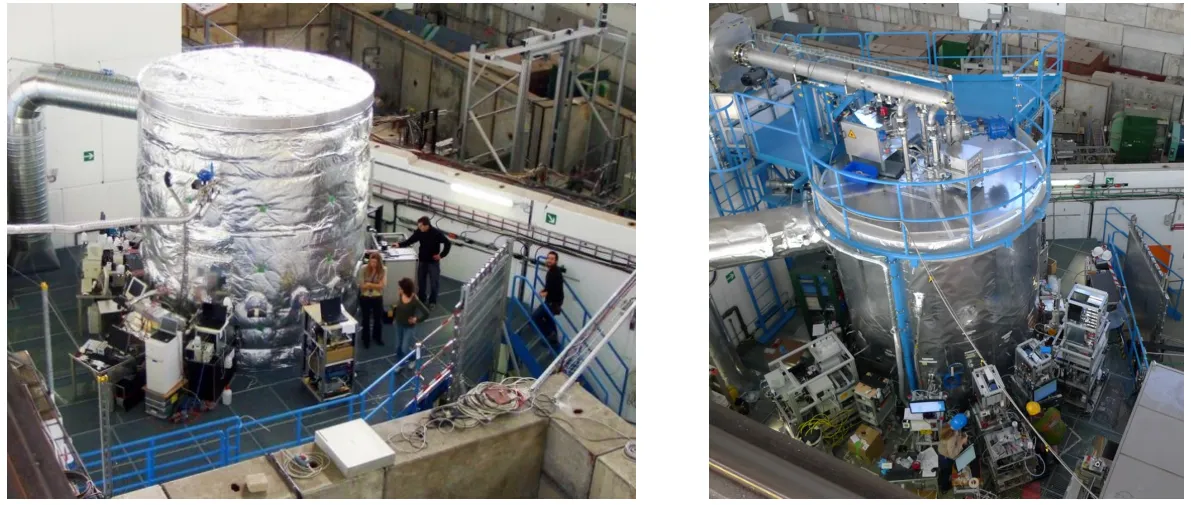
Cloud(y) climate studies at CERN Continuous improvements to the CLOUD facility as well as to the instruments combined with the state of the art know-how available at CERN have enabled a steady increase in the measurement capabilities and resulted in numerous high impact publications. This combination reflects CLOUD's world leading role in experimental laboratory studies
-
ALPHA new results: pushing the limits in antimatter research
ALPHA new results: pushing the limits in antimatter research In a paper published this week in Nature, the ALPHA collaboration reports the most precise direct measurement of antimatter ever made, revealing the spectral structure of the antihydrogen atom in unprecedented accuracy. The result marks a new era of high precision tests between matter and antimatter
-
BabyMIND records first muon tracks
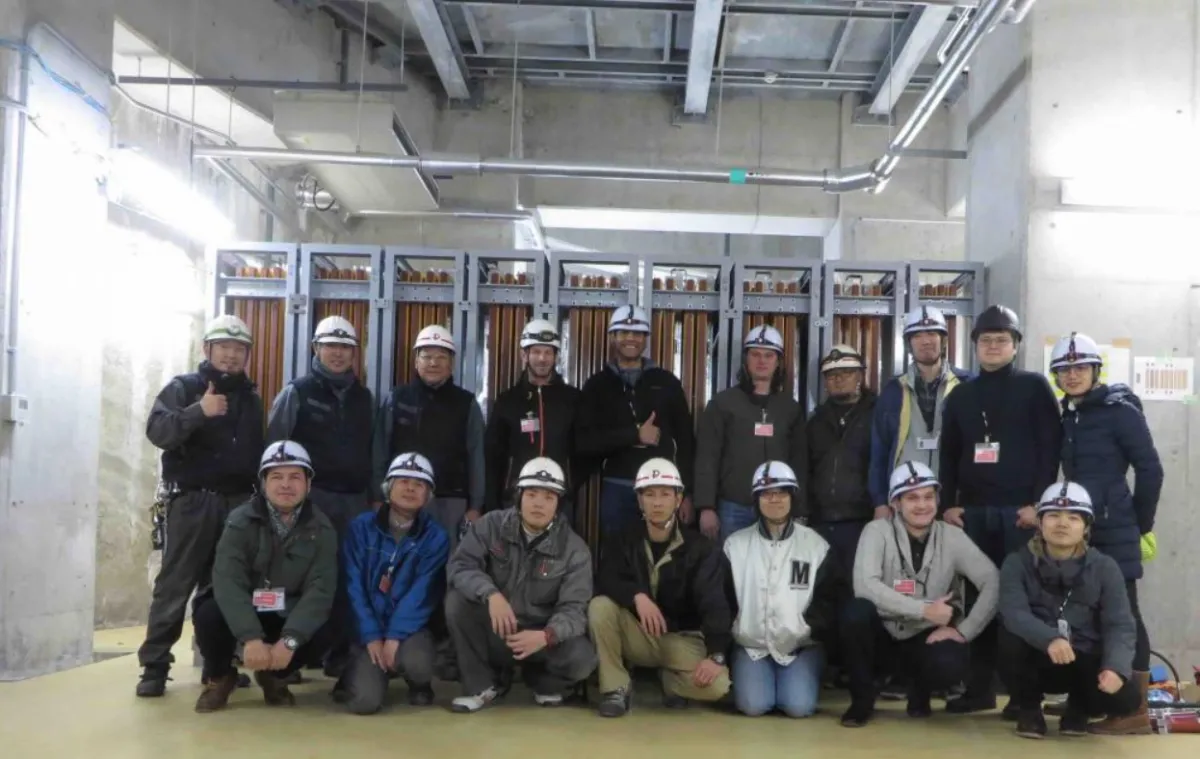
BabyMIND records first muon tracks Assembled as part of project NP05 at the CERN Neutrino Platform, the Baby MIND muon spectrometer has been recording its first muon tracks from neutrino interactions at J-PARC since 10th March. Baby MIND is designed to determine the momentum and charge of muons that are the product of neutrino interactions
-
AMS looks at Cosmic Galactic Rays
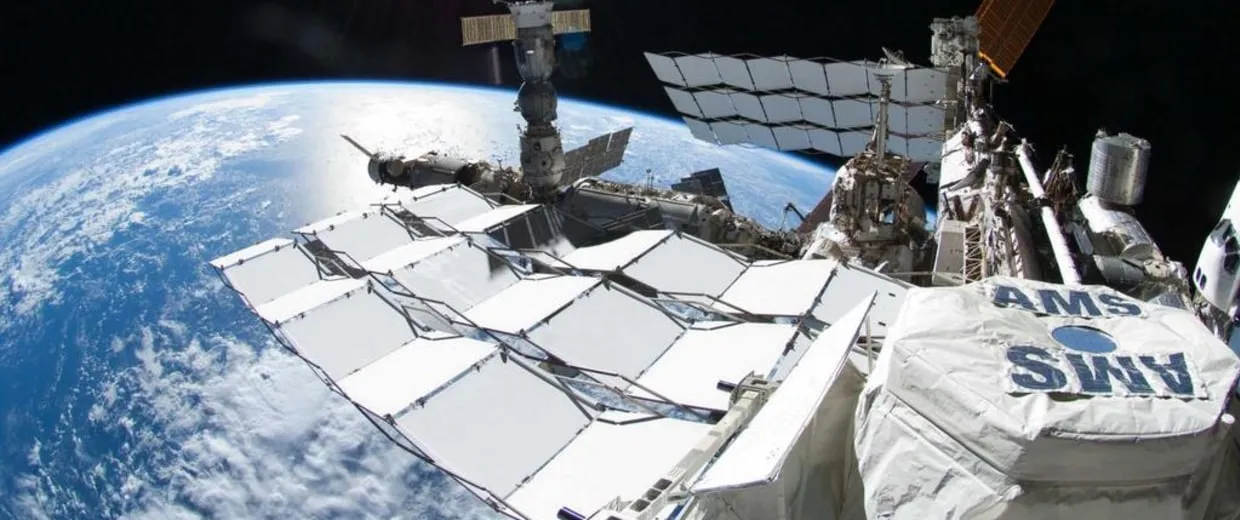
AMS looks at Cosmic Galactic Rays The Alpha Magnetic Spectrometer (AMS) is a state-of-the-art particle physics experiment operating on the International Space Station (ISS) since May 2011. In the first 6 years of missions, AMS has detected over 100 billion cosmic ray (CR) particles. Recently, it has released new results on proton, antiproton, lepton, and