
Tag: SME
-
MOEDAL first results at the LHC’s discovery frontier
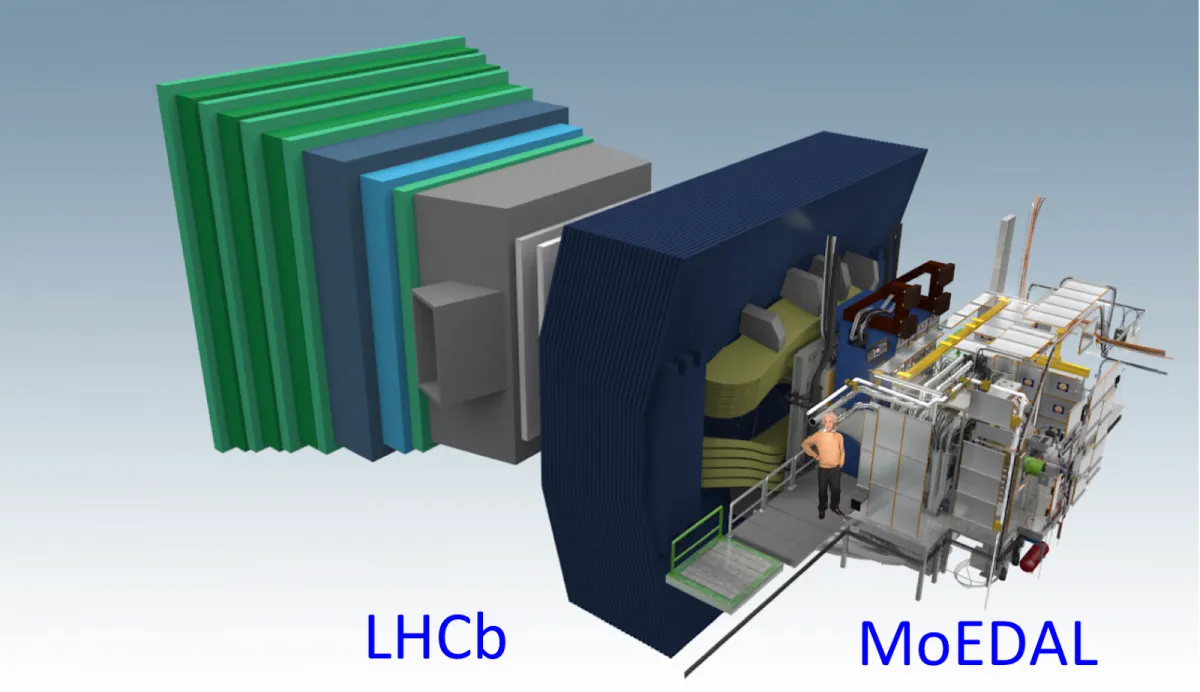
MOEDAL first results at the LHC’s discovery frontier In 2010 the MoEDAL experiment at the Large Hadron Collider (LHC) was approved, as the LHC’s newest experiment, to start data taking in 2015. MoEDAL is a pioneering experiment designed to search for highly ionizing avatars of new physics such as magnetic monopoles or massive (pseudo-)stable charged
-
First measurements of the antihydrogen spectrum
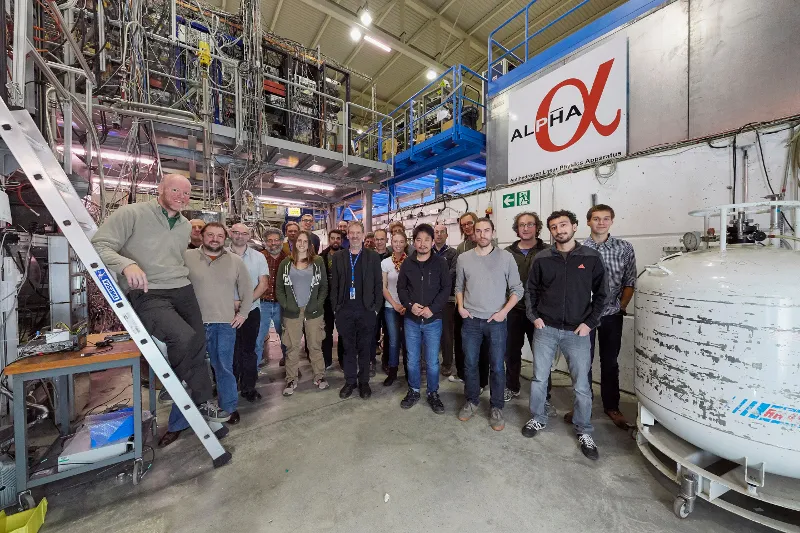
First measurements of the antihydrogen spectrum For many years, atomic spectroscopy allowed the determination of the composition of an element by its electromagnetic spectrum. Every chemical element has a unique `signature' which can be revealed by analyzing the light it gives off. Measuring how elements emit or absorb light allows scientists to characterize atoms and
-
NA61/SHINE efforts in support of the US Neutrino Physics Program
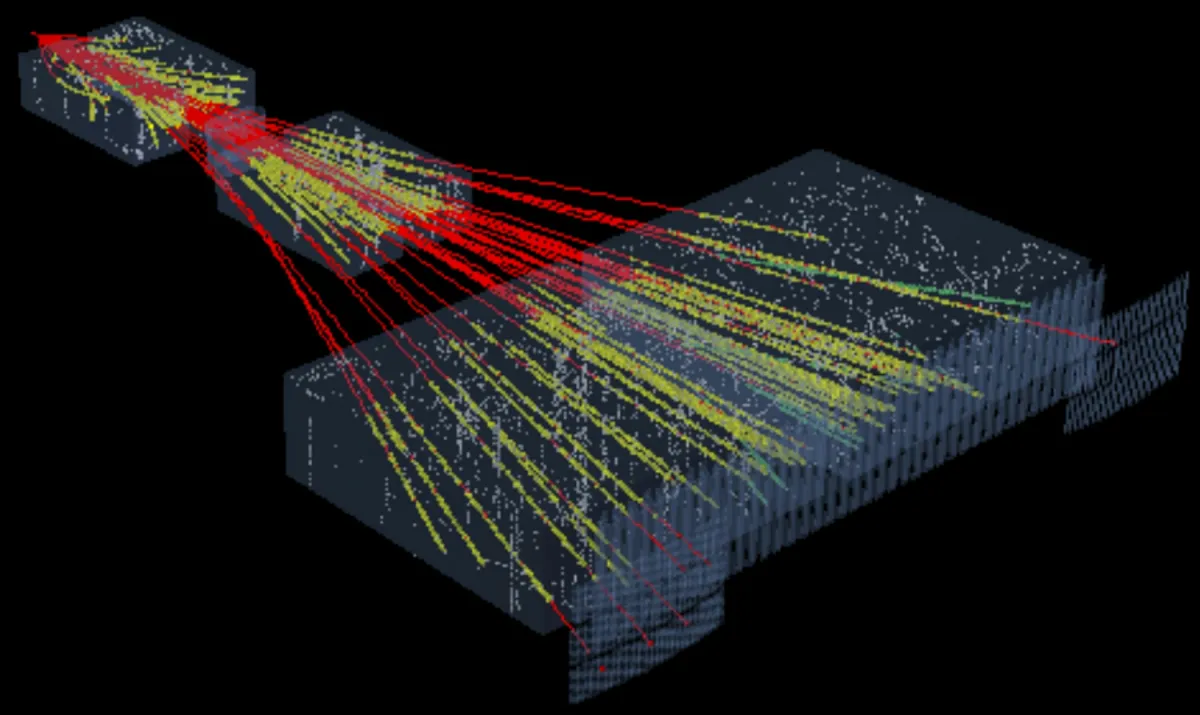
NA61/SHINE efforts in support of the US Neutrino Physics Program Since neutrinos are charge-less, they cannot be accelerated and steered with magnets as typically done at a particle accelerator. To create a neutrino beam, researchers accelerate charged protons and impinge them onto a fixed target of a few interaction lengths that are typically made of
-
A new experiment searching for dark matter at CERN
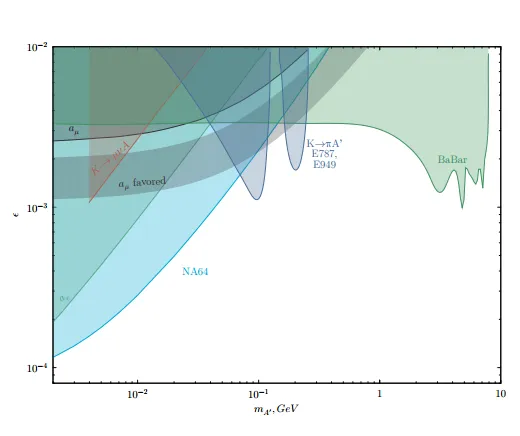
A new experiment searching for dark matter at CERN One of the biggest puzzles in physics is that eighty-five percent of the matter in our universe is “dark”: it does not interact with the photons of the conventional electromagnetic force and is therefore invisible to our eyes and telescopes. Although the composition and origin of
-
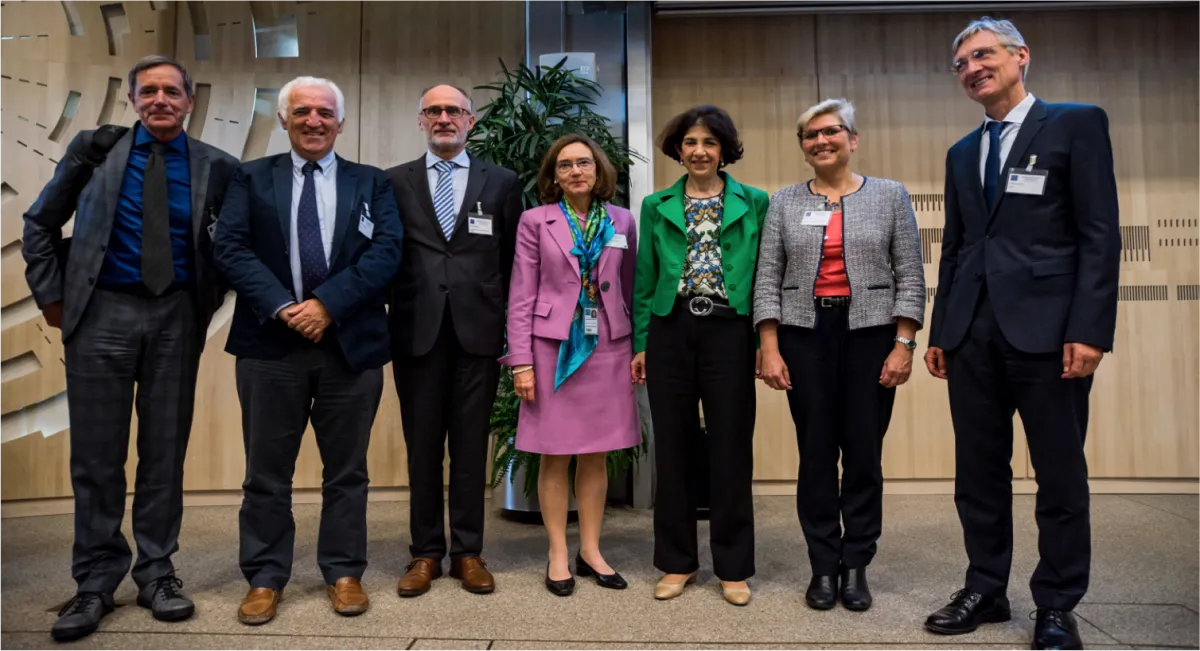
HIE-ISOLDE celebrates the end of the first stage of the energy upgrade and the great physics outcome.
HIE-ISOLDE celebrates the end of the first stage of the energy upgrade and the great physics outcome. There was an air of celebration at CERN on Wednesday 28th September as nearly 100 invited guests gathered to mark the successful completion of phase 1 of the HIE-ISOLDE project, which aims to provide higher intensity and energy
-
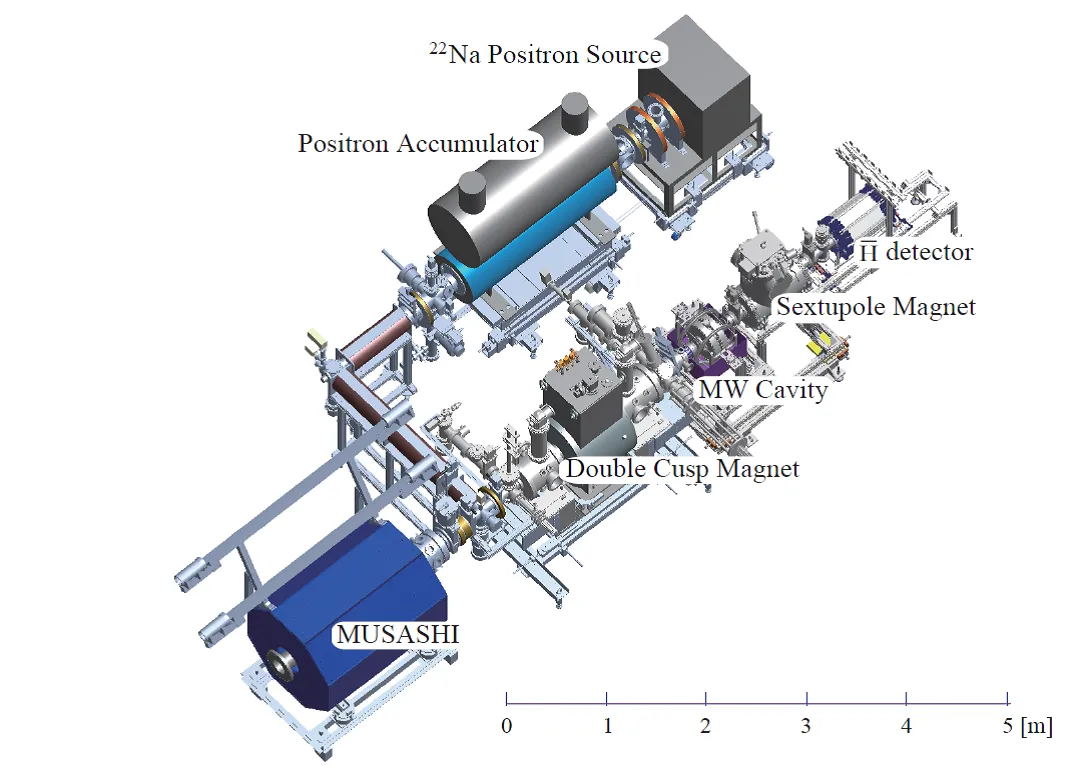
ASACUSA Collaboration at CERN AD
ASACUSA Collaboration at CERN AD ASACUSA (atomic spectroscopy and collisions using slow antiprotons) now works mainly on two subjects, 1) antihydrogen ground-state hyperfine splitting measurement, and 2) antiprotonic helium laser spectroscopy. Both of these aim at CPT tests. ASACUSA collaboration has a unique infrastructure called the RFQD (radiofrequency quadrupole decelerator), an inverse linac, which decelerates
-
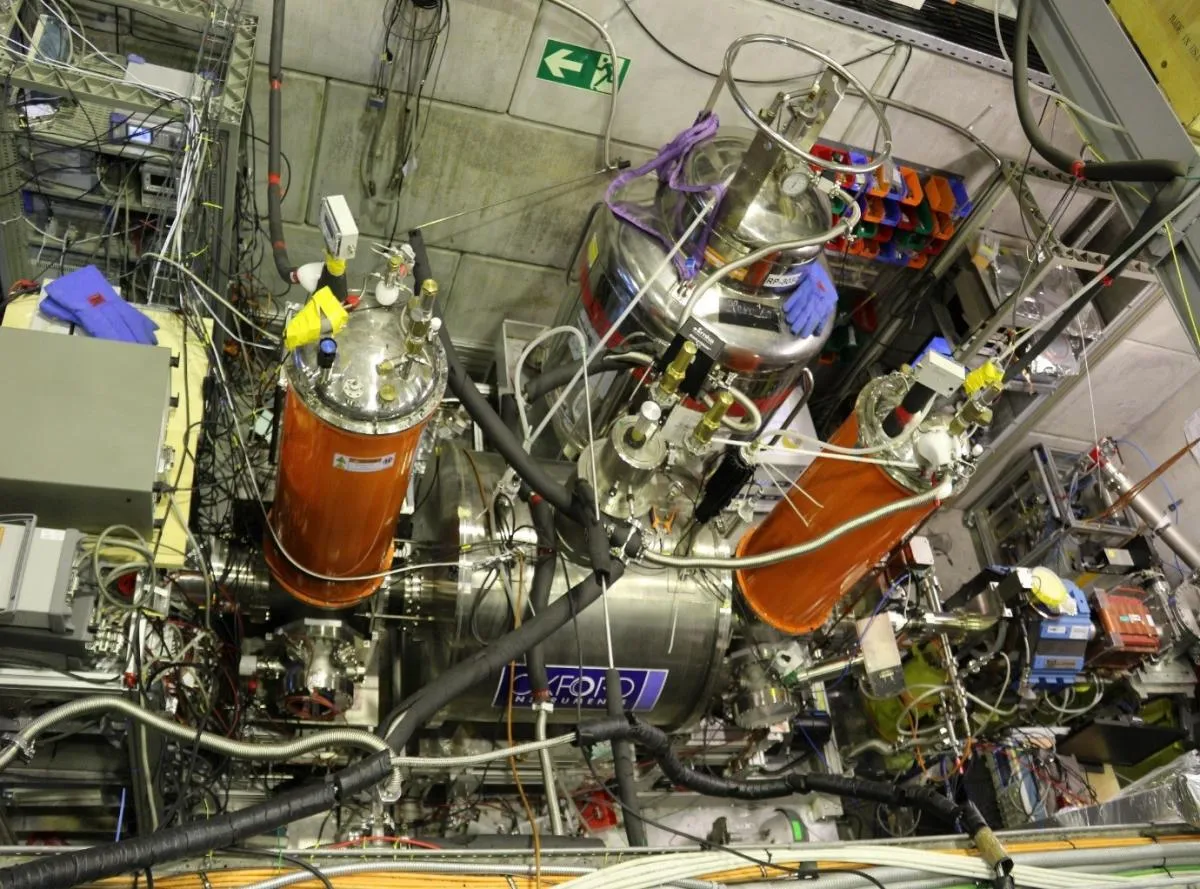
The BASE Experiment
The BASE Experiment BASE is a Japanese / German collaboration at the antiproton decelerator facility which was approved in 2013. The goal of the effort is to conduct Penning trap based high-precision investigations of the fundamental properties of protons and antiprotons. These type of experiments provide stringent tests of the fundamental charge, parity, time invariance,
-
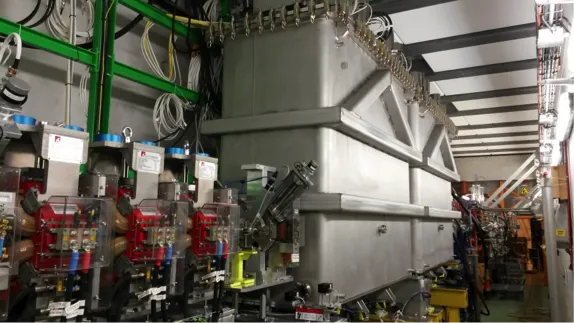
HIE-ISOLDE: Stage 1 fully installed
HIE-ISOLDE: Stage 1 fully installed ISOLDE is CERN’s radioactive beam facility that produces low energy and post-accelerated beams. The high energy and intensity, average intensity of 2 μA, of the proton beam from the PS booster on different thick targets produces high quality intense beams of rare nuclei. The ISOLDE facility at CERN offers the
-

MoEDAL releases new mass limits for the production of monopoles
MoEDAL releases new mass limits for the production of monopoles In April, the MoEDAL collaboration submitted its first physics-research publication on the search for magnetic monopoles utilising a 160 kg prototype MoEDAL trapping detector exposed to 0.75 fb–1 of 8 TeV pp collisions, which was subsequently removed and monitored by a SQUID magnetometer located at
-
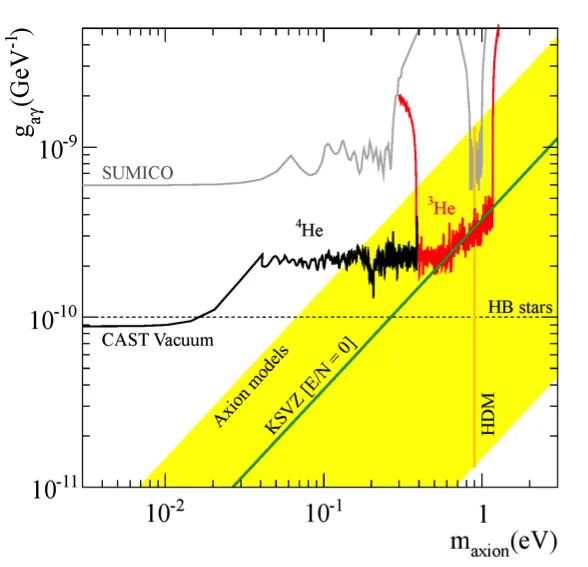
CAST in Time – The Quest for Axions and Chameleons
CAST in Time – The Quest for Axions and Chameleons Dark Matter makes up a quarter of the universe and is five times more abundant than normal matter such as neutrons, protons, electrons and neutrinos. Without it, galaxies would fall apart, and stars would spin off into space. Yet we have not identified what dark