
Tag: Interviews and Features
-
Google Summer of Code brings Students to HEP Software Projects
Google Summer of Code brings Students to HEP Software Projects Google Summer of Code is a programme that brings together students wanting to code for Open Source software projects and mentors who can introduce them to exciting projects and the full software development cycle. As a major supporter of Open Source software the EP-SFT group
-
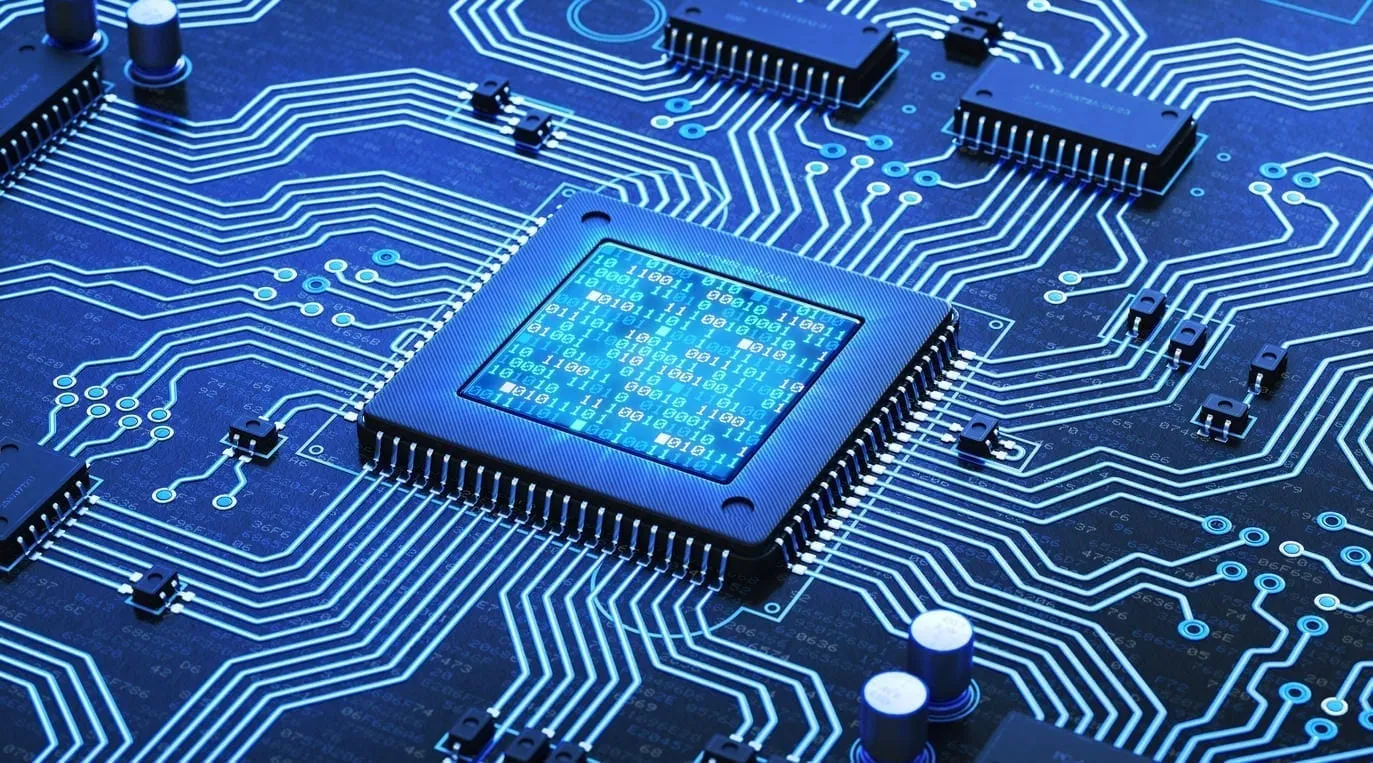
System-on-Chip in Particle Physics Experiments
System-on-Chip in Particle Physics Experiments Many experiments in particle physics use custom-built electronics boards in order to perform event triggering and data readout. For many years now, those electronics boards have been using Field-Programmable Gate Arrays (FPGAs) for processing data. An FPGA is a type of integrated circuit that is reconfigurable and that provides fast
-
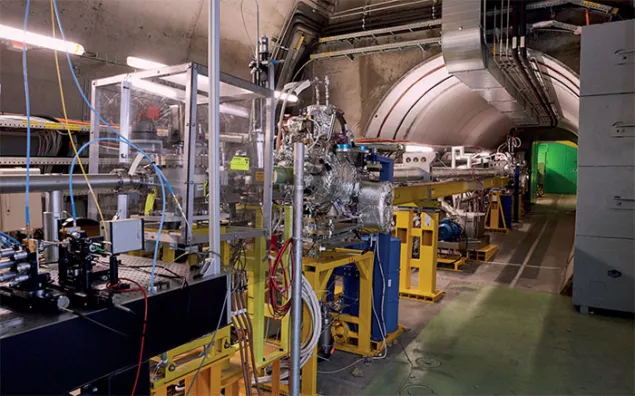
AWAKE gears up for its Second Run
AWAKE gears up for its Second Run CERN’s Long Shutdown 2 (LS2) proved an excellent opportunity for the Advanced Wakefield (AWAKE) experiment to consolidate its plans and prepare for its second run following the successful results from Run 1. We met with Giovanni Zevi Della Porta, the run coordinator, to discuss the lessons carried forward
-
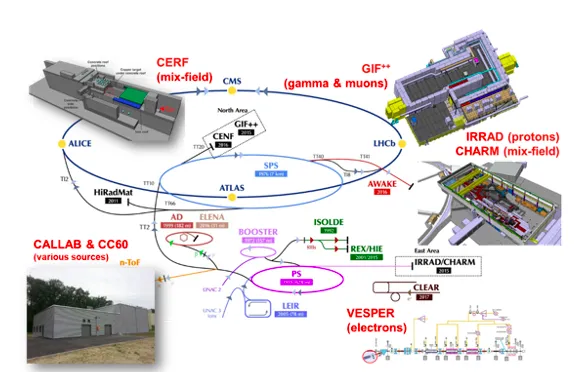
CERN’s irradiation facilities eye to the future
CERN's irradiation facilities eye to the future CERN operates several unique in-house radiation-test facilities and makes use of a broad variety of external facilities to satisfy the needs of users from experiments and equipment groups in the Research and Computing (RCS) and Accelerators and Technology (ATS) sectors. To assess the current facilities and testing needs,
-

New pathways in axion searches
New pathways in axion searches Peering through telescopes we have found a deluge of evidence for dark matter. Given the speed that galaxies rotate, as well as theoretical calculations about the evolution of large-scale structure in the Universe, dark matter should make up 85% of the matter in the Universe. Despite considerable evidence in support
-
Setting a roadmap for R&D on Detector Technologies
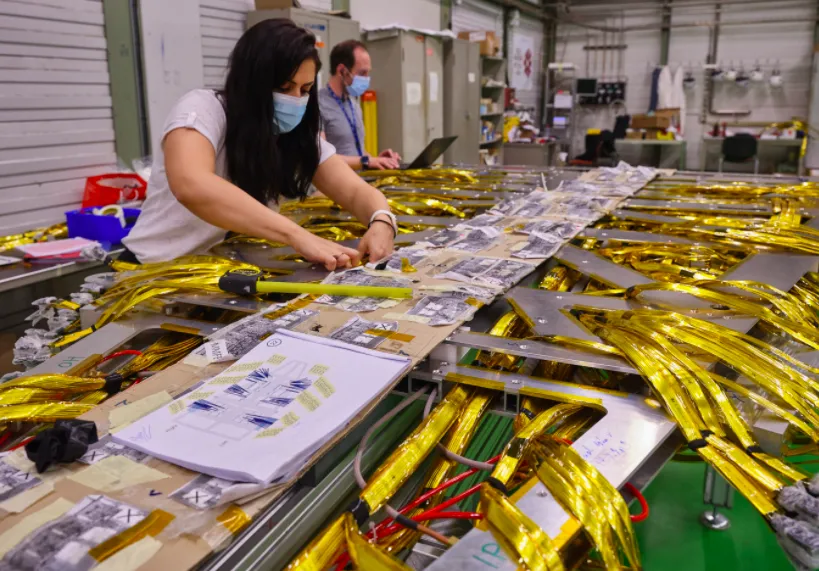
Setting a roadmap for R&D on Detector Technologies Research is a global game, yet to be successful requires coordination at regional, national and international level. The success of the LHC programme highlights the role of open-door policies and diverse bottom-up community initiatives in technological R&D for the efficient construction and operation of the accelerator and
-
Designing gas transport parameters for future HEP experiments
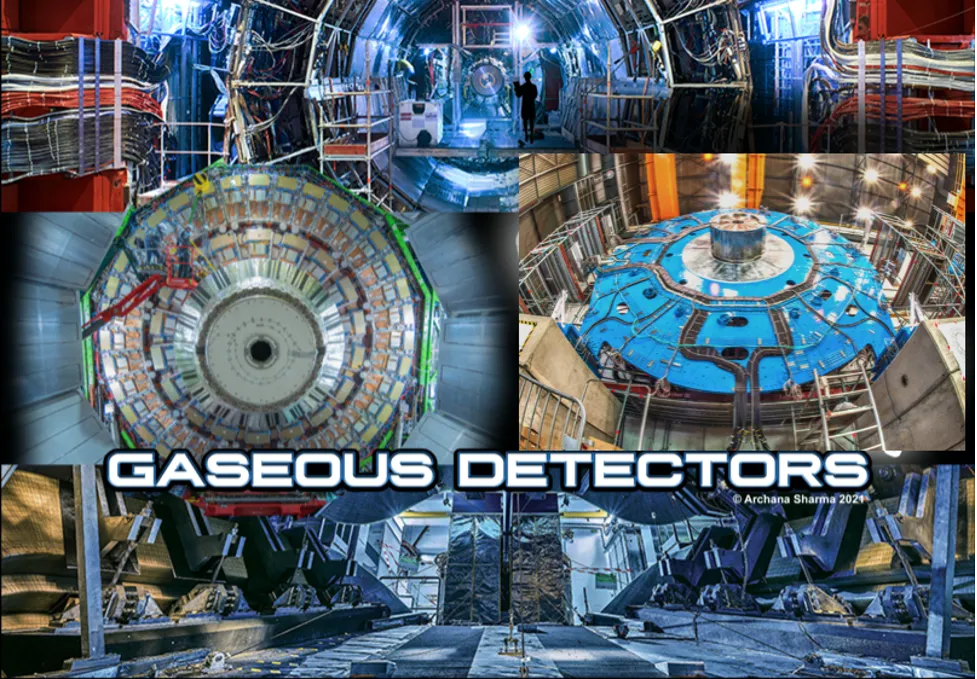
Designing gas transport parameters for future HEP experiments Fig. 1 Large experimental systems at LHC, comprising various gaseous detectors covering thousands of m2, providing tracking and triggering for muons. Given their large areas and cost effectiveness, particle physics experiments rely heavily on the detection of charged and neutral radiation with gaseous detectors. The operational gas
-
Mighty magnets for particle detectors
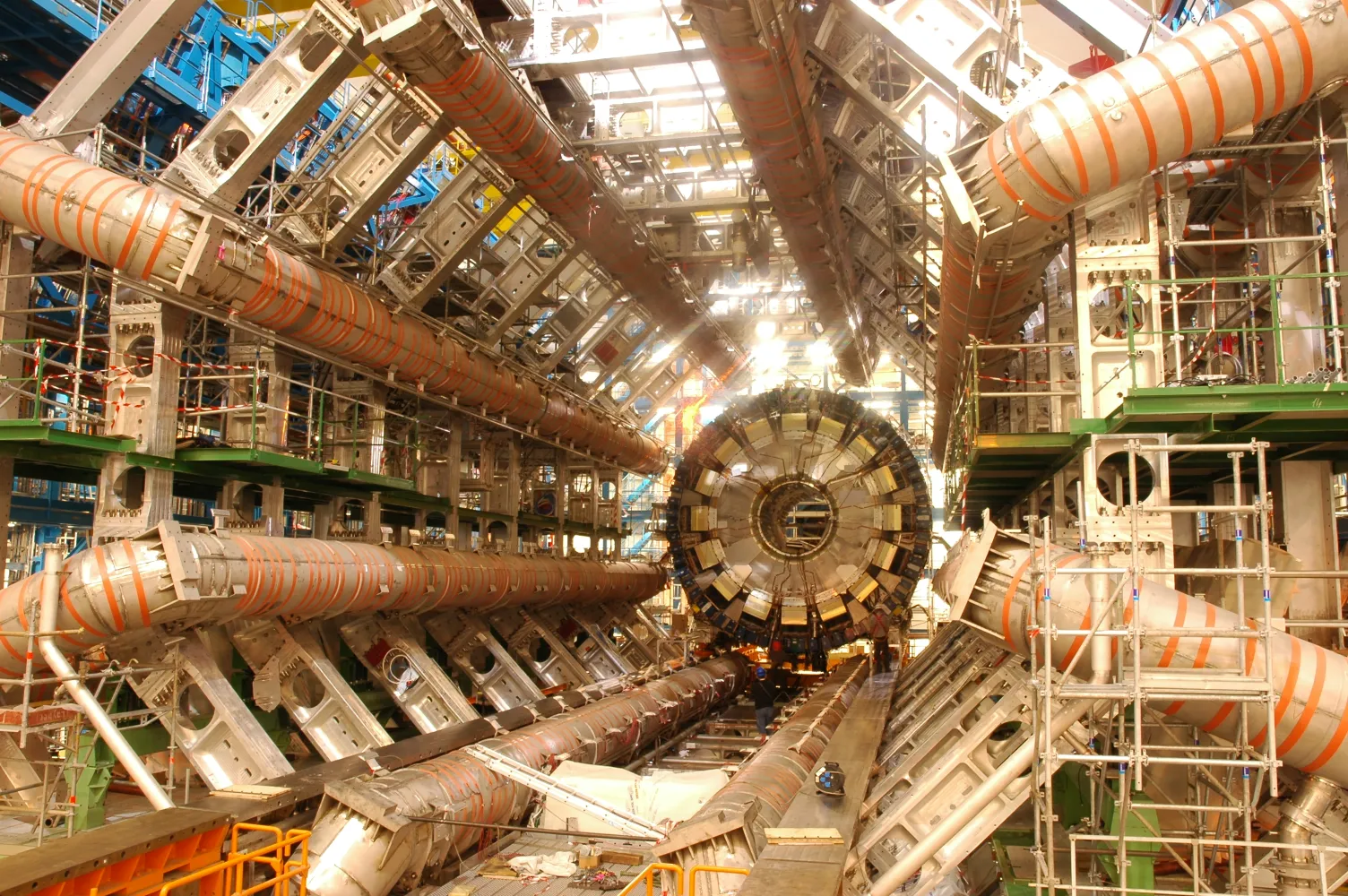
Mighty magnets for particle detectors The ATLAS Magnet Team, part of the EP-ADO-SO section, has the principal responsibility for the maintenance and operation of the ATLAS Superconducting Magnets. This effort is supported by a large number of colleagues, in particular from EP-DT, TE-CRG, EP-ADO, SY-EPC, EN-CV, EN-EL, and the institutes IHEP-Protvino (arranged by TE-MPE) and
-
LHC takes on the SMEFT challenge
LHC takes on the SMEFT challenge The quest for new physics at the LHC is entering a new phase: the experiments are designing new strategies to target potential deviations from the Standard Model (SM) predictions in a systematic way, to complement the traditional “bump hunts” and, potentially, extend their sensitivity to mass regions beyond the
-
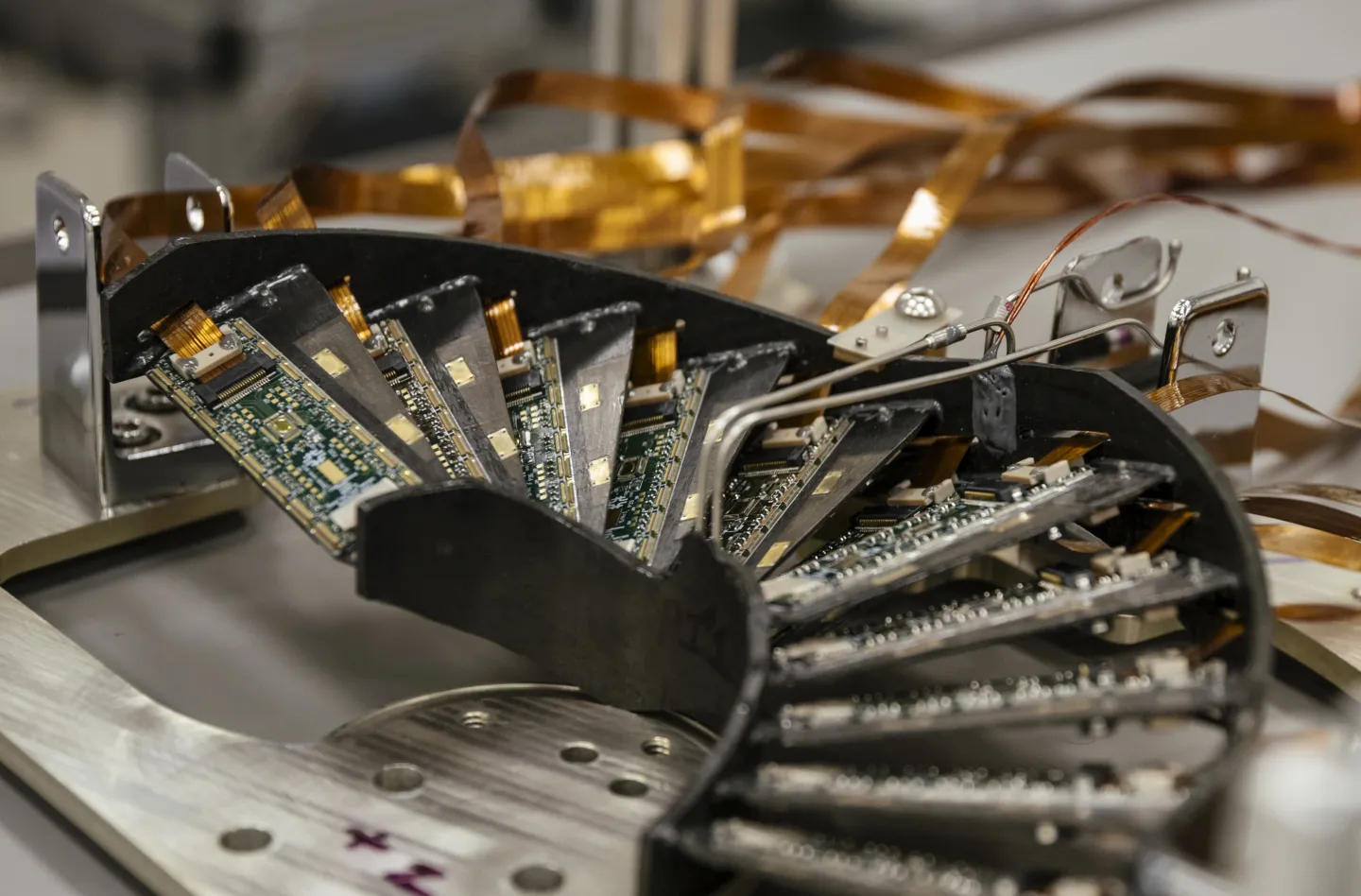
AIDAInnova: Tailwind from the EC for concerted detector development
AIDAInnova: Tailwind from the EC for concerted detector development For more than two decades, a number of coordinated initiatives in Europe have targeted the fundamental and technological issues associated with the development and exploitation of the most advanced detectors for particle physics research. From the first type of detectors including photographic plates and bubble chambers