
Tag: Interviews and Features
-
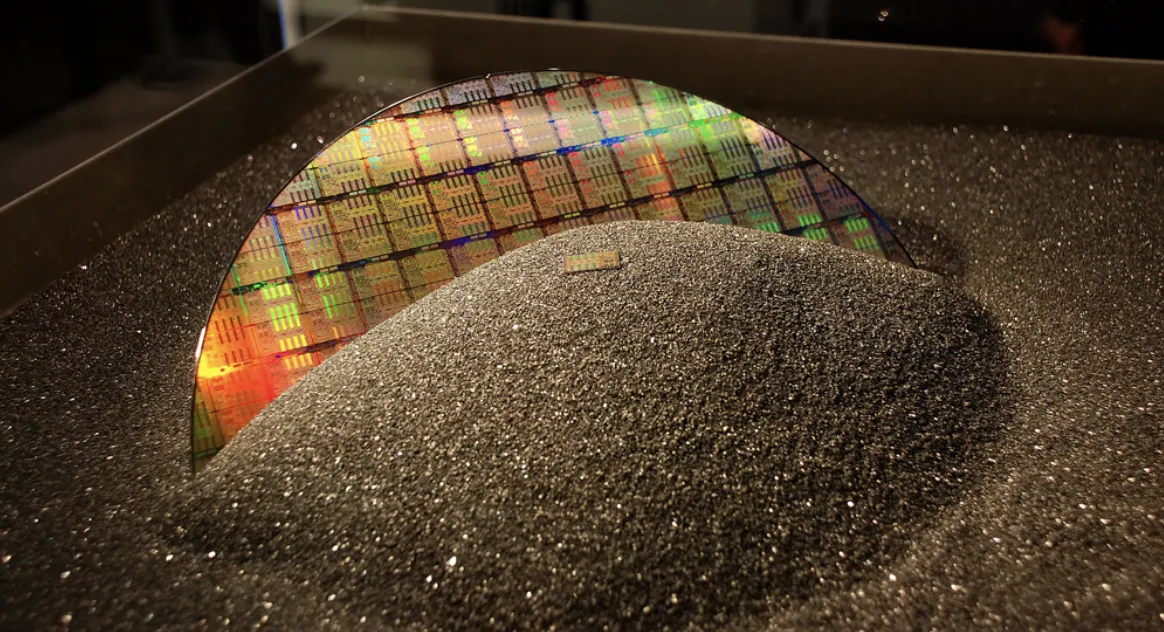
HEP responds to the global chips crisis
HEP responds to the global chips crisis Over the past year, semiconductor prices have been surging in Europe as demand increases globally. While this is happening with most products, it's been a larger problem given the role of semiconductors in most electronics, such as consumer electronics (smartphones, laptops, gaming consoles), automotive industry and home appliances.
-
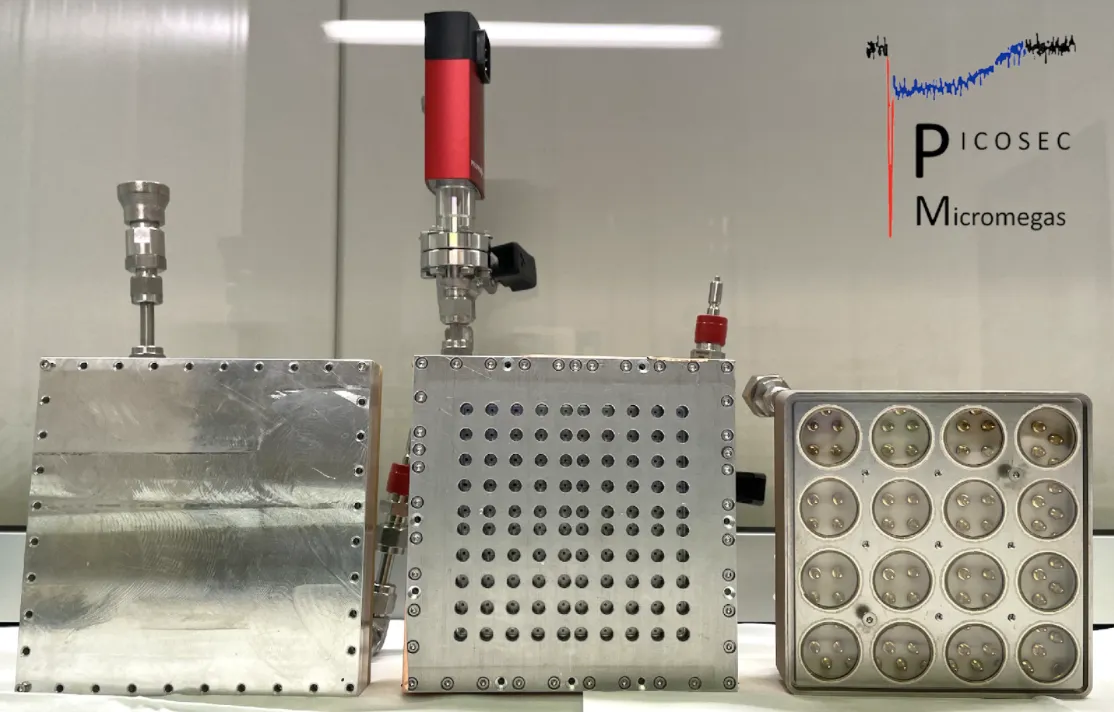
Sub 25-ps timing with PICOSEC Micromegas gaseous detectors
Sub 25-ps timing with PICOSEC Micromegas gaseous detectors Precise timing systems are central to many ongoing and planned detector upgrades and tens of ps timing resolution will play an important role to meet detection challenges in future high-luminosity environments. Large area detection systems achieving such timing resolution can offer unprecedented precision in particle tagging and
-
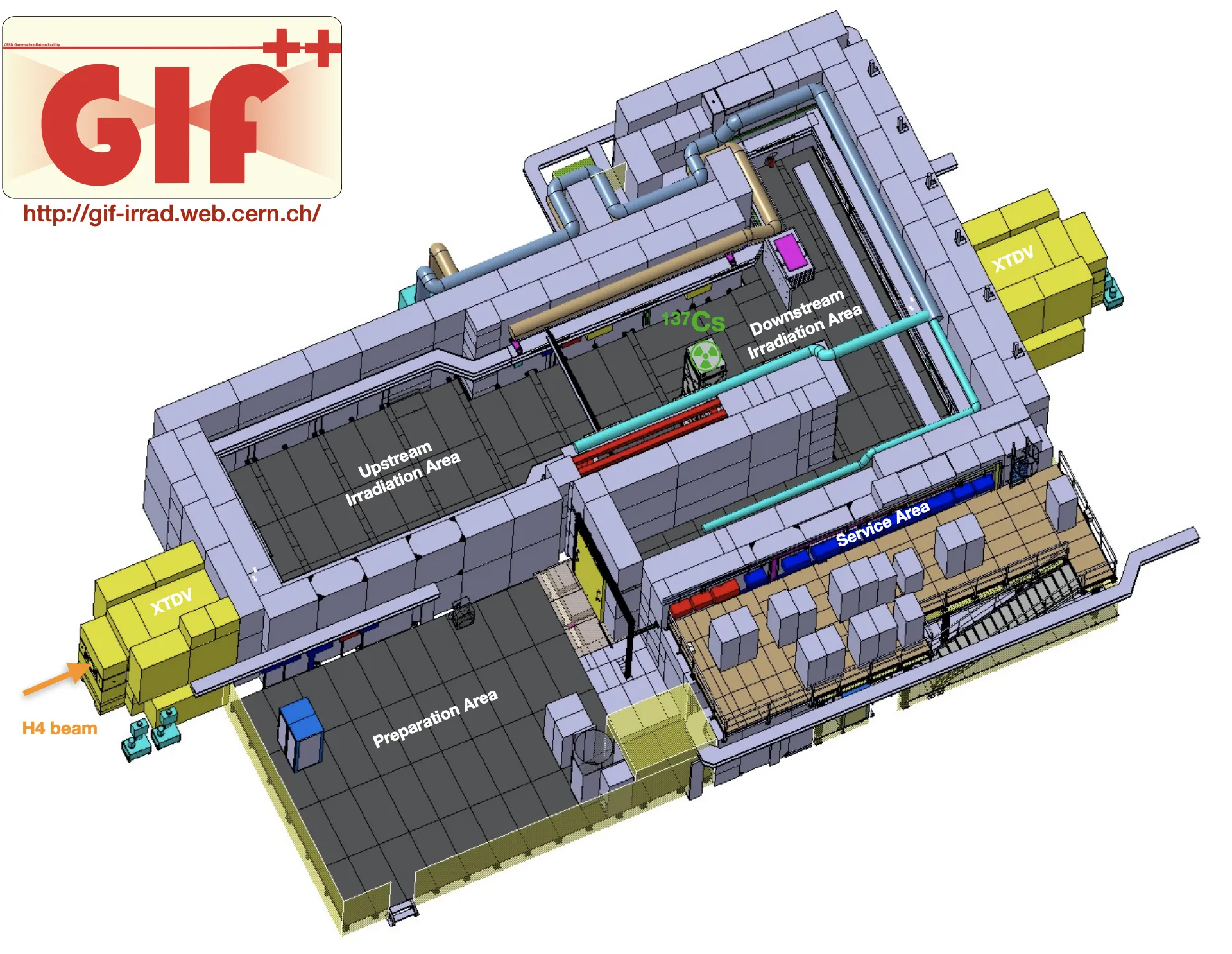
The Gamma Irradiation Facility GIF++ during and beyond Run 3
The Gamma Irradiation Facility GIF++ during and beyond Run 3 The two CERN Irradiation facilities operated by EP-DT – the IRRAD in the PS East Area and the GIF++ in the SPS North Area – deliver essential services to the HEP community, with the focus on validating and optimising detector technologies for the High-Luminosity upgrade
-
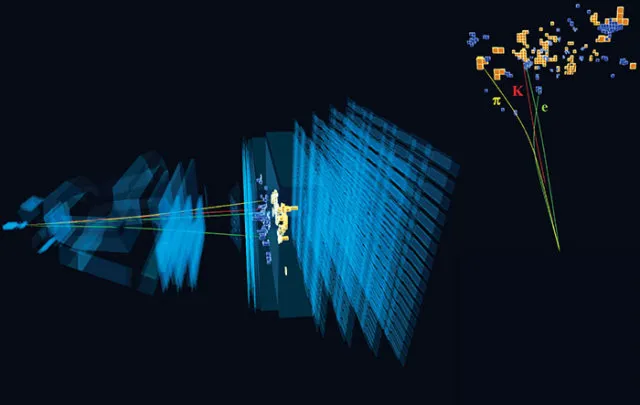
Flavour anomalies tracking attention
Flavour anomalies tracking attention The Flavour Anomaly workshop took place in a successful hybrid format at the main Auditorium at CERN and the virtual world on 20th October. Pass sanitaire and workshop badge in hand, more than 80 participants could attend the event in person, while 500 more followed it by Zoom with lively interaction
-
New prospects for the Physics Beyond Colliders programme
New prospects for the Physics Beyond Colliders programme Particle physics is often equated with high energy collider experiments. However, over recent years it has become increasingly clear that high intensity and high precision experiments offer significant, complementary opportunities to explore physics beyond the Standard Model. CERN’s accelerator complex offers an unprecedented variety of beams and
-
Findings of the ECFA Roadmap for R&D on Detector Technologies
Findings of the ECFA Roadmap for R&D on Detector Technologies In two previous newsletter editions (1, 2) the process to develop a Roadmap for R&D on Detector Technologies was reported. As recommended in the European Strategy for Particle Physics Update (EPPSU) (3), ECFA has set up the Detector R&D Panel which has led this process.
-
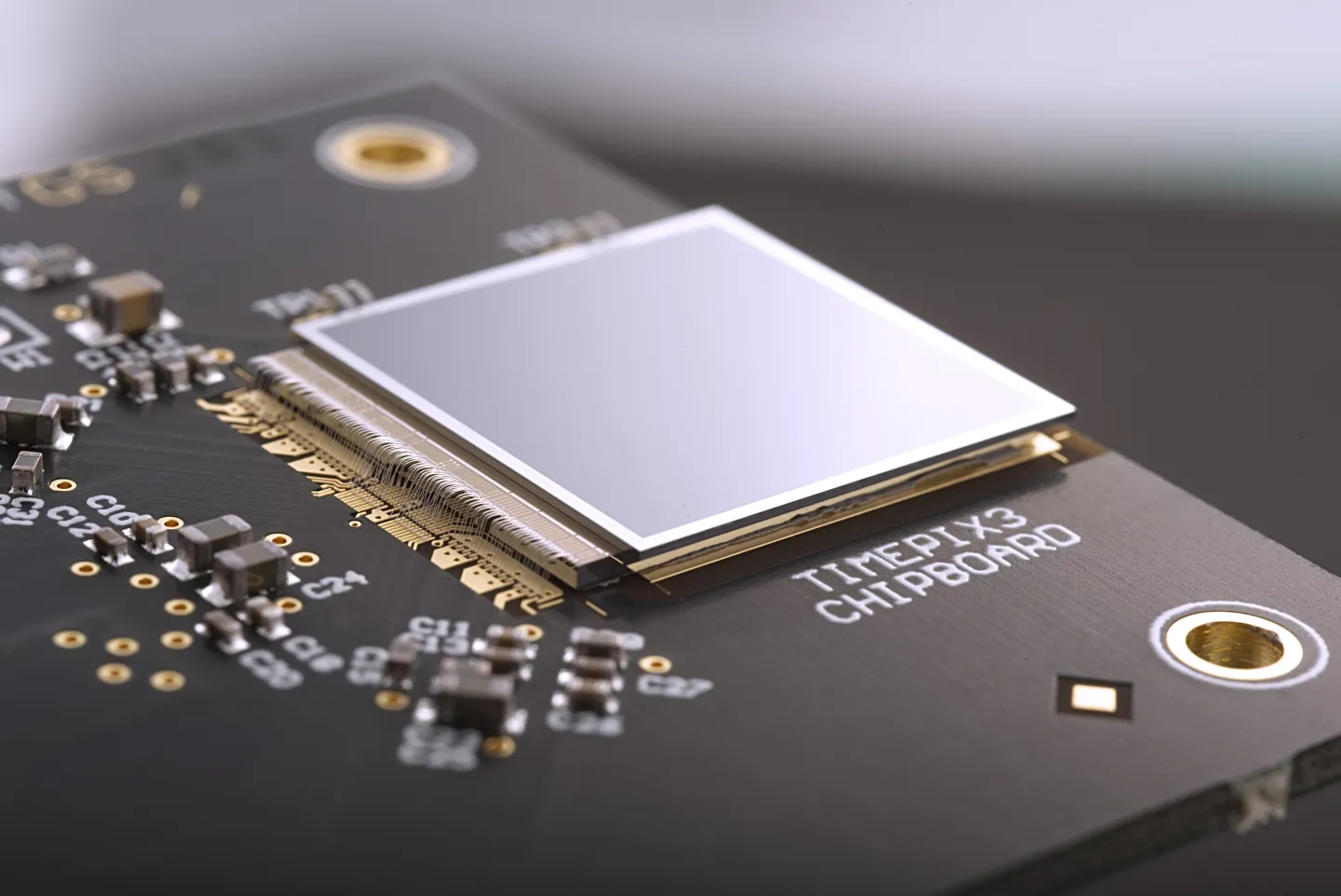
Medipix3 reaches the clinic
Medipix3 reaches the clinic In early October, the CERN Medipix Team (EP-ESE-ME) visited the newly installed Medipix3-based spectroscopic CT scanner at the Lausanne University Hospital CHUV, Lausanne. The 3D colour X-ray scanner has been developed in New Zealand by MARS Bioimaging, a spin-out company of the University of Canterbury which is a member of the
-
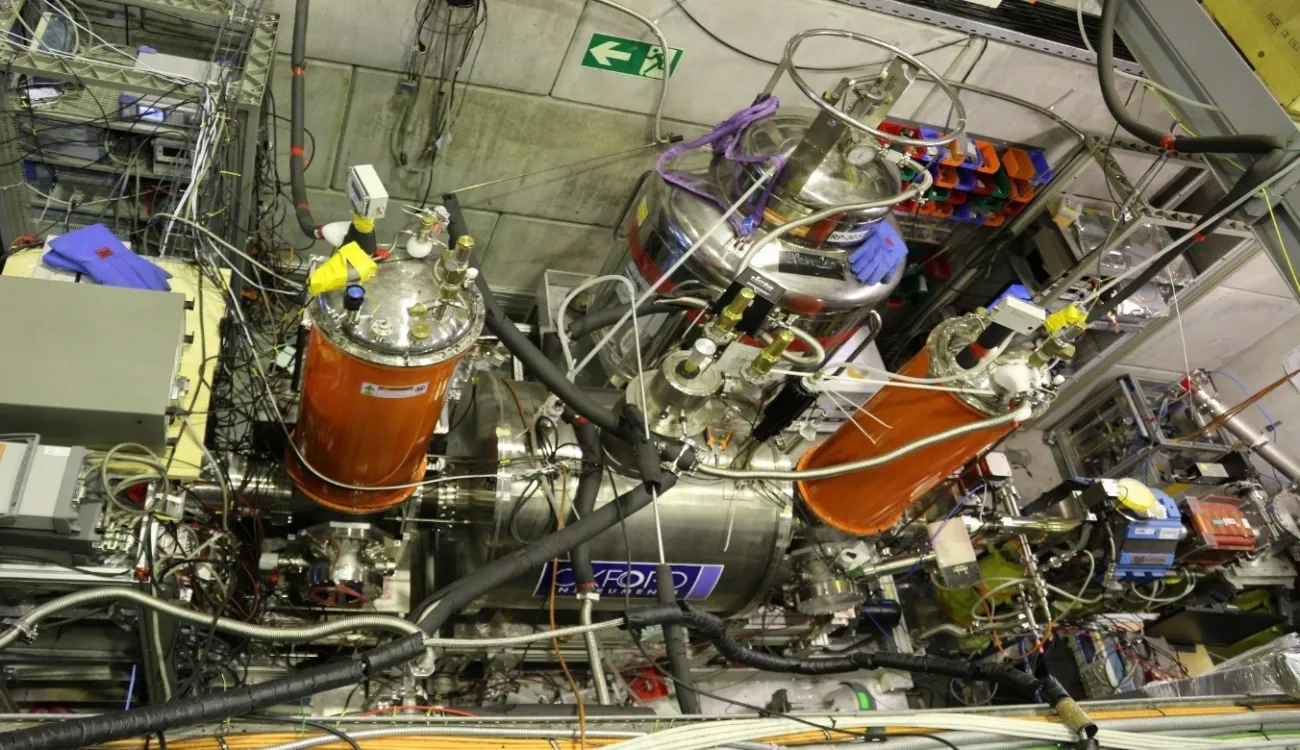
Prestigious Award for Quantum Logic Spectroscopy
Prestigious Award for Quantum Logic Spectroscopy In October, the prestigious Dissertation Prize of the Section Atoms, Molecules, Quantum Optics and Plasmas (SAMOP) of the German Physical Society was awarded to Peter Micke for his seminal work demonstrating quantum logic spectroscopy on highly charged ions (HCI) [1]. He completed his PhD in Piet O. Schmidt’s group
-
The 3D printed Detector (3DET) Project
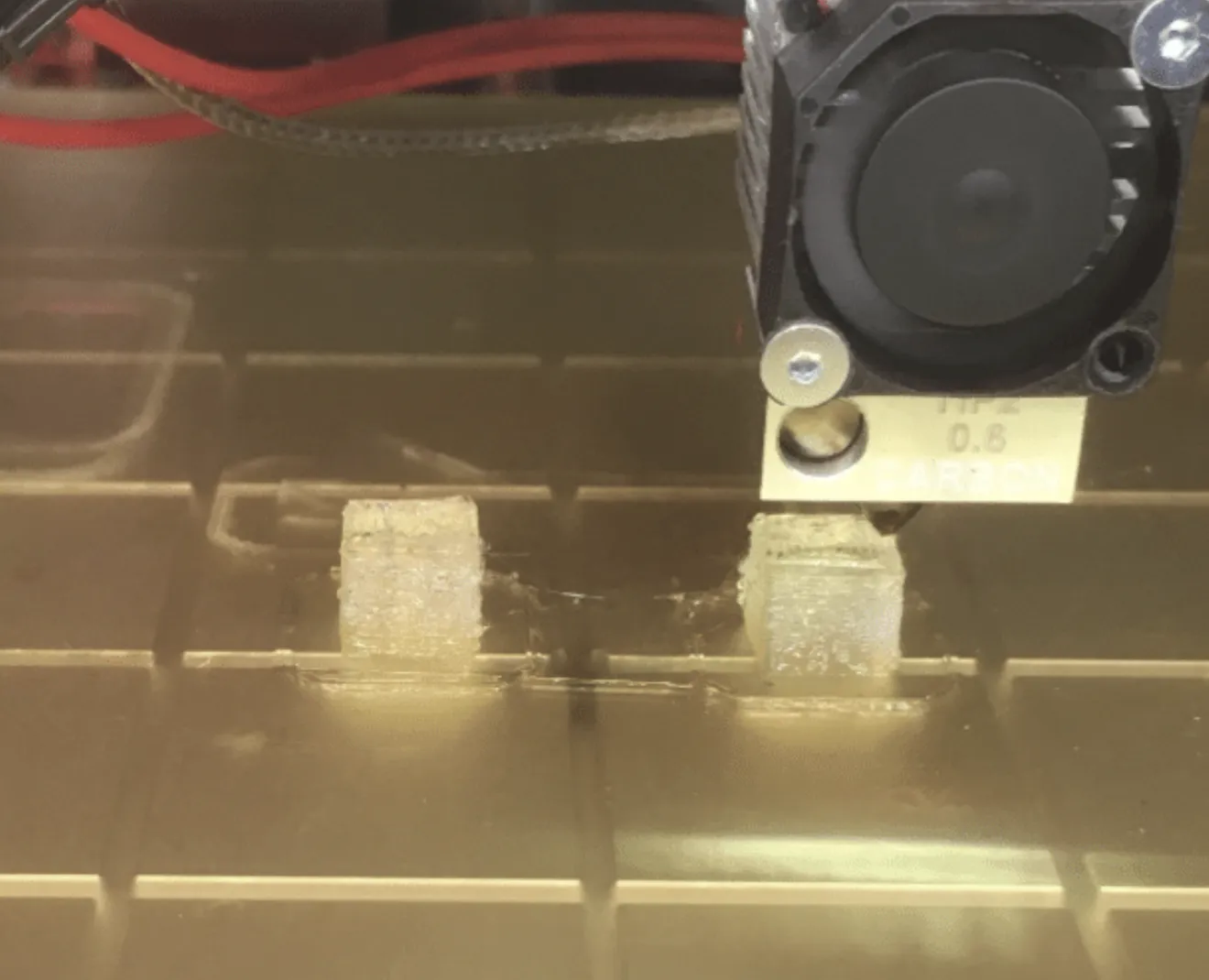
The 3D printed Detector (3DET) Project Plastic scintillator is one of the most used active materials in high-energy physics. The “3D printed Detectors” (3DET) collaboration was formed in 2019 with the goal of investigating and developing additive manufacturing as a new production technique for future scintillator-based particle detectors. The 3DET collaboration includes research institutes and
-
Update on the ECFA Roadmap for R&D on Detector Technologies
Update on the ECFA Roadmap for R&D on Detector Technologies It was reported in the previous edition of the EP Newsletter (1) that the European Strategy for Particle Physics Update (EPPSU (2) recommended that “Organised by ECFA, a roadmap should be developed by the community to balance the detector R&D efforts in Europe, taking into