
Tag: Interviews and Features
-

The likelihood is dead, long live the likelihood
The likelihood is dead, long live the likelihood Among the sciences, particle physics has the luxury of having a well established theoretical basis. Often we focus on the elementary particles and model them mathematically with quantum field theories like the Standard Model. In order to compare with data, we must also model the additional radiation,
-

CERN launches Quantum Technology Initiative
CERN launches Quantum Technology Initiative CERN has recently launched its Quantum Technology Initiative (QTI) to coordinate its contribution in the rapidly advancing landscape of quantum technologies and coordinate activities with other global players in the field. We discussed with Michael Doser, co-coordinator of the quantum sensing strand of the QTI and the EP Department’s representative,
-
Interview with Peter Shor
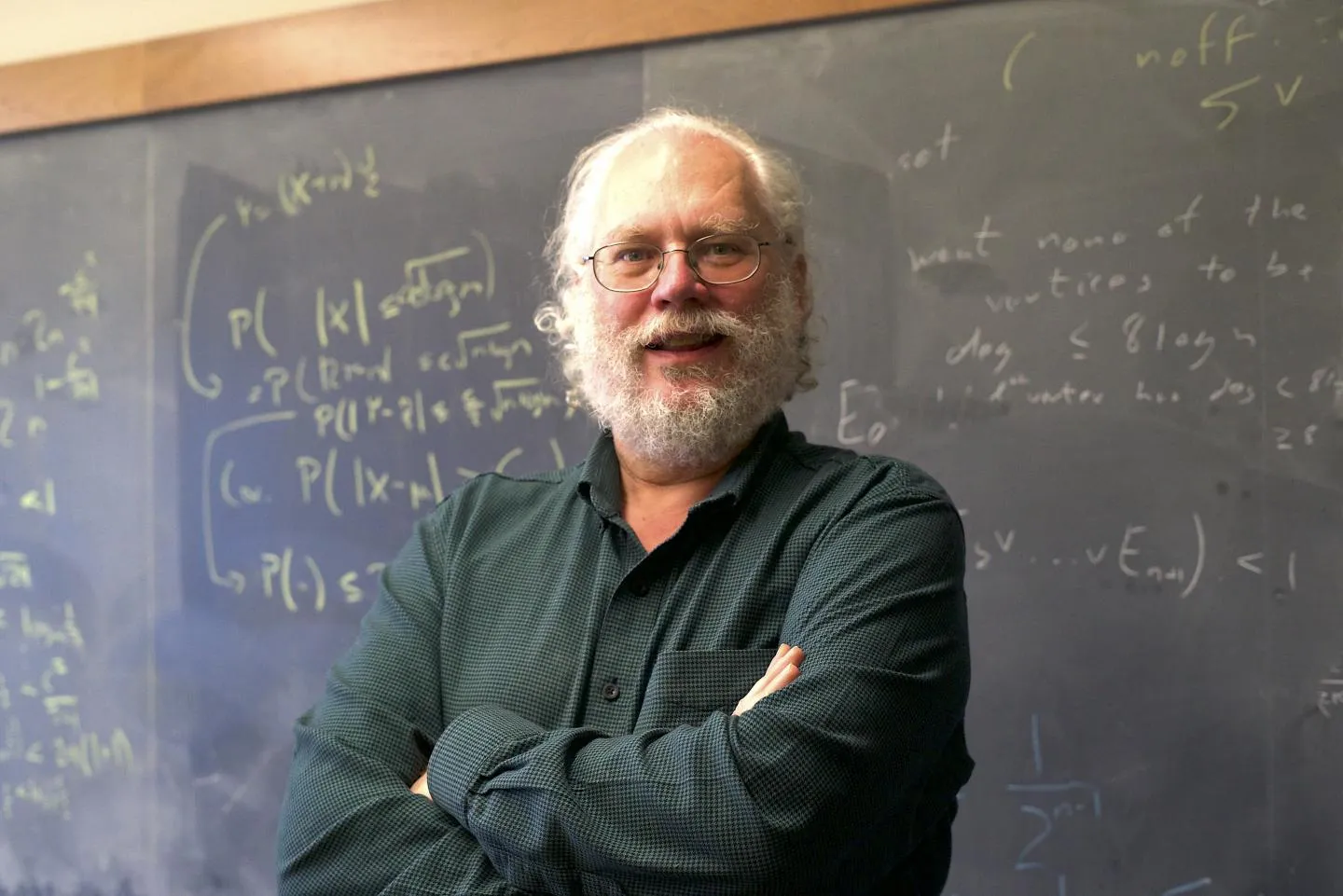
Interview with Peter Shor Peter Shor has carried out pioneering work in combinatorial analysis and the theory of quantum computing. He received worldwide recognition in 1994 when he presented a computational method for “factoring large numbers” which, theoretically, could be used to break many of the existing coding systems. The discovery of Shor’s algorithm along
-

Preparing the future of the Physics Beyond Colliders (PBC) studies
Preparing the future of the Physics Beyond Colliders (PBC) studies The Physics Beyond Colliders (PBC) study [1] was launched in 2016 by the CERN Management to explore the possibilities of exploiting the full potential of CERN's accelerator complex via projects complementary to collider experiments. Following calls to the community, a wealth of ideas including upgrades
-

Hunting for axion-like particles at neutrino detectors
Hunting for axion-like particles at neutrino detectors Although neutrinos were discovered more than 60 years ago, they are the most mysterious particles in the Standard Model (SM). While the present data collected at the neutrino experiments can explain several neutrino properties, there are still at least several unanswered fundamental questions in the neutrino sector that
-
Machine learning ushers in a new paradigm for particle searches at the LHC
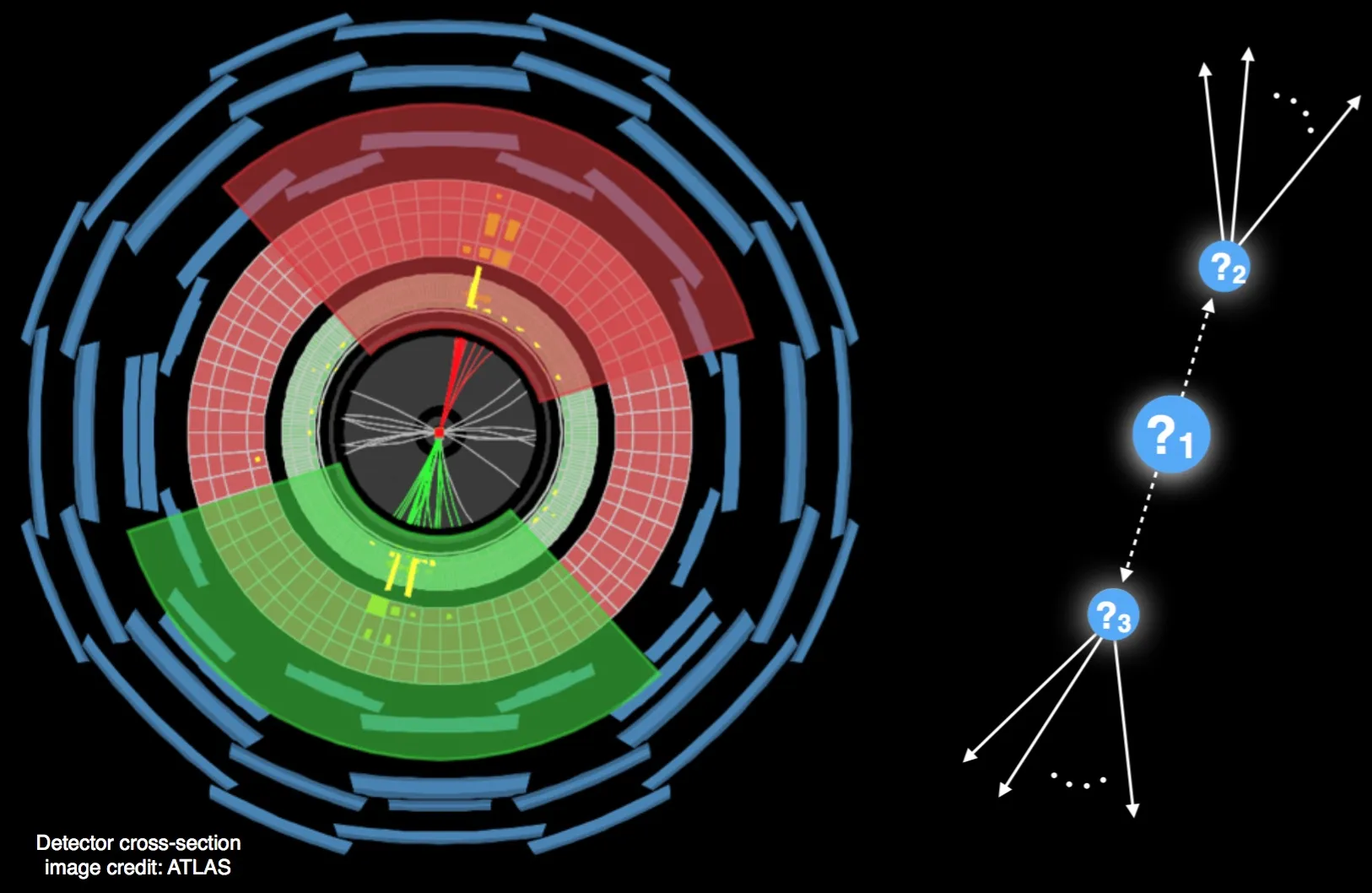
Machine learning ushers in a new paradigm for particle searches at the LHC Searching for physics beyond the Standard Model (BSM) is a major part of the research programme at the LHC experiments. Nearly all of these searches pick a signal model that addresses one or more of the experimental (e.g., dark matter) or theoretical
-

The Curious Cryogenic Fish
The Curious Cryogenic Fish The idea of the Curious Cryogenic Fish dates back to 2017. While observing the complex detectors and instrumentation being assembled for the ProtoDUNE experiments at the CERN Neutrino Platform, I started thinking that it would have been great to have a small robot able to move inside those large cryostats for
-
Higgs physics at future colliders
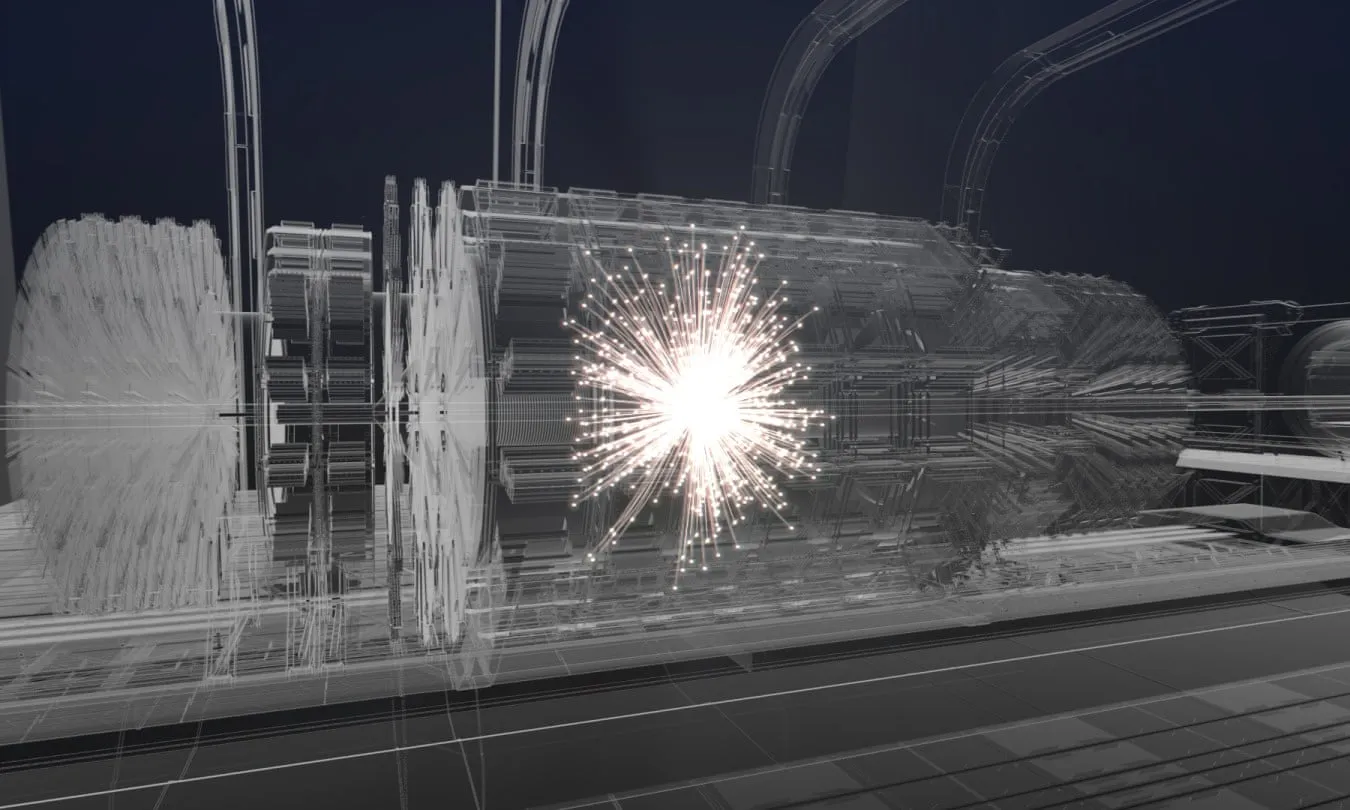
Higgs physics at future colliders In her article, Caterina Vernieri, reviews the potential of proposed future colliders to study the Higgs boson and further explore the electroweak sector beyond the LHC following her presentation on the Higgs 2020 conference. Caterina, is a member of the ATLAS collaboration (previously CMS 2012-2018) and co-convener of the Higgs
-
Accelerating for dark discoveries
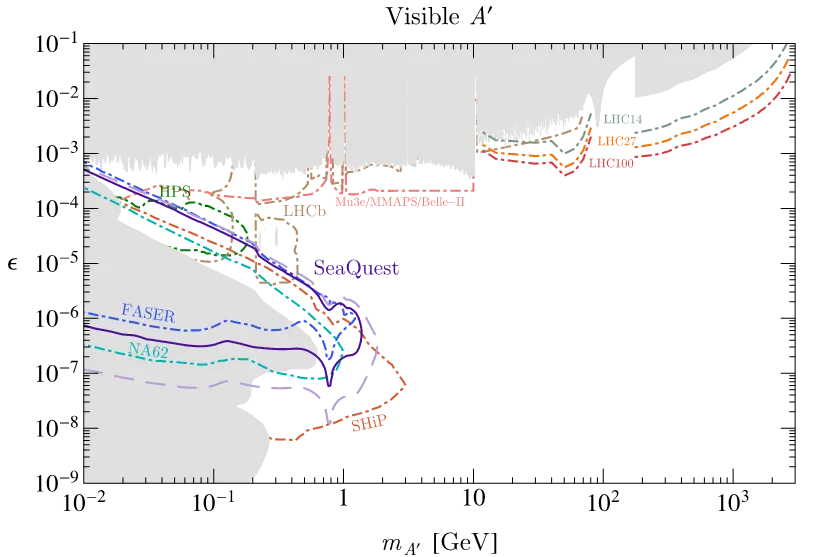
Accelerating for dark discoveries Cosmological and astrophysical observations indicate that the Standard Model (SM) particles account for less than 5% of the total energy density of our Universe, while the remaining unknown 95% arises from the so-called dark energy and dark matter (DM). The existence of dark matter is inferred from its gravitational effects, but
-
Chips on a ladder: end of production for ALICE-MFT
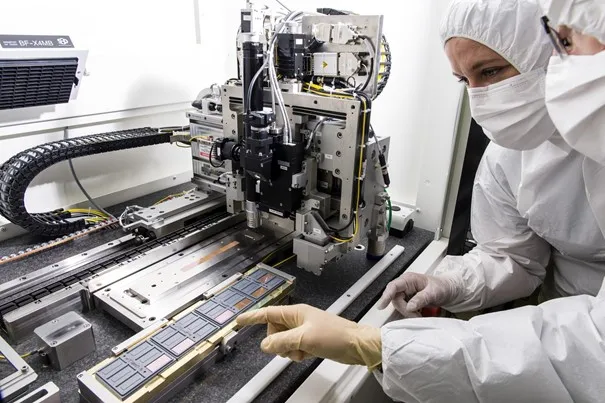
Chips on a ladder: end of production for ALICE-MFT After more than four years of research and development, design and manufacturing work, the MFT (Muon Forward Tracker), a new detector that will equip the ALICE experiment at the LHC, has seen its construction finalized and is currently under commissioning at CERN. In order to limit