
Tag: Interviews and Features
-

Discussing the physics of feebly-interacting particles
Discussing the physics of feebly-interacting particles FIPs are any kind of beyond-the-Standard Model (BSM) particles with couplings much less than one, consisting of such well-known phenomena as dark matter (DM), axions / axion-like particles (ALPs), heavy neutral leptons (HNLs), and dark photons. While the first edition of the FIPs workshop series, FIPs 2020 [ https://indico.cern.ch/e/FIPs_2020
-
Spotlight on Hybrid Pixel Sensors
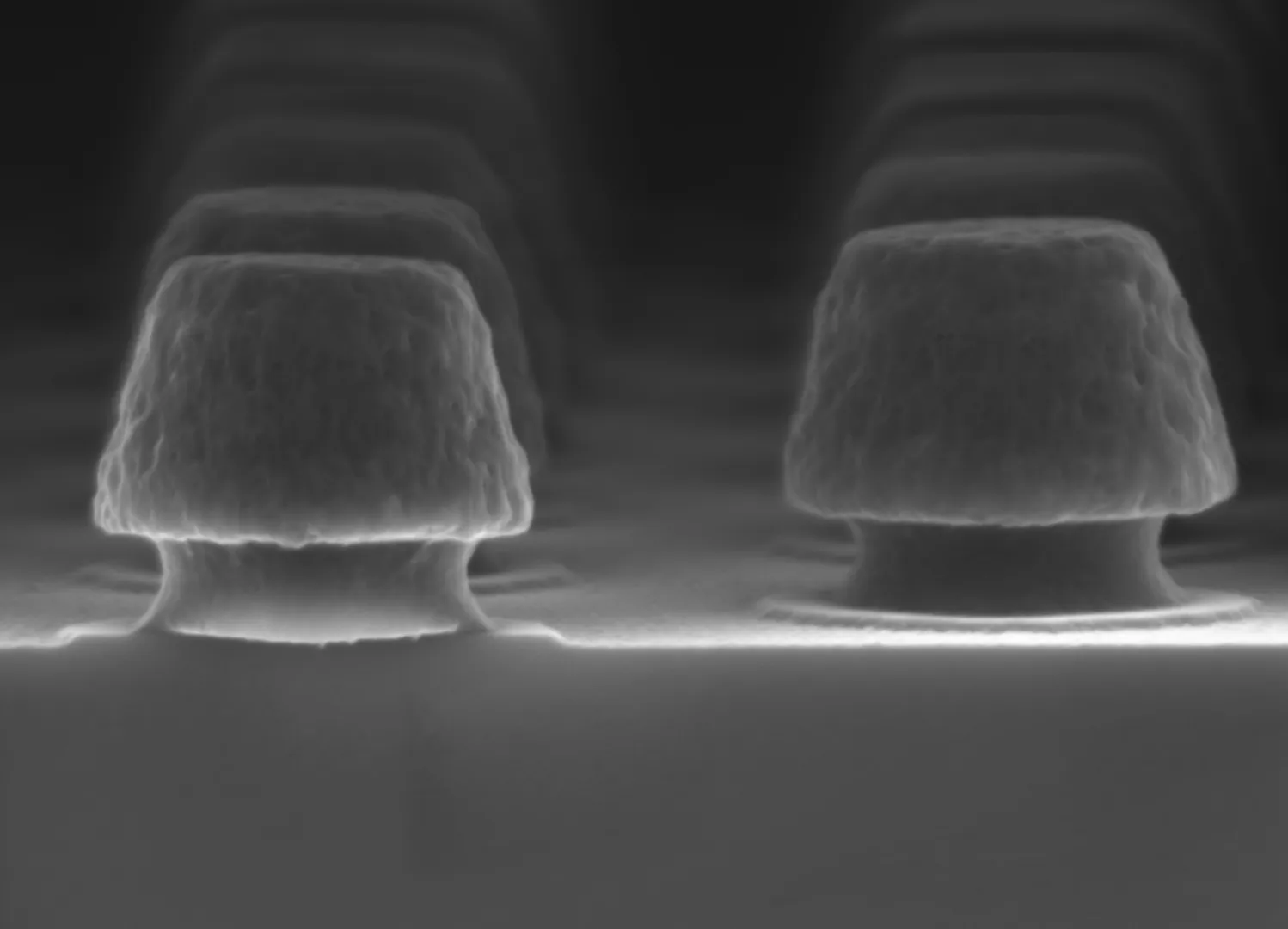
Spotlight on Hybrid Pixel Sensors Prelude Making the next pivotal discovery in particle physics depends on our ability to build new experiments aiming at pushing the boundaries of energy and intensity frontiers. The process of designing and building such apparatuses often originates years before any breakthrough data can be collected. While experimental physicists are busy
-
The birth of NanoCal
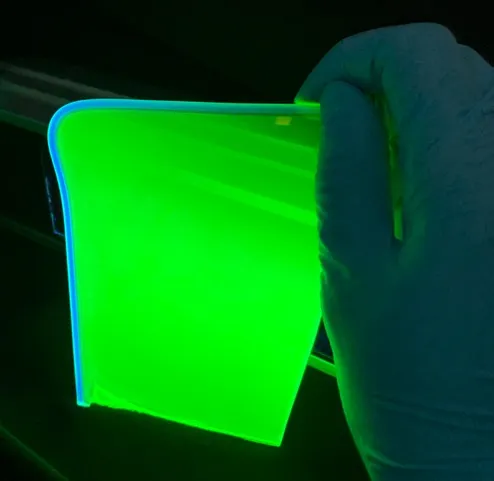
The birth of NanoCal High-performance electromagnetic calorimeters often make use of inorganic crystal scintillators. Their high density makes them well suited for the construction of large homogeneous detectors where the scintillating material simultaneously serves as both the absorber and the active detector medium. An appropriate choice of inorganic crystal can provide both high light yield
-
R&D on gas usage in the LHC particle detection systems.
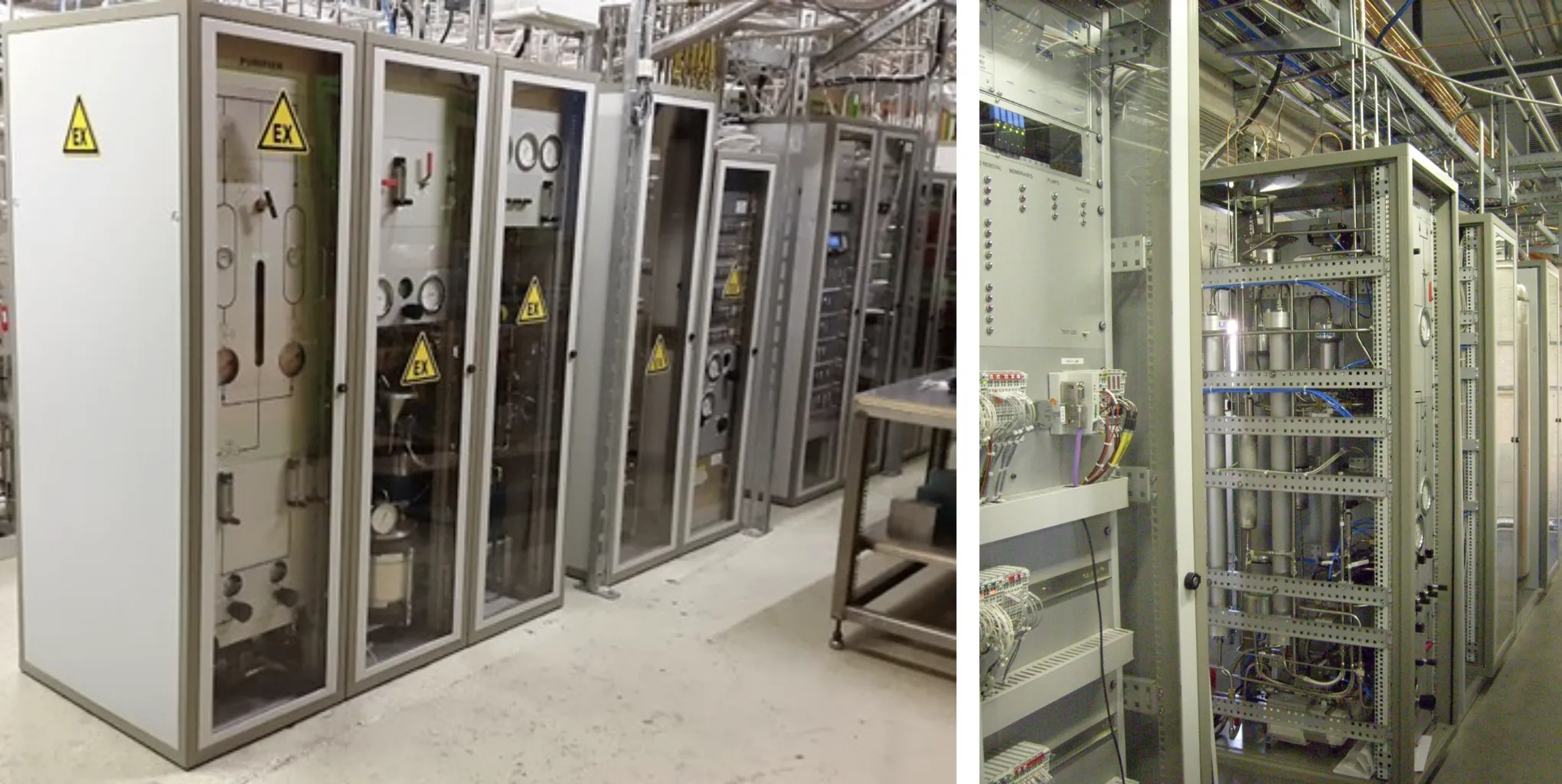
R&D on gas usage in the LHC particle detection systems. A wide range of gas mixtures is used for the operation of different gaseous detectors for particle physics research. Among them there are greenhouse gases like C2H2F4 (R134a), CF4 (R14), C4F10 (R610) and SF6, which are needed because they allow to achieve specific detector performance
-
Casting light on the dark sector of the universe
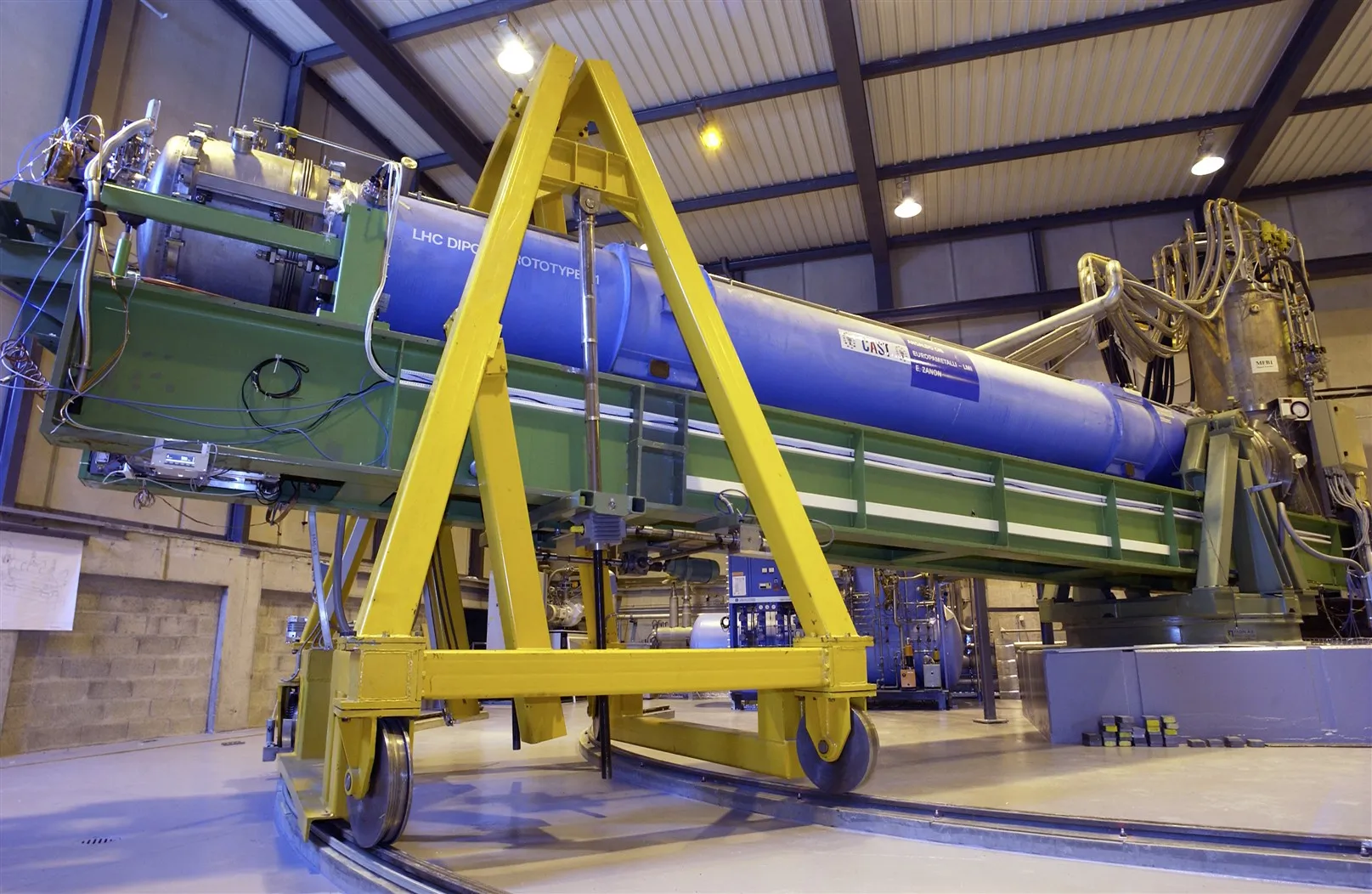
Casting light on the dark sector of the universe On axions The cosmologically established cold dark matter (CDM) makes about 84% of the Universe’s total mass. In the era of precision cosmology, the composition of the CDM remains a mystery. Among the proposed hypothetical particles which could address this fundamental question in physics, certainly, the
-
Scrutinising cosmic antimatter production with an innovative use of LHCb
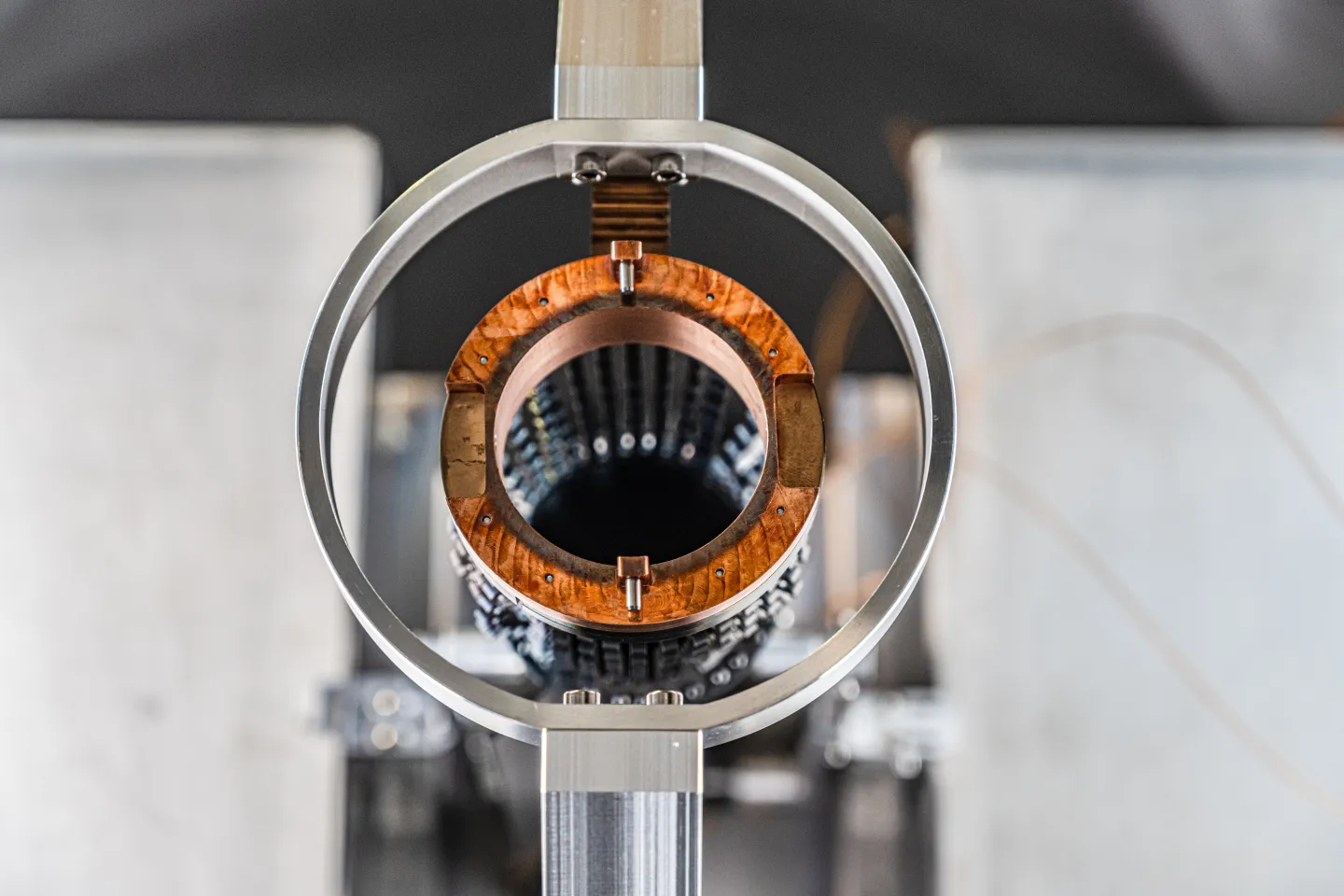
Scrutinising cosmic antimatter production with an innovative use of LHCb “The real prize is finding something new out there” is one of the most famous citations by Vera Rubin, the scientist who around 1975 firstly observed the anomalous rotation curves of spiral galaxies, providing evidence for the possible existence of dark matter (DM). Since then,
-

In discussion with Rolf-Dieter Heuer
In discussion with Rolf-Dieter Heuer Rolf-Dieter Heuer is no stranger to CERN, serving as Director General of the organization from 2009 to 2015. Previous to that, from 1984 to 1998, he was a staff member at the Laboratory, working for the OPAL collaboration at the Large Electron Positron collider (LEP) while between 1994 and 1998,
-
DT group publishes 2021 annual report
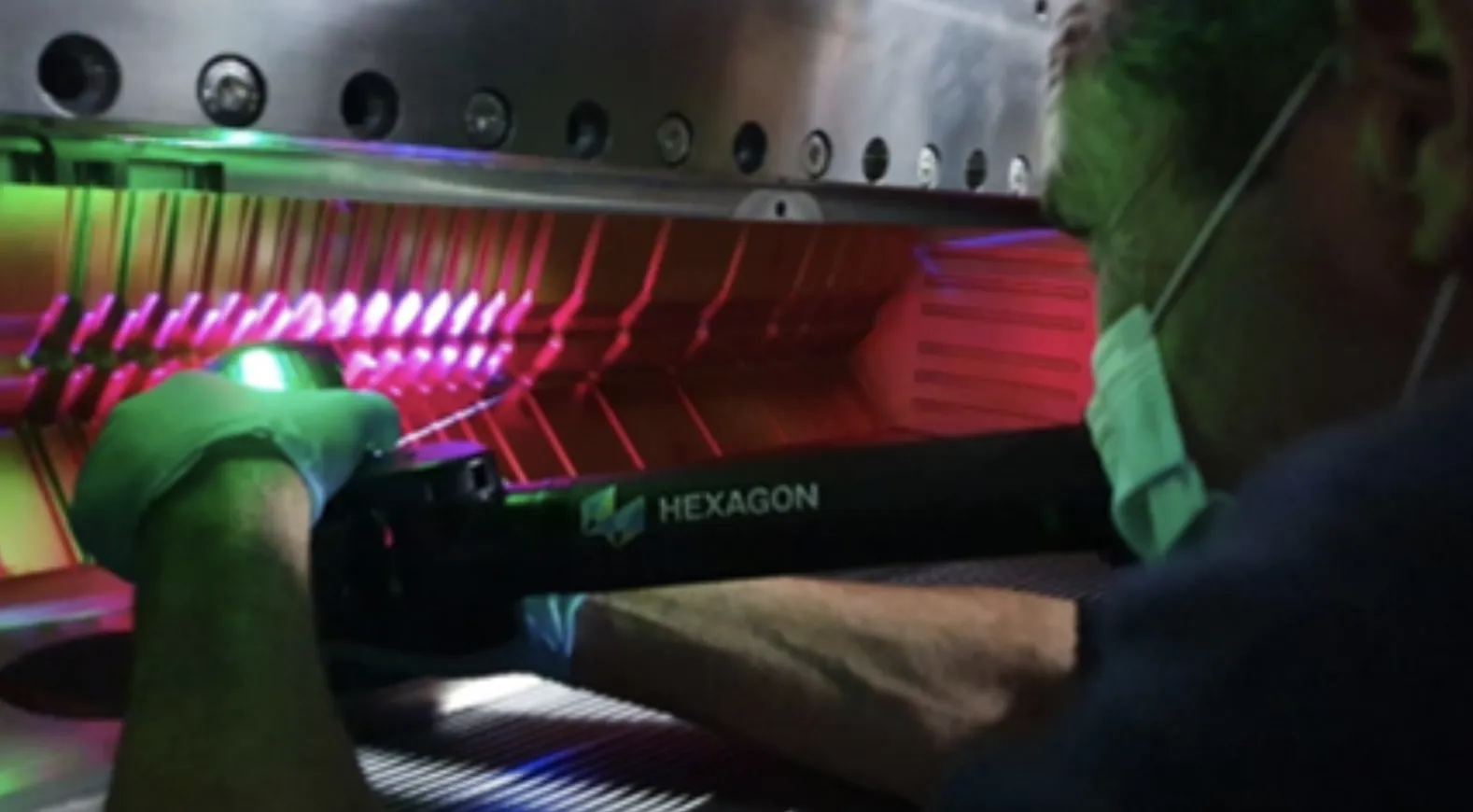
DT group publishes 2021 annual report The mandate of the Detector Technologies (DT) group in the Experimental Physics department covers development, construction, operation and maintenance of particle detectors for CERN experiments. Last year showed great progress on several projects both for the LHC and non-LHC experiments, as detailed in the recent annual report. Moreover, DT
-
Zooming in the EP R&D Days 2022
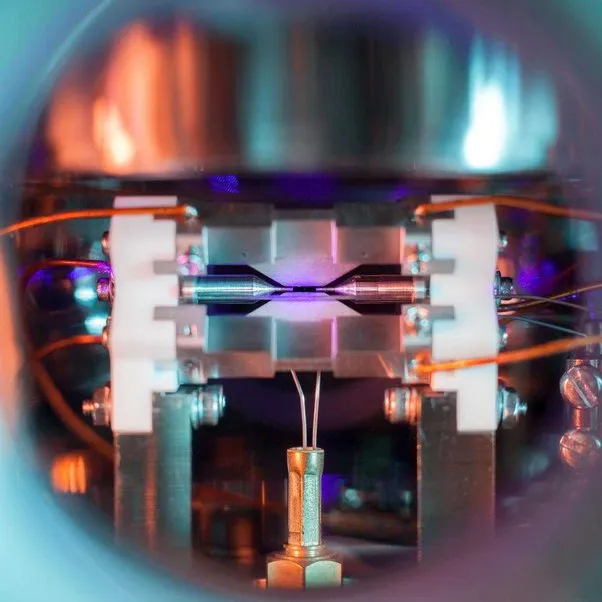
Zooming in the EP R&D Days 2022 The annual EP R&D Days meeting was held on the 20th and 21st of June 2022. The meeting reviewed progress and plans of the 11 work packages as the EP RnD programme reaches its midpoint. In addition, the meeting offered better understanding of the respective needs and potential
-

A timeline of the Higgs boson discovery
A timeline of the Higgs boson discovery The Higgs boson is the final piece of the standard model of particle physics to be observed, following decades of research. In June 2012, the ATLAS and CMS collaborations at CERN announced, that they had discovered a particle with the right properties to be the Higgs boson, which