
Tag: Interviews and Features
-
Exploring New Frontiers in Light Dark Matter Searches: The Latest NA64 Proposal
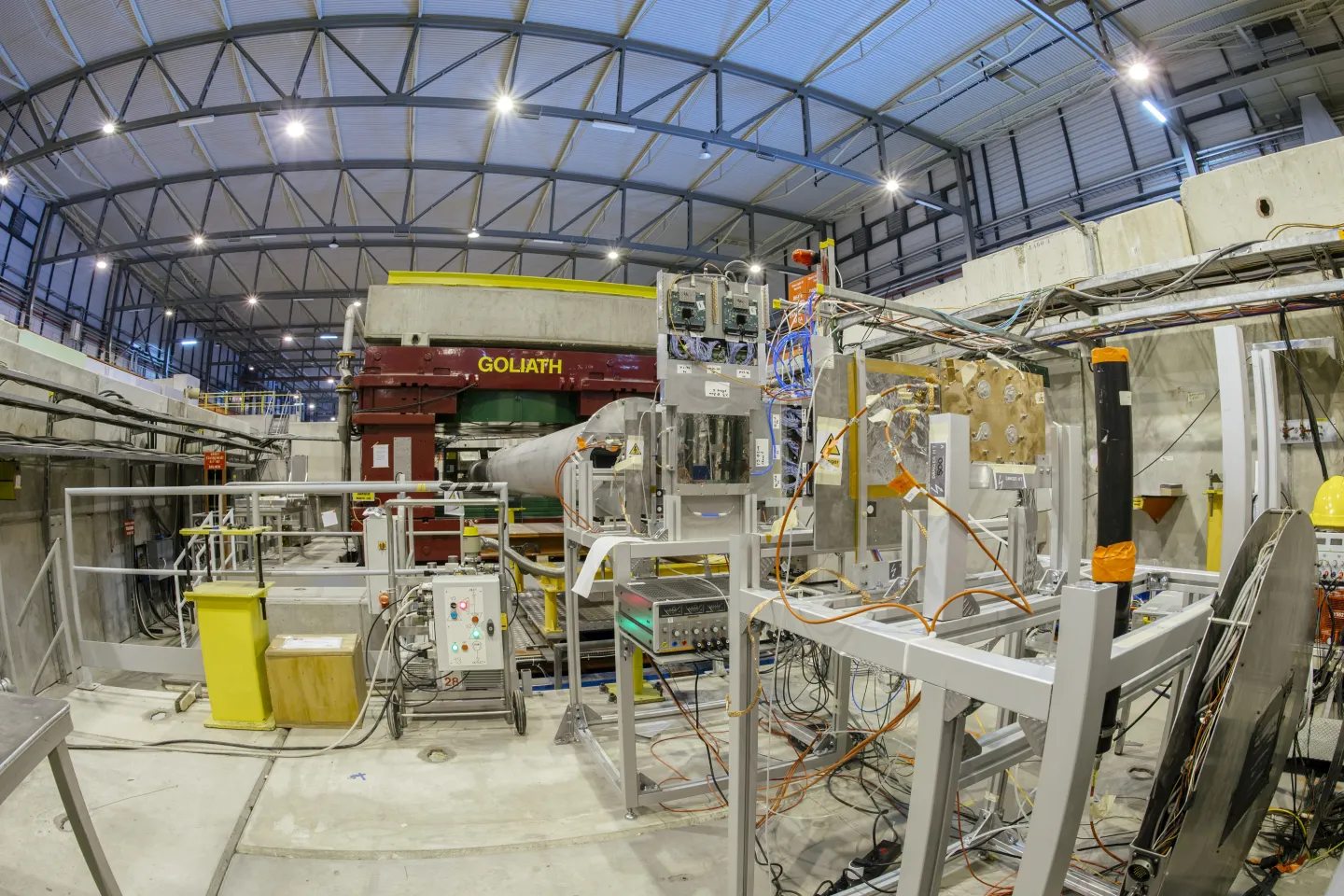
Exploring New Frontiers in Light Dark Matter Searches: The Latest NA64 Proposal The quest to understand the nature of dark matter remains one of the most compelling challenges in modern physics. The NA64 experiment (see Fig. 1) at CERN’s Super Proton Synchrotron (SPS) has been at the forefront of efforts to explore dark sector physics,
-
Probing Noise Sensitivity in FBCM: From ASIC Design to EMC Testing Teaser:
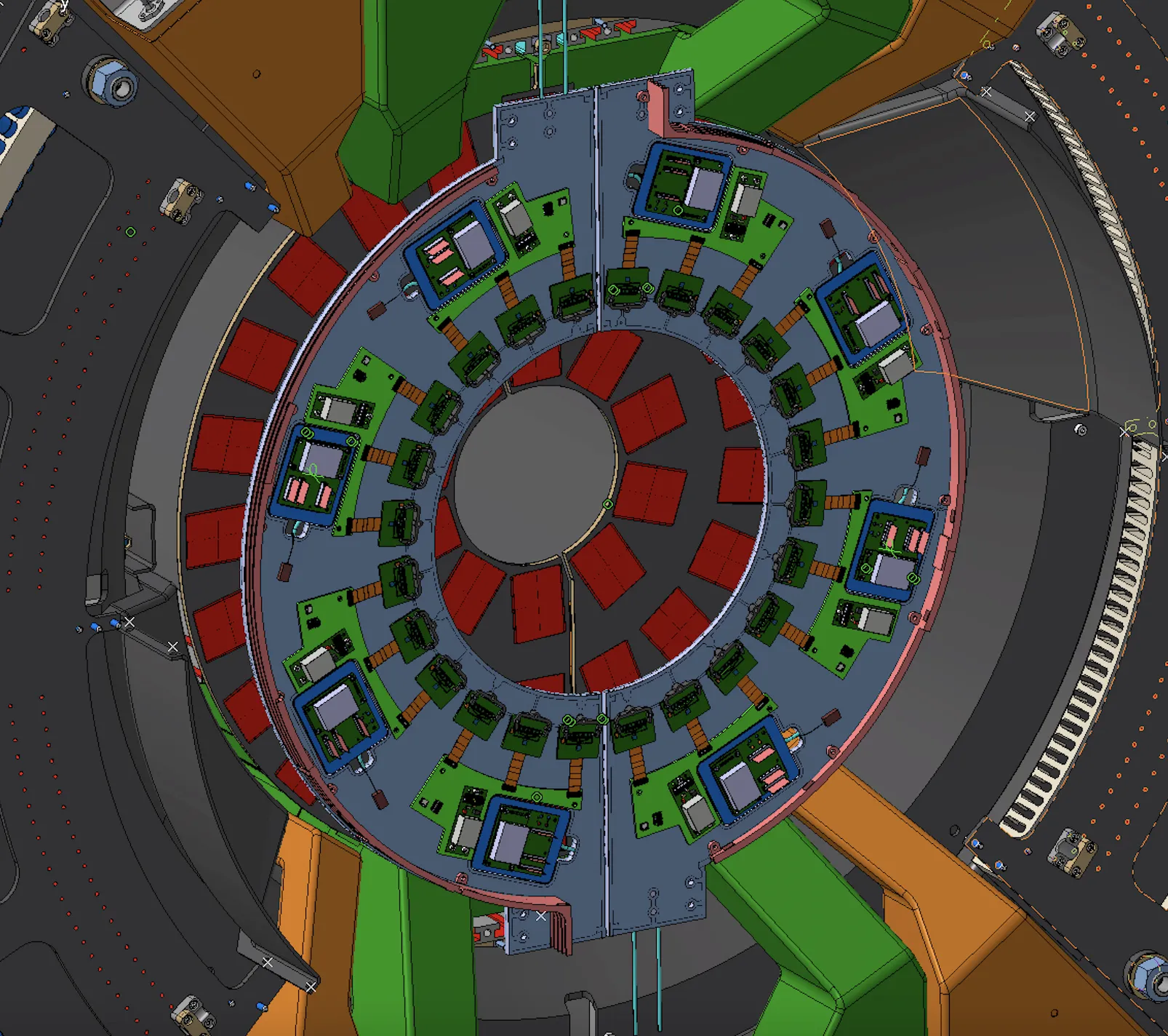
Probing Noise Sensitivity in FBCM: From ASIC Design to EMC Testing Teaser: Sketch of the FBCM location behind the last disk of the inner tracker (left) and a zoom to the two FBCM half discs forming a ring around the beam pipe with a detailed representation of the components on each service quadrant (right). The
-
Isolated photon measurements in Pb–Pb collisions with ALICE
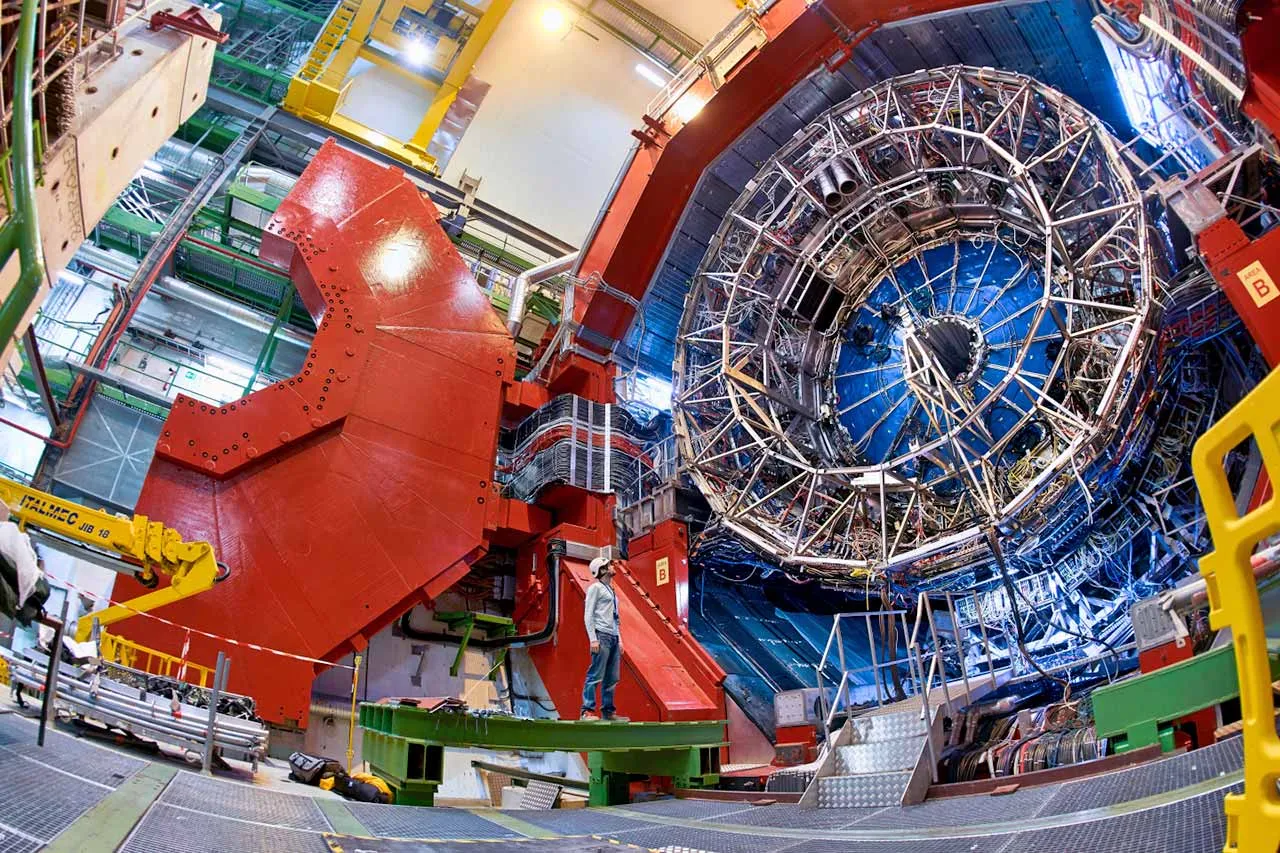
Isolated photon measurements in Pb–Pb collisions with ALICE Heavy-ion collisions (AA) at ultrarelativistic energies at the RHIC and LHC have produced during the last 25 and 15 years, respectively, an extremely hot and dense environment, a strongly interacting coloured medium named “quark-gluon plasma” (QGP), a state of matter where quarks and gluons are not confined
-
Optical fibre link to assist in ultra-high precision spectroscopy of antihydrogen
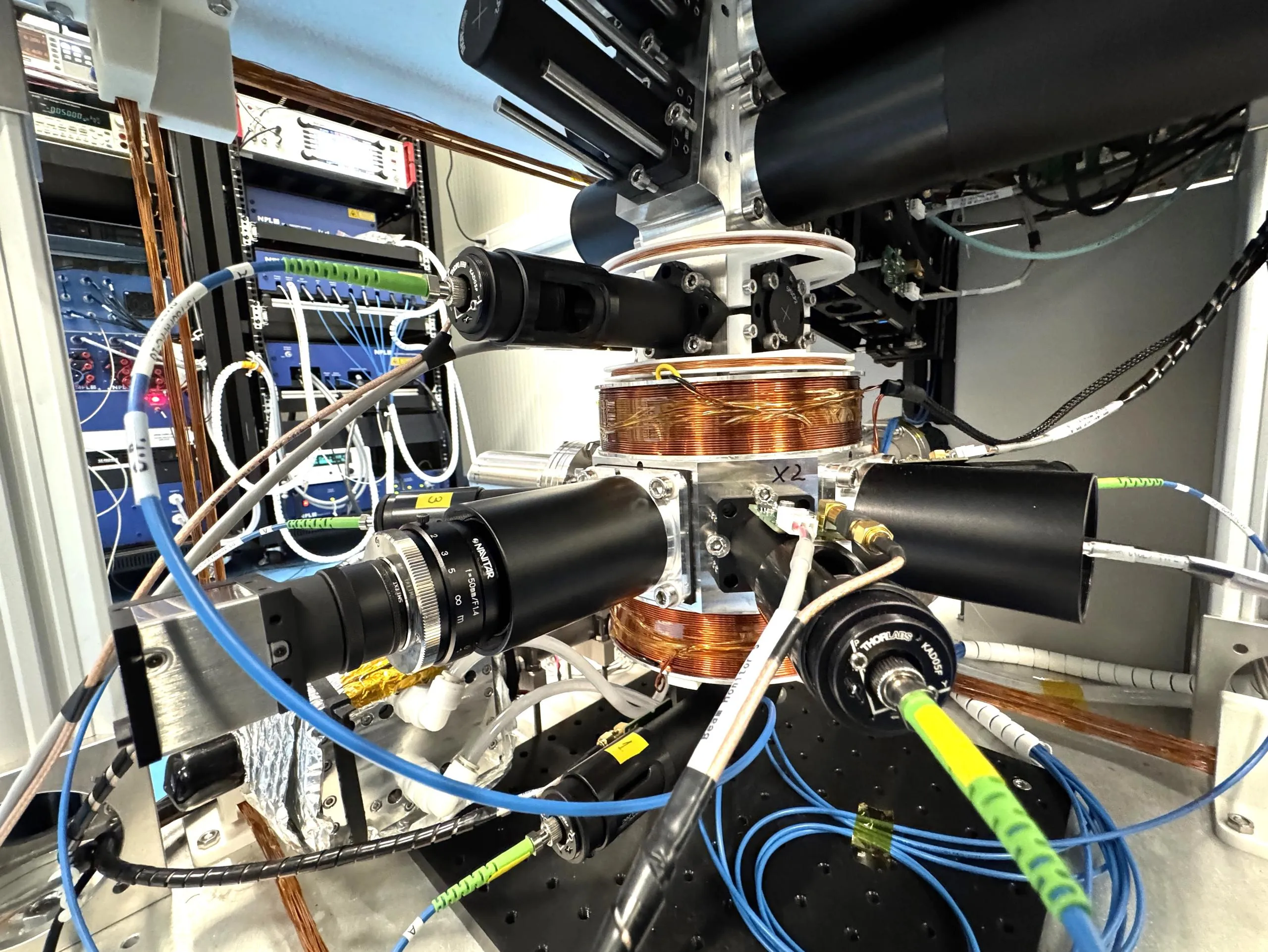
Optical fibre link to assist in ultra-high precision spectroscopy of antihydrogen Figure 1: Atoms in this part of the Cs fountain clock are trapped and laser cooled in preparation of their vertical launch. Experiments at CERN’s Antimatter Factory test fundamental principles such as CPT invariance by studying the properties and behaviour of antimatter and comparing
-
Theory and practice join at the DRD1 Gaseous Detectors School
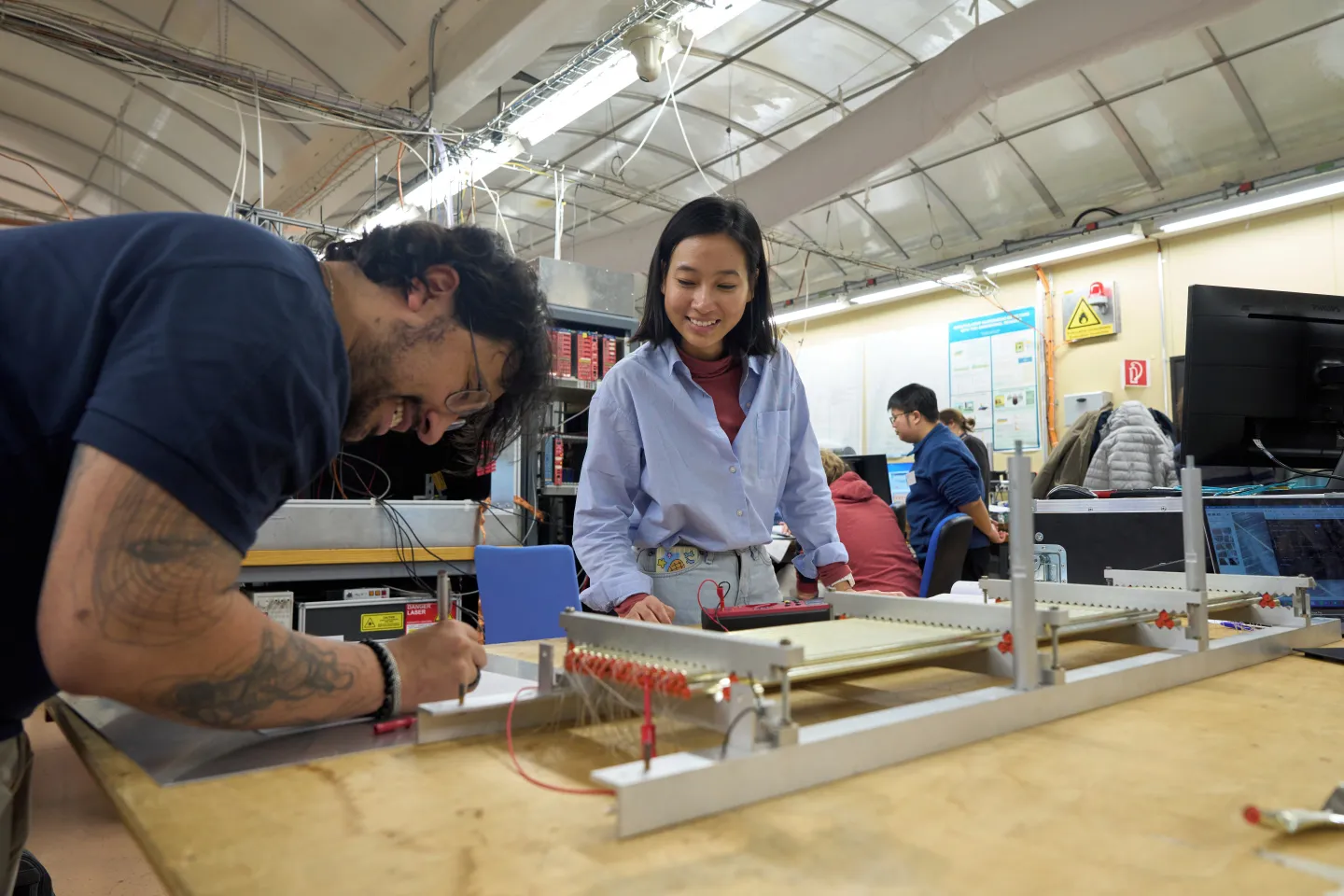
Theory and practice join at the DRD1 Gaseous Detectors School How do wire-based detectors compare to Resistive Plate Chambers? What are the performances of MicroPattern Gaseous Detectors? Which gas mixtures should be chosen for optimised operation? How will detectors face the challenges of future, more powerful accelerators? 32 students learned about these and many other
-
Third DAQ@LHC workshop
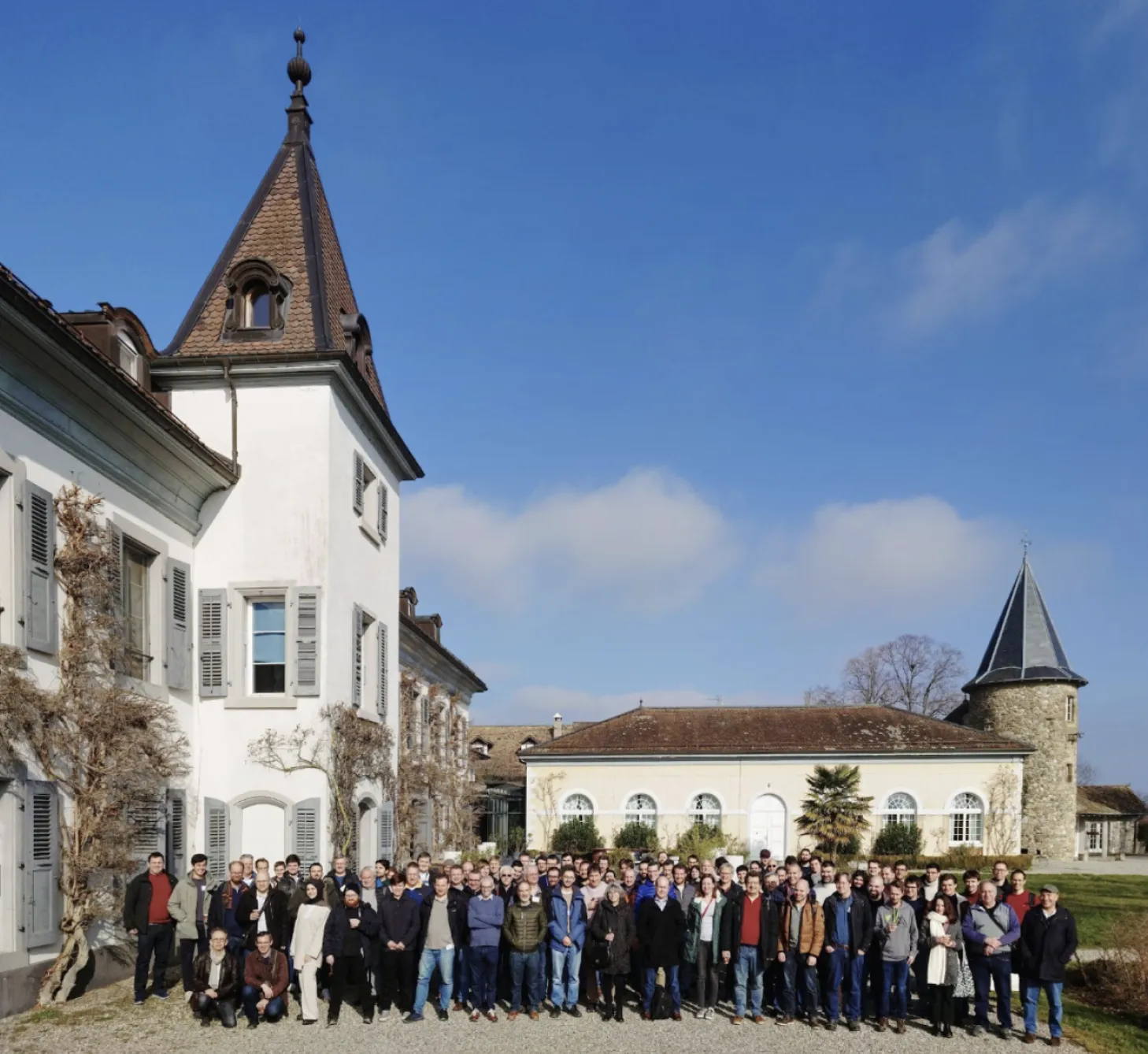
Third DAQ@LHC workshop After a (too) long hiatus the LHC DAQ teams found themselves together for three days in the beautiful and study-friendly atmosphere of Chateau de Bossey to discuss experiences in Run3, plans for the post-LS3 systems and technological developments relevant for DAQ in general. The 120 participants (see Group Photo above) came from
-
The origin of Lead and the s-process branching points
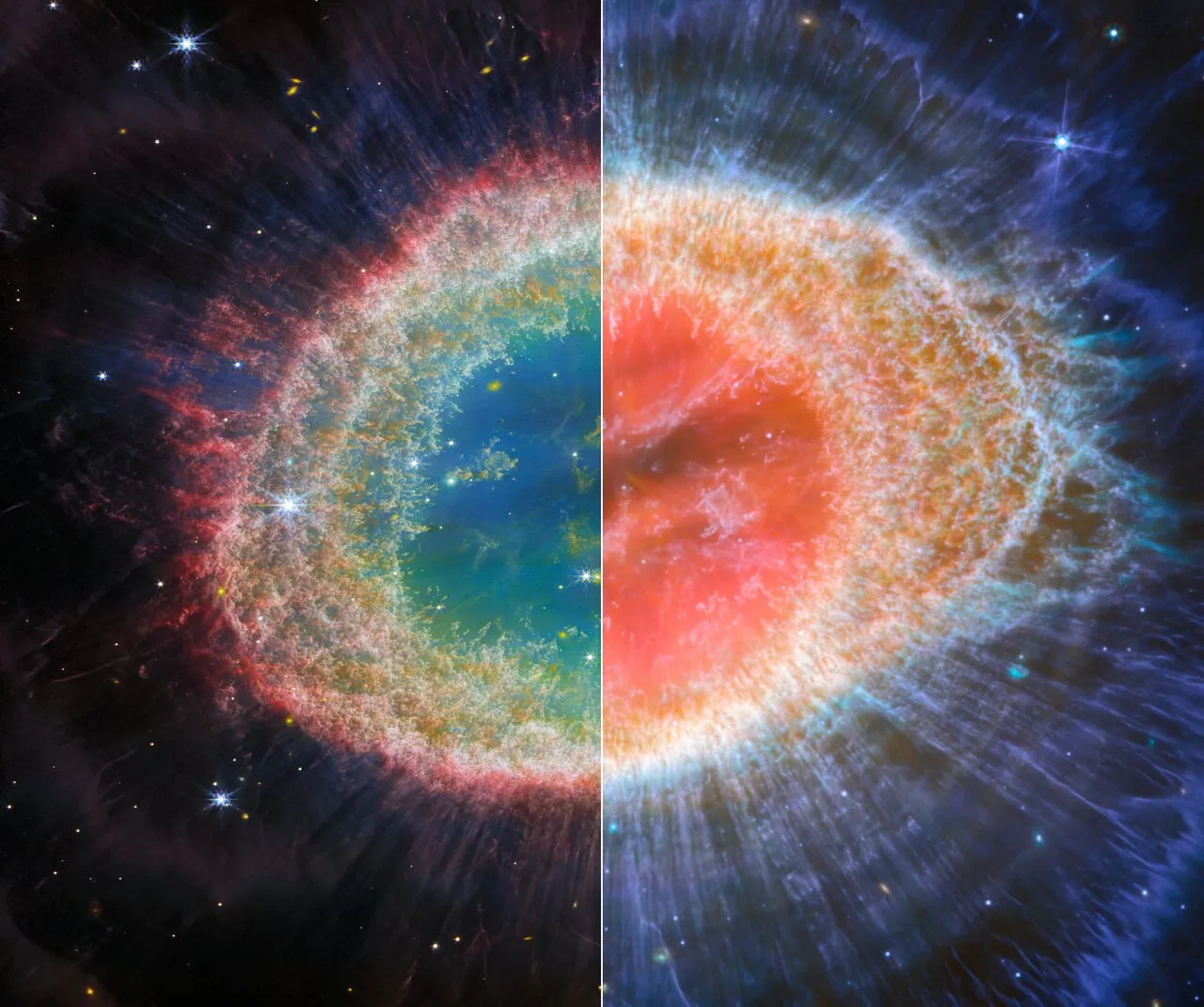
The origin of Lead and the s-process branching points Lead is an abundant element of the solar system and is particularly abundant on the Earth’s crust (Figure 1). The origin of three of its four stable isotopes (206Pb, 207Pb, and 208Pb) can be partially traced back to the decay of uranium and thorium (radiogenic origin)
-
SND@LHC Experiment: hunting for high-energy neutrinos and preparing for the HL run
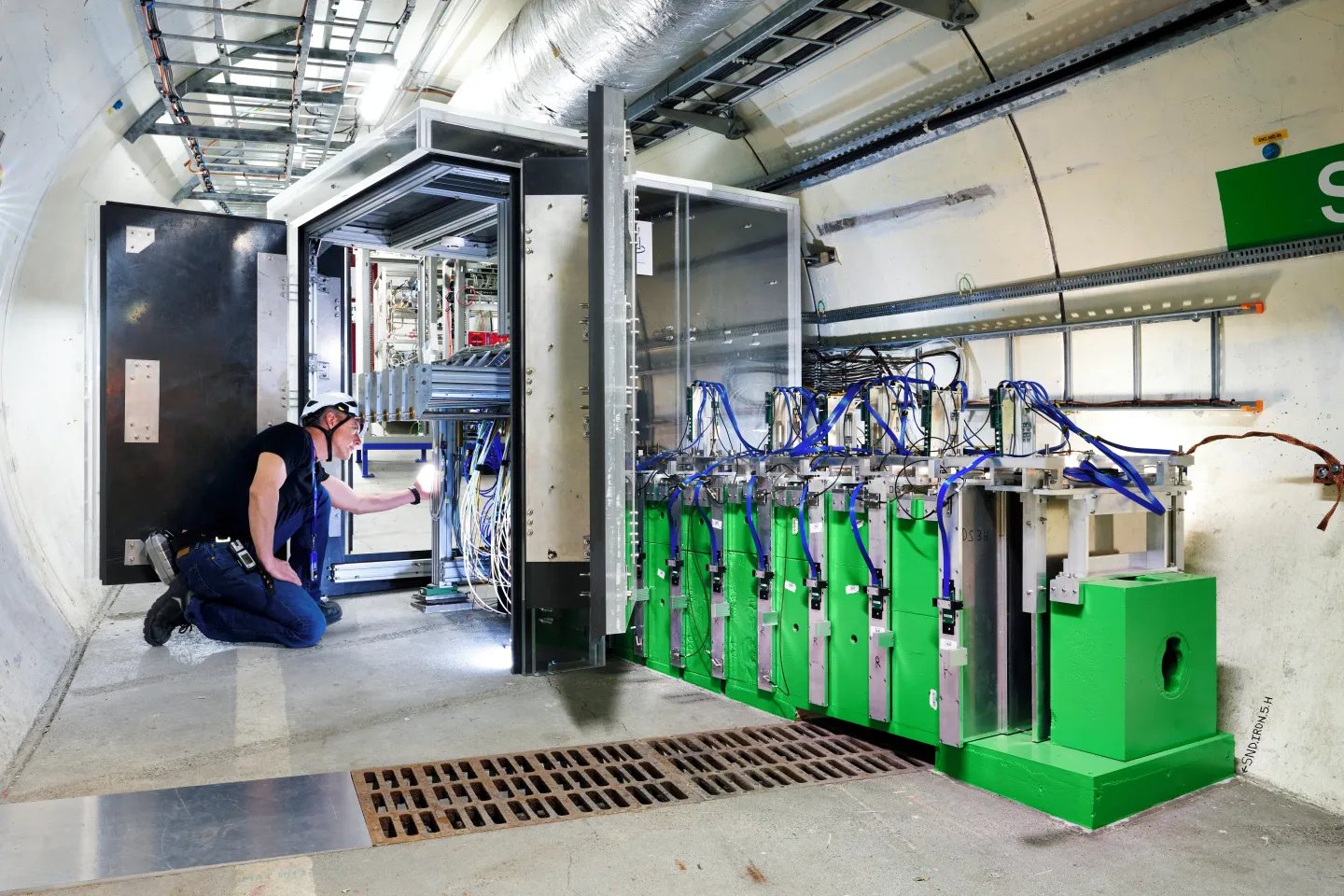
SND@LHC Experiment: hunting for high-energy neutrinos and preparing for the HL run Using the Large Hadron Collider as a neutrino source is the goal of the SND@LHC experiment. High-energy neutrinos, from a few hundred GeV to a few TeV, have never been studied. Moreover, neutrinos, particularly electron and tau species, in the SND pseudo-rapidity region
-
Silicon Photonics Circuits for Integrated Optical Readout of future High Energy Physics detectors
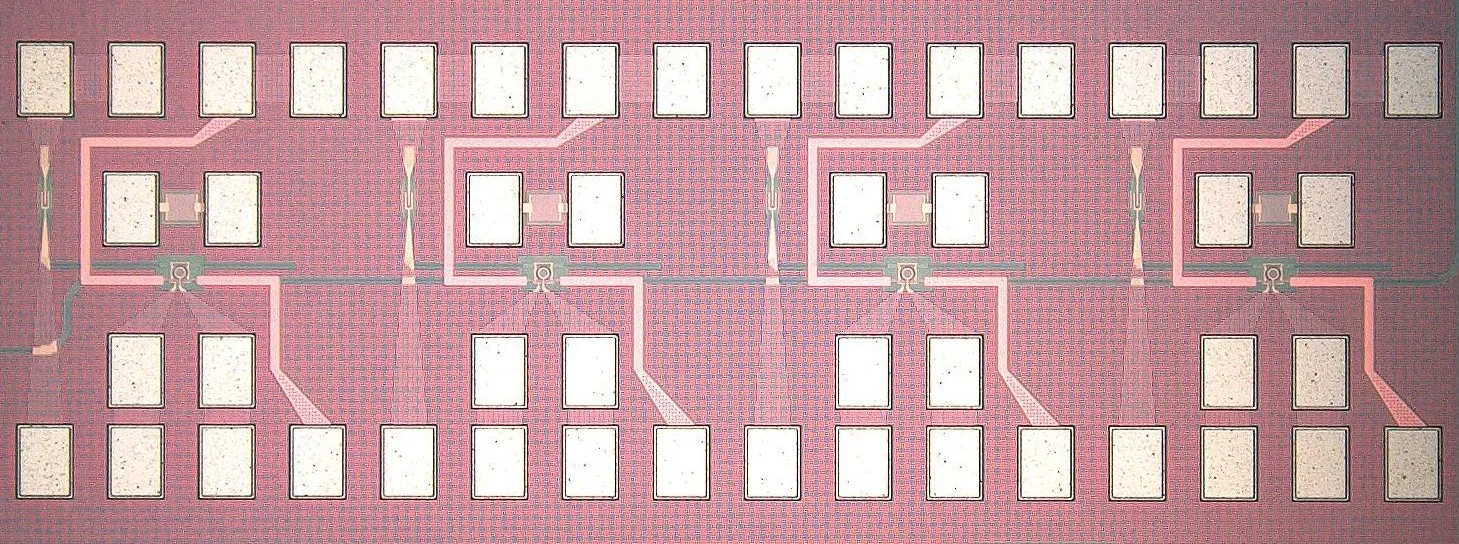
Silicon Photonics Circuits for Integrated Optical Readout of future High Energy Physics detectors Fibre optic links are crucial in High Energy Physics (HEP) experiments, allowing the transmission of large volumes of data from particle detectors operating in harsh radiation environments to radiation-free zones. Silicon Photonics (SiPh) [1] has emerged as a promising optoelectronic technology for
-
In discussion with Michael Campbell: Unpacking the Medipix/Timepix Revolution
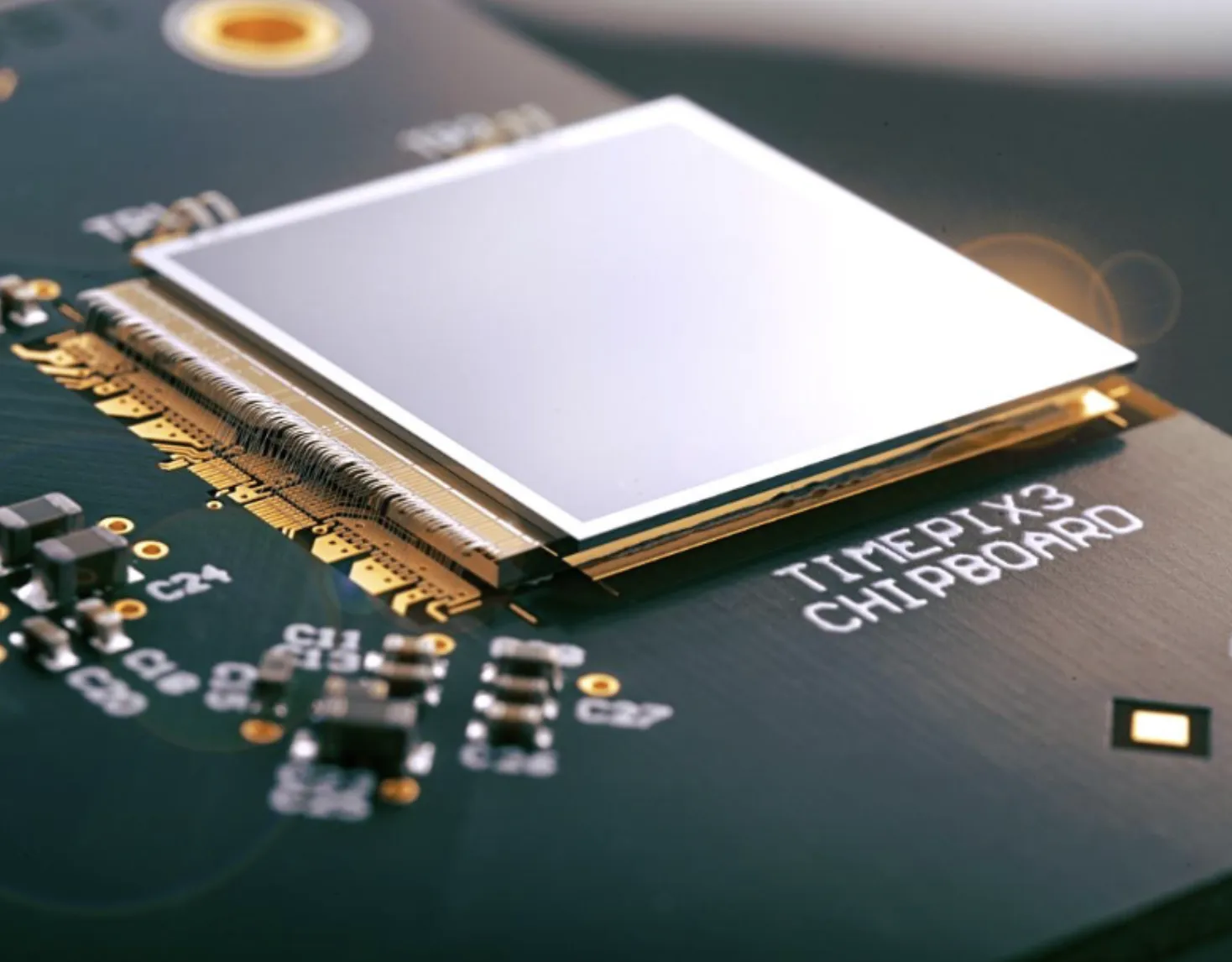
In discussion with Michael Campbell: Unpacking the Medipix/Timepix Revolution The Medipix and Timepix family of hybrid pixel detectors represents one of the most groundbreaking innovations to emerge from CERN’s detector technology. These chips, based on the hybrid pixel technology developed for high-energy physics experiments, have found remarkable applications in diverse fields such as medical imaging,