
Tag: Interviews and Features
-
NextGen Triggers: Pioneering R&D for HL-HC Data Acquisition and Event Processing
NextGen Triggers: Pioneering R&D for HL-HC Data Acquisition and Event Processing The High-Luminosity LHC upgrade will provide an unprecedented challenge to the data acquisition and online event processing capabilities of ATLAS and CMS. Both experiments are currently undergoing major upgrades to prepare their detectors to cope with the expected threefold increase in event level pile-up
-
Edge SpAIce: Leveraging CERN’s AI for Real-Time Ocean Plastic Tracking from Space
Edge SpAIce: Leveraging CERN's AI for Real-Time Ocean Plastic Tracking from Space Earth Observation (EO) and particle physics research have more in common than you might think. In both environments, whether capturing fleeting particle collisions or detecting transient traces of ocean plastics, rapid and accurate data analysis is paramount. We are excited to present a
-
Looking in all directions for long-lived particles at the LHC
Looking in all directions for long-lived particles at the LHC In 1984, Alvaro de Rujula pointed out that the proton-proton collisions at the LHC would produce large fluxes of very high energy neutrinos in the forward direction [1]. In 2023, almost 40 years later, the FASER and SND experiments ushered in the era of collider
-
SHiP Experiment: Charting New Territory in Particle Physics
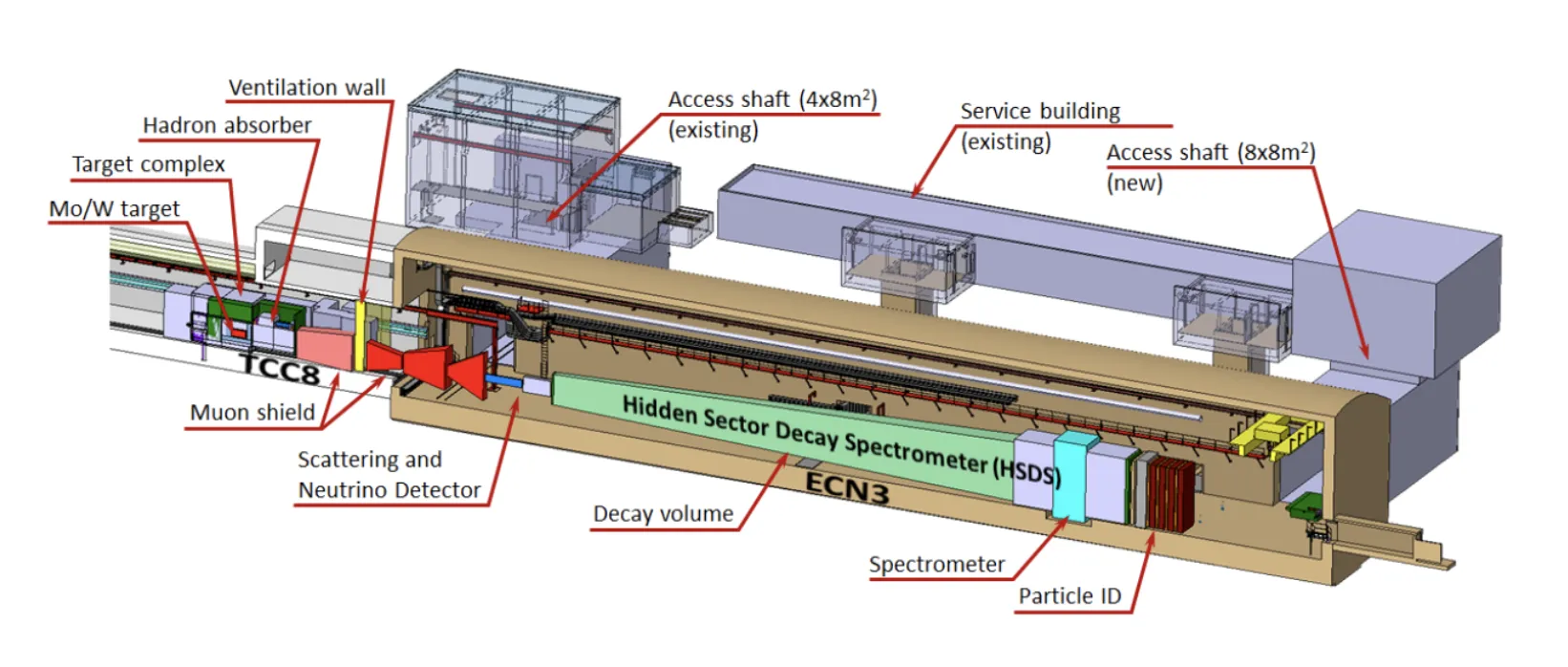
SHiP Experiment: Charting New Territory in Particle Physics Full speed ahead Layout of the SHiP experiment, with the target on the left and the experiment in the ECN3 hall. Credit: SHiP collaboration. In a significant step forward for particle physics, CERN’s Research Board recently approved the SHiP (Search for Hidden Particles) experiment, slated to begin
-
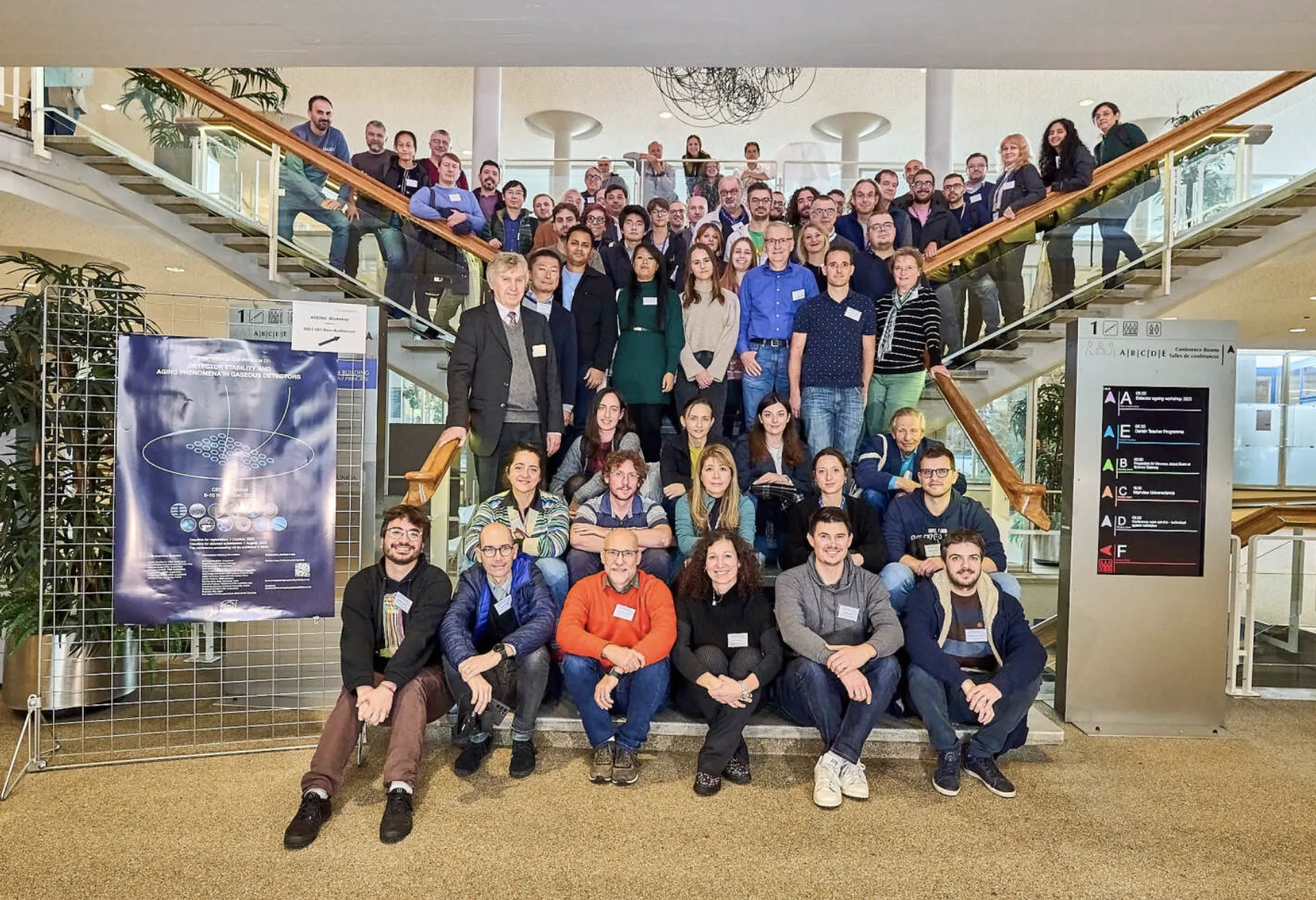
Unveiling the Hidden Foes: Tackling Aging Phenomena in Gaseous Detectors
Unveiling the Hidden Foes: Tackling Aging Phenomena in Gaseous Detectors The Large Hadron Collider (LHC) at CERN smashes particles together at record-breaking energies and intensities, unlocking the secrets of our universe. But lurking beneath the excitement of groundbreaking discoveries lies a constant battle against the inevitable – detector ageing. These colossal detectors, instrumental in capturing
-
The Future of HEP Computing Considered
The Future of HEP Computing Considered We are well-used to long lead times in particle physics. Detectors that are commissioned often rely on technology that was in an R&D phase decades before and now, as the CERN community, we now plan for new accelerators that will still be operational at the end of this century.
-
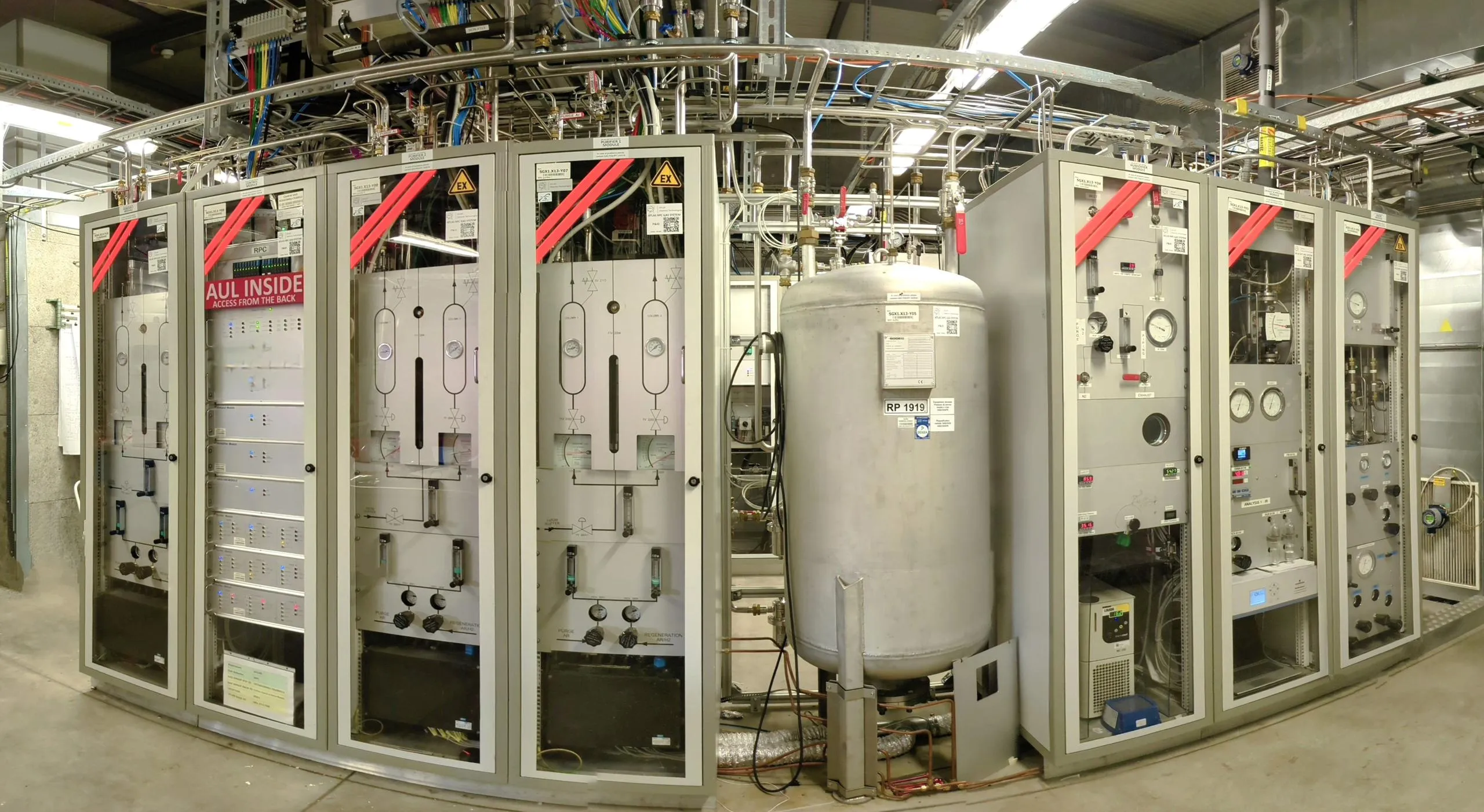
Reducing the greenhouse gas emissions from particle detection systems at CERN: status and perspectives.
Reducing the greenhouse gas emissions from particle detection systems at CERN: status and perspectives. At CERN experiments, some particle detector systems are operated with gas mixtures containing fluorinated gases. These gases are essential for achieving the specific detector performance required for data taking (e.g., long-term stability, time resolution, rate capability). However, these fluorinated gases (tetrafluoromethane
-
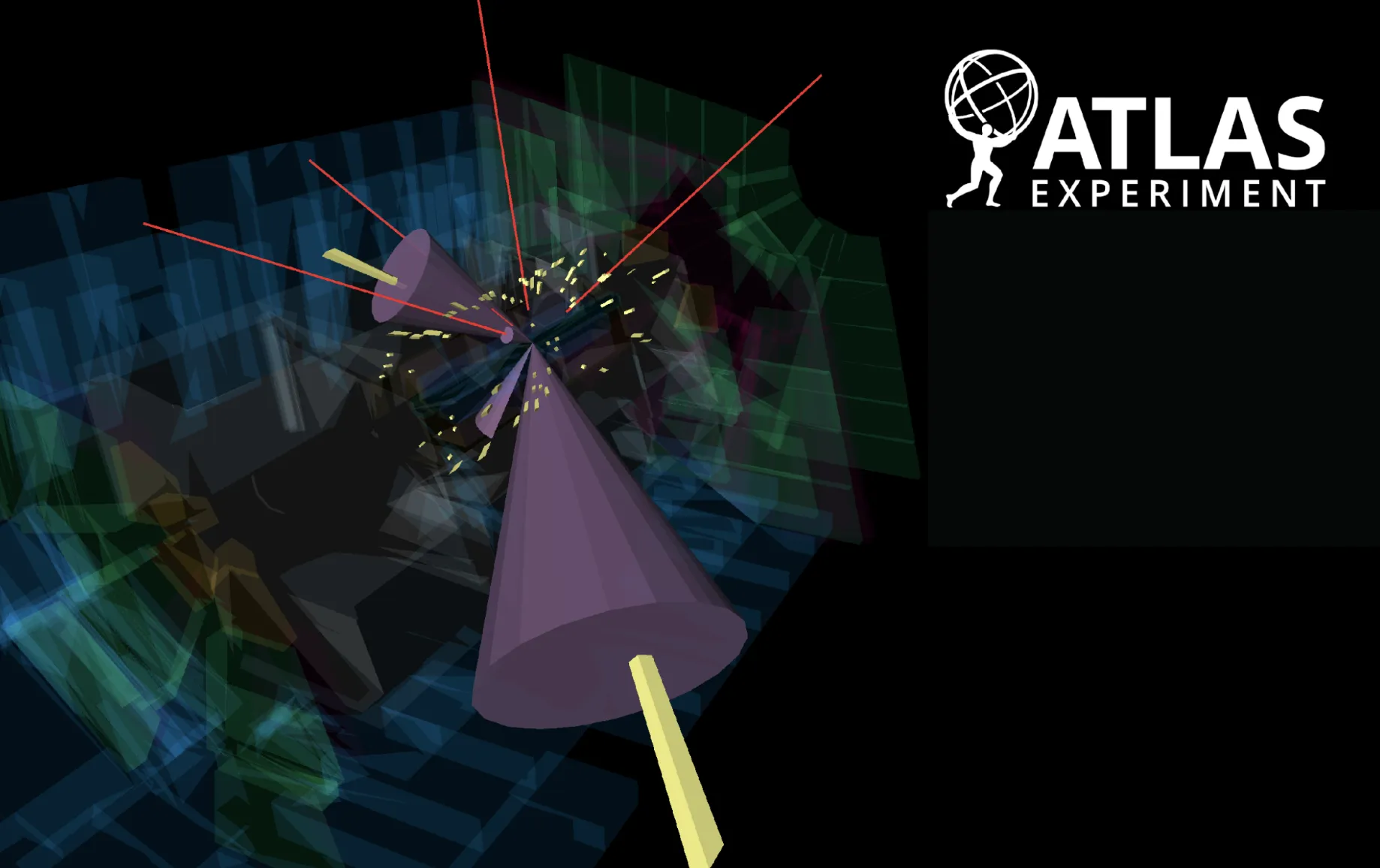
Extending ATLAS Physics Reach with Analysis Reuse Technology
Extending ATLAS Physics Reach with Analysis Reuse Technology In August 2023, the ATLAS Collaboration presented the most comprehensive results to date of searches for electroweak production of supersymmetric particles interpreted within the Phenomenological Minimal Supersymmetric Standard Model (pMSSM) theoretical framework. This result was a tour de force from ATLAS’s supersymmetry physics group, pulling together results
-
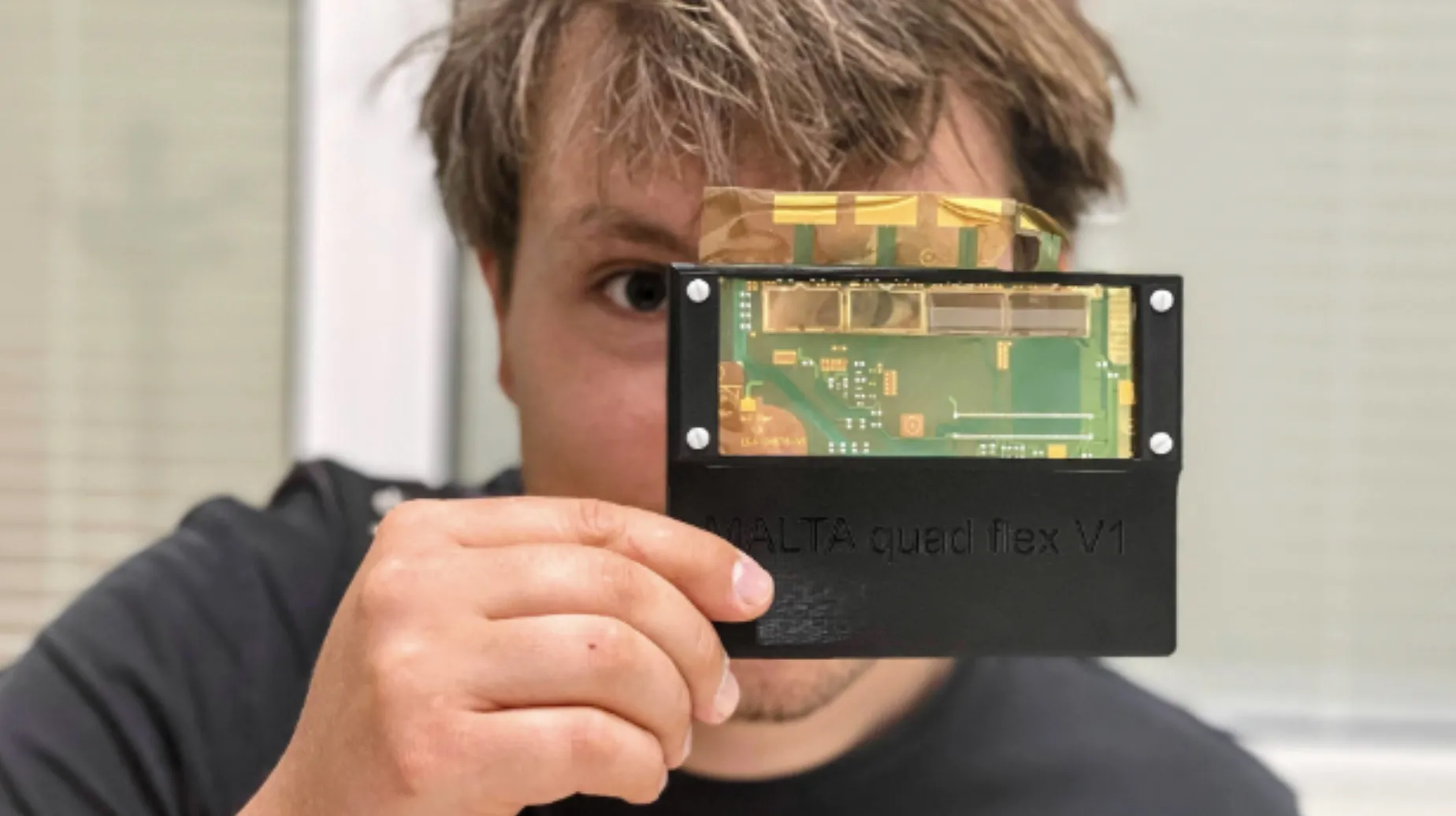
Silicon-detector modules for future experiments
Silicon-detector modules for future experiments The strategic EP R&D programme on technologies for future experiments pursues an ambitious development programme for advanced silicon detectors. Achieving reliable, high-performance, large-area tracking and timing detector systems with minimal material content and affordable cost presents major challenges. These challenges include hybridizing sensors and readout ASICs, as well as integrating
-
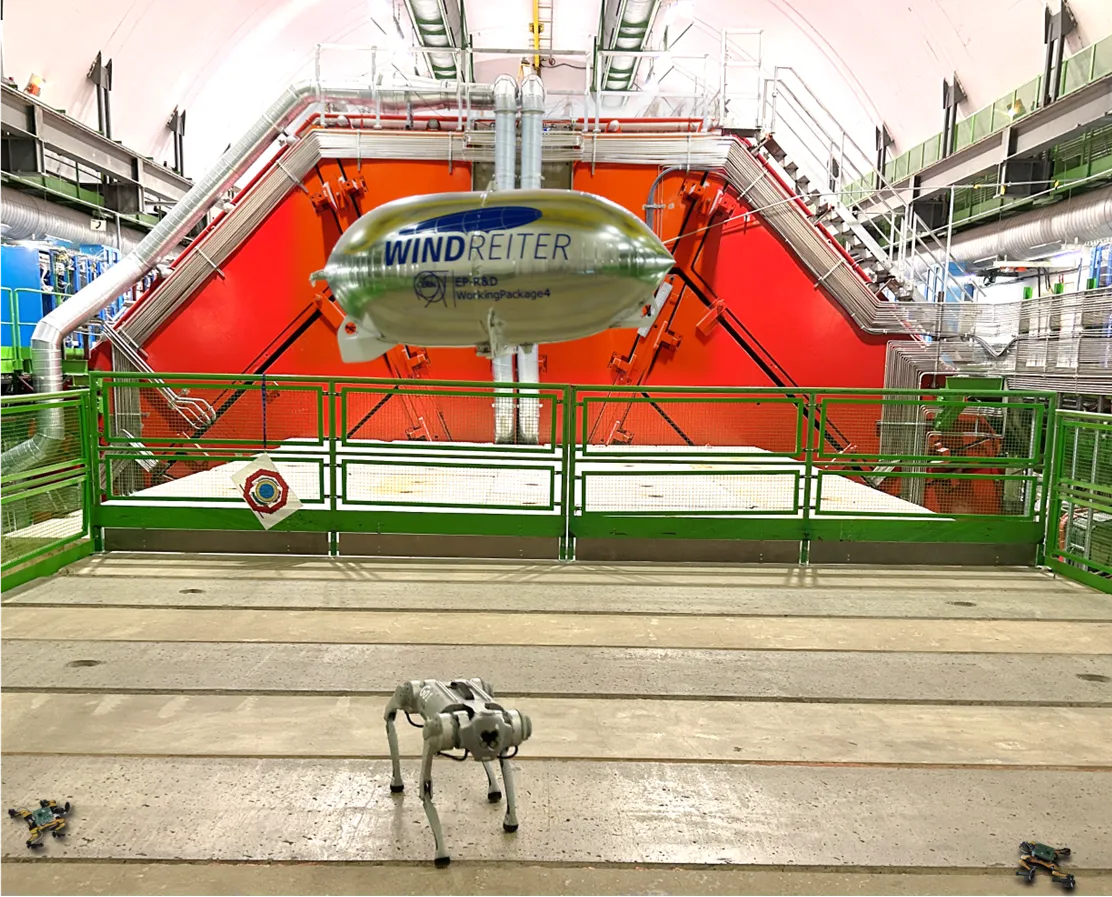
Future Robotic Residents in Experimental Caverns: Advancements in Detector Technology at CERN’s EP Department
Future Robotic Residents in Experimental Caverns: Advancements in Detector Technology at CERN's EP Department In 2020, CERN’s Experimental Physics Department launched an ambitious project of research and development (EP R&D) for future detectors technologies. This comprehensive initiative tackles advancements in various areas, including sensors, electronics, software, and mechanics. As part of this effort, within the