
Tag: Interviews and Features
-
lpGBT ASIC Production
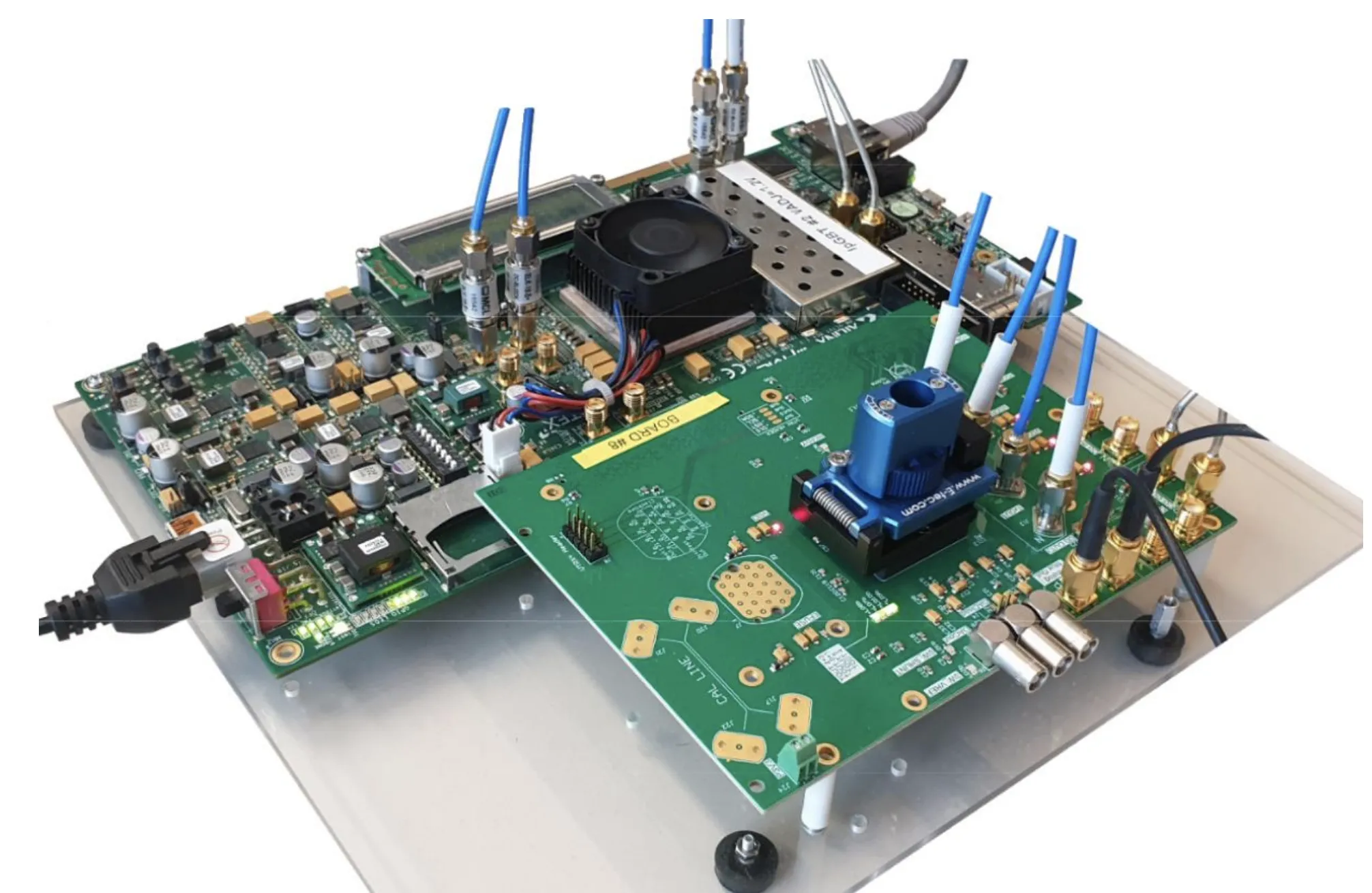
lpGBT ASIC Production What is the lpGBT ASIC ? Figure 1: The lpGBT silicon die on the package substrate (left) and the finished product with overmold (right) The Low Power Giga Bit Transceiver (lpGBT) is a reliable, radiation-tolerant ASIC designed for use in multiple detector systems of the Large Hadron Collider (LHC) (see Figure 1).
-
Update on CernVM-FS
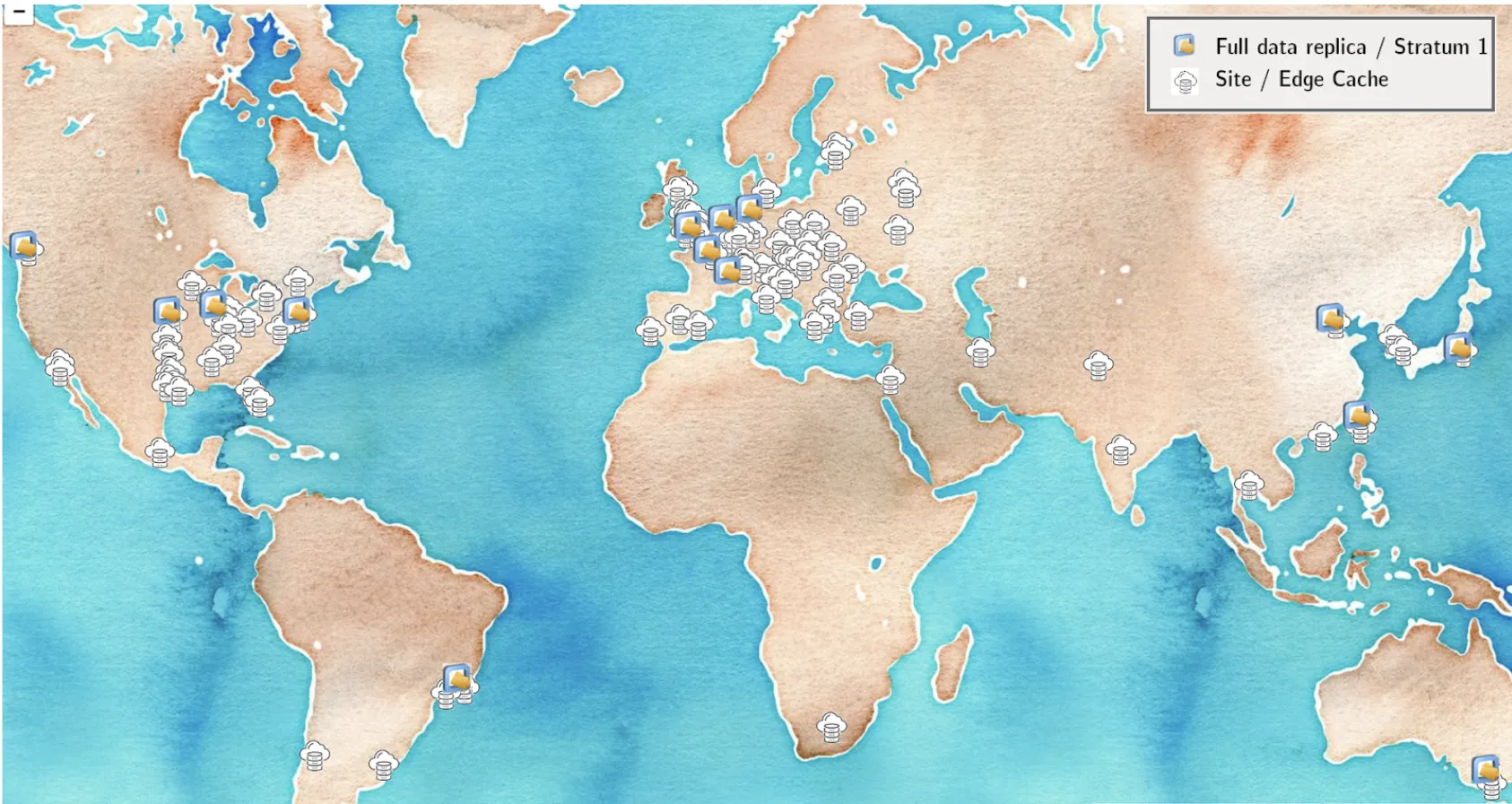
Update on CernVM-FS Fig. 1: Map of CVMFS cache instances. The tiered cache model is one of the techniques that helps to efficiently deploy software on /cvmfs to computing sites all over the world. Anyone who has ever used experimental software on CERN's computing infrastructure is likely to be familiar with CernVM-FileSystem (CVMFS) – even
-
Report from the 6th Workshop on the LHCb Upgrade II
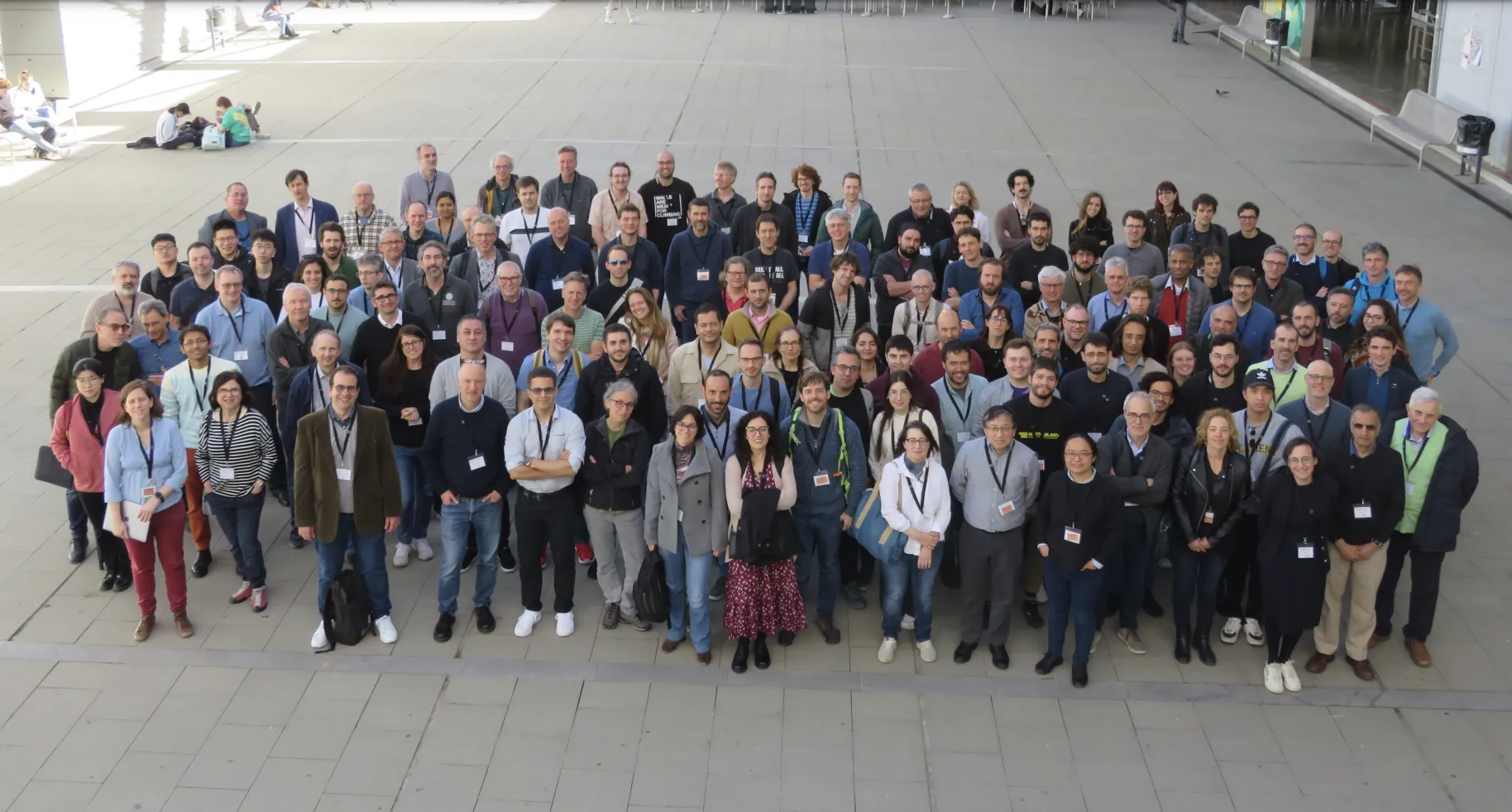
Report from the 6th Workshop on the LHCb Upgrade II From March 29 until 31, the LHCb collaboration held its 6th Upgrade II workshop in the Faculty of Physics in Barcelona with 147 participants. It was the first time the collaboration gathered in-person after the pandemic to discuss plans for the Upgrade II of the
-
The IRRAD Proton Facility Journey to get new detector systems ready for the Long Shutdown 3
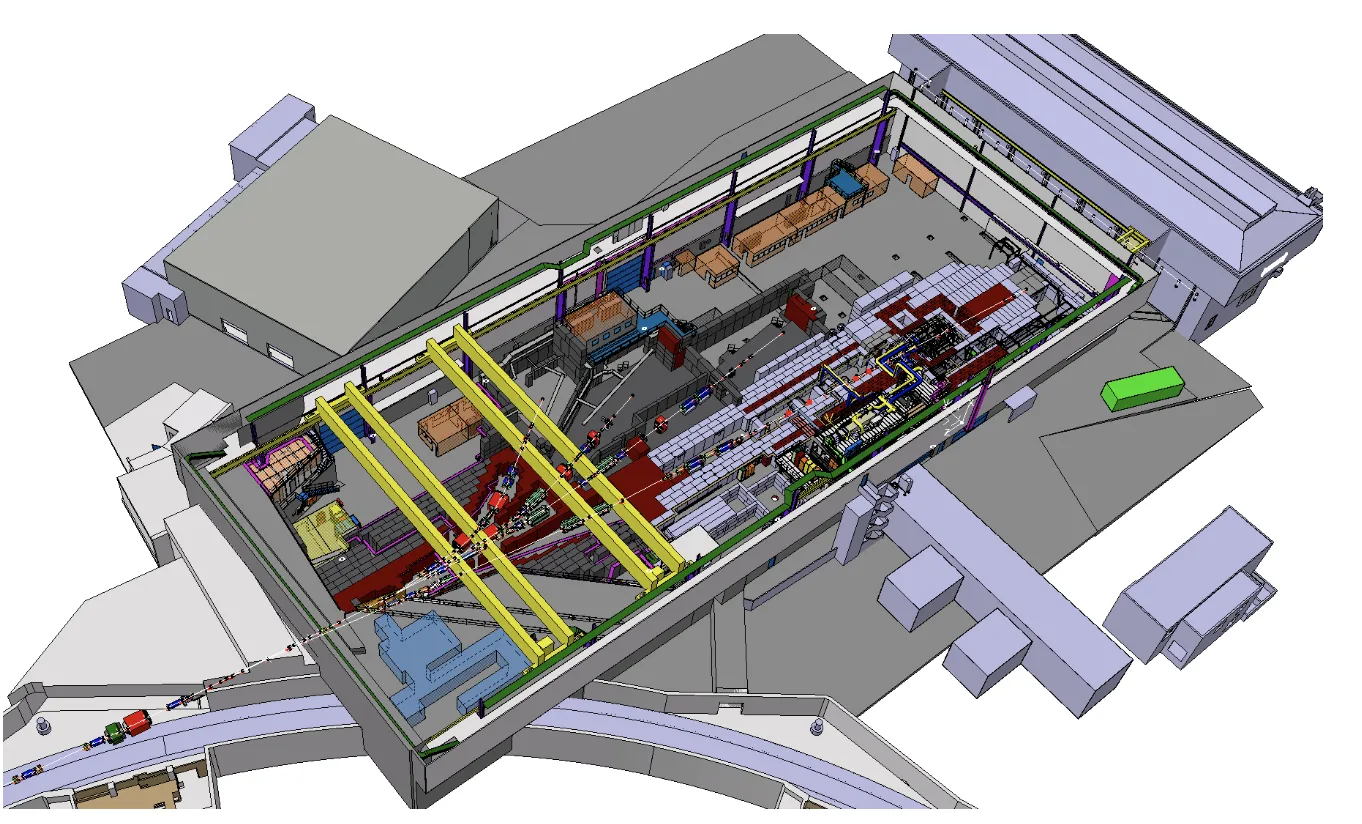
The IRRAD Proton Facility Journey to get new detector systems ready for the Long Shutdown 3 The proton irradiation facility (IRRAD) at the PS East Area was built during the LS1 to cope with the increasing needs for radiation tests of the experimental community working for the HL upgrade of the LHC and beyond. The
-
Chronicles of SND@LHC’s first year of data taking
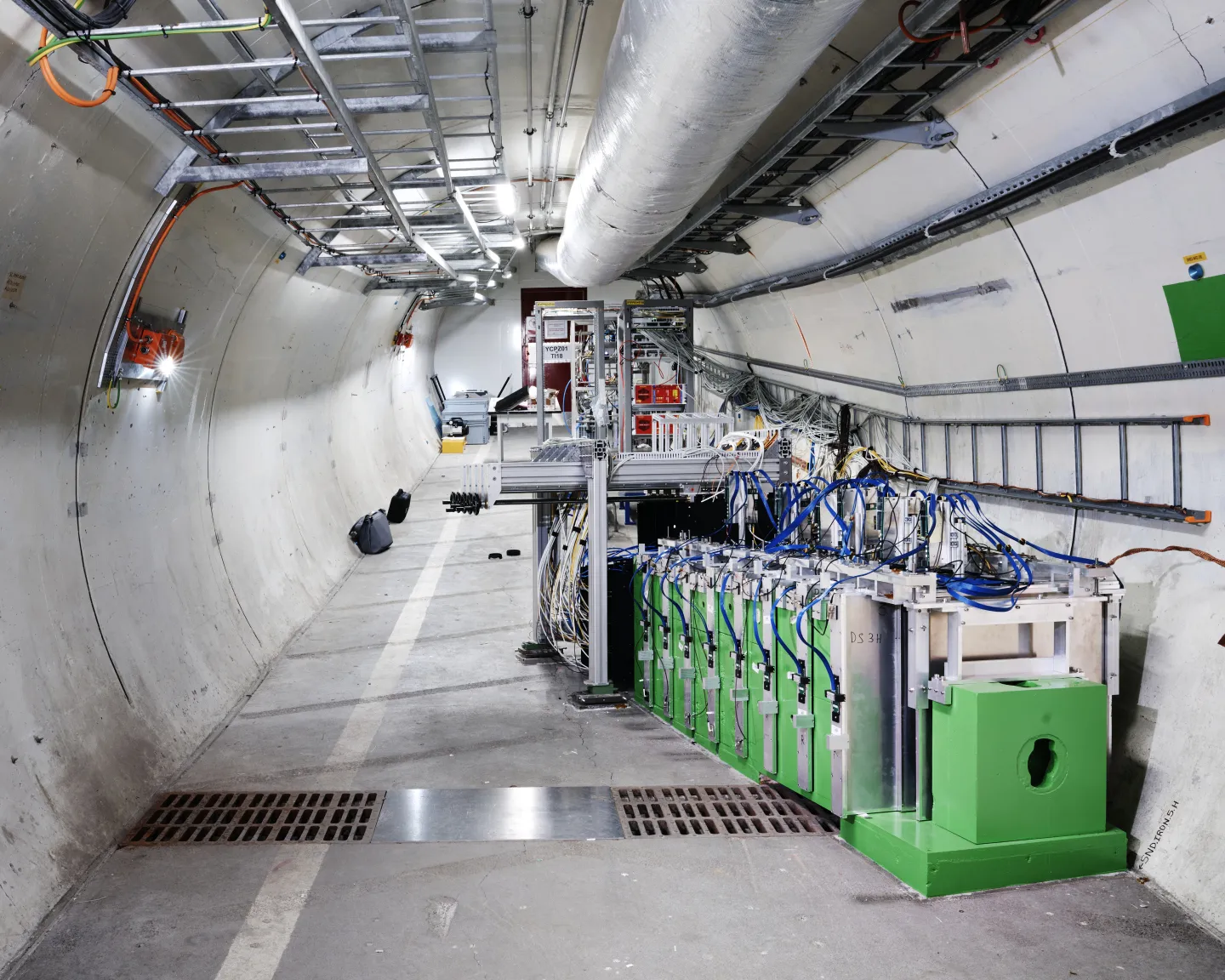
Chronicles of SND@LHC’s first year of data taking The year 2022 saw the culmination of 18 months of intense preparatory work with the SND@LHC Collaboration entering the highly anticipated phase of commissioning with beam and first year of data taking. After the installation of the neutron shield surrounding the target in March 2022, a small
-

HIKE collaboration targets a new era of kaon experiments
HIKE collaboration targets a new era of kaon experiments The recently proposed High Intensity Kaon Experiments (HIKE) project offers a long-term vision for a research programme at CERN, covering experimental searches in the kaon sector that could enable a new generation of searches and indirectly probe new physics beyond the Standard Model. HIKE is intended
-
TOTEM collaboration prepares to explore new territories in forward physics
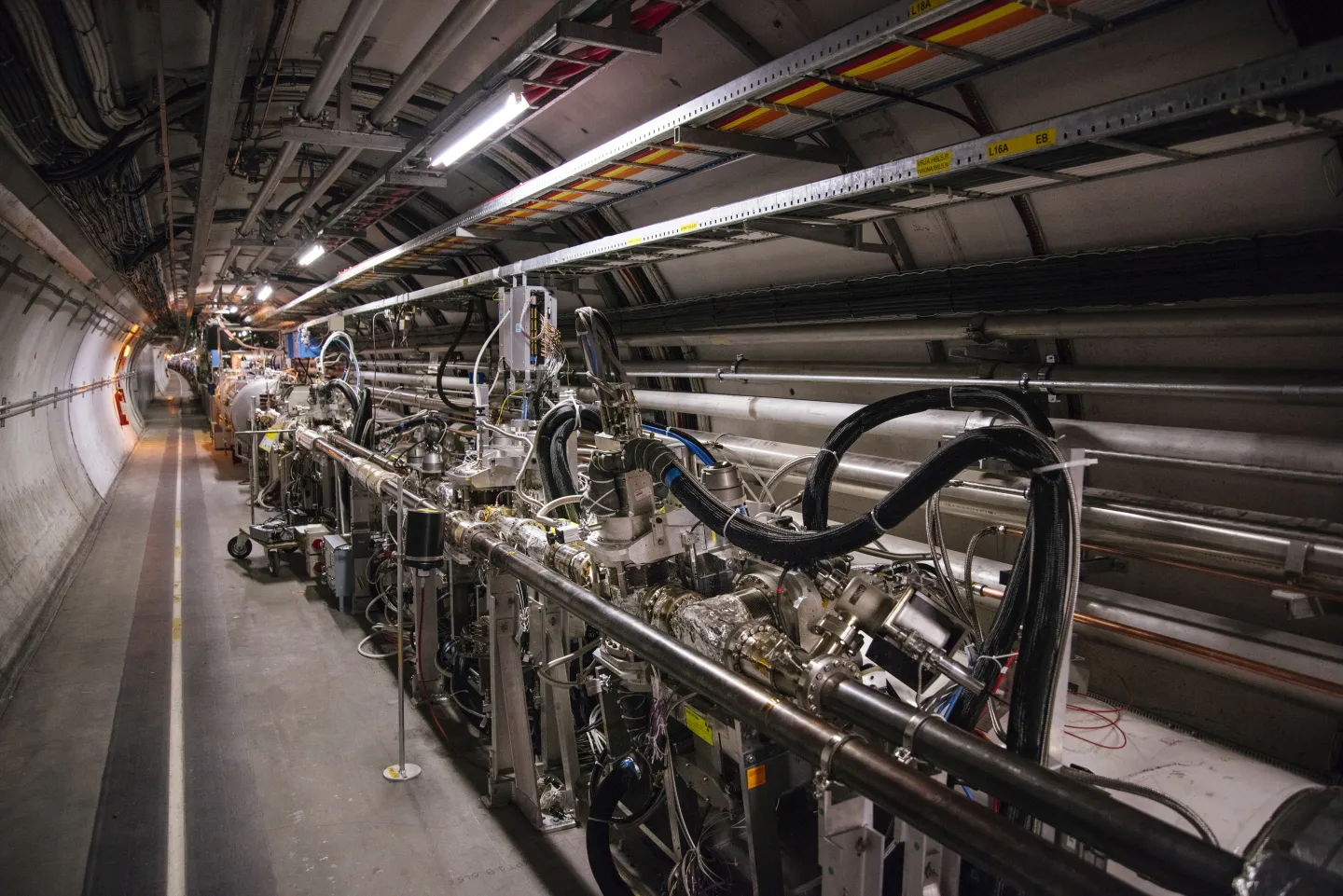
TOTEM collaboration prepares to explore new territories in forward physics A new period of data taking began at the world’s most powerful particle accelerator, the Large Hadron Collider (LHC), after more than three years of upgrade and maintenance work. This presents new opportunities for measurements to the LHC experiments including the smallest experiments at the
-
Testing silicon sensors for the CMS Endcap Calorimeter Upgrade
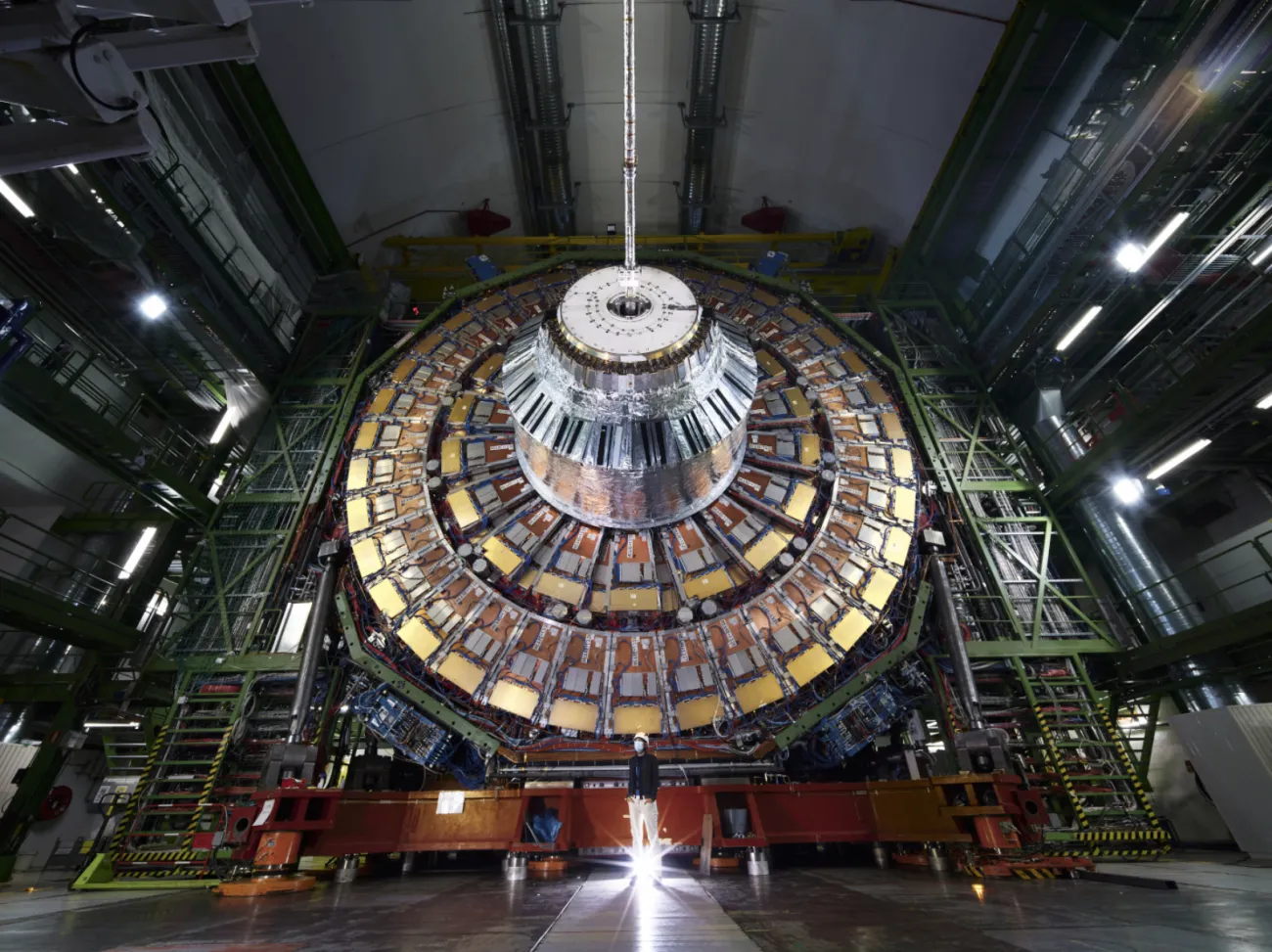
Testing silicon sensors for the CMS Endcap Calorimeter Upgrade Introduction The upcoming upgrade of the LHC to the HL-LHC will pose significant challenges to the detectors due to the enhanced radiation levels and the increase in the number of pile-up interactions. To meet the increased demands, CMS has undertaken an extensive R&D program to upgrade
-
Upgrading the ATLAS Level-1 Central Trigger
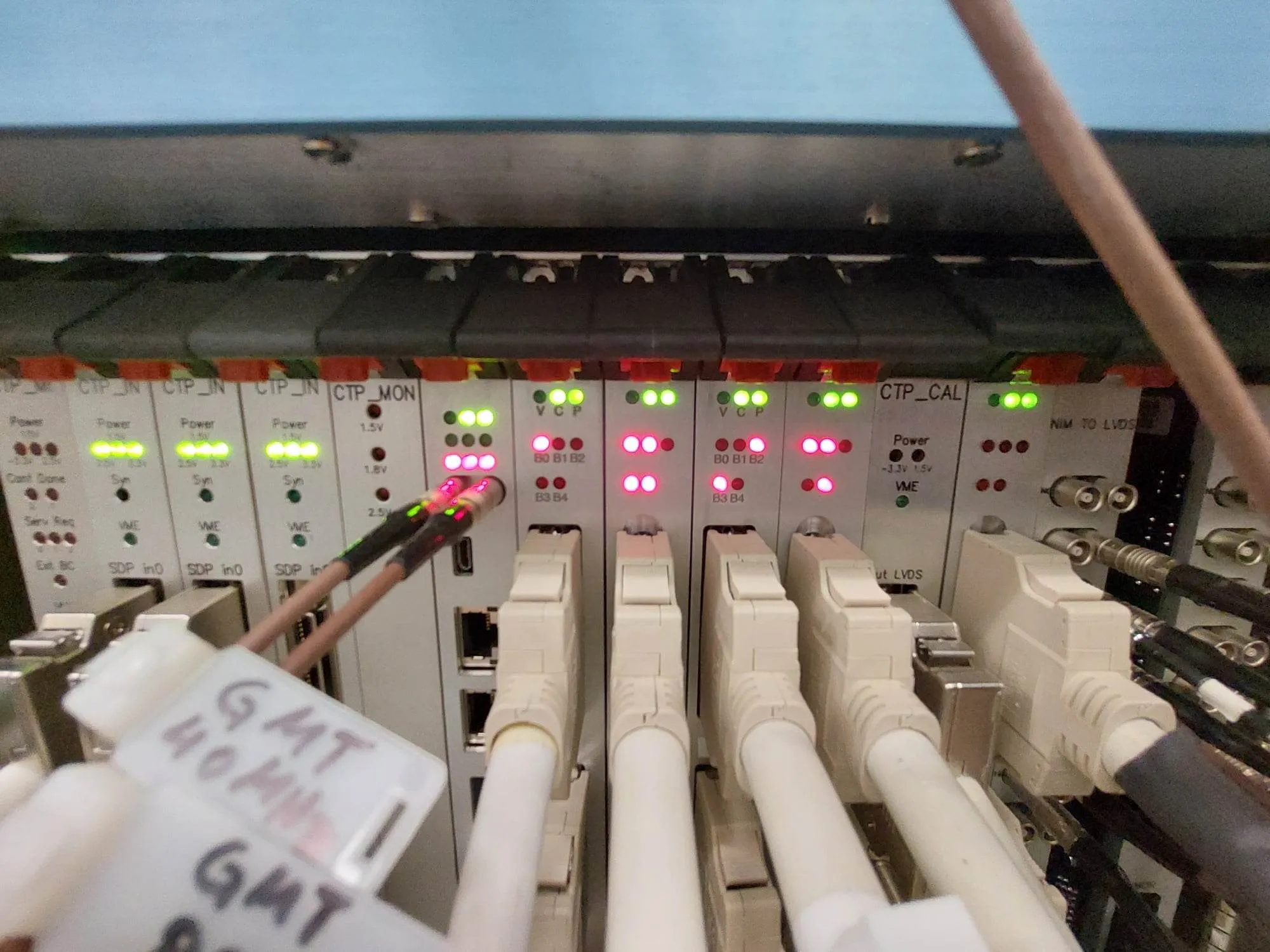
Upgrading the ATLAS Level-1 Central Trigger The ATLAS trigger system consists of a first-level trigger based on custom electronics and firmware, and a high-level software trigger (HLT) running on off-the-shelf hardware. The first level trigger (see Figure 1) uses information from calorimeters, muon and forward detectors which arrives at the bunch crossing rate of 40
-
The Phase-2 Upgrade of the CMS Data Acquisition system
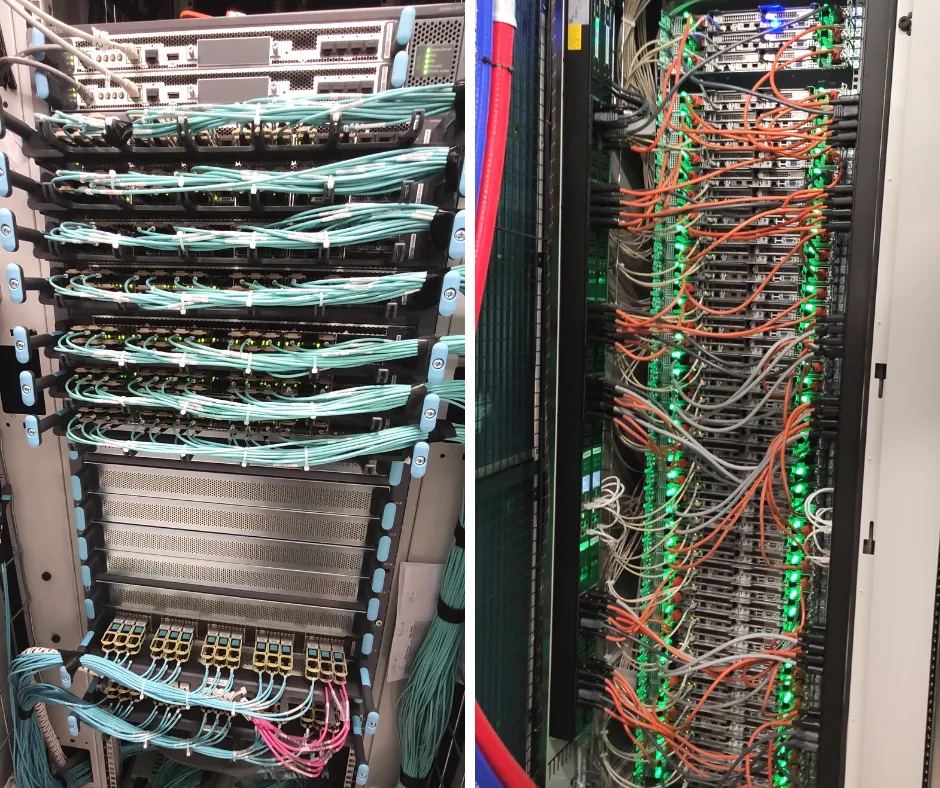
The Phase-2 Upgrade of the CMS Data Acquisition system Even though Run-3 data taking has only just started, the preparations for the next phase of the LHC physics programme are well under way. Just like the LHC, during LS3 many of the LHC experiments will receive significant upgrades. In order to maintain its excellent physics