
Tag: Interviews and Features
-
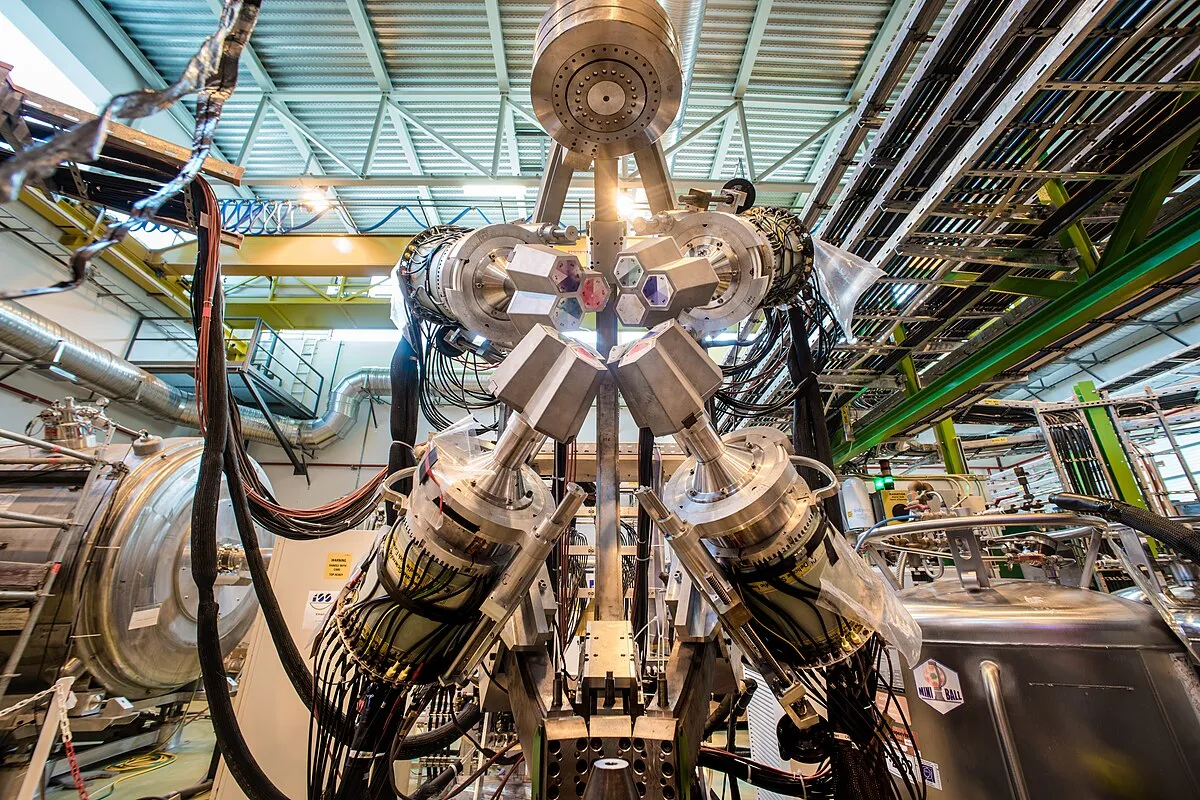
Investigating exotic structures of exotic nuclei with Miniball
Investigating exotic structures of exotic nuclei with Miniball Atomic nuclei come in all manner of shapes and sizes, sometimes at the same time! The reason behind this diversity lies in poorly understood nuclear forces. Many features of these forces only came to light when studying very unstable nuclei, which do not occur terrestrially. At CERN,
-
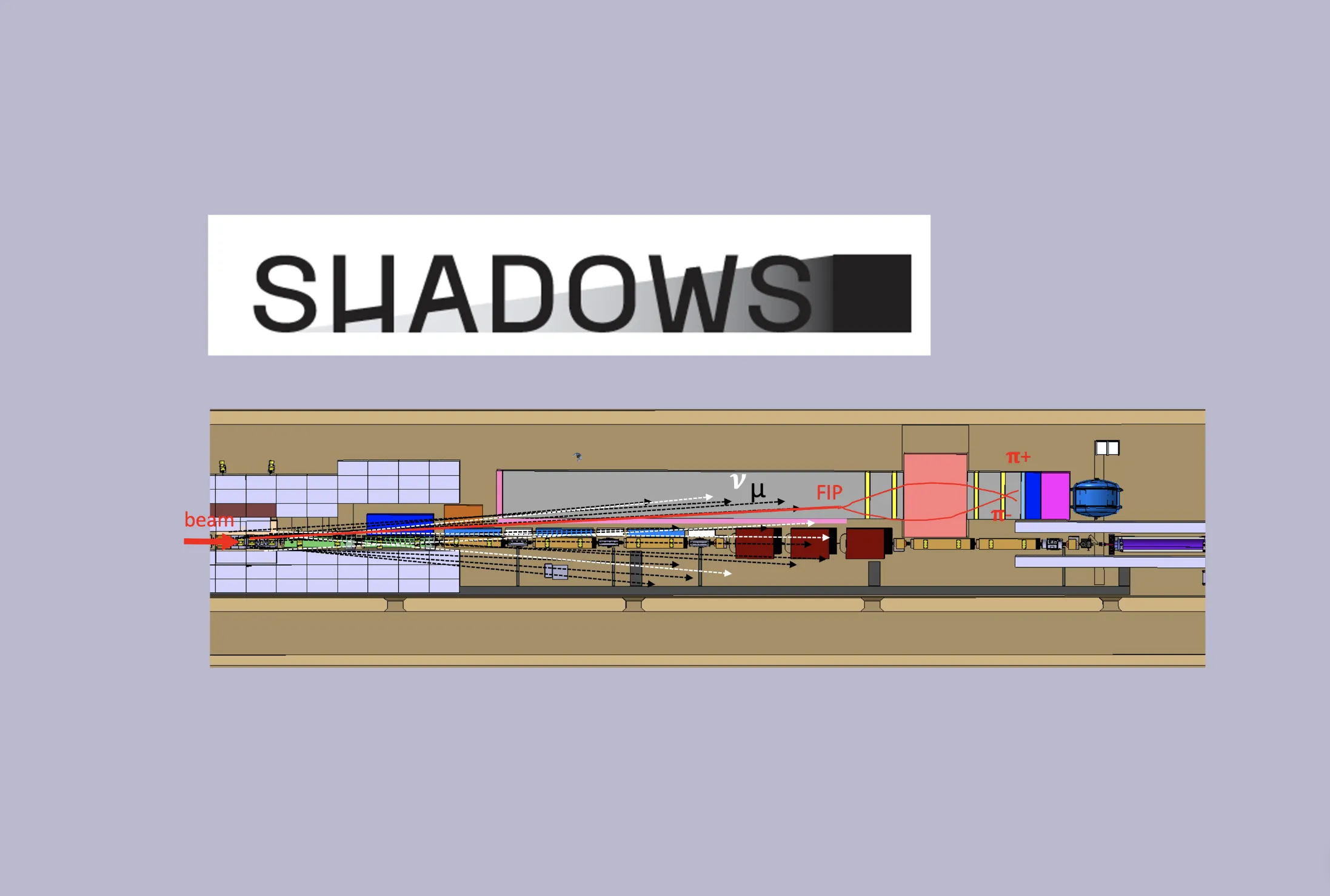
SHADOWS of New Physics in the CERN North Area
SHADOWS of New Physics in the CERN North Area In recent years, the physics of feebly-interacting particles (FIPs) has received considerable and growing attention from the broad HEP community, motivated by both existing data, and by the appeal of simple extensions of the Standard Model to address long-standing puzzles in which FIPs play an important
-
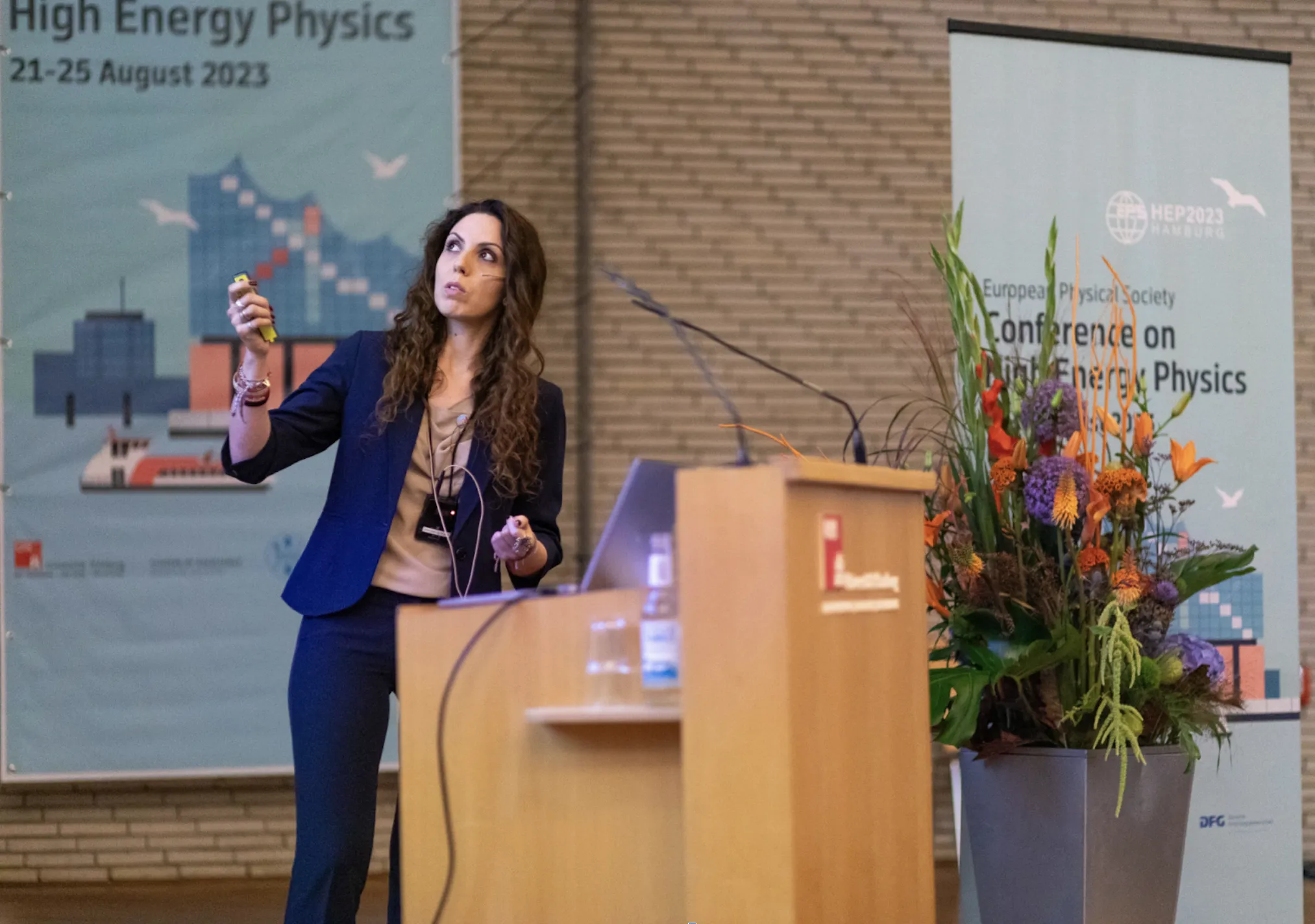
In discussion with Valentina Cairo
In discussion with Valentina Cairo Earlier this summer, the 2023 Young Experimental Physicist Prize of the High Energy and Particle Physics Division of the European Physical Society – for early career experimental physicists – was awarded to CERN staff physicist Valentina Cairo for her outstanding contributions to the ATLAS experiment: from the construction of the
-
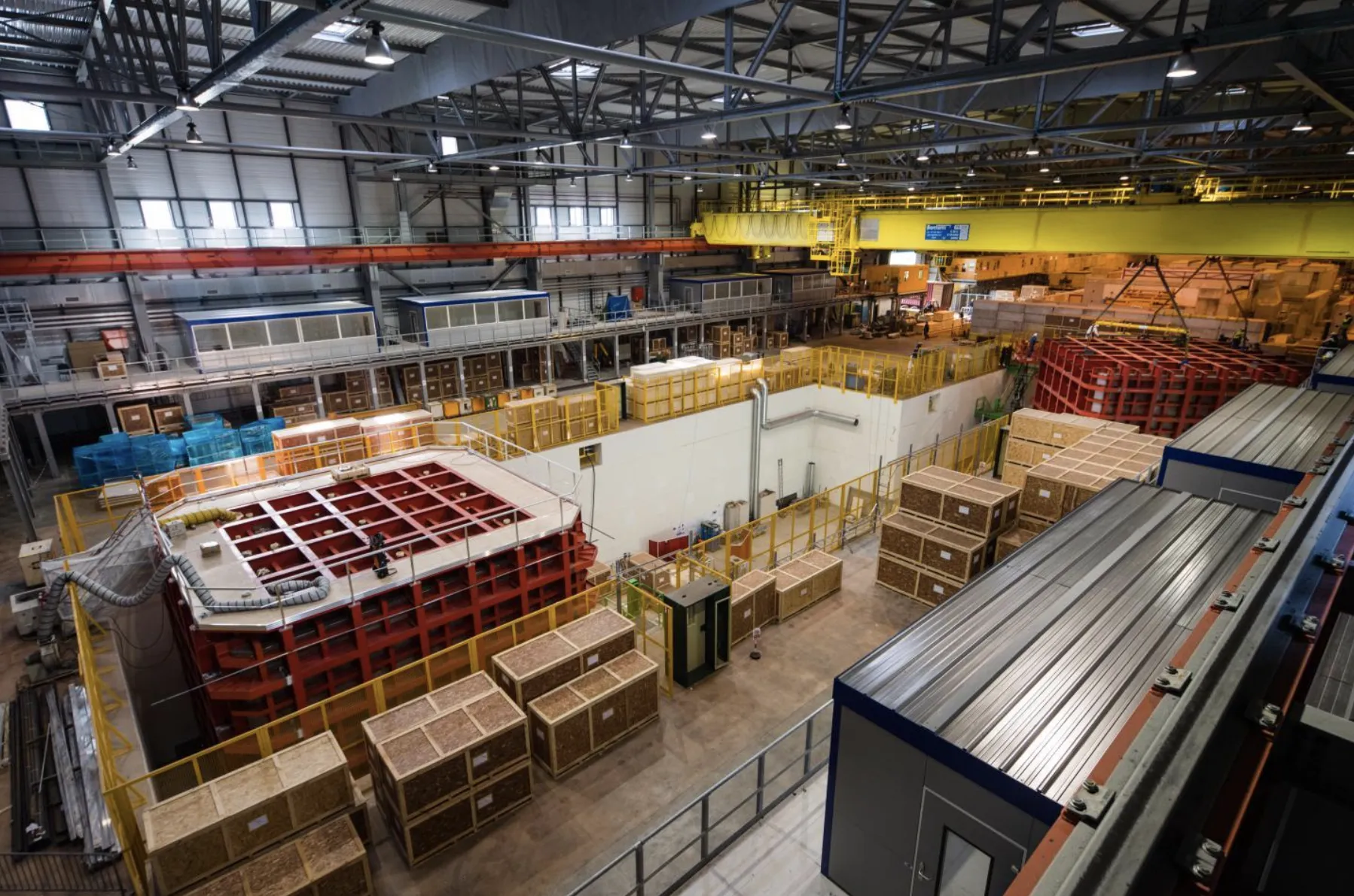
DUNE and T2K gear up for next stage
DUNE and T2K gear up for next stage In the middle of the LHC ring, at the CERN Prevessin site, lies an experimental facility dedicated to particles that are but missing momentum to the four major LHC experiments. The Neutrino Platform, built as an extension of the SPS test beam area, hosts the R&D activities
-
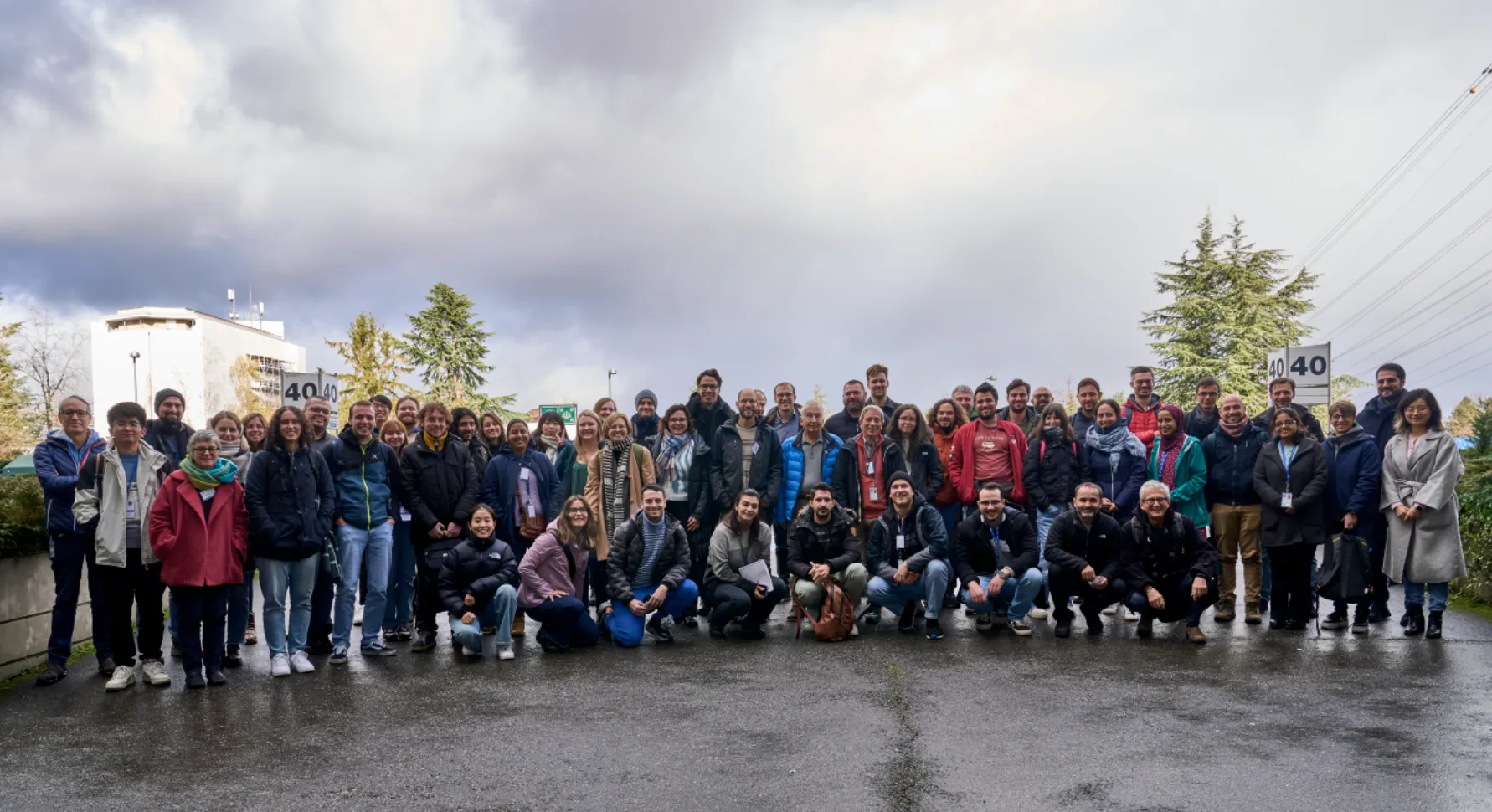
First edition of the RD51 Micro Pattern Gaseous Detectors School at CERN.
First edition of the RD51 Micro Pattern Gaseous Detectors School at CERN. The first edition of the RD51 Micro Pattern Gaseous Detectors (MPGD) School was held at CERN from November 27th to December 1st, 2023. The school focused on state-of-the-art MPGD technologies with the goals of introducing newcomers to the field of MPGDs as well
-
A word from the DIRAC and Rucio Workshop 2023
A word from the DIRAC and Rucio Workshop 2023 DIRAC and Rucio are two software projects used for scientific computing. Both projects are led by CERN, and the EP department is one of the major contributors to both. DIRAC is used by CERN experiments such as LHCb, CLIC, FCC, NA62, and non-CERN experiments like Belle
-
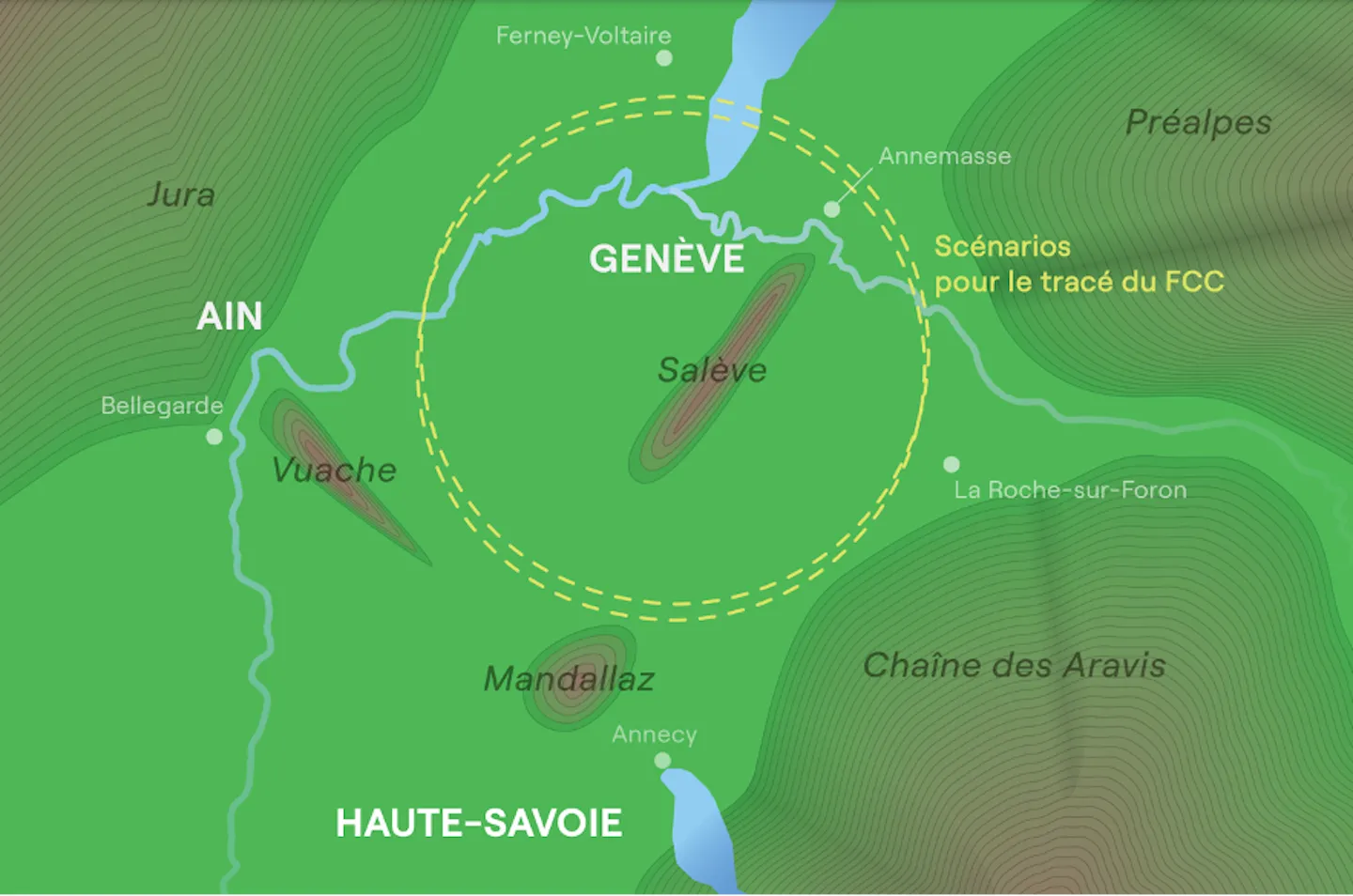
FCC feasibility study reaches midterm milestone
FCC feasibility study reaches midterm milestone The first stage of the Future Circular Collider (FCC) Integrated Project is a high-luminosity, high-energy electron-positron collider, serving as a Higgs, top and electroweak factory. The second stage is an energy frontier hadron collider, with a centre-of-mass energy of at least 100 TeV. This programme matches the highest priority
-
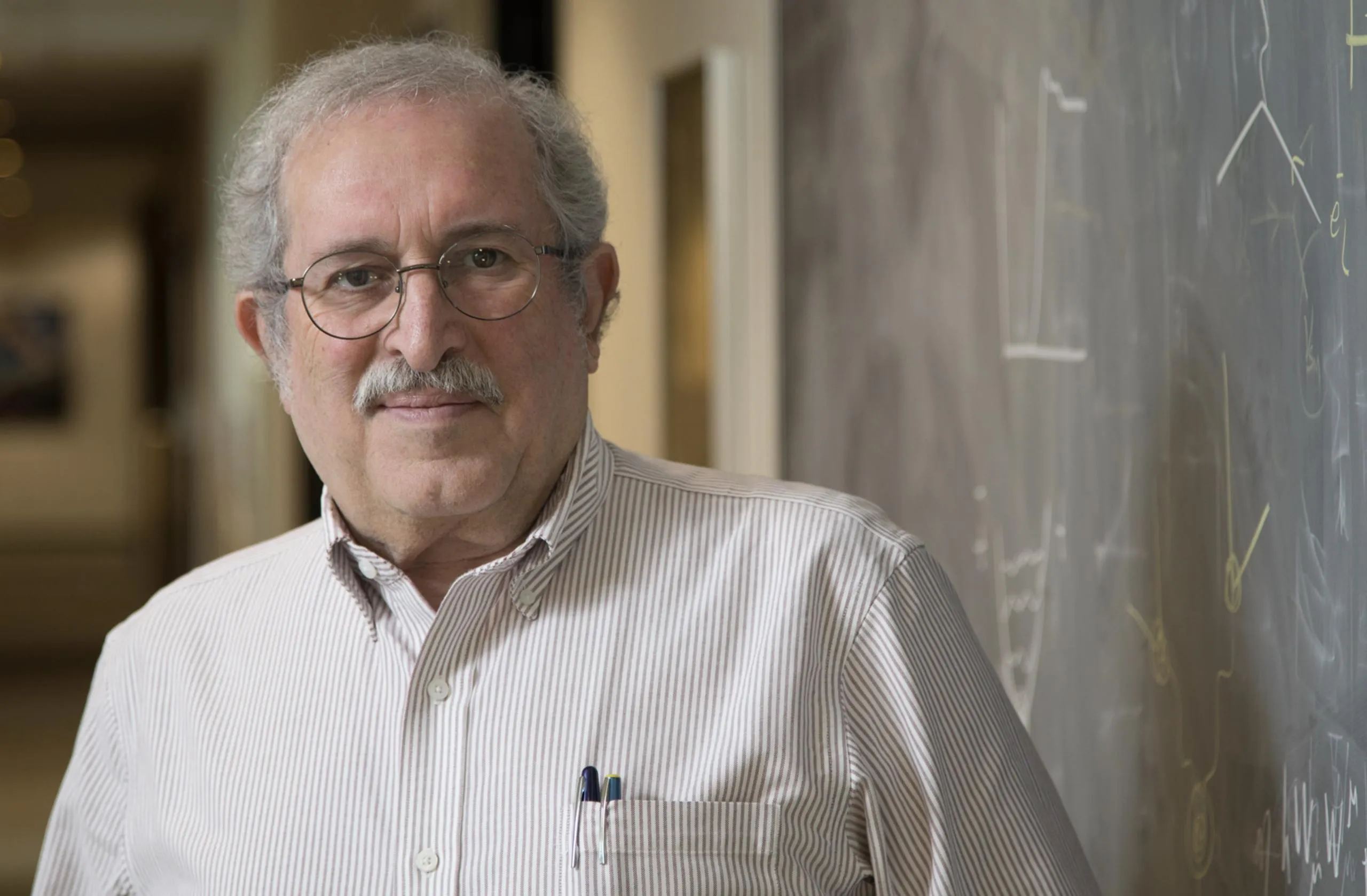
An interview with Michael E. Peskin
An interview with Michael E. Peskin What drove you into particle physics? I grew up in an environment that was keen on science. Both of my parents were doctors. My father was a well-known academic surgeon who held appointments at the University of Pennsylvania, the University of Chicago, UC San Diego, and Yale. My mother
-
Jet Substructure as a powerful probe of Quantum Chromodynamics
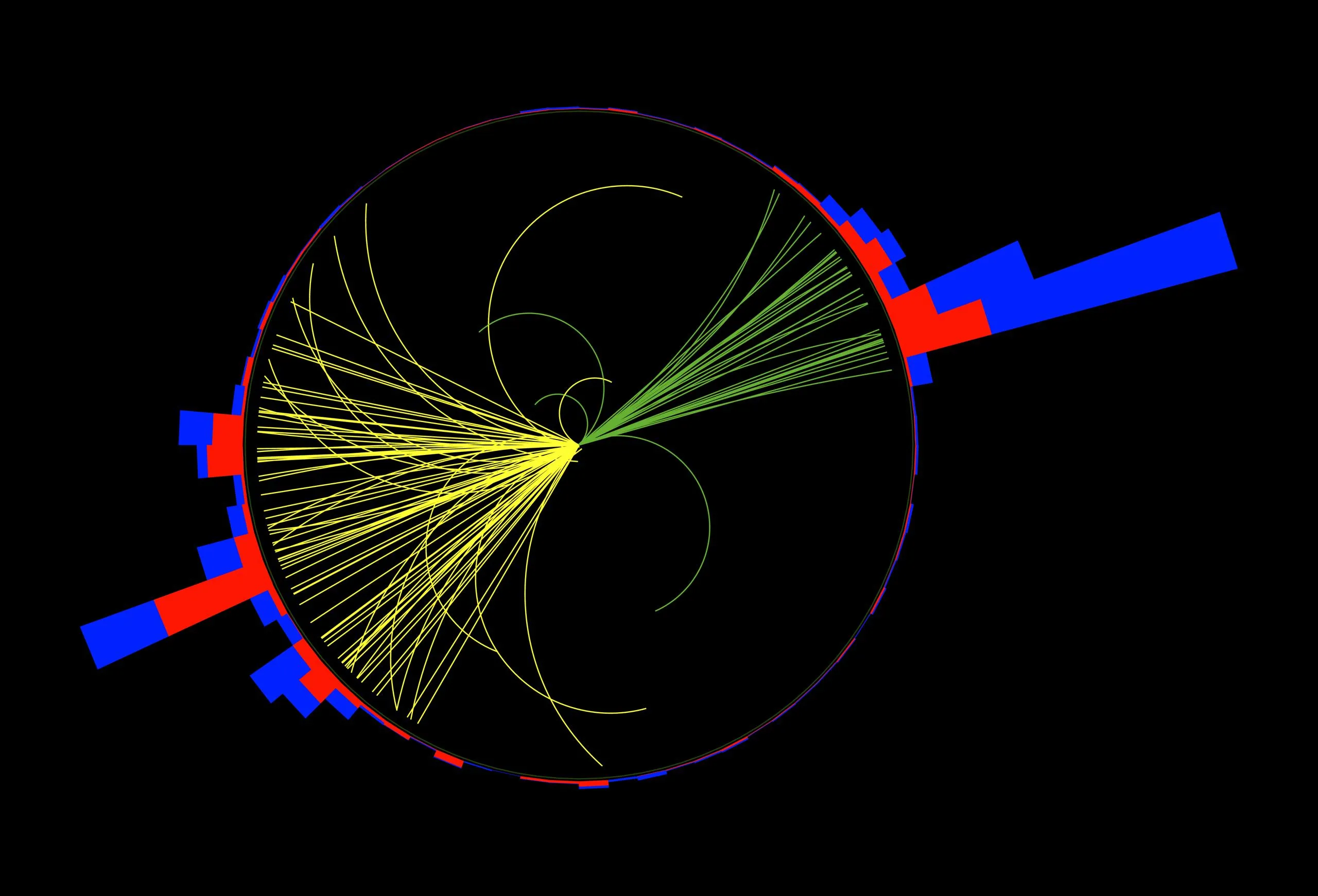
Jet Substructure as a powerful probe of Quantum Chromodynamics Jet substructure (JSS) has emerged as a powerful framework for studying the Standard Model (SM) and provides a key set of tools for probing nature at the highest energy scales accessible by terrestrial experiments. While not an experimental or theoretical consideration of the design of the
-
SHiP collaboration sets course on New Physics
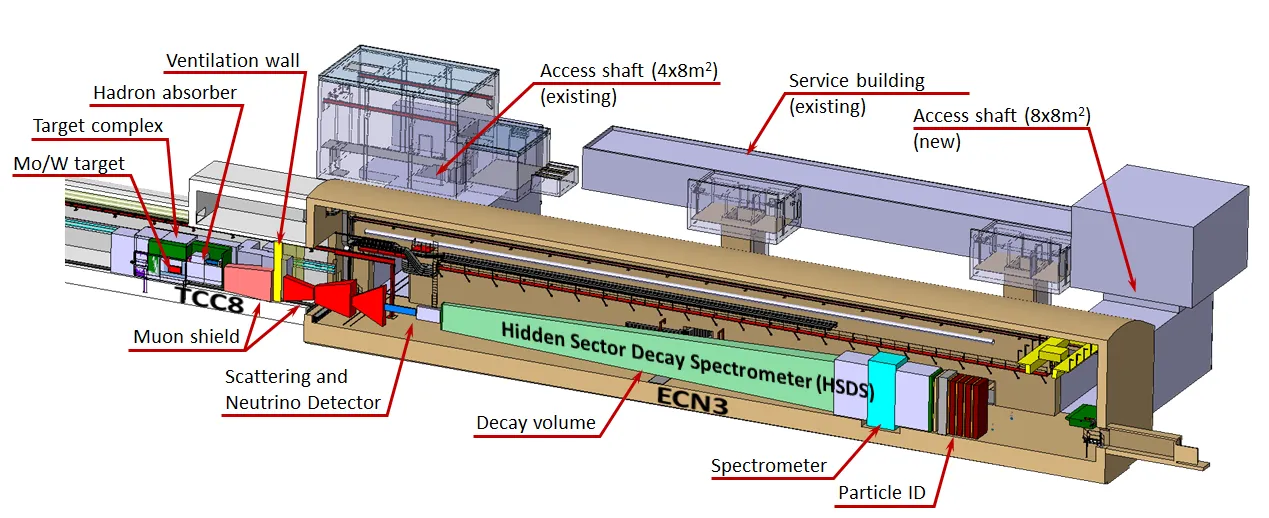
SHiP collaboration sets course on New Physics The Search for Hidden Particles (SHiP) experiment with the associated Beam Dump Facility (BDF), currently under consideration for implementation in the SPS ECN3 beam facility, is designed to perform a generic and exhaustive search for feebly interacting particles (FIPs) in a region of mass and coupling that is