
Tag: News from the experiments
-
ALICE Inner Tracking System is ready for data taking
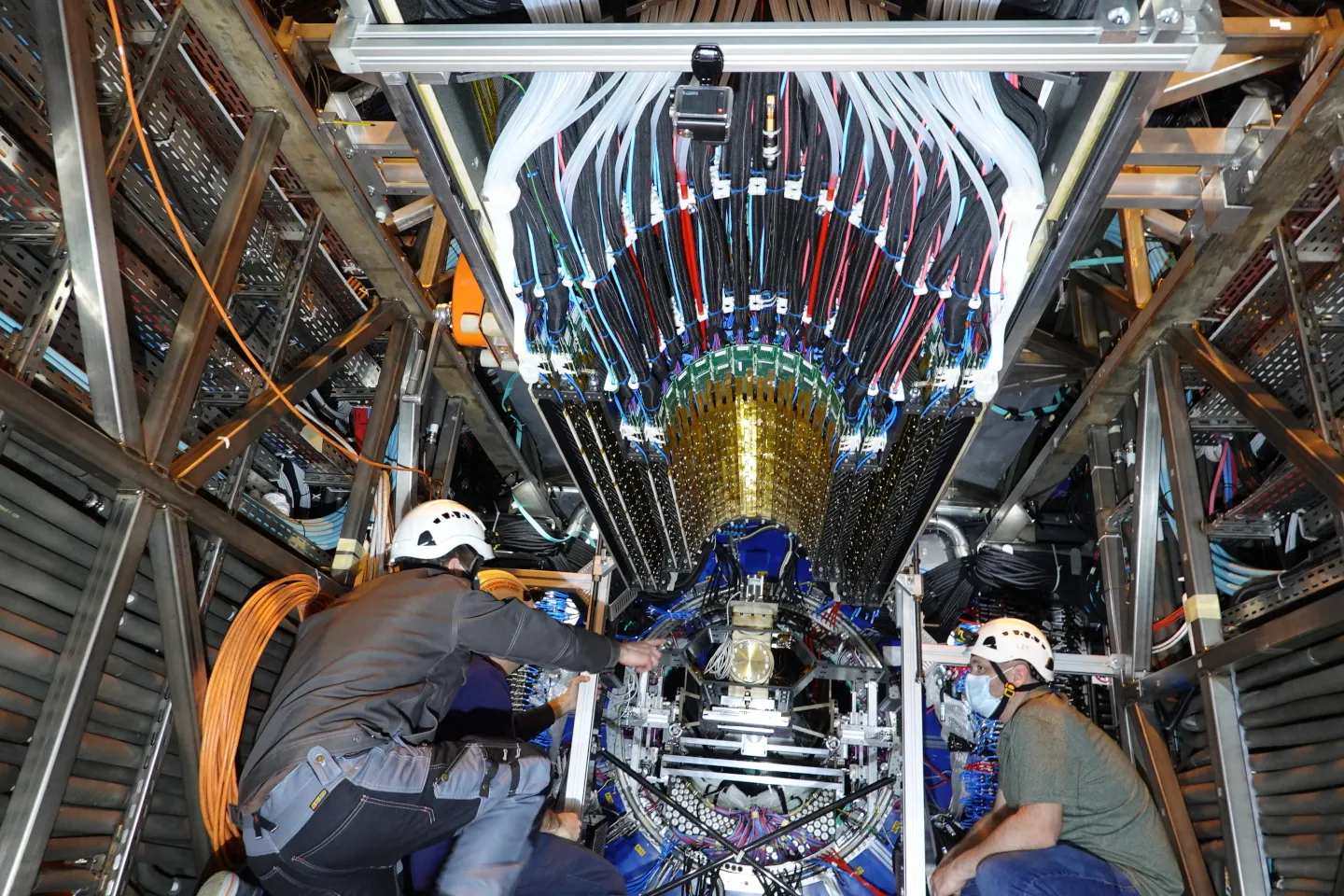
ALICE Inner Tracking System is ready for data taking The new Inner Tracking System (ITS) of the ALICE detector was installed inside the Time Projection Chamber (TPC) in spring 2021. The new ITS consists of 7 layers of monolithic pixel sensors, named ALPIDE, tiled up on linear staves of different lengths as described in (ref
-
n_TOF restarts its experimental programme
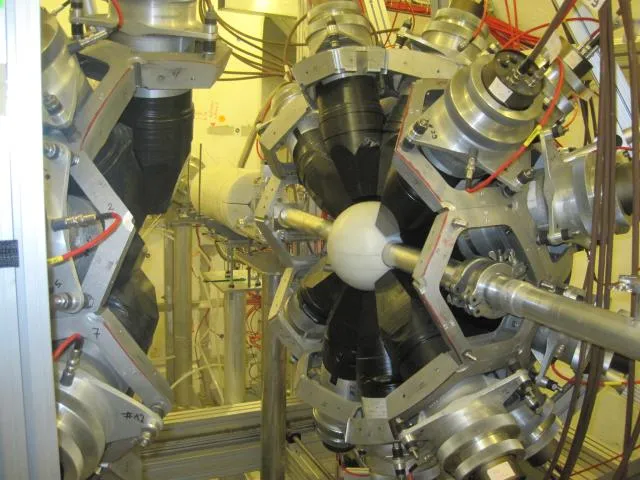
n_TOF restarts its experimental programme Following the installation of the new spallation target during LS2 and the successful commissioning during the 2021 run [1,2], the n_TOF Collaboration started in March, this year, an intense experimental programme for all three experimental areas of the facility. The n_TOF core experimental programme is the measurement of neutron induced
-
SND@LHC gears up for data taking
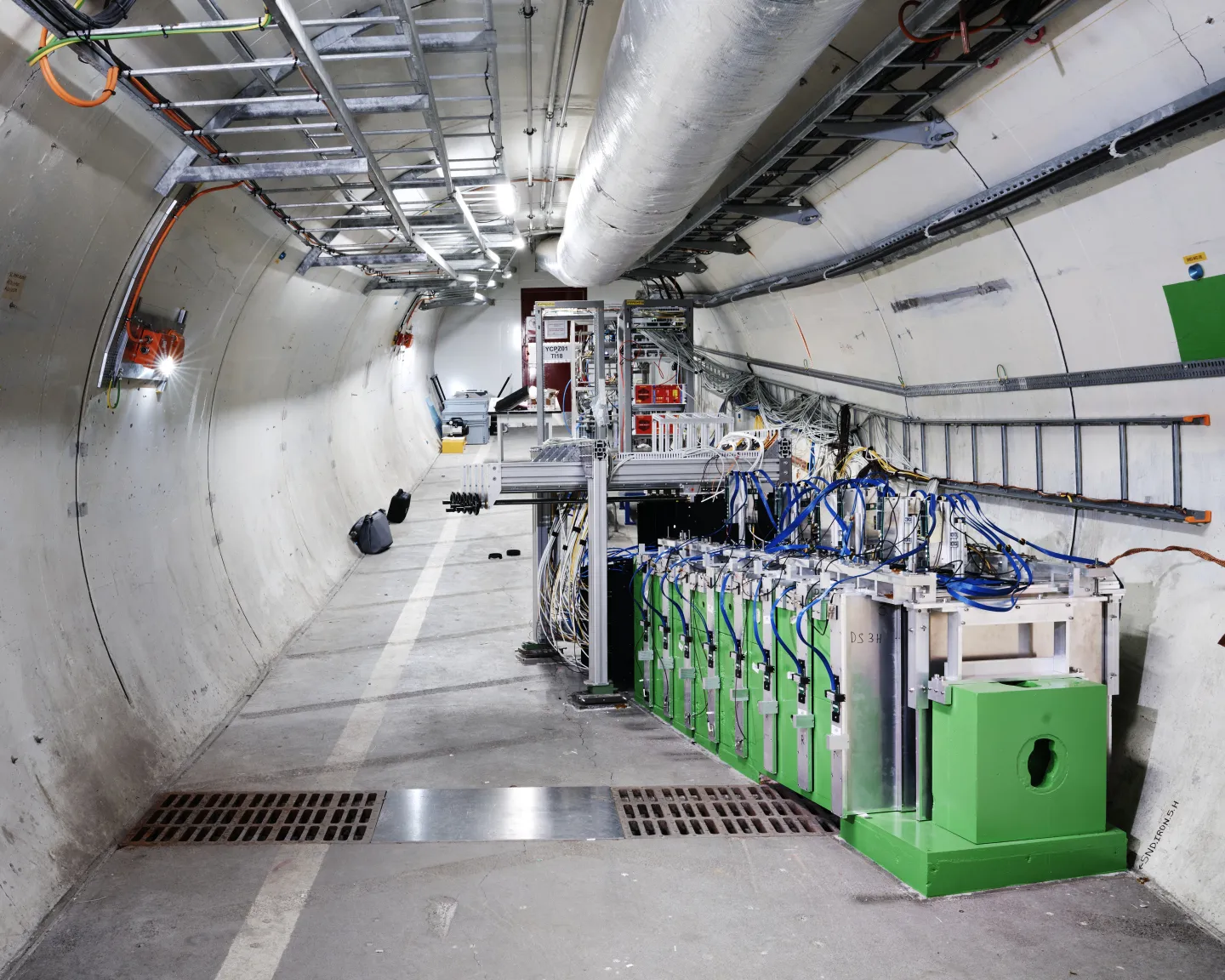
SND@LHC gears up for data taking The last fifteen months have been a full-fledged race against the clock for the SND@LHC Collaboration. The experiment was approved by the Research Board in March 2021 with the goal of taking data in Run 3 of the LHC. The Collaboration has had to construct and test the sub-detectors
-
A new High-Granularity pre-shower detector for FASER
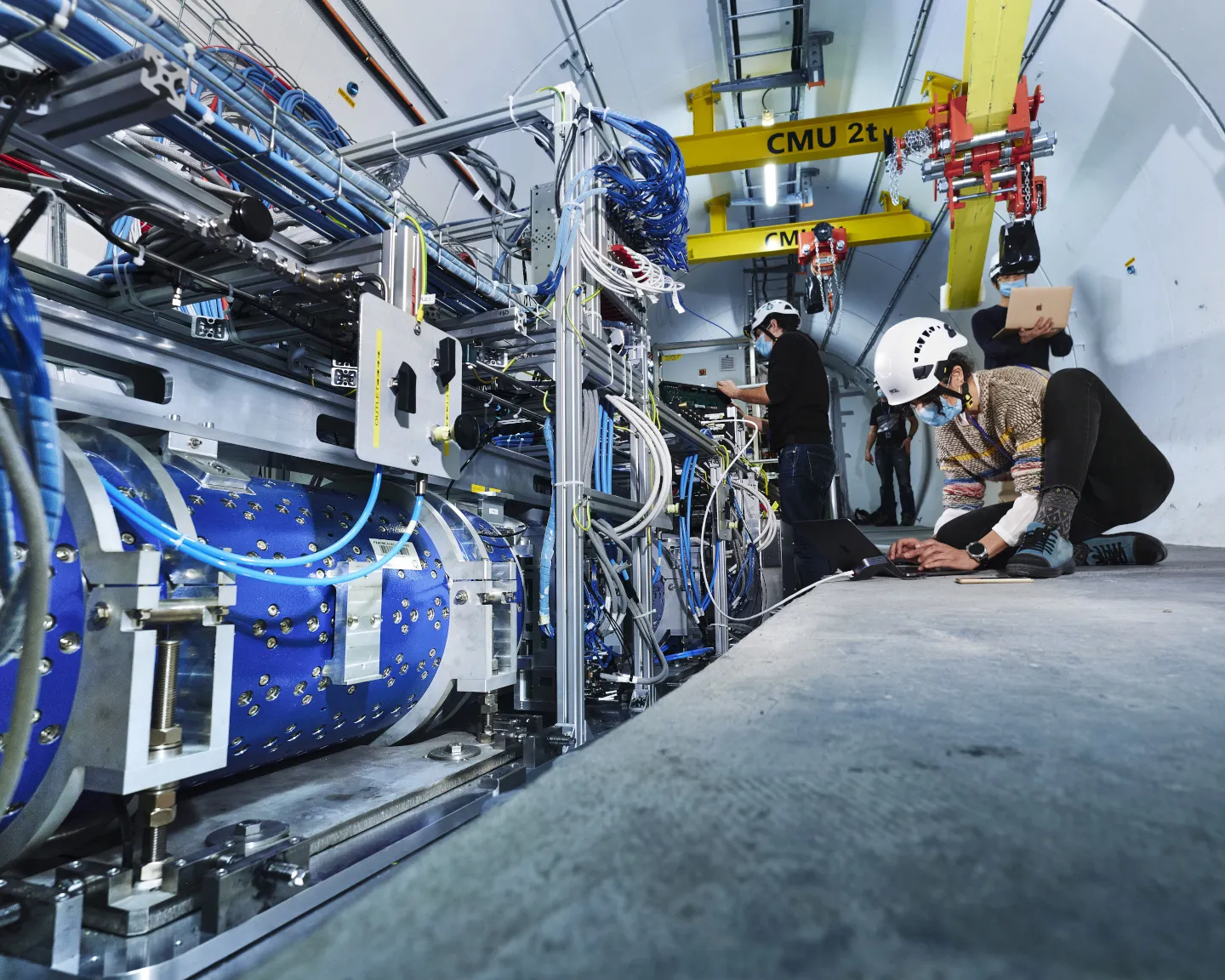
A new High-Granularity pre-shower detector for FASER The ForwArd Search ExpeRiment (FASER) is searching for new light and weakly interacting particles decaying into charged final states at the LHC [1][2]. While the first physics data taking has just started an upgrade is already foreseen to enhance the sensitivity also to Long-Lived Particles (LLP) decaying into
-
Start up of the ATLAS and CMS magnets
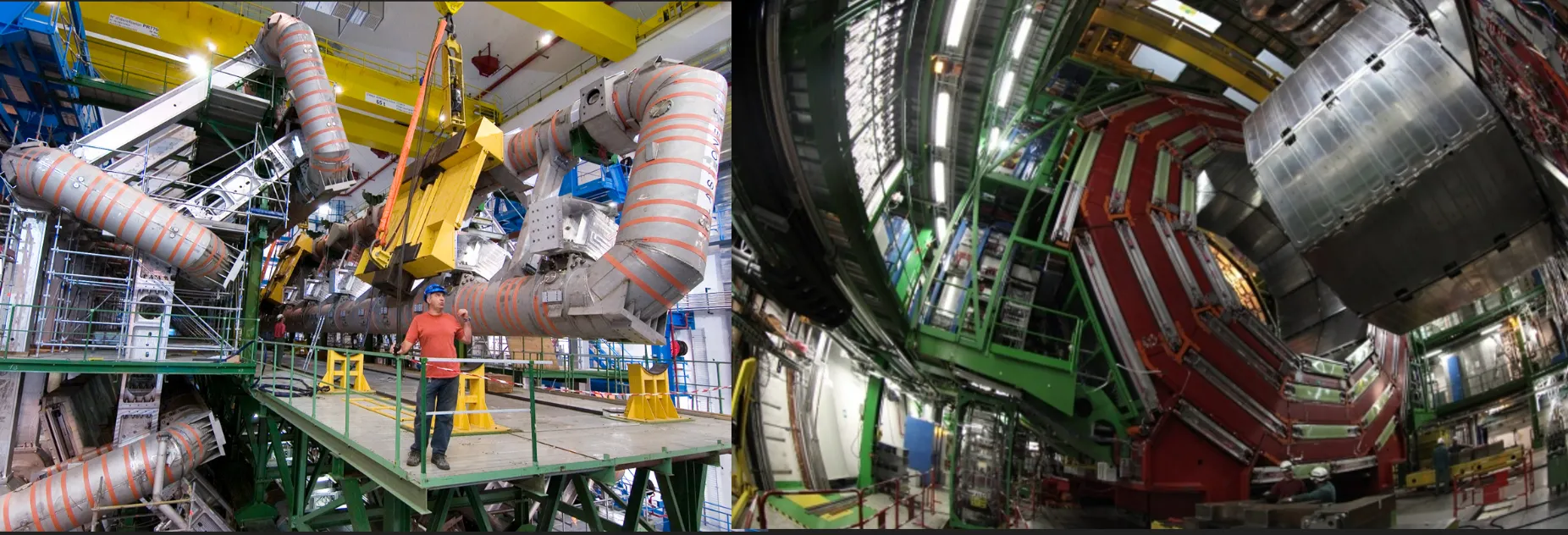
Start up of the ATLAS and CMS magnets LS2 works and commissioning of the ATLAS Superconducting Magnets In the last few years, the ATLAS superconducting magnets and associated systems have received extensive maintenance and upgrades. Following this, the magnets have recently been successfully commissioned and are now running at nominal current. During LS2, the ATLAS
-
Installation of the second half of the LHCb SciFi detector
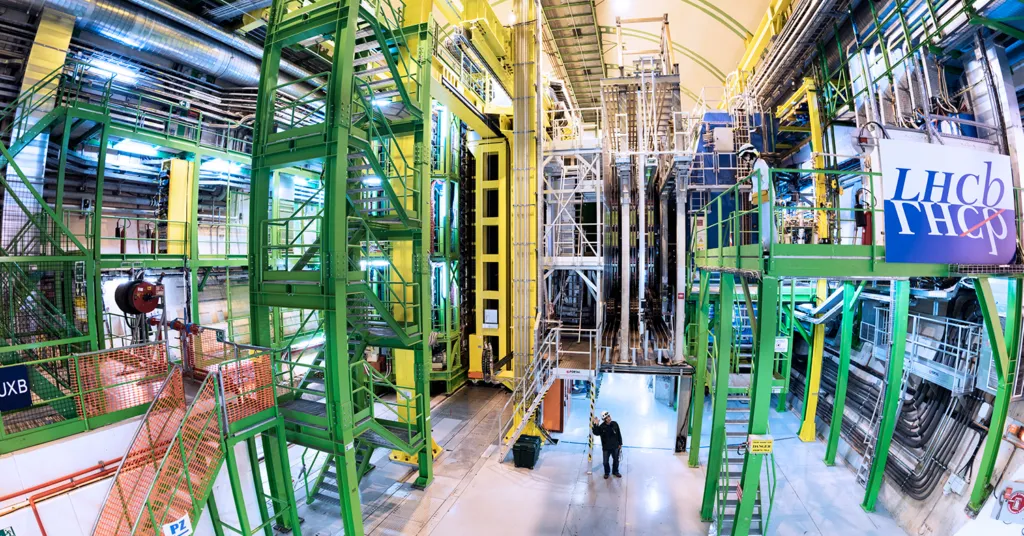
Installation of the second half of the LHCb SciFi detector The installation of the first half of the LHCb SciFi detector was already discussed in a previous EP newsletter article. The second half also proved to be rather challenging. First of all, the remaining six C-frames had to be assembled. Following CERN’s reopening and the
-
Testing CPT-symmetry and the Weak Equivalence Principle with Proton/Antiproton Clock Comparisons
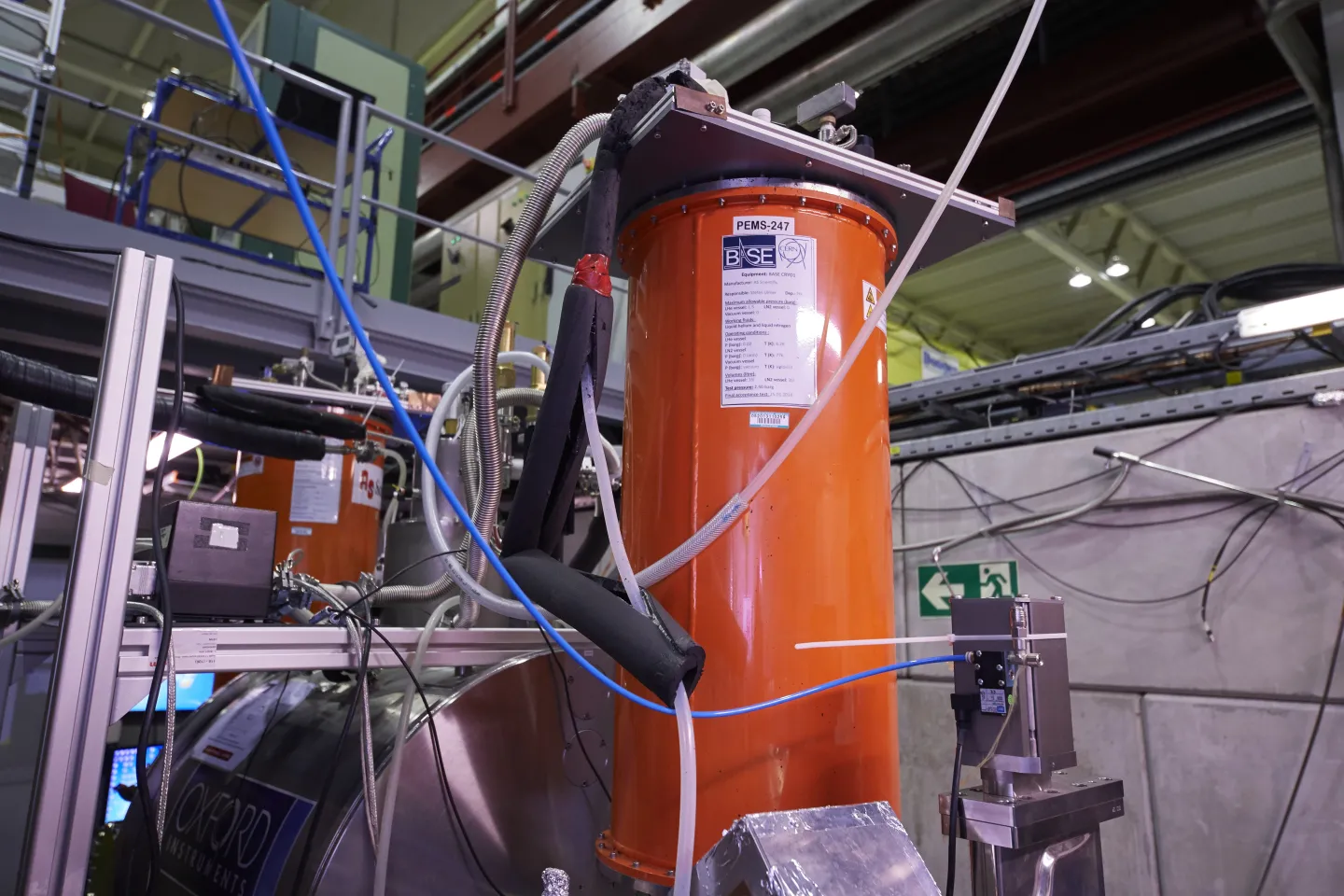
Testing CPT-symmetry and the Weak Equivalence Principle with Proton/Antiproton Clock Comparisons Even though the Standard Model of Particle Physics is incredibly successful and provides extremely accurate predictions for many physical quantities and mechanisms, the model is known to be incomplete. For instance, it fails in explaining the staggering abundance of matter compared to antimatter observed
-
MoEDAL’s Searches for Magnetic Monopoles Produced via The Schwinger Mechanism
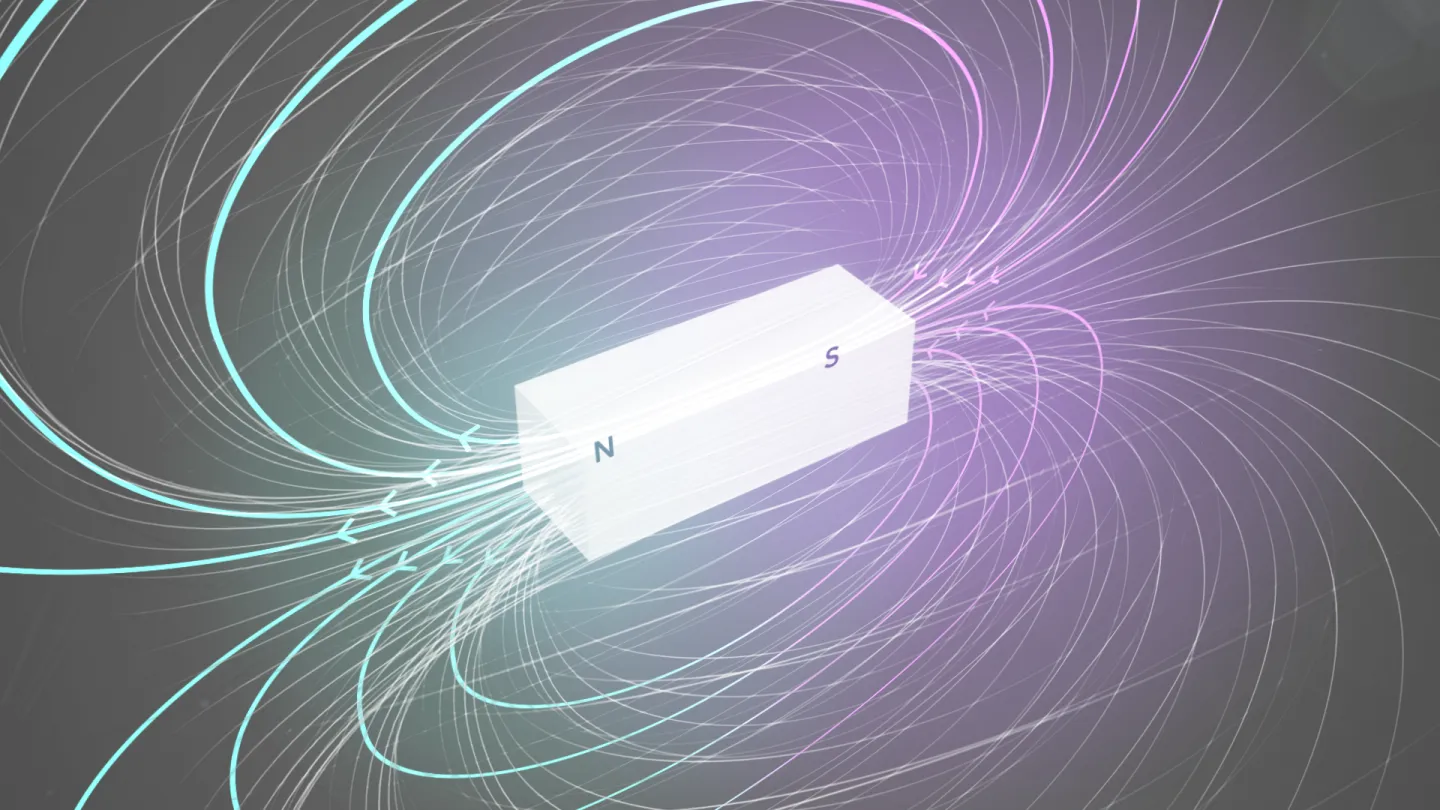
MoEDAL’s Searches for Magnetic Monopoles Produced via The Schwinger Mechanism Magnetic monopoles (MMs) are hypothetical fundamental particles that carry isolated magnetic charge that are arguably the most important particle yet to be discovered. In 1931 Dirac first showed that a MM was compatible with quantum mechanics [1] and that the existence of an MM would
-
LHCb VELO: “One down, one to go”
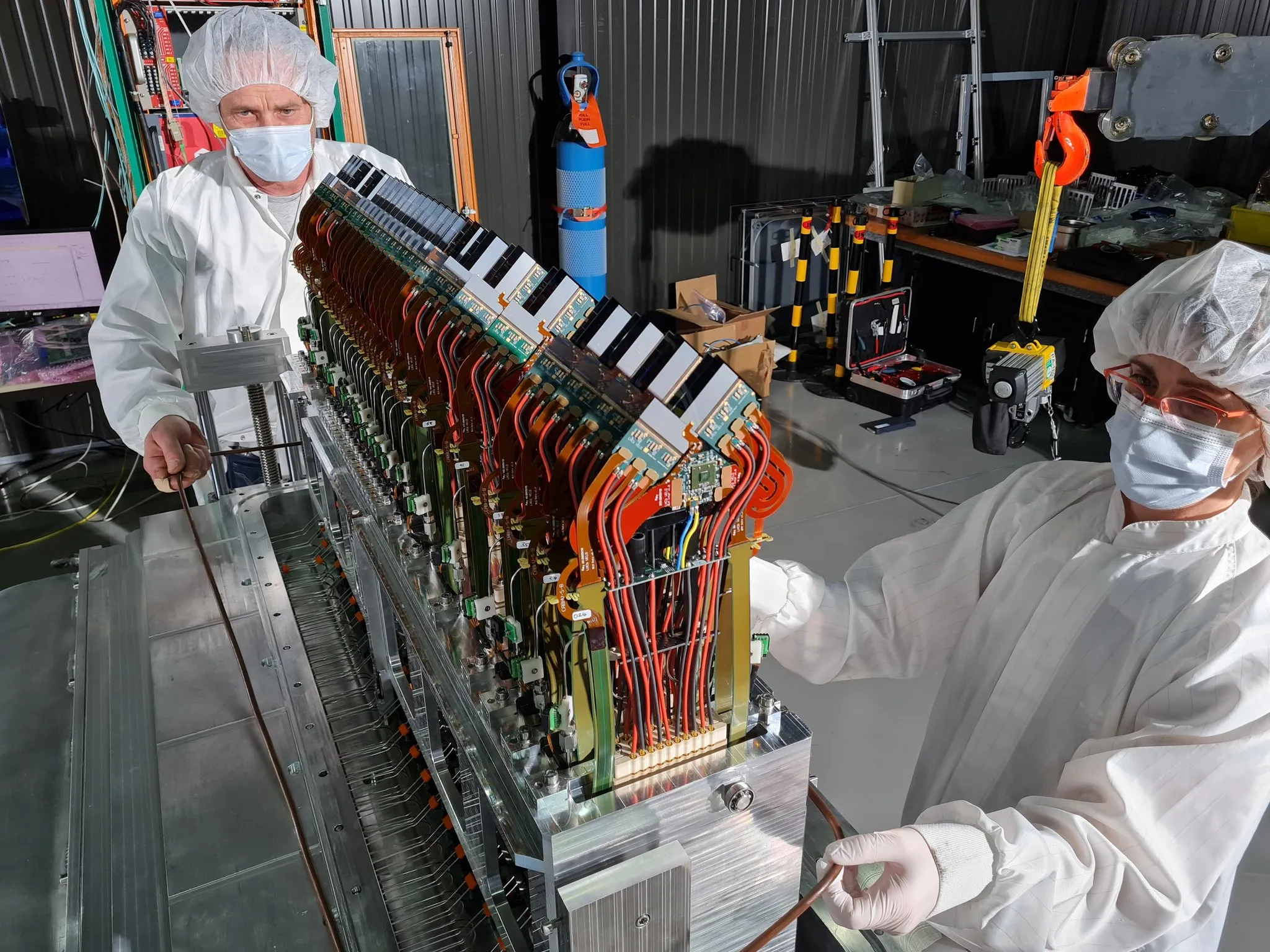
LHCb VELO: “One down, one to go” As the LHC marks the start of the final countdown to Run 3, the LHCb experiment is preparing to commission its new detector. The upgrade will allow the collaboration to pursue its physics programme into the High Luminosity era. LHCb aims to fully exploit a 5-fold increase of
-
64 channel picosecond time resolution instrumentation in 25 milligrams of silicon
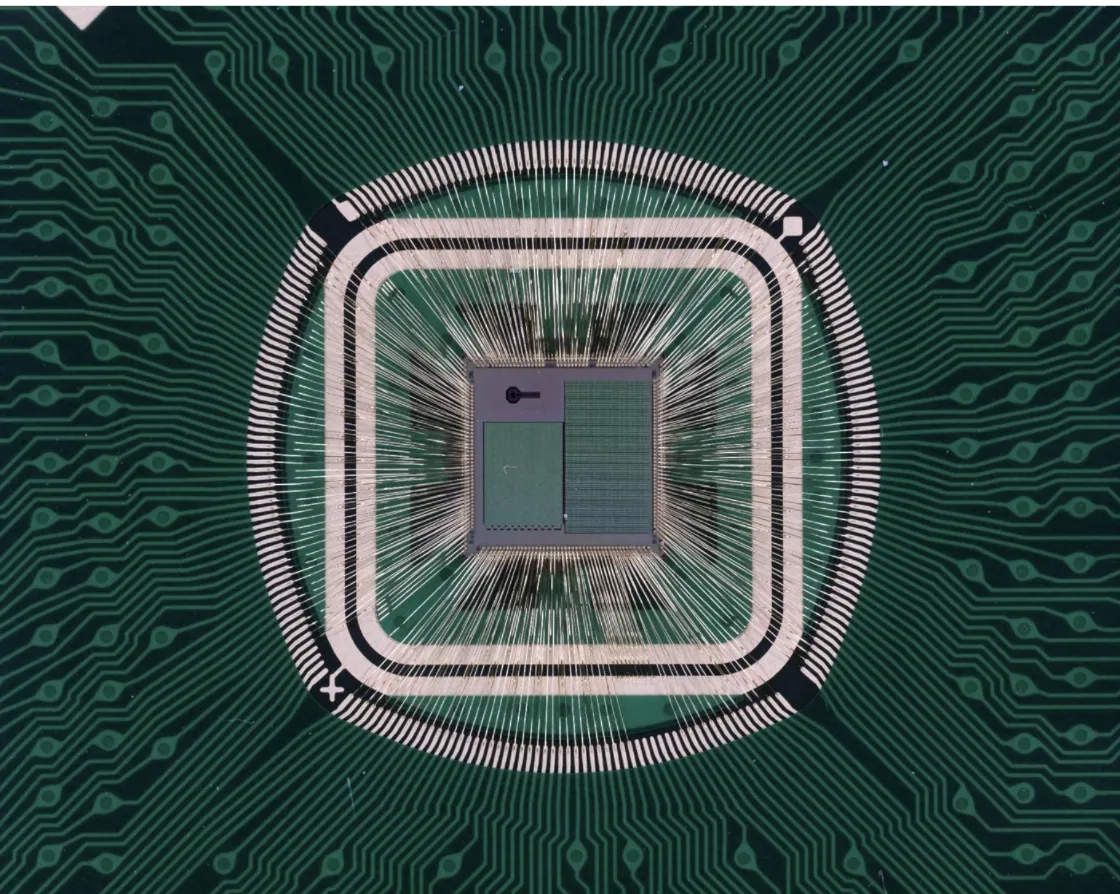
64 channel picosecond time resolution instrumentation in 25 milligrams of silicon The EP-ESE group has finalized the development of a 64 channel picosecond TDC (Time to Digital Converter) ASIC and 20 thousand pieces have been produced. One of the key challenges for future HEP experiments is the development of very high time resolution detectors and