
Tag: News from the experiments
-
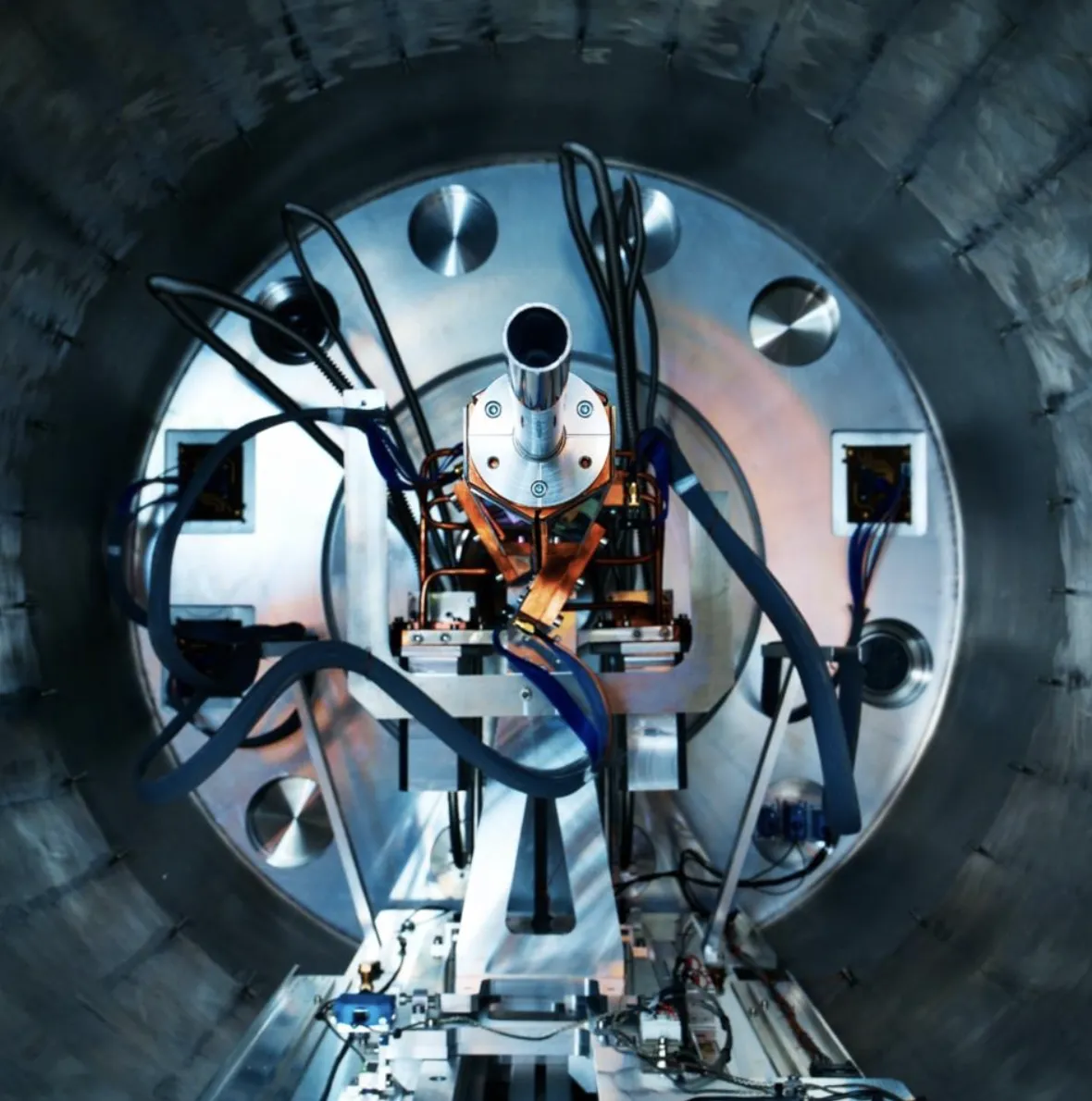
ISOLDE’s Solenoidal Spectrometer (ISS): a new tool for studying exotic nuclei
ISOLDE's Solenoidal Spectrometer (ISS): a new tool for studying exotic nuclei The majority of atomic nuclei exist away from the valley of beta-stability, so it is perhaps unsurprising that in studying them nuclear physicists have discovered emerging phenomena not seen in stable nuclei. Changing shell structure, evolving nuclear shapes, and weak-binding phenomena such as halo
-
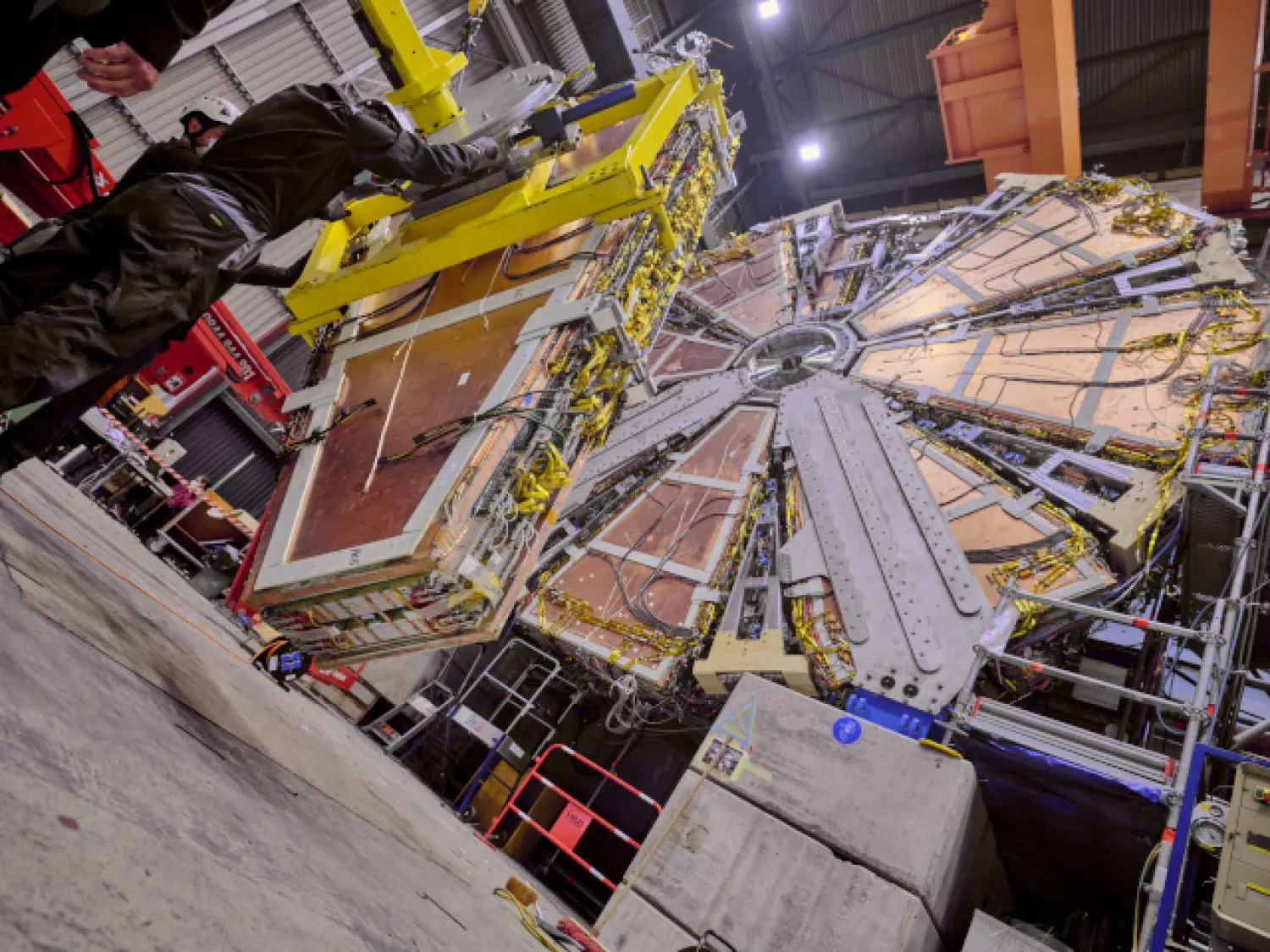
ATLAS New Small Wheel upgrade advances
ATLAS New Small Wheel upgrade advances The ATLAS New Small Wheel (NSW) upgrade is an ambitious project that will allow exploiting the physics opportunities of the HL-LHC. Last November, the second -and final- NSW was installed in the ATLAS detector, marking the successful outcome of nearly ten years of design and development. The completion of
-
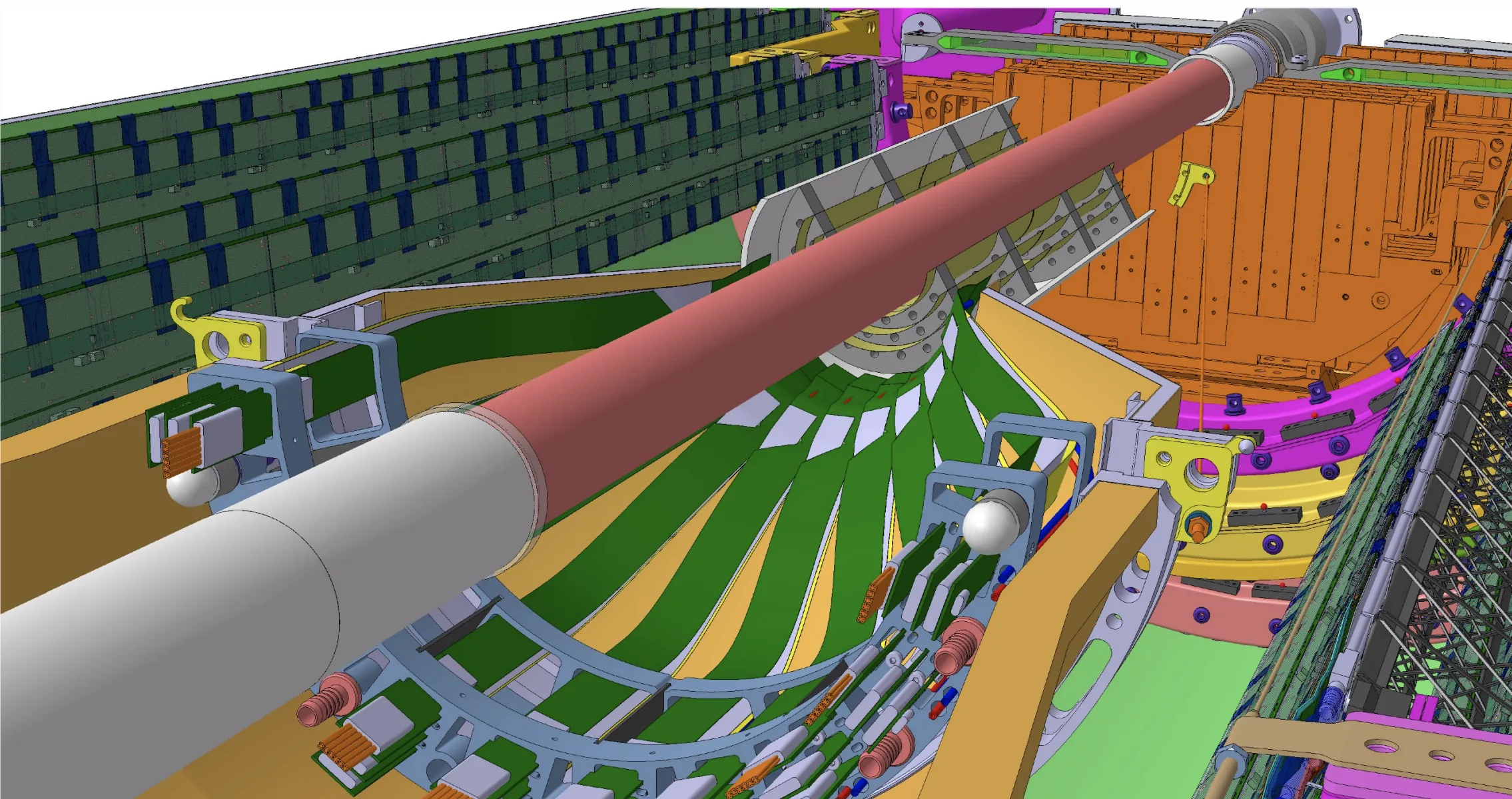
ALICE ITS3 clears major milestone
ALICE ITS3 clears major milestone With the R&D for the first truly cylindrical detectors based on ultra-thin, bent, wafer-scale monolithic silicon sensors, the ALICE collaboration aims at installing new vertex layers (“ITS3”) in LHC Long Shutdown 3. The envisioned setup comprises 6 Monolithic Active Pixel Sensors (MAPS) of more than 20 cm lengths arranged in
-
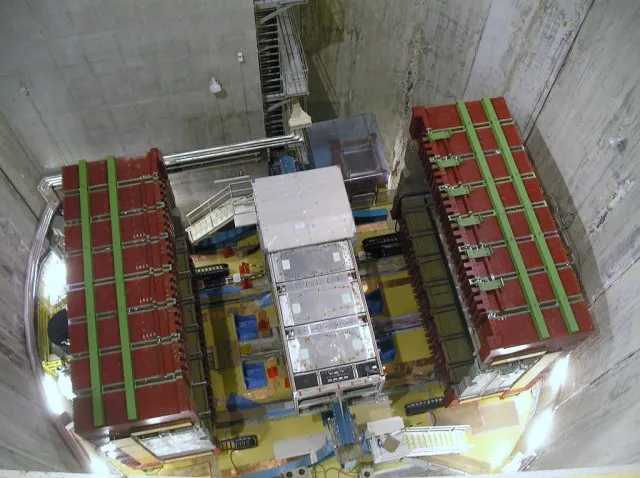
Gearing up preparations for the T2K-II phase
Gearing up preparations for the T2K-II phase The upgrade of the near detector of the T2K experiment became in April 2019 an official CERN Neutrino Platform experiment (NP07). As a consequence an increased detector assembly activity has been started at CERN over the last months. This will continue until summer 2022 before the installation of
-
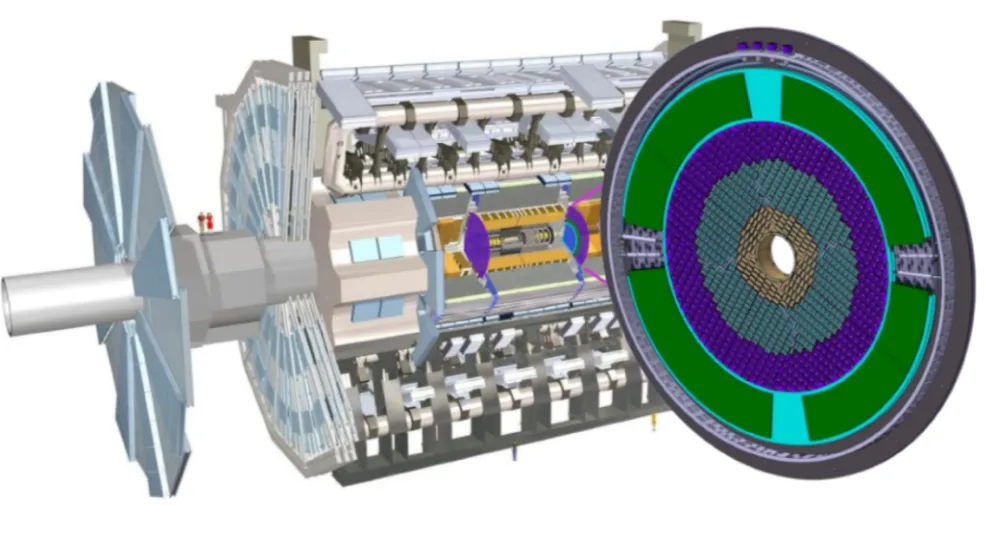
A High-Granularity Timing Detector for the ATLAS Phase-II Upgrade
A High-Granularity Timing Detector for the ATLAS Phase-II Upgrade A High-Granularity Timing Detector (HGTD) using Low Gain Avalanche Diodes (LGAD) silicon sensors is being constructed for the ATLAS phase-II upgrade program as a powerful way to address the challenges of the High-Luminosity LHC program [1]. The goal of the new silicon-based timing detector is to
-
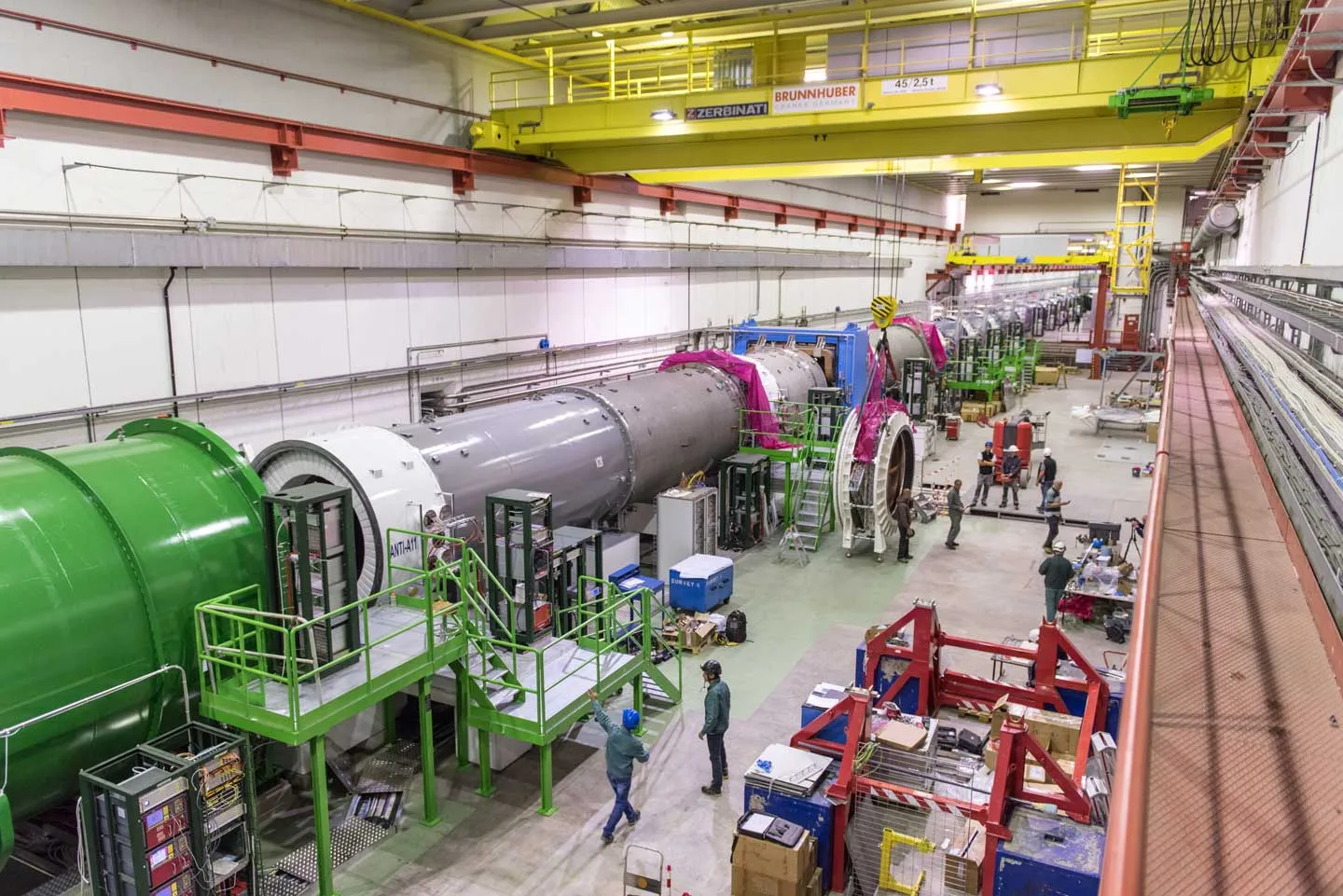
Transforming NA62
Transforming NA62 The main goal of the NA62 experiment, located in CERNs North Area, is to precisely measure the K+→π+νν̅ branching fraction, which is highly sensitive to new physics processes. The analysis of data collected during 2016-2018 led to the most precise determination of the K+→π+νν̅ branching fraction and provides the strongest evidence so far
-
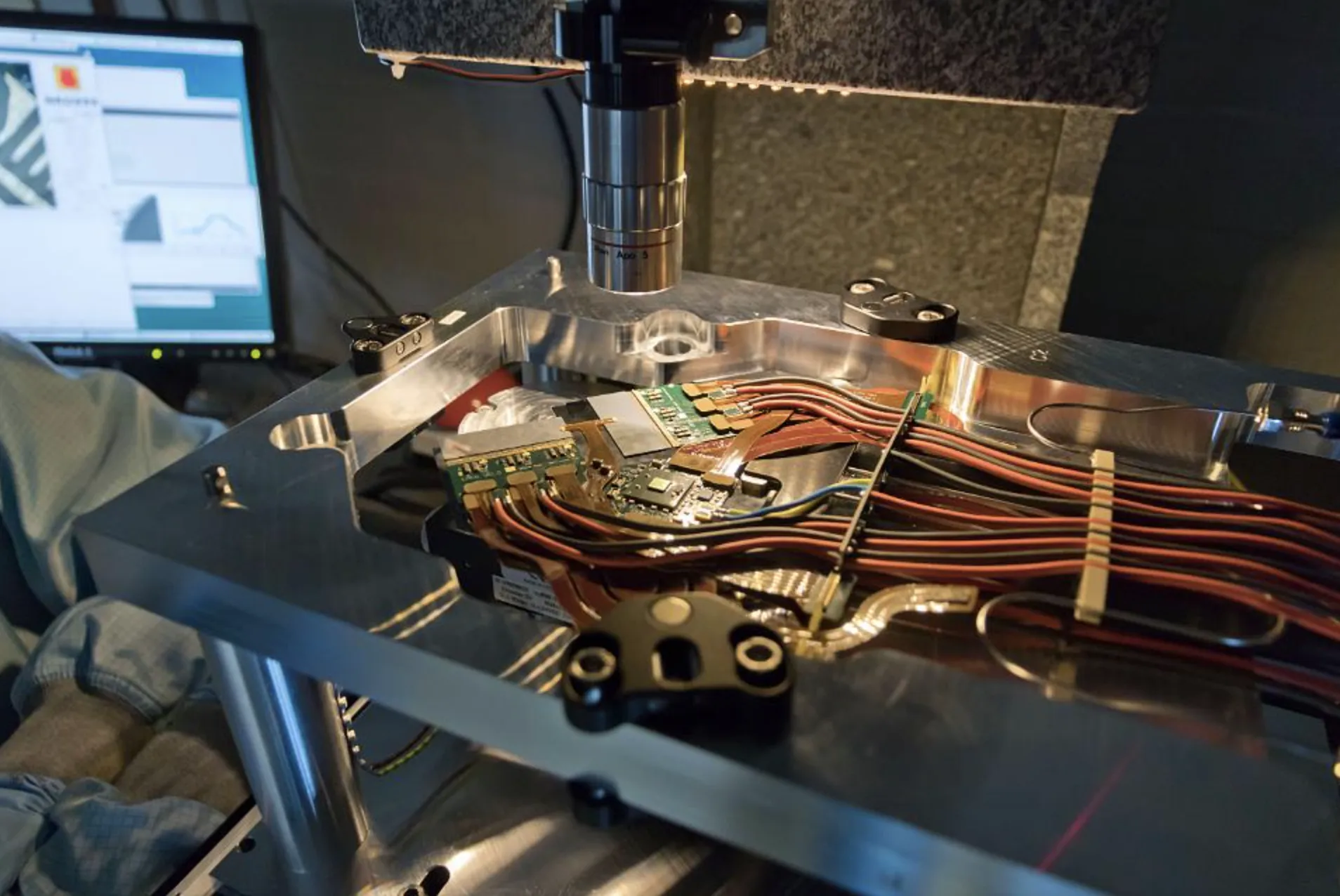
A new VELO for the LHCb experiment
A new VELO for the LHCb experiment The VELO is stacking up milestones as it races to complete installation before the Run 3 startup. The previous VErtex LOcator (VELO) is being completely replaced during Long Shutdown 2 as part of a major upgrade programme to allow the experiment to operate at an instantaneous luminosity of
-
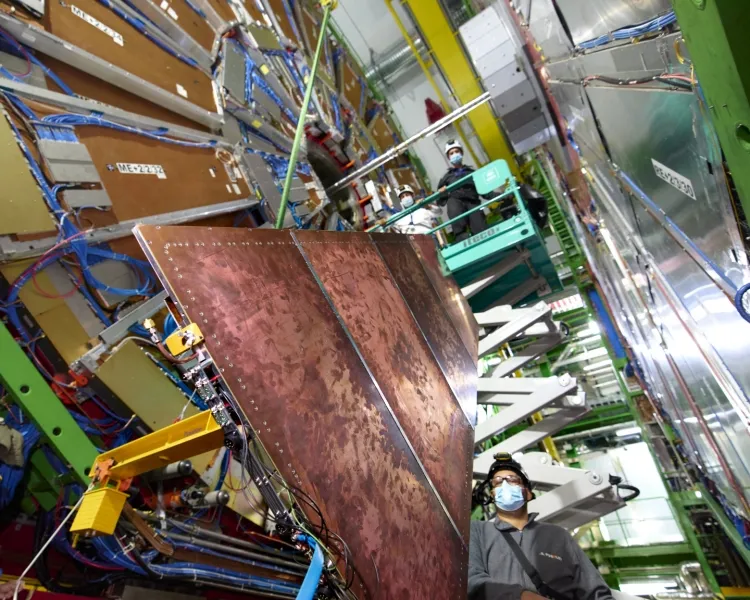
Demonstrating the capabilities of a new GEM
Demonstrating the capabilities of a new GEM During the LHC Long Shutdown 2 (2019-2021), many subsystems of the CMS experiment are being upgraded including its muon system. This is located on the outer part of the experiment and consists of various types of gaseous chambers. The muon system should identify and precisely measure high momentum
-
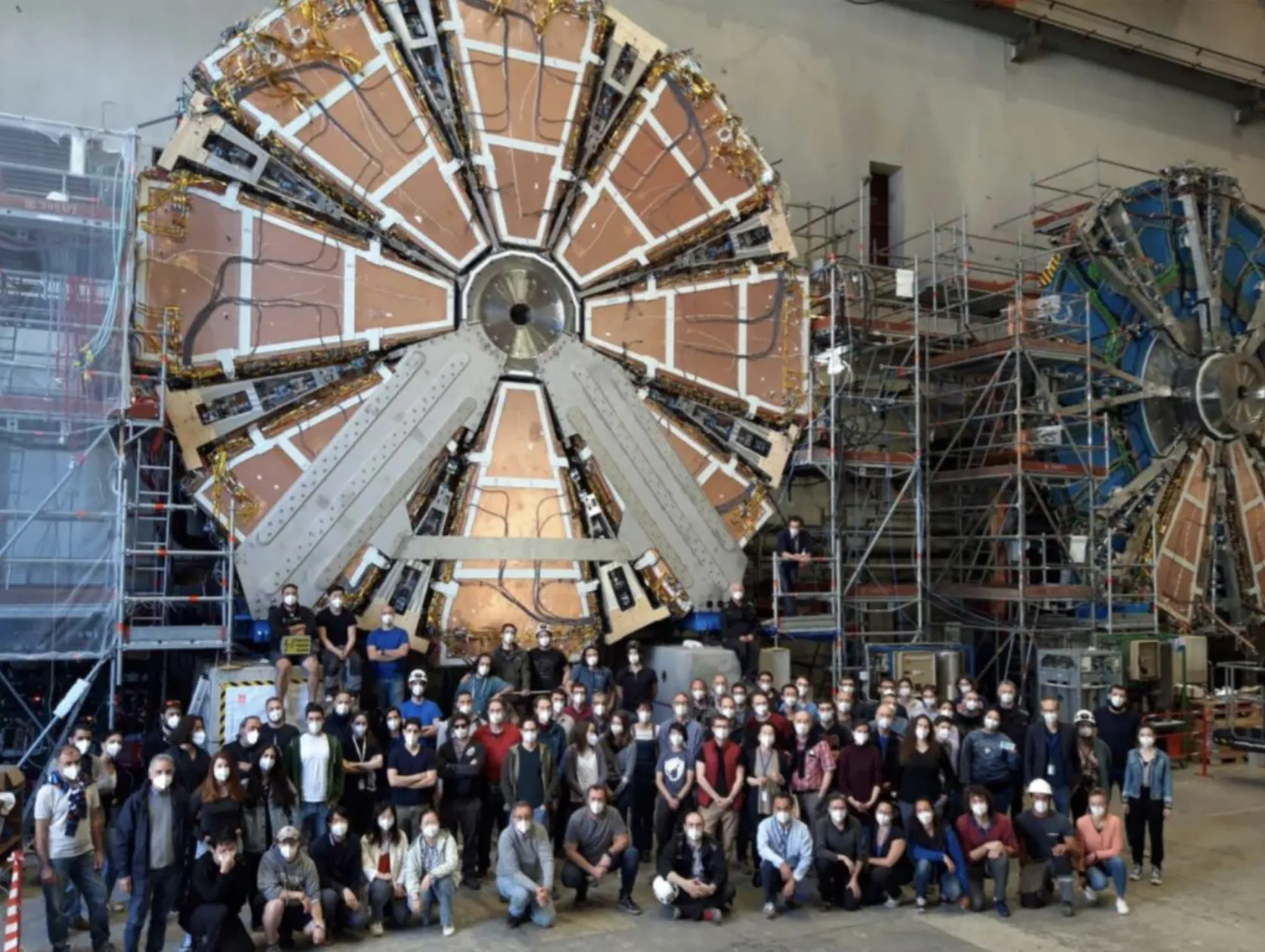
ATLAS New Small Wheel upgrade advances
ATLAS New Small Wheel upgrade advances Group photo after the installation of the last sector of NSW-A. On the right is NSW-C with the first three sectors installed at the time. The New Small Wheel (NSW) upgrade is an ambitious project that aims to allow, along with other upgrade projects, to track and record data
-
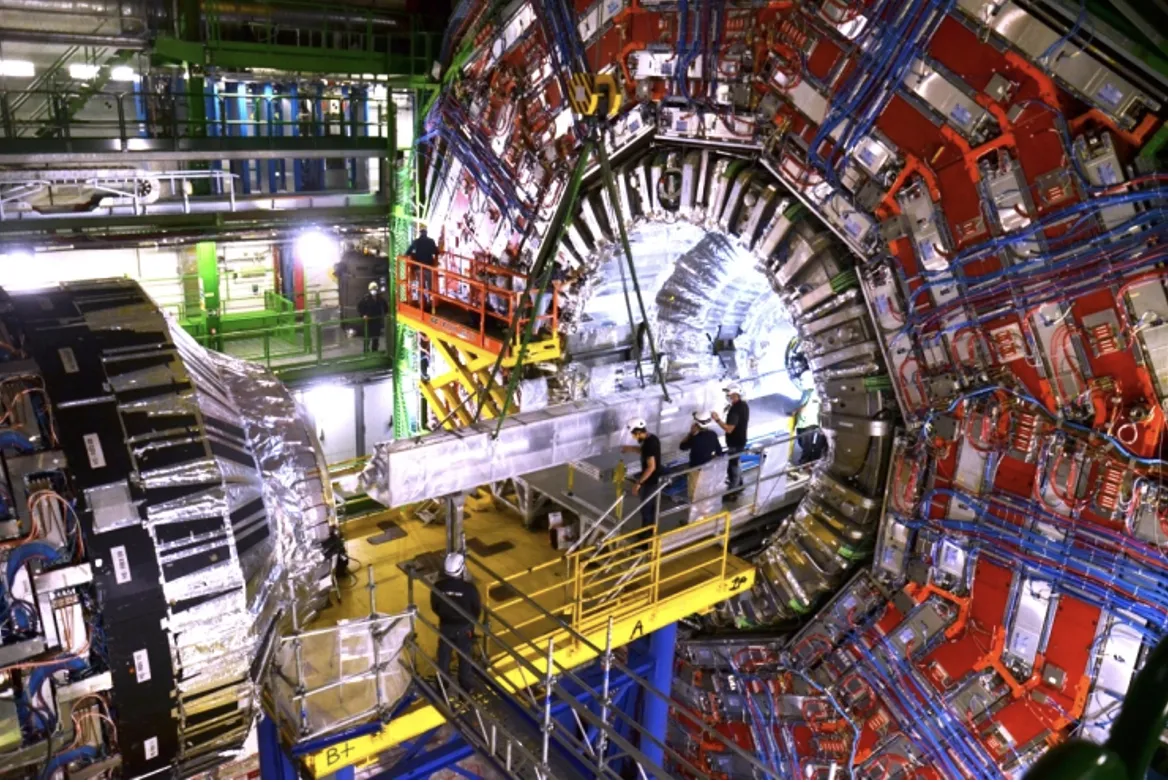
Successful installation of the CMS Pixel Tracker
Successful installation of the CMS Pixel Tracker In early 2019 the CMS Phase-1 Pixel detector was extracted from the underground cavern after successful completion of the LHC Run 2 data taking campaign. Its sub-detectors, the Barrel Pixel (BPIX) and Forward Pixel (FPIX) detectors, were stored cool and dry in a clean room facility on the