
Tag: News from the experiments
-
Hunting for charm with lead and SHINE
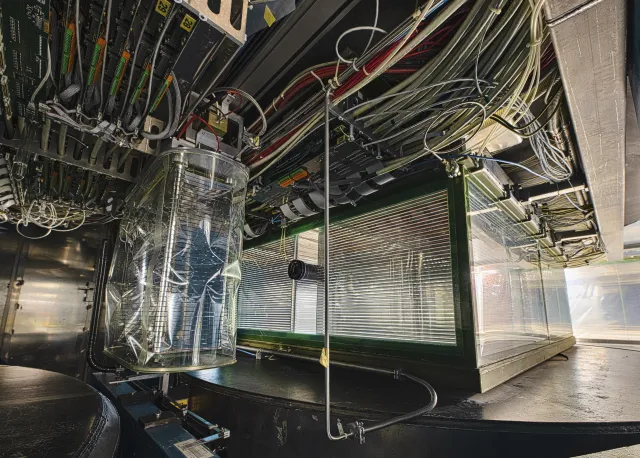
Hunting for charm with lead and SHINE SHINE (SPS Heavy Ion and Neutrino Experiment) [1] is a multi-purpose experiment studying hadron production in hadron-proton, hadron-nucleus and nucleus-nucleus collisions. The programme on strong interactions includes studying the properties of the onset of deconfinement [2] and searching for the critical point of strongly interacting matter [3]. Additionally,
-
A new CEDAR for the NA62 experiment
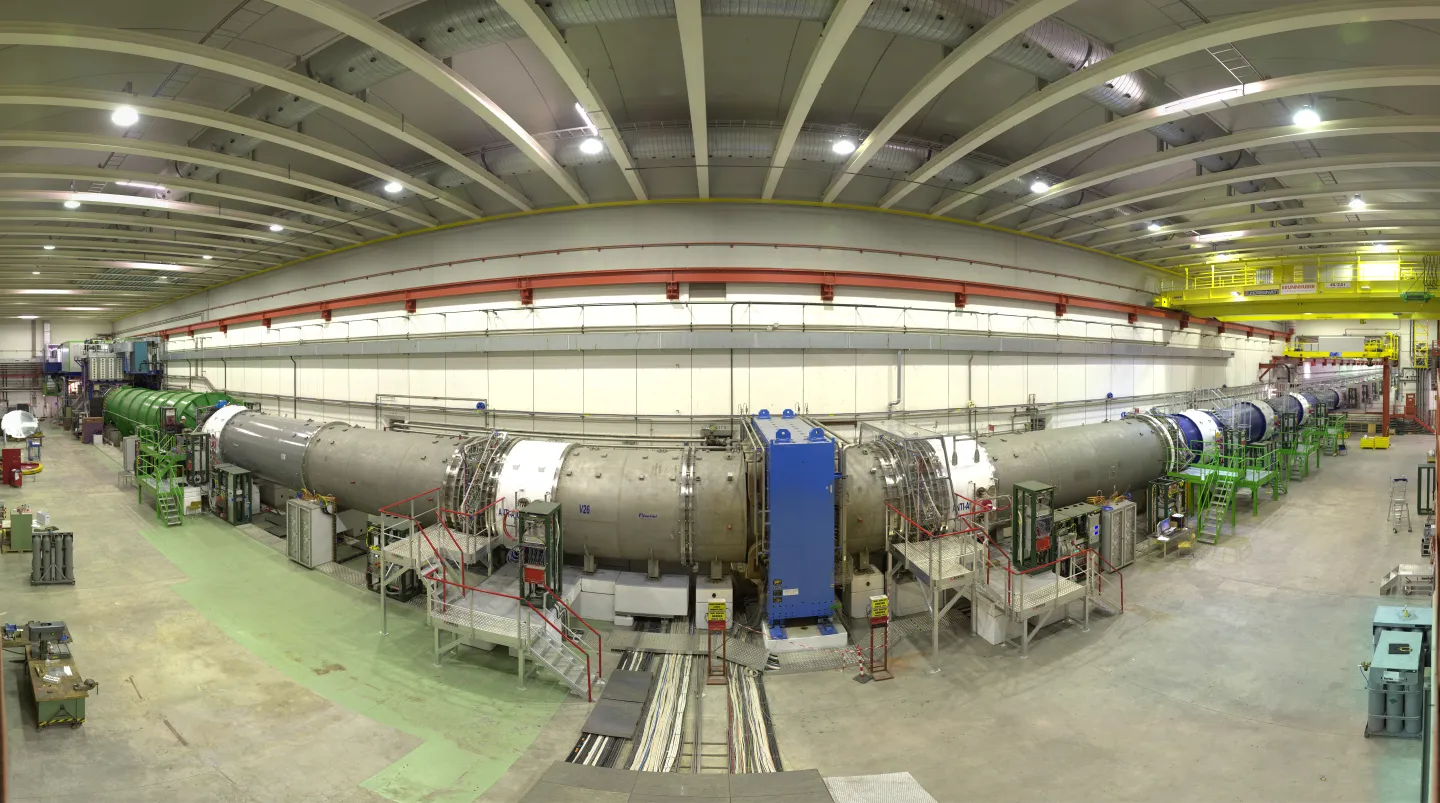
A new CEDAR for the NA62 experiment The NA62 experiment at CERN studies kaon decays using a decay-in-flight technique, with the primary aim of the precise measurement of the K+ → π+νν branching fraction. The kaons are delivered to the experiment in a beam of 75 GeV/c positively-charged hadrons, with the beam composition dominated by
-
LHCf and cosmic ray investigation in run 3
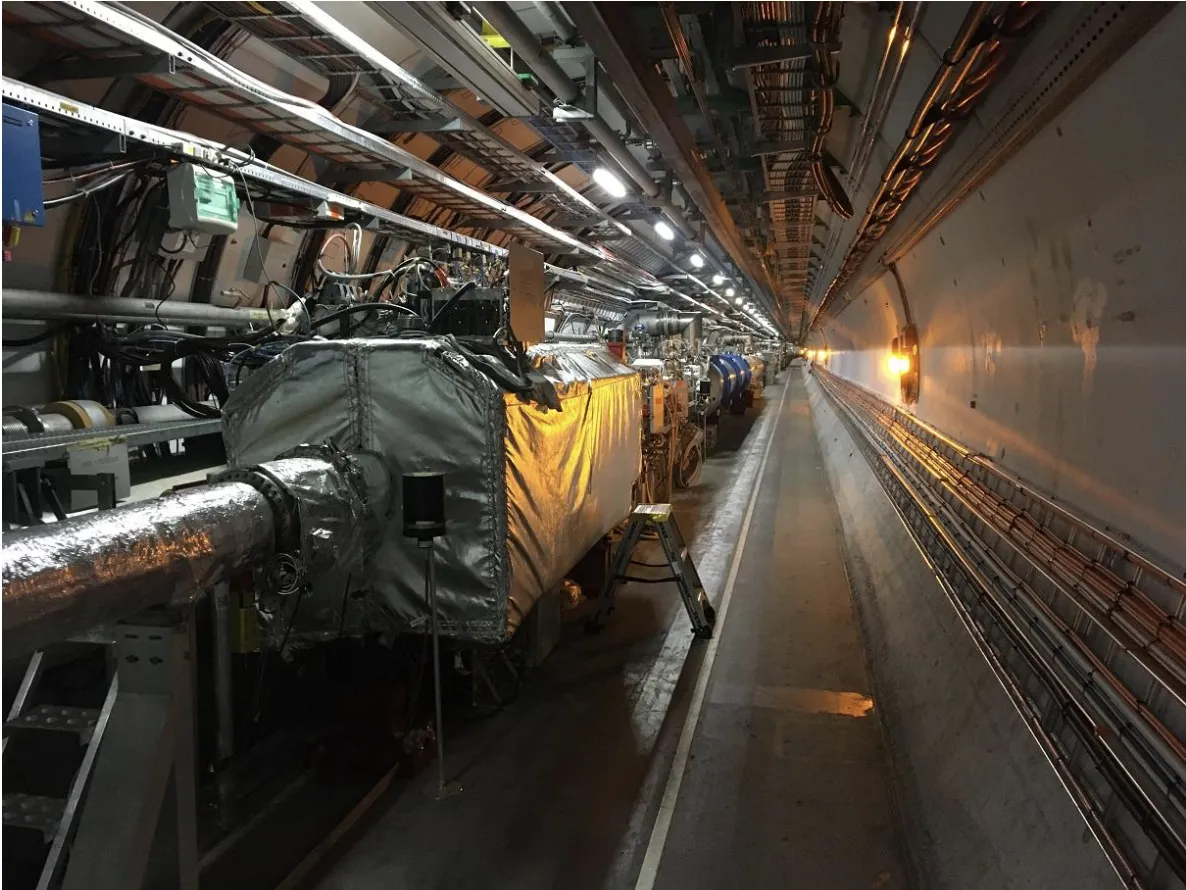
LHCf and cosmic ray investigation in run 3 Installation location of the LHCf Arm2 detector in the absorber region 140m right of the ATLAS interaction point The first LHCf special run of the LHC Run 3 was successfully completed in September 2022, with the LHC providing the highest collision energy ever reached by a particle
-
LHCb VELO closes fully for the first time
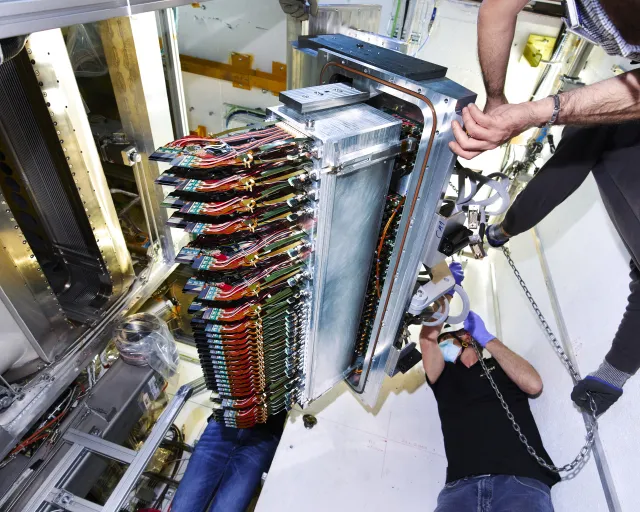
LHCb VELO closes fully for the first time At the end of October, the two halves of the new Vertex Locator (VELO) approached the LHC proton-proton collision point in a process referred to as VELO closing – following the installation of the upgraded detector. Replacing the previous VErtex LOcator (VELO) detector has been one of
-
Highlights of the n_TOF 2022 data taking run
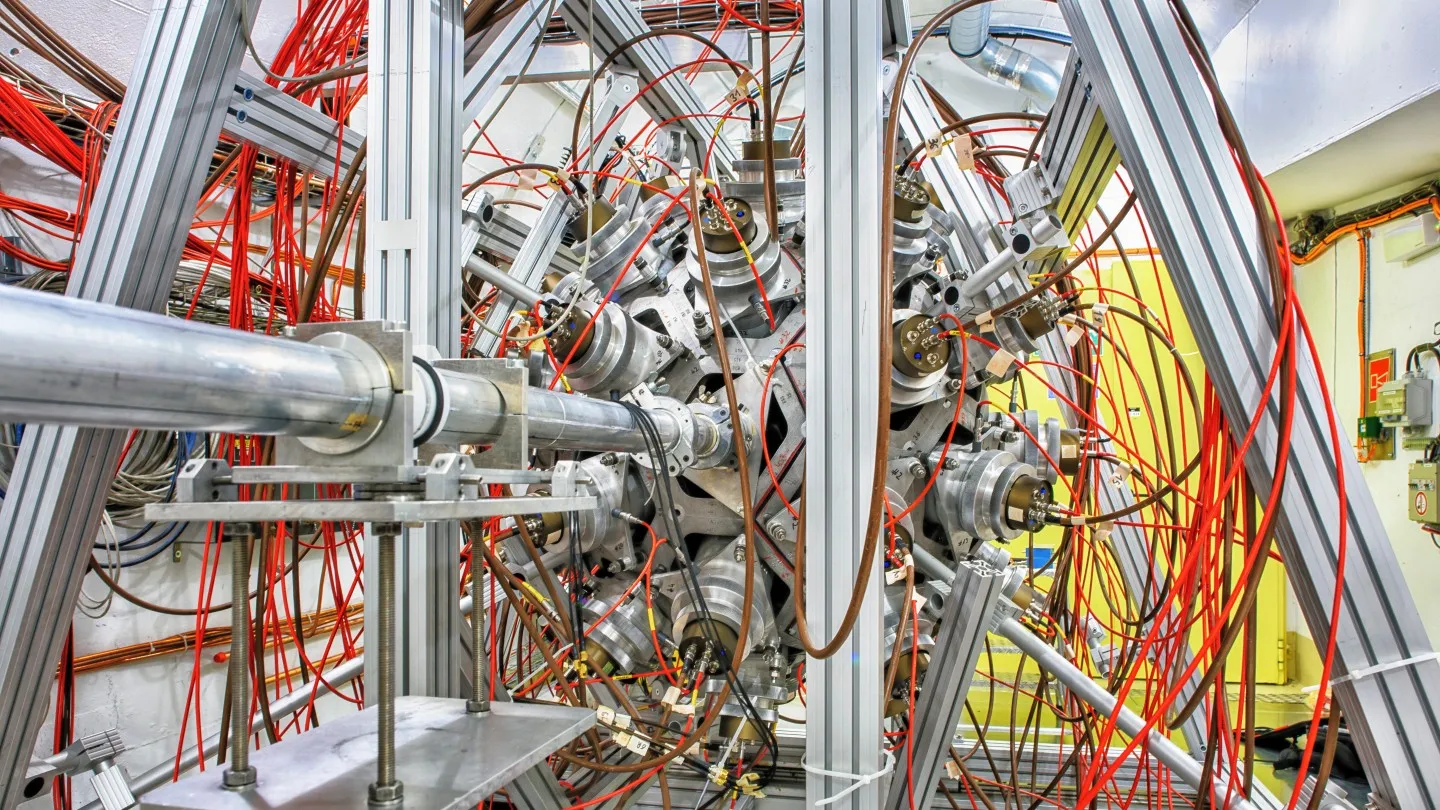
Highlights of the n_TOF 2022 data taking run The outcome of the first year of data-taking after LS2 [1] was fruitful for n_TOF. The long beam-on period, along with the establishment of a third experimental area, the NEAR Station, resulted in a wealth of new experimental data taken at the facility. Thanks to the excellent
-
LHC experiments restart
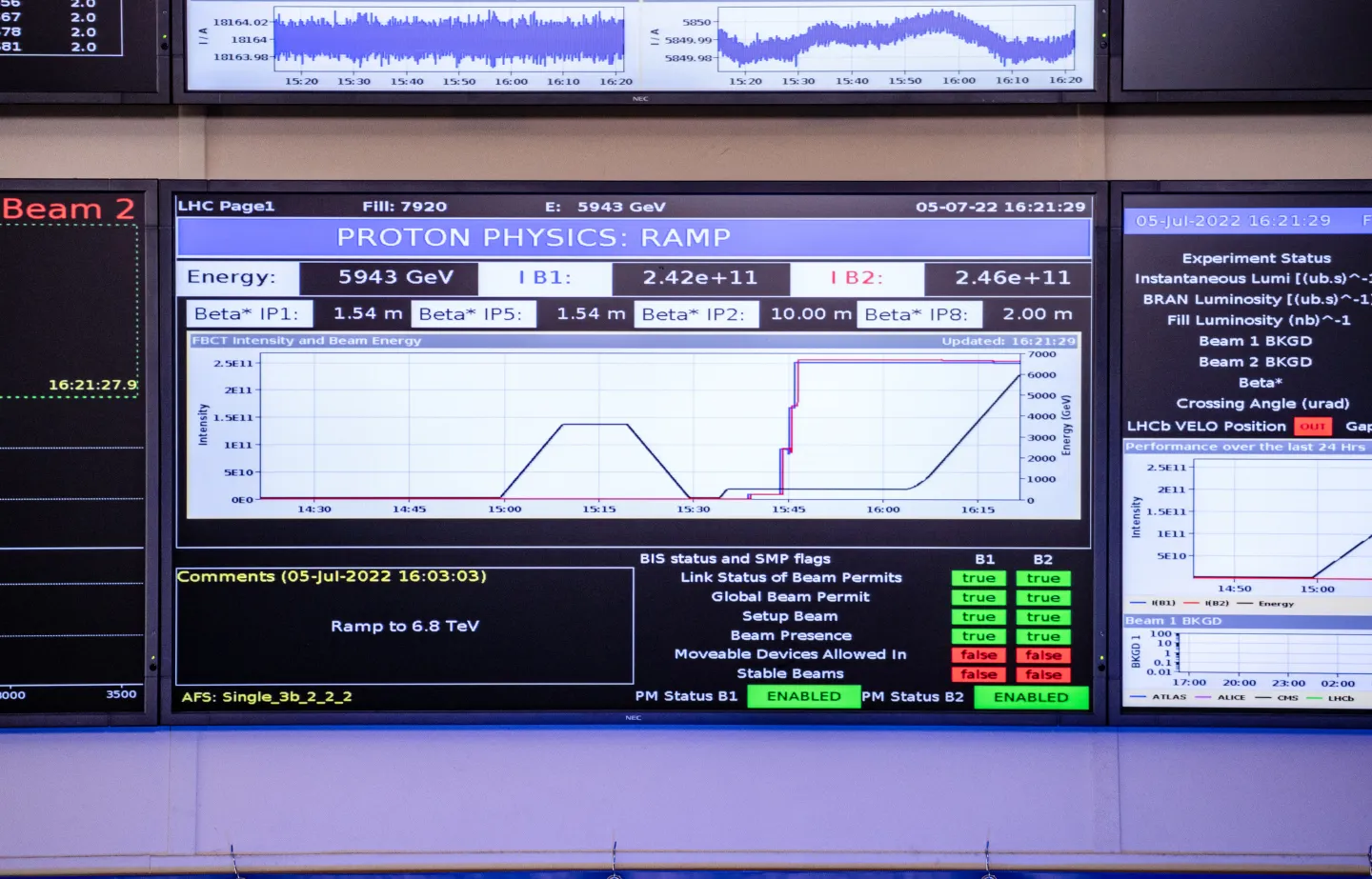
LHC experiments restart The LHC restarted this summer, after a period of upgrades (LS2) and is gearing up to probe new realms of physics during a third run, which will be its most powerful yet. Run 3 of the LHC will feature higher-energy particle beams and higher collision rates, allowing physicists to collect more data
-
Enhancing sensitivity of spectroscopic X-ray imaging
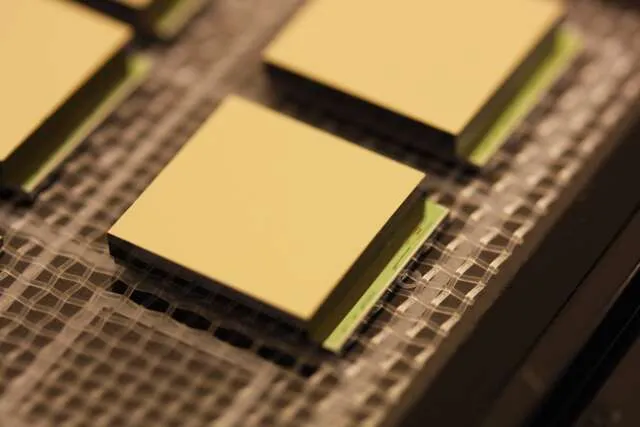
Enhancing sensitivity of spectroscopic X-ray imaging A dedicated workshop on Medical Applications of Spectroscopic X-ray Detectors took place at CERN from 29th August – 1st September. It brought together more than 100 participants from a variety on institutions including prestigious medical schools, major medical equipment suppliers, small and medium sized enterprises as well as universities
-
Wafer-level testing of CMS Outer Tracker ASICs
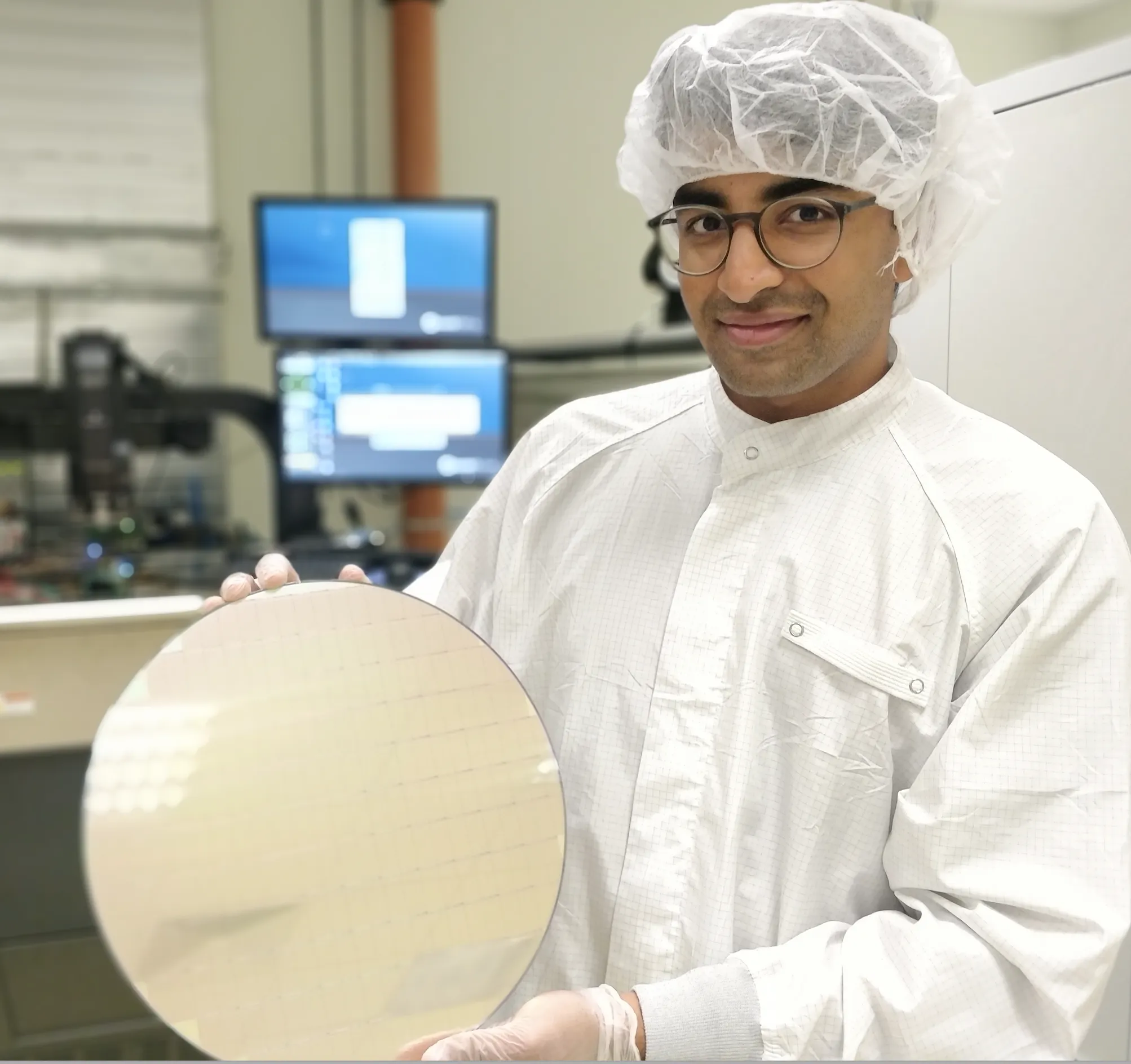
Wafer-level testing of CMS Outer Tracker ASICs The Macro-Pixel ASIC (MPA) and Short-Strip ASIC (SSA) are the new read-out chips used to process particle hit signals of pixel and strip sensors in the upcoming CMS Outer Tracker of the High-Luminosity LHC Upgrade (HL-LHC). The two chips are produced by TSMCs 65nm fabrication process and were
-
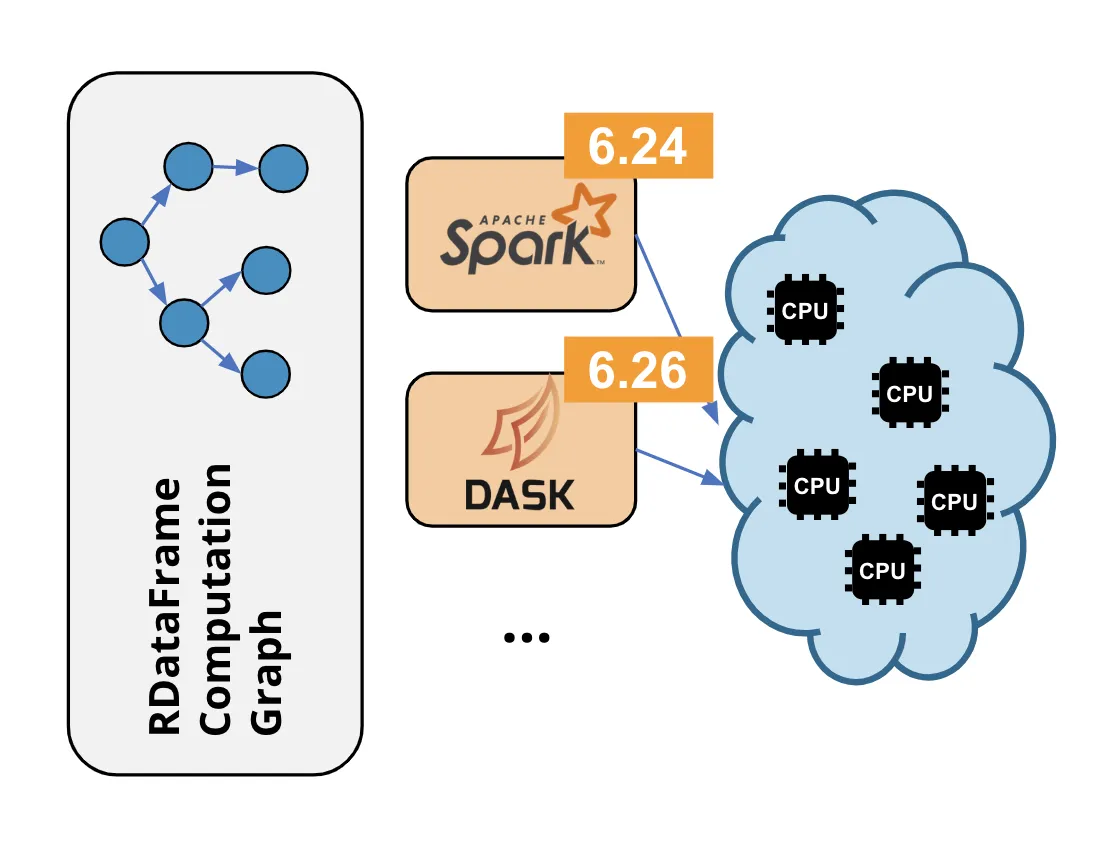
Distributed Analysis with ROOT RDataFrame
Distributed Analysis with ROOT RDataFrame The HL-LHC is foreseen to generate roughly thirty times more data than the LHC has produced so far. Given the available future budget estimations and expected technological evolution [1], software will play a crucial role to cover the performance gap and be able to process the foreseen data volumes. In
-
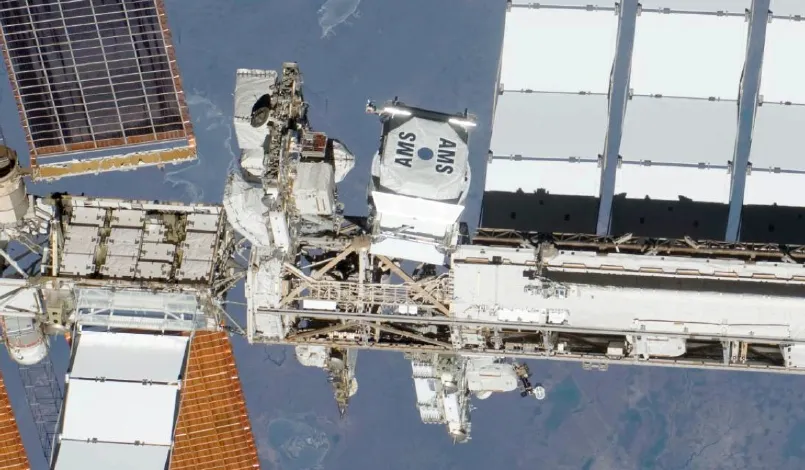
10 Years of operating the Alpha Magnetic Spectrometer on the International Space Station
10 Years of operating the Alpha Magnetic Spectrometer on the International Space Station AMS, passed the milestone of its first 10 years of continuous operation on the International Space Station. AMS is a particle physics detector designed to measure antiparticles, particles, and nuclei of rigidity (momentum/charge) ranging from the GV to few TV (Figure 1).