
Tag: News from the experiments
-
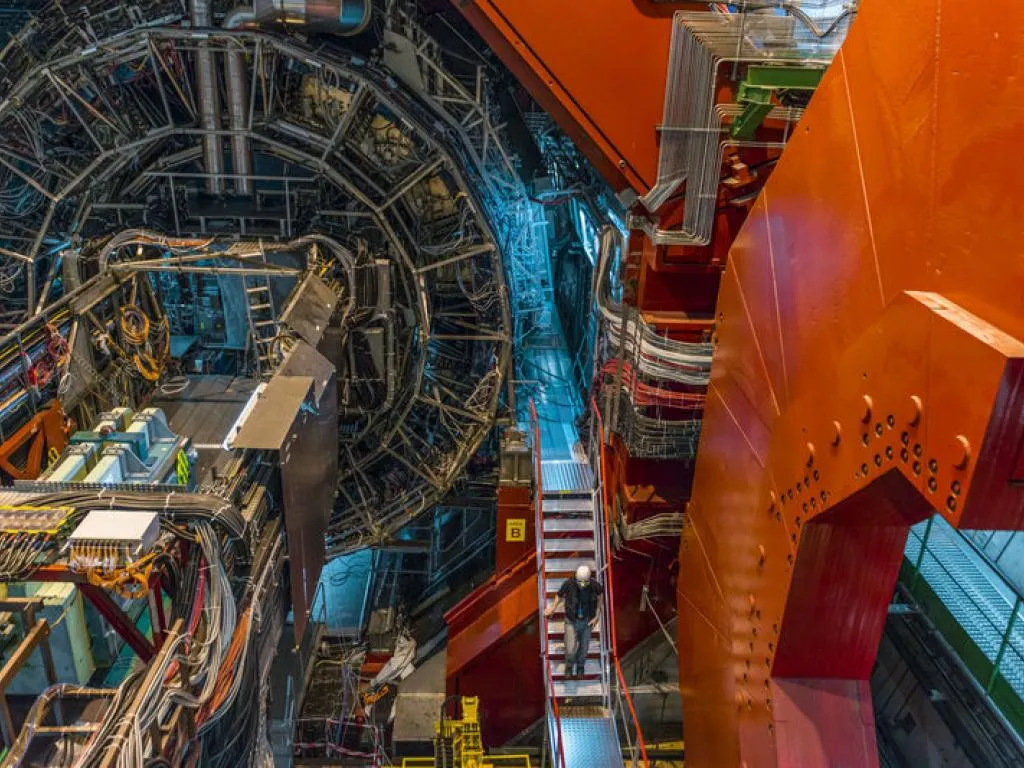
ITS3 and FoCal: Two new subdetectors to extend ALICE’s physics reach
ITS3 and FoCal: Two new subdetectors to extend ALICE’s physics reach The ALICE experiment at the Large Hadron Collider (LHC) is dedicated to studying heavy ion collisions, which recreate the hottest and densest matter ever observed in a lab – the quark-gluon plasma (QGP). By studying this exotic state of matter, scientists aim to understand
-

Highlights from the Alpha Magnetic Spectrometer on the International Space Station
Highlights from the Alpha Magnetic Spectrometer on the International Space Station The Alpha Magnetic Spectrometer, AMS, is a high-energy particle detector performing unprecedented-precision measurements of cosmic rays of rigidity (momentum/charge) ranging from GV to 3 TV on the International Space Station (ISS). AMS has now reached 13 years of continuous operation, and it has collected
-
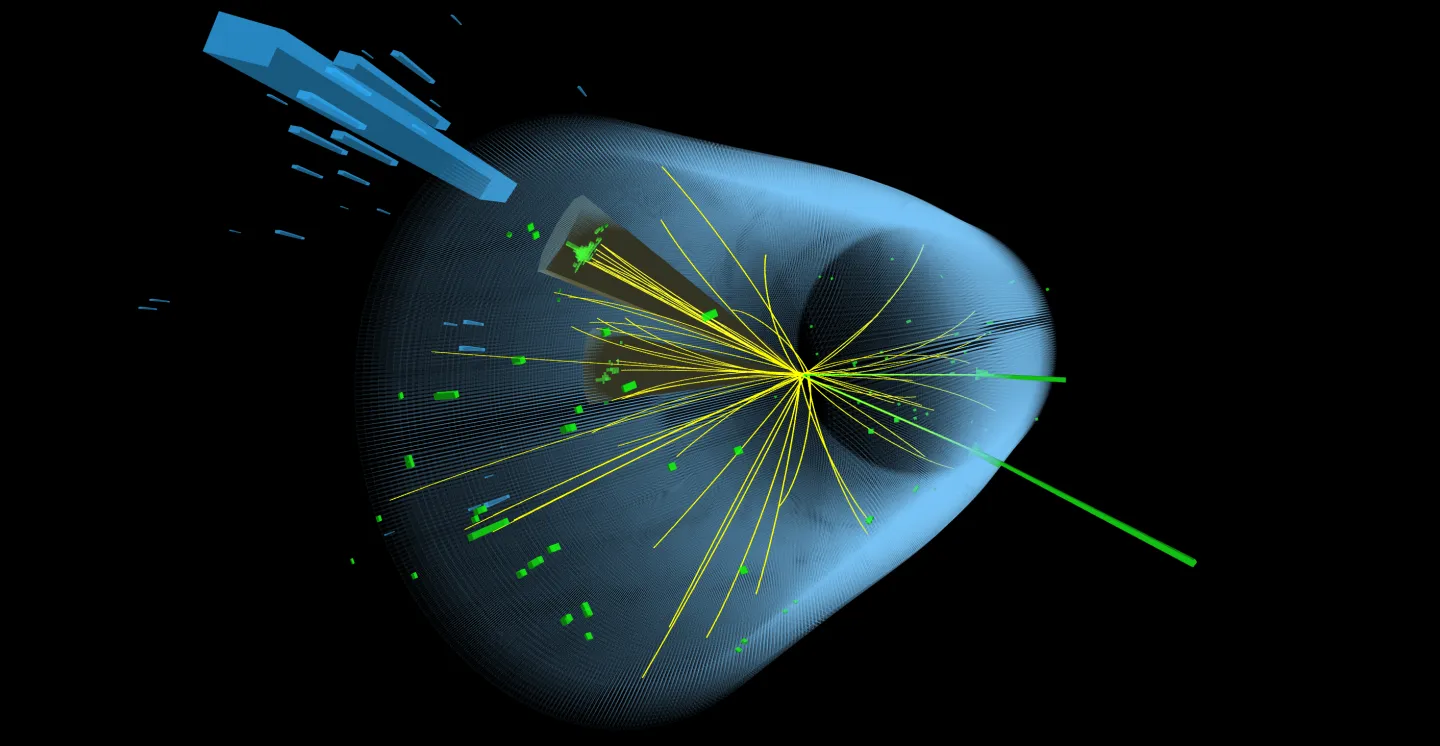
Probing Anomalies: CMS experiment investigates possible hints of new physics
Probing Anomalies: CMS experiment investigates possible hints of new physics For a few years, the work of the LHC community has been split between the exploitation of the LHC Run2 and first Run3 data and the preparation for the High Luminosity (HL) phase. At the HL-LHC, the effort of searching for new physics will be
-
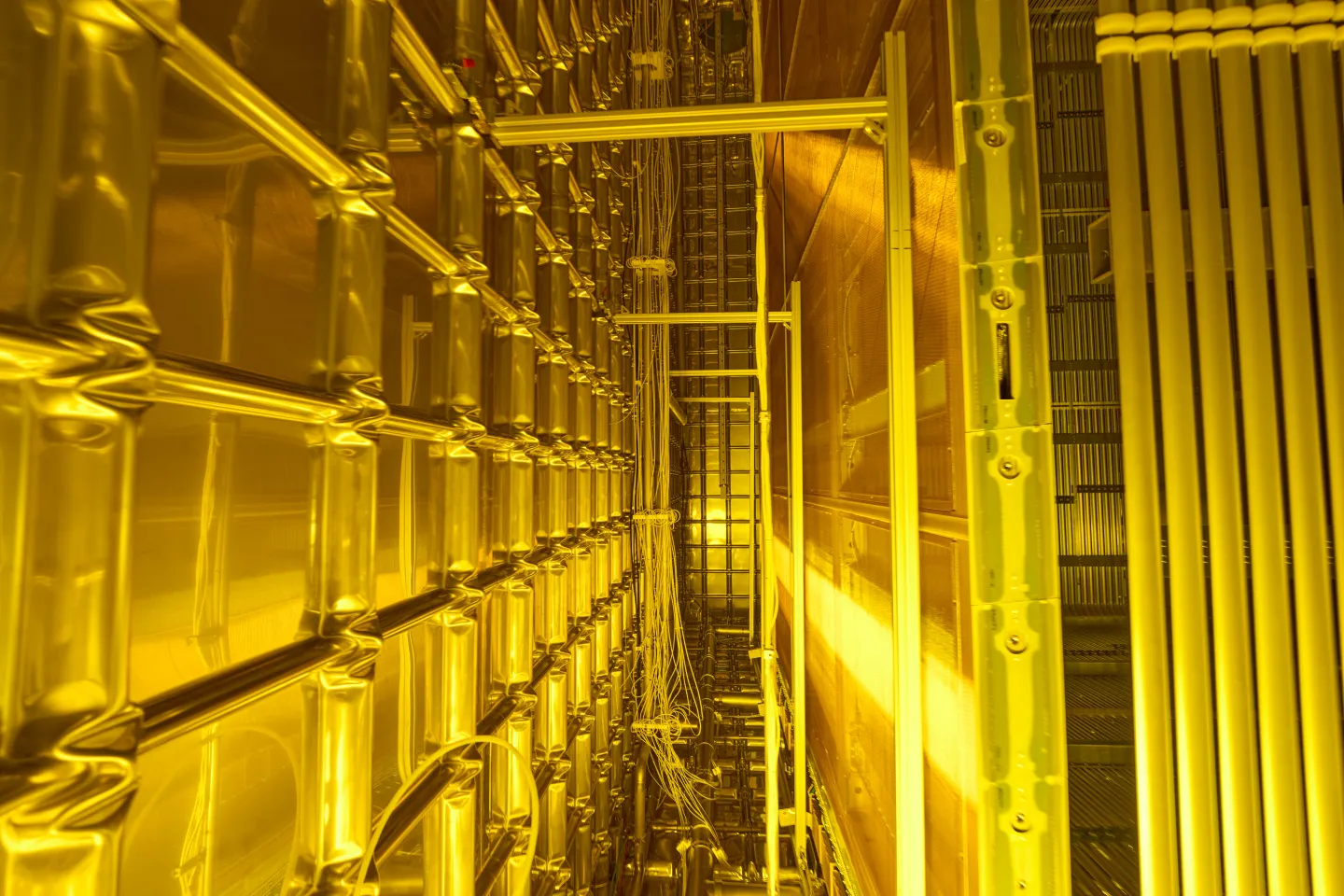
Discover how CERN’s innovative cryostat technology is advancing neutrino physics
Discover how CERN's innovative cryostat technology is advancing neutrino physics As stated in the 2020 Update of the European Strategy for Particle Physics, the existence of non-zero neutrino masses is a compelling sign of new physics. The worldwide neutrino physics program explores the full scope of the rich neutrino sector and commands strong support in
-
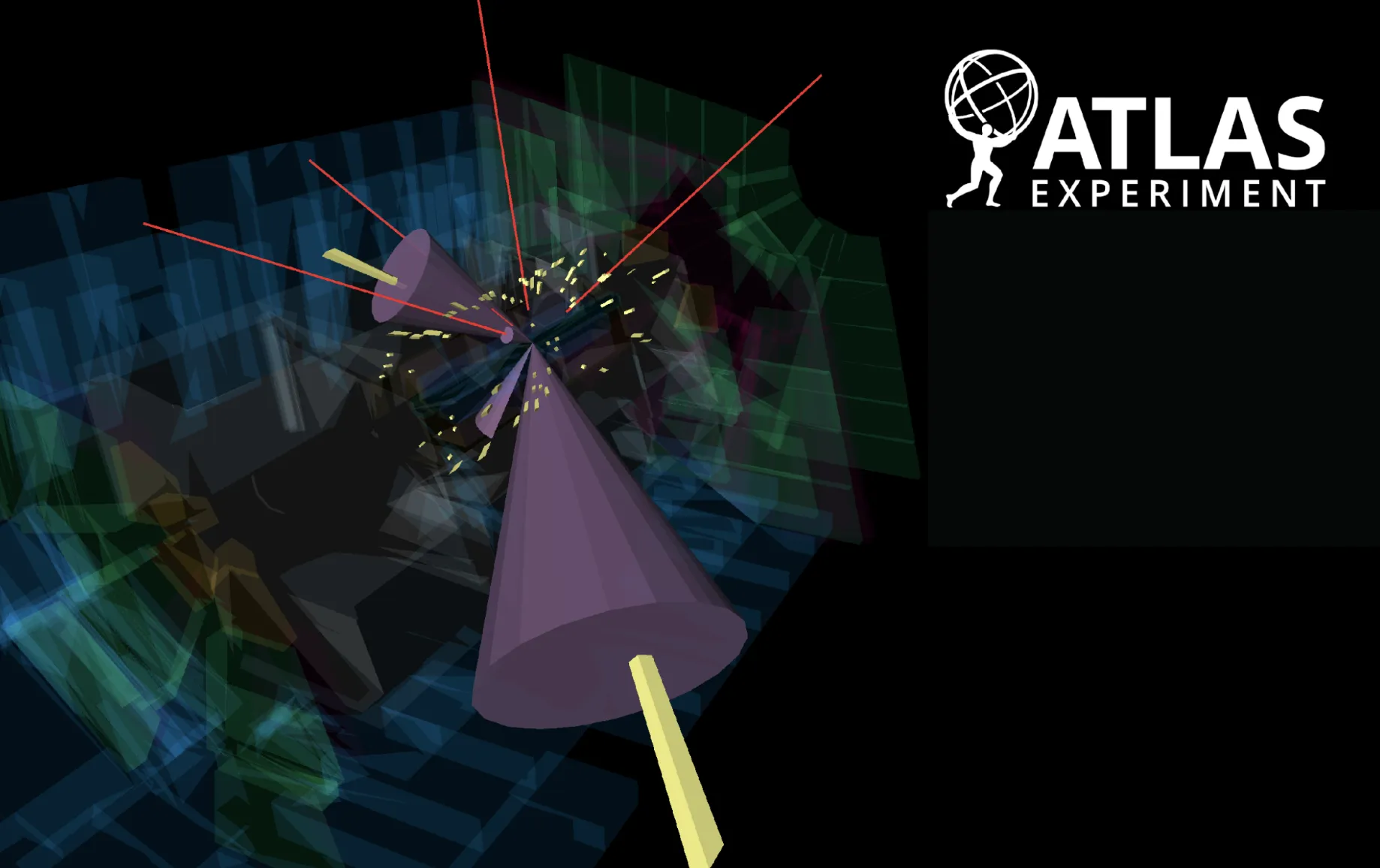
A high-dimensional jet-powered measurement of the strong force
A high-dimensional jet-powered measurement of the strong force Top image: An event display of a high-momentum Z boson event in the ATLAS detector associated with a number of “jets”, which are complex clusters of particles created via interactions mediated by the strong force. Precise measurements of fundamental particles at the Large Hadron Collider (LHC) are
-
MoEDAL-MAPP Experiment’s Quest for Anomalously Charged Avatars of New Physics
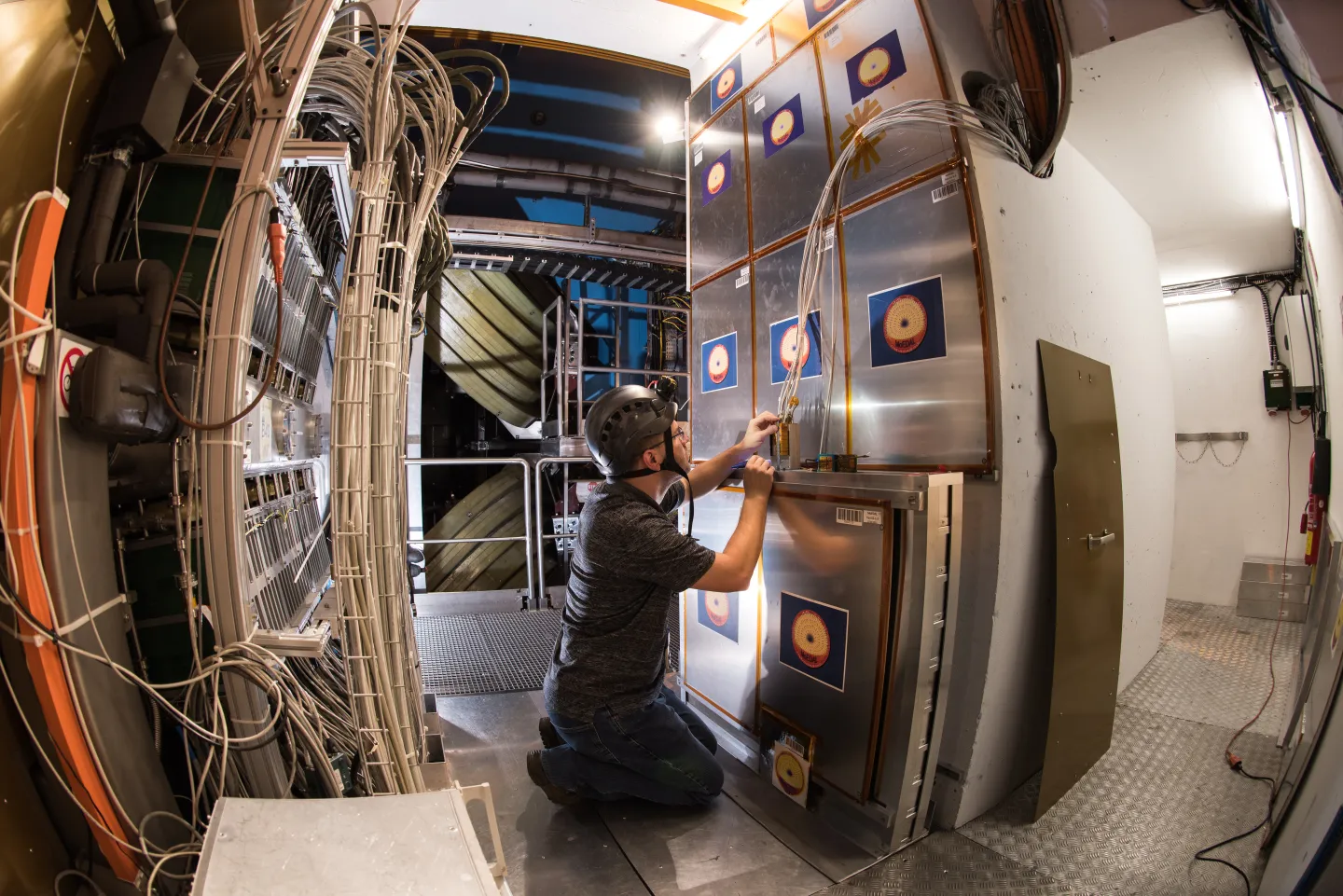
MoEDAL-MAPP Experiment’s Quest for Anomalously Charged Avatars of New Physics Nature, as described by the Standard Model (SM), has decreed that stable or pseudo-stable subnuclear charged particles can only have an observable electrical charge of ±1e, where e is the charge of an electron and that there is no magnetic charge. Thus, searching for anomalously
-

Navigating the Data Tsunami: CMS Prompt Data Processing and Distribution in Run 3
Navigating the Data Tsunami: CMS Prompt Data Processing and Distribution in Run 3 Improvements implemented in the CMS trigger and data acquisition systems before the start of Run 3 LHC in 2022 have enabled an increase in both the event rate and the volume of useful data collected by the CMS detector, thereby broadening its
-
Truly non-destructive: Antimatter under the microscope during the 2024-YETS
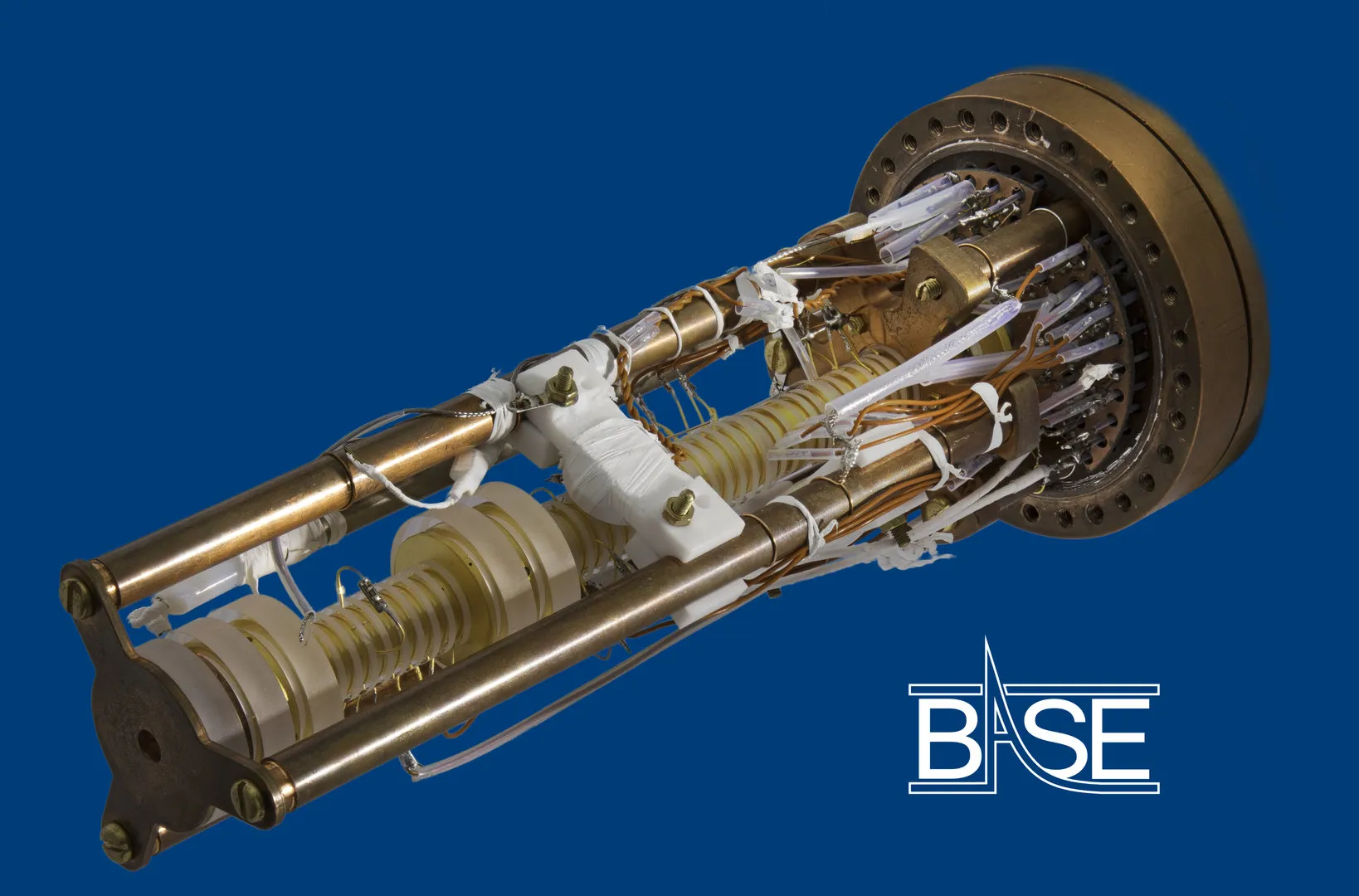
Truly non-destructive: Antimatter under the microscope during the 2024-YETS Early in the morning, on the 13th of November 2023, the AD/ELENA facility delivered its final antiproton bunch to the users at the antimatter factory. Most of the particles annihilated a few minutes later in antihydrogen formation and its spectroscopy, and most of the AD/ELENA users
-
AEgIS Experiment Breakthrough: Laser Cooling Opens Door to New Antimatter Studies
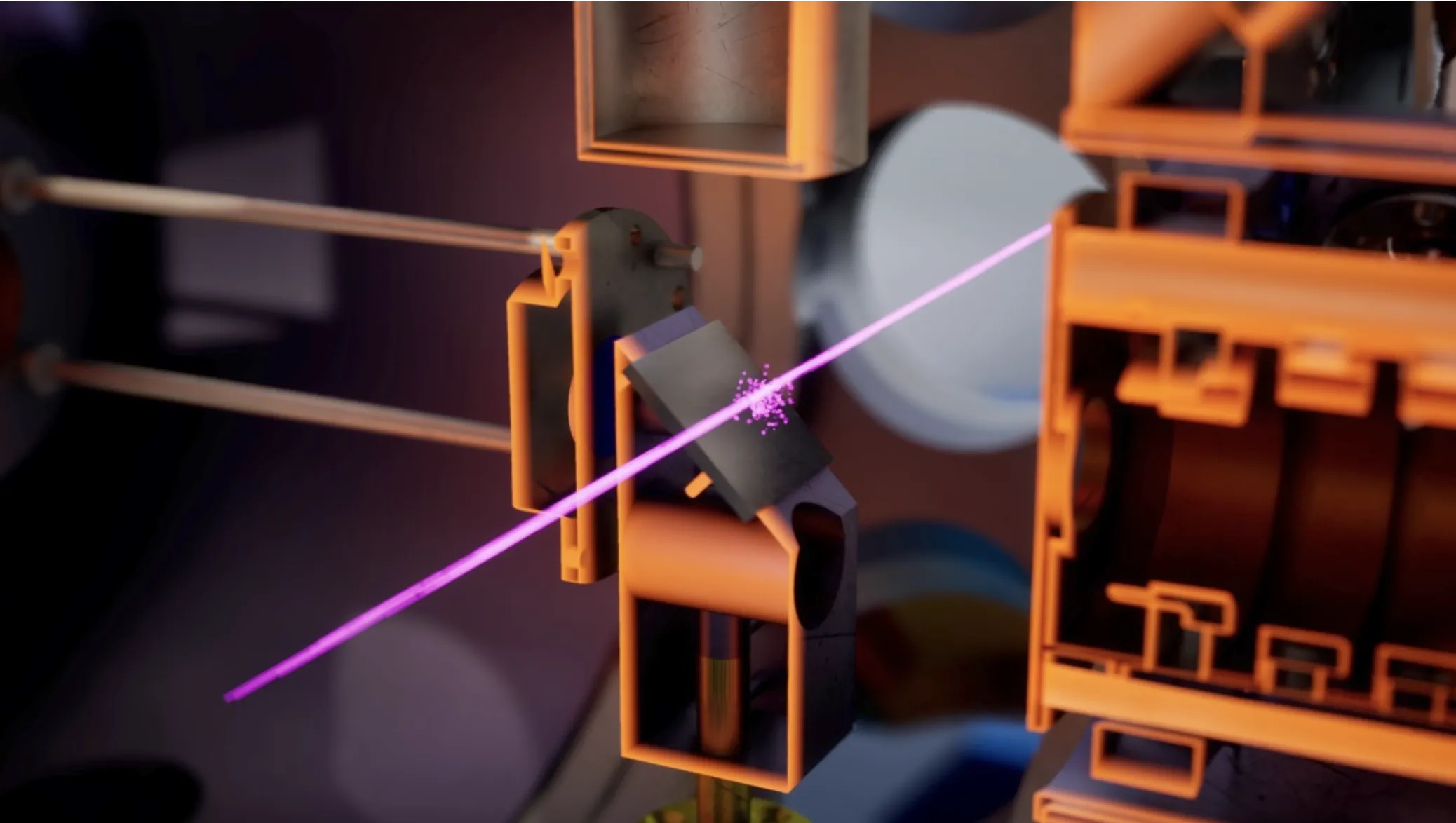
AEgIS Experiment Breakthrough: Laser Cooling Opens Door to New Antimatter Studies A significant breakthrough has been achieved at CERN by the AEgIS experiment. Researchers successfully cooled a sample of positronium using a laser, paving the way for a new era in antimatter research. This accomplishment, reported in Physical Review Letters, holds promise not only for
-
Revolutionizing Particle Detection: 3D-Printed Scintillating Detectors for Tracking and Calorimetry
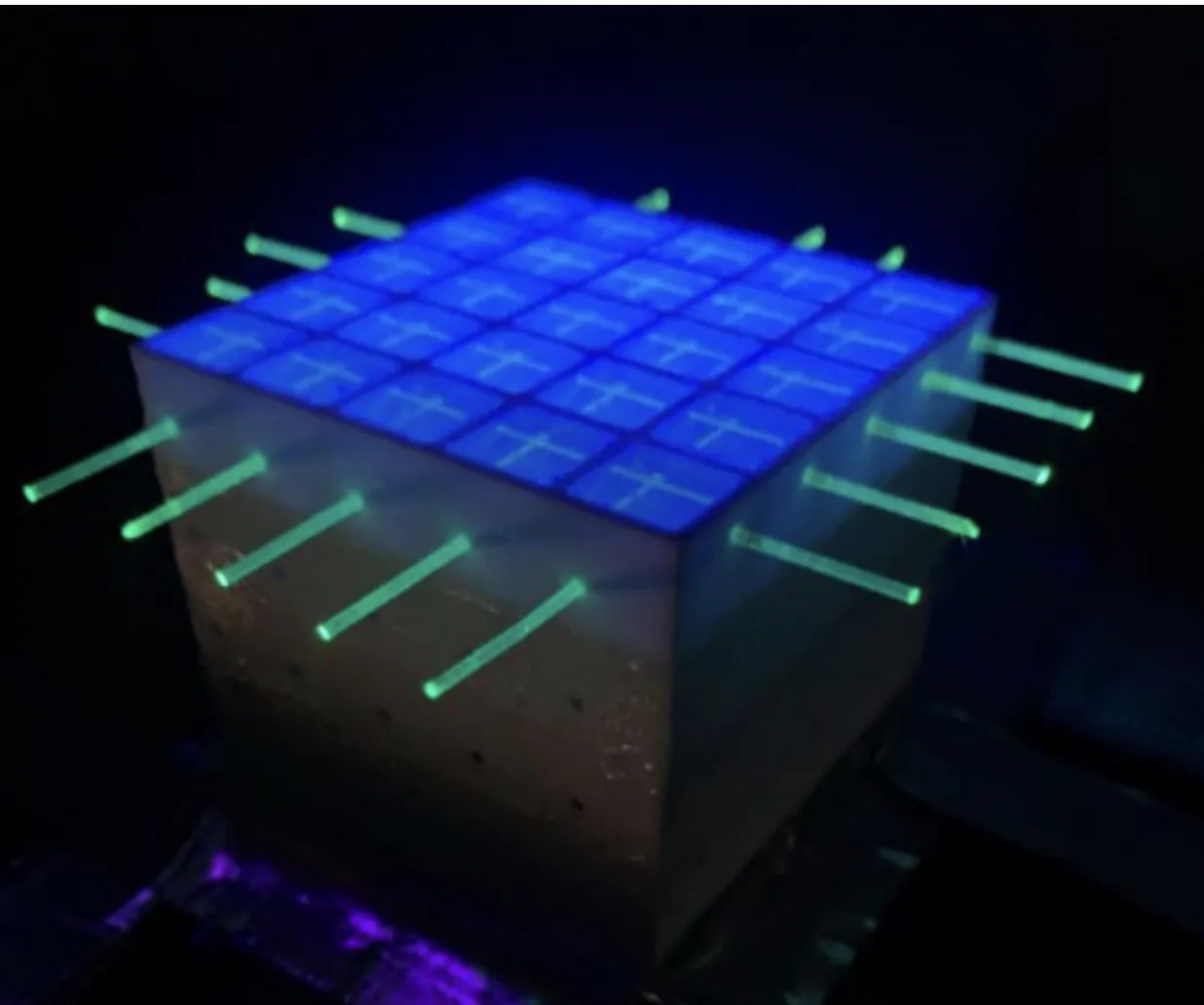
Revolutionizing Particle Detection: 3D-Printed Scintillating Detectors for Tracking and Calorimetry Plastic scintillator detectors, which are cost-effective due to the affordability of plastic materials, are extensively employed in high-energy physics experiments. They play a crucial role in identifying and tracking particles, conducting time-of-flight measurements, and, when combined with dense materials, are used in sampling calorimeters. The