
Tag: News from the experiments
-
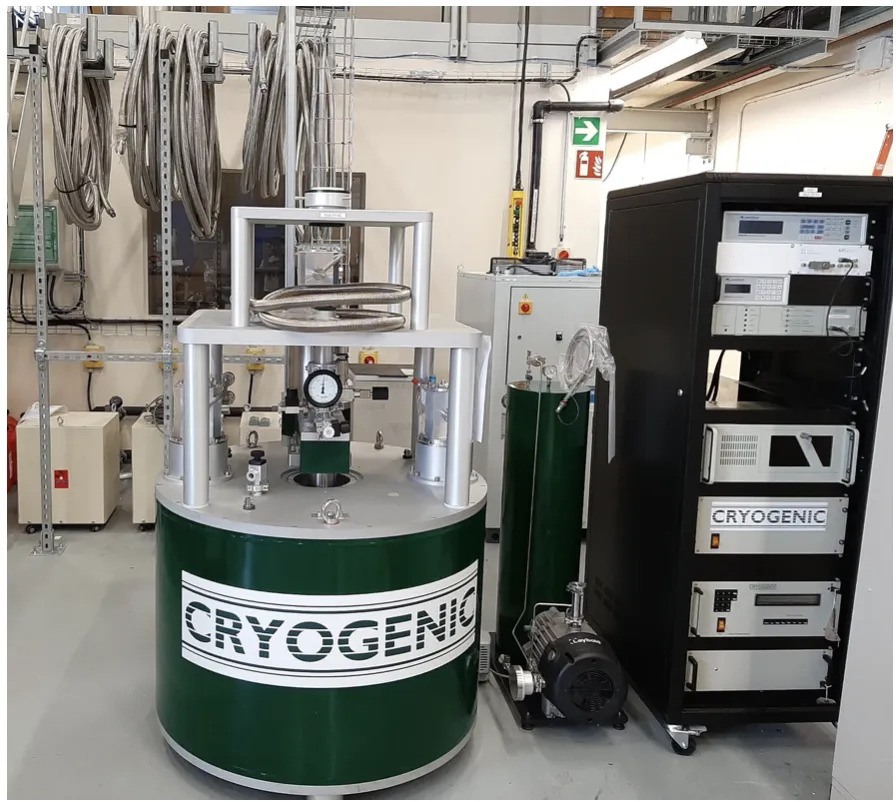
ISOLDE: On the frontiers of materials science for a sustainable future
ISOLDE: On the frontiers of materials science for a sustainable future Nowadays, one of the most important issues that human beings are facing is the fact that reducing carbon emission is extremely necessary. New materials for a sustainable future are required for the world to become climate neutral. The huge demand for innovative hard magnetic
-
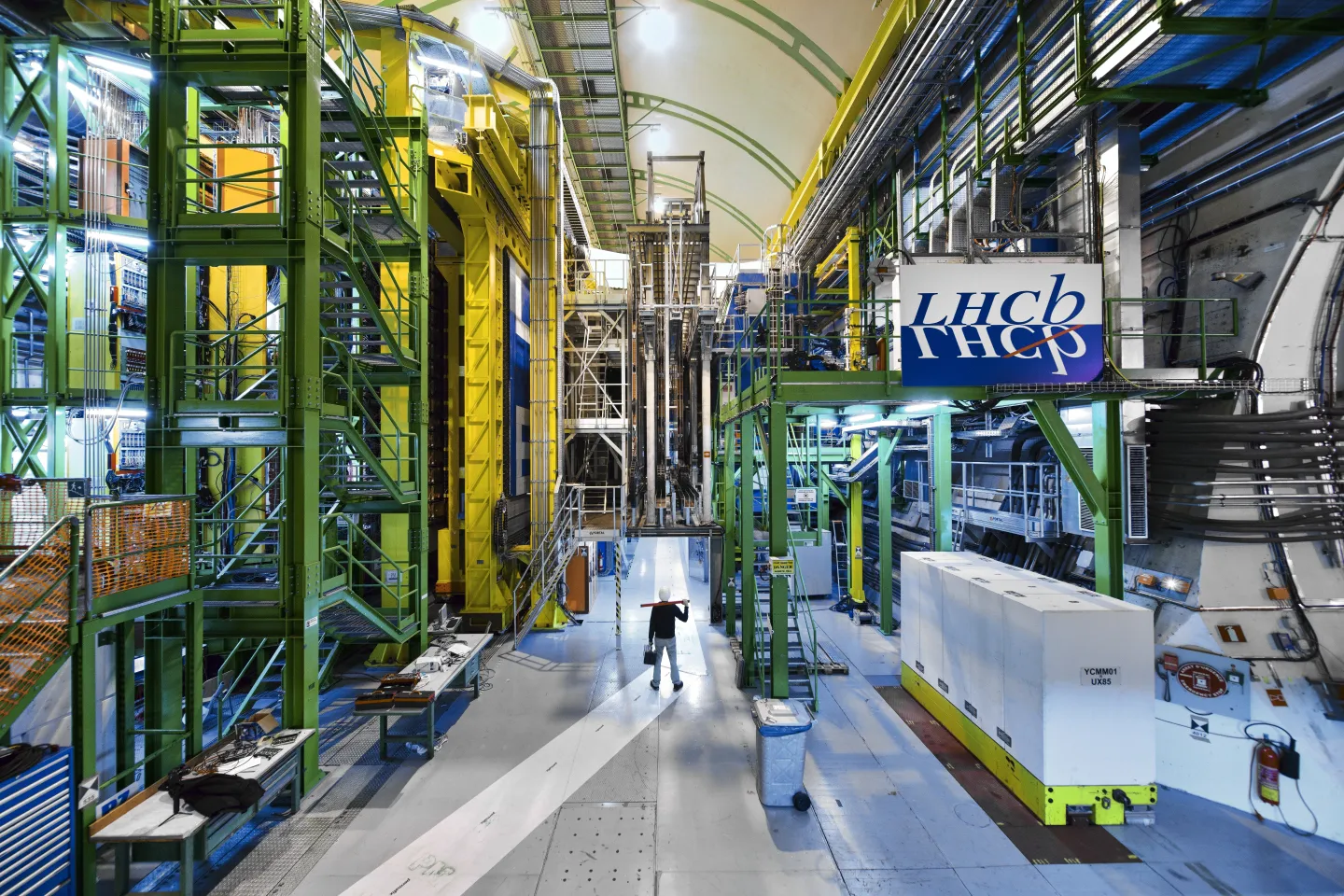
Scientists Observe a New Way for Heavy Mesons to Decay
Scientists Observe a New Way for Heavy Mesons to Decay Researchers working on the LHCb experiment at CERN have achieved a breakthrough in understanding a subatomic particle called the Bc+ meson. They have observed, for the first time, a specific way this meson decays, providing valuable insights into the fundamental forces that govern our universe.
-

CLOUD experiments show that trees can make their own clouds.
CLOUD experiments show that trees can make their own clouds. Atmospheric aerosols are tiny solid or liquid droplets suspended in the air. They are all around us, emitted from a variety of natural and anthropogenic sources. Although aerosol particles are too small to be seen with the human eye, they have a significant impact on
-
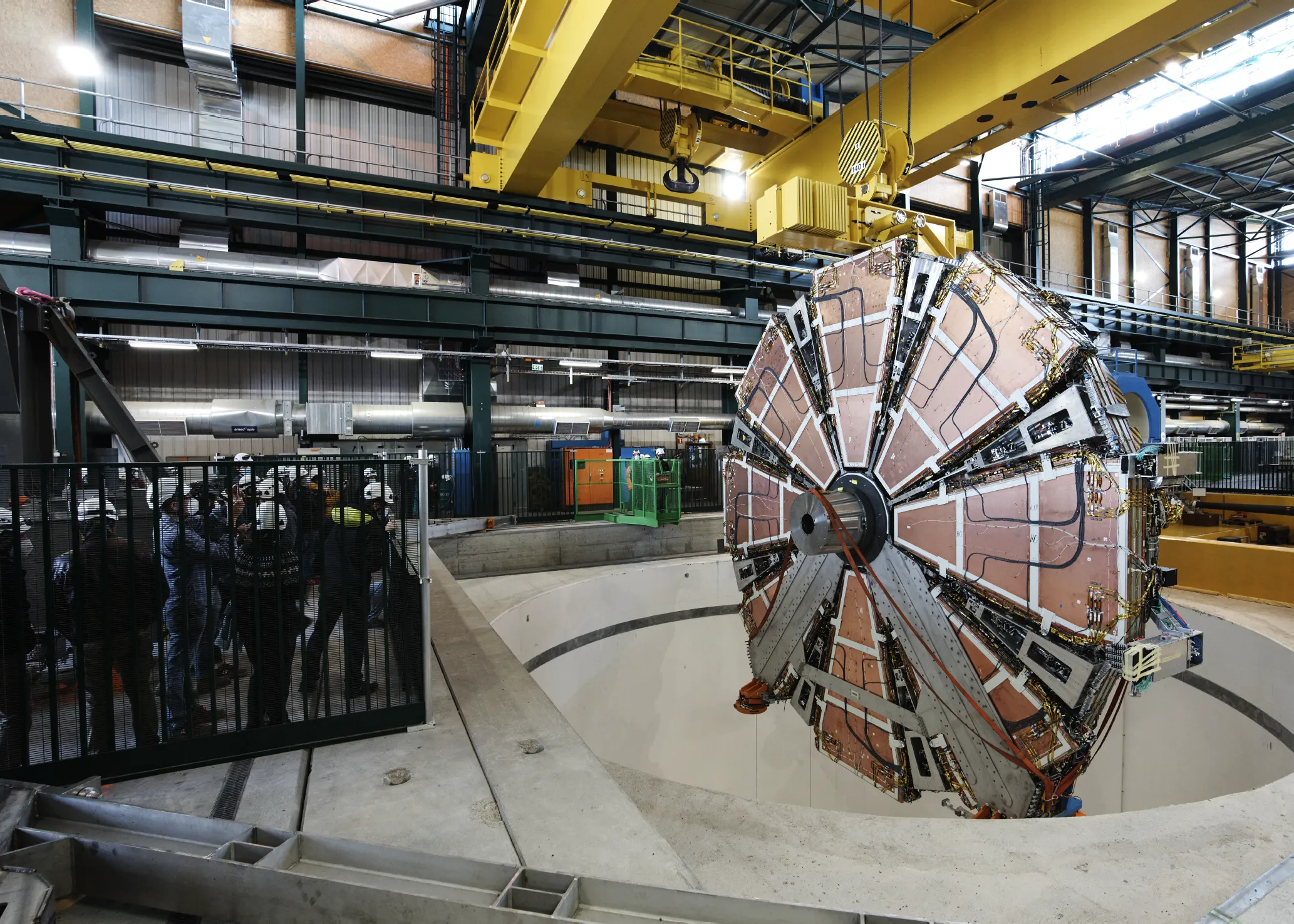
The ATLAS New Small Wheel – Triggering on muons and rejecting fakes
The ATLAS New Small Wheel – Triggering on muons and rejecting fakes The New Small Wheel (NSW) [1] has been the largest Phase-1 upgrade project of ATLAS. The two innermost stations of the Endcap Muon spectrometer have been replaced with two newly built detector systems based on small-strip Thin Gap Chambers (sTGC) and Micromegas (MM).
-
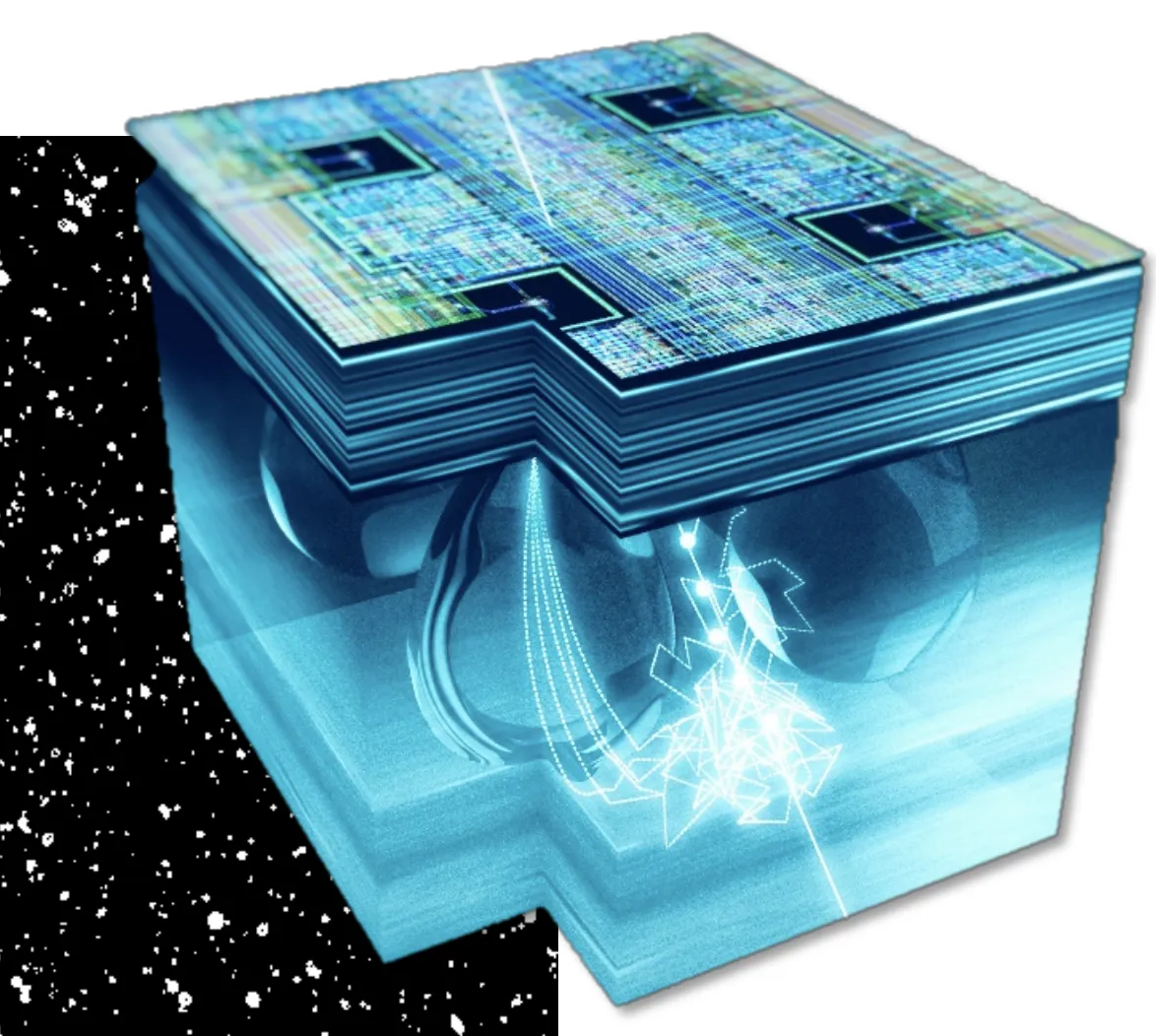
Pushing the boundaries of monolithic CMOS sensor technologies
Pushing the boundaries of monolithic CMOS sensor technologies Silicon solid state detectors have been developed over a long time to address the challenges of particle tracking and vertexing. At the LHC, when the machine reaches its full design regime, it collides proton bunches at a rate of 40 million times per second. To capture these
-
First analysis of Run 3 data with a new slim data format
First analysis of Run 3 data with a new slim data format The ATLAS Collaboration has just released a new measurement of the production cross-section of two Z bosons. This result examines data collected during Run 3 of the LHC – with protons colliding at a record energy of 13.6 TeV – and pioneers the
-

Asterix in Switzerland
Asterix in Switzerland This episode of the adventures of the winged-helmed Gaul was published in 1970 and foretold what would happen 28 years later, when the CERN microelectronics group (MIC at the time, now the ME section in EP-ESE) welcomed the arrival of its first X-ray irradiation system. The need for such equipment emerged with
-
LHCb’s new VELO preparing to spring into action
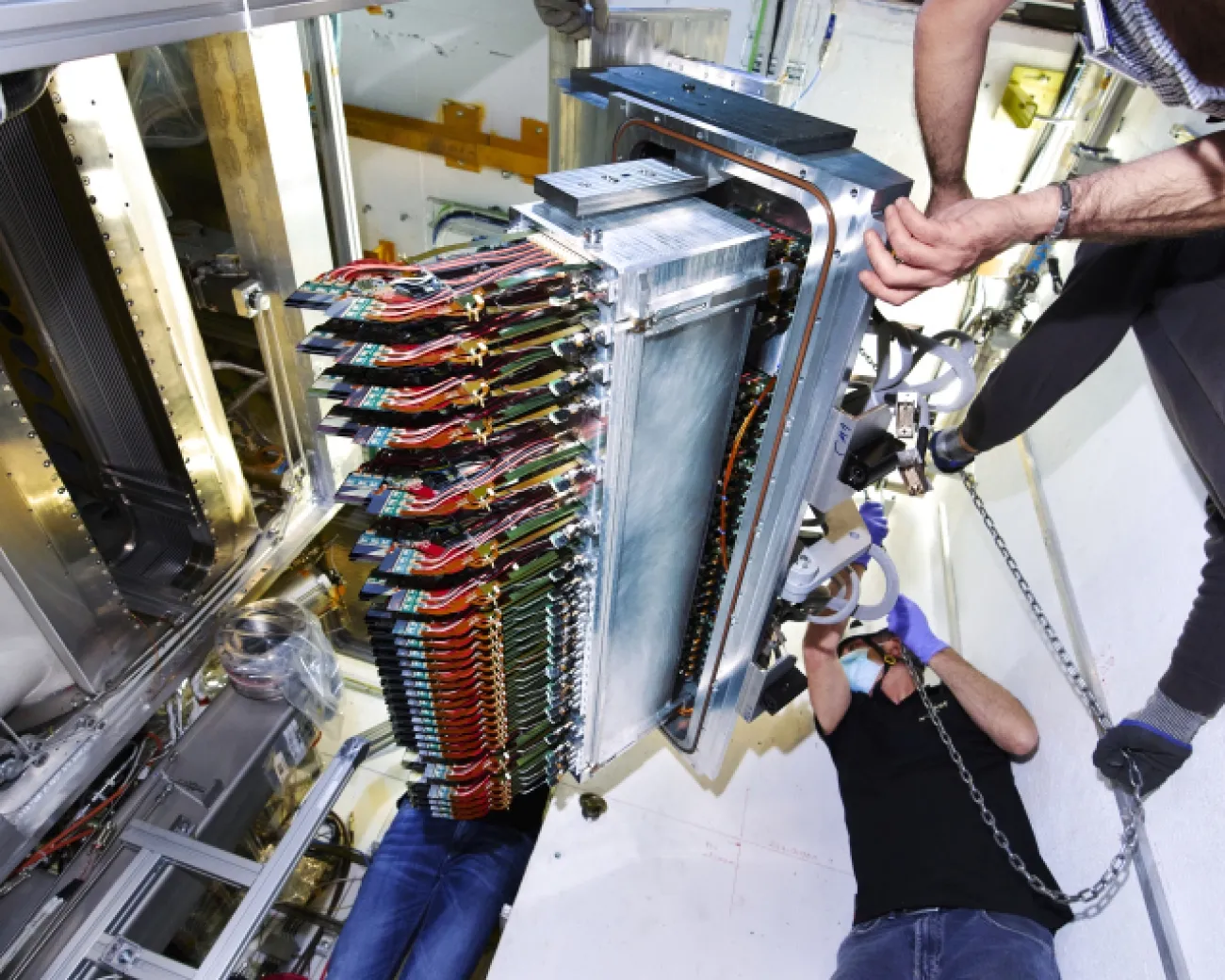
LHCb's new VELO preparing to spring into action The replacement of the previous VErtex LOcator (VELO) detector with a new high-speed hybrid pixel detector was one of the key milestones for the LHCb collaboration in 2022 (see also previous EP newsletter article). The upgrade was part of an R&D programme that allows the LHCb detector
-
ALPHA experiment at CERN observes the influence of gravity on antimatter.
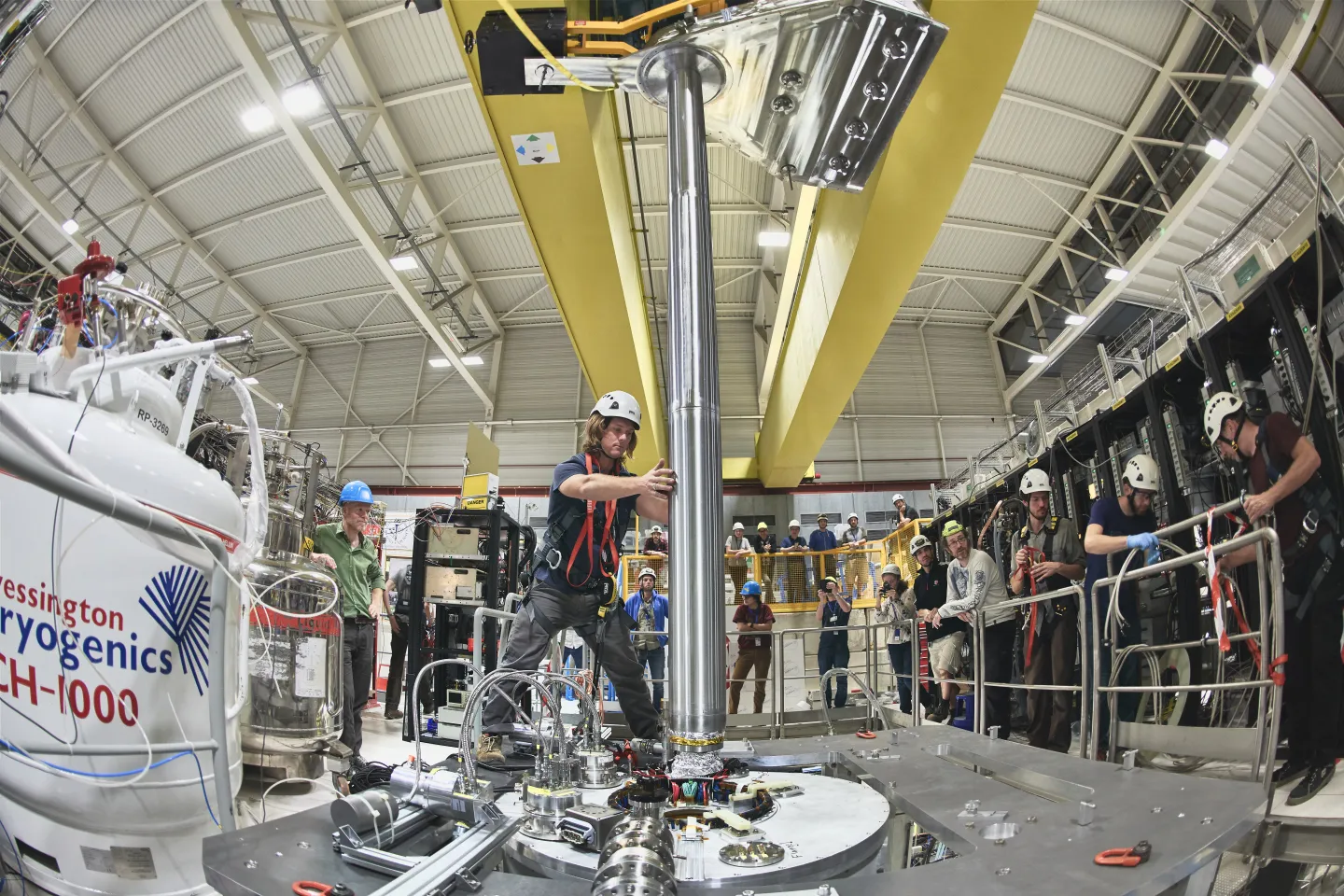
ALPHA experiment at CERN observes the influence of gravity on antimatter. In a paper published earlier this autumn in Nature, the ALPHA collaboration at CERN’s Antimatter Factory shows that, within the precision of their experiment, atoms of antihydrogen – a positron orbiting an antiproton – fall to Earth in the same way as their matter
-
Ultralight air-cooled mechanics for ALICE ITS3
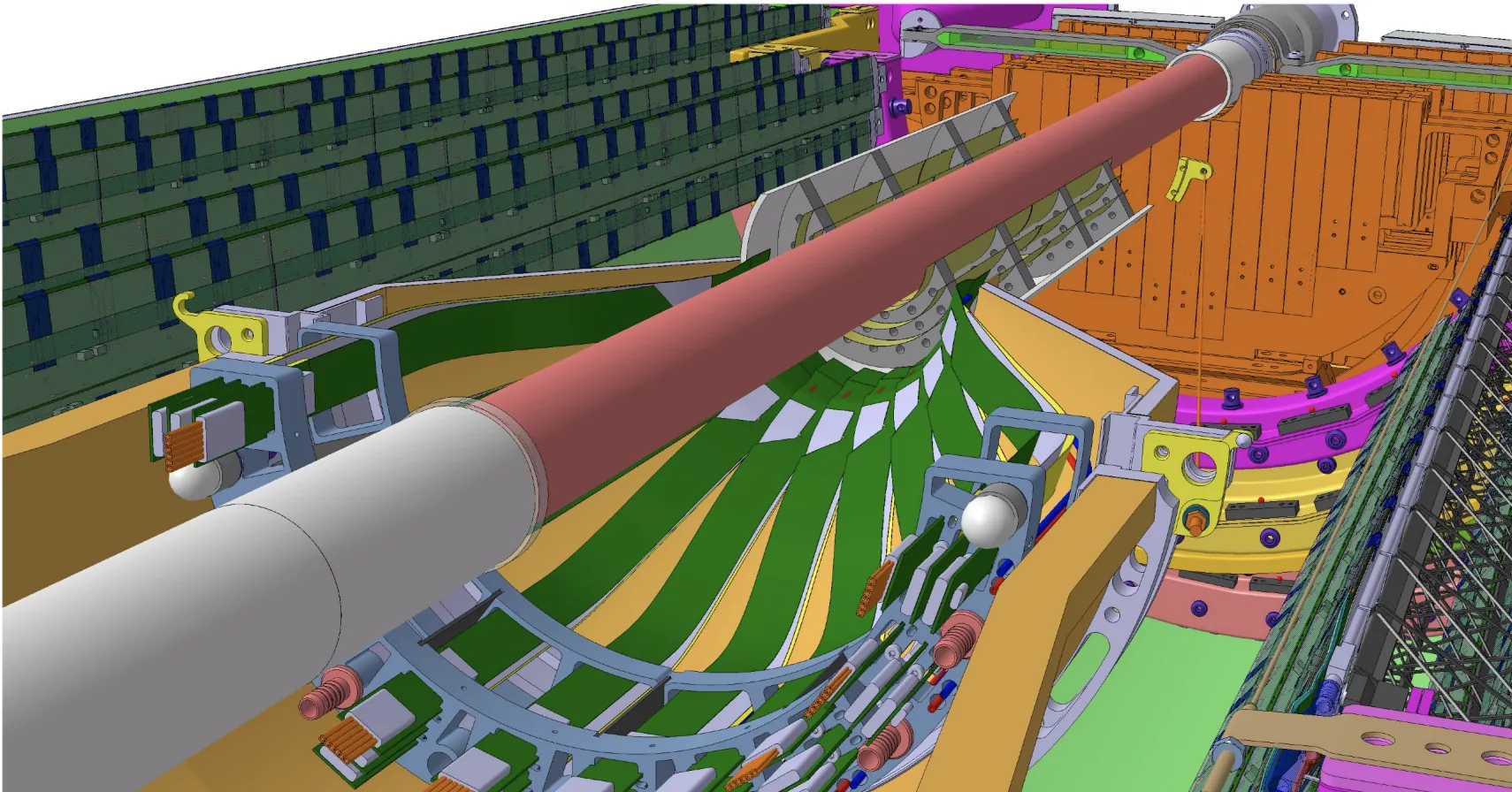
Ultralight air-cooled mechanics for ALICE ITS3 While the new Inner Tracking System detector, ITS2, could finally start its data taking in nominal operation for the RUN3 of LHC, ALICE is already working at replacing the three innermost layers during LS3. The ITS3 (Fig.1) is a new vertex detector, that will significantly increase the performance in