
Tag: News from the experiments
-
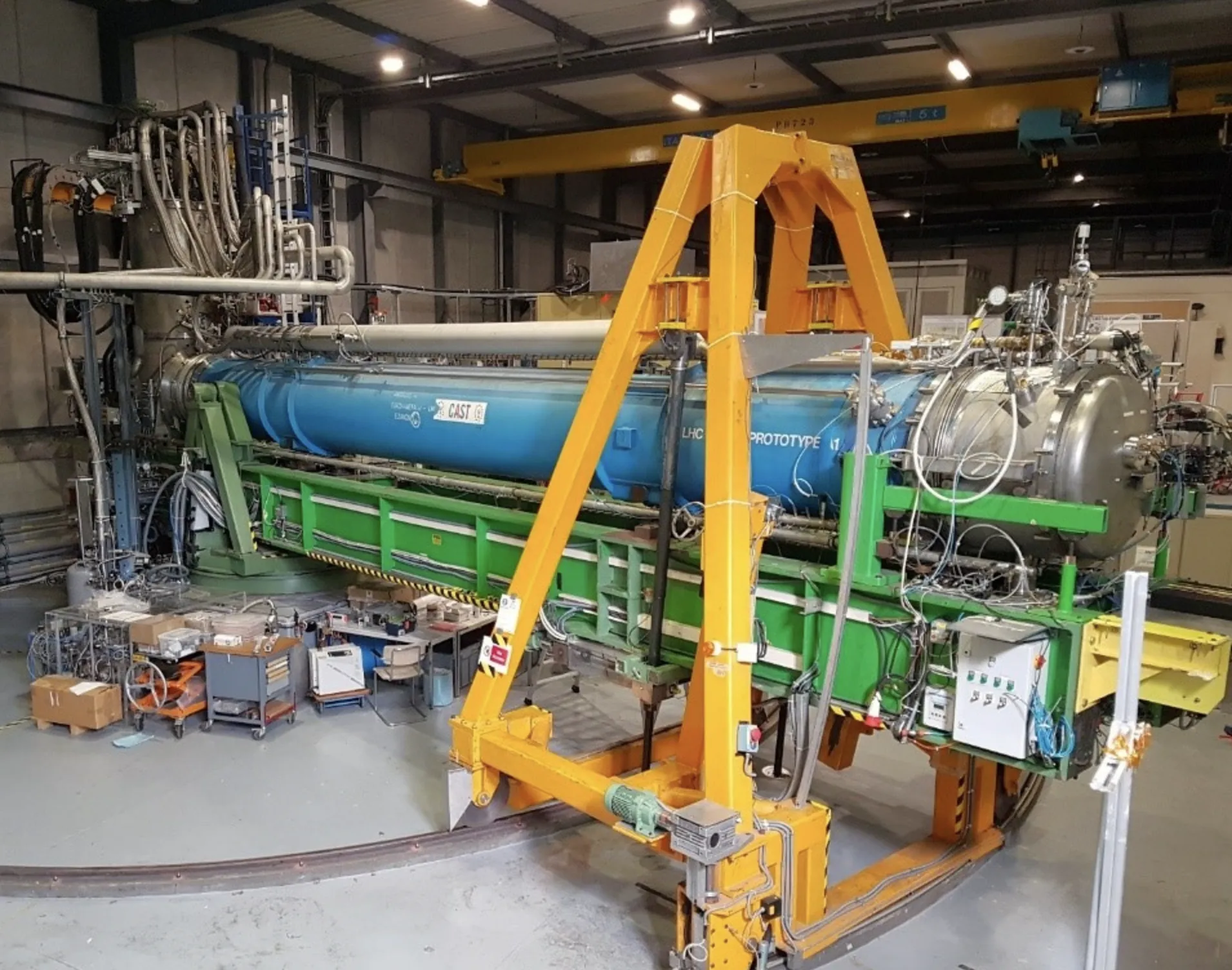
CAST Sets New Benchmarks in the Quest for Axions
CAST Sets New Benchmarks in the Quest for Axions Within the CERN Axion Solar Telescope (CAST) collaboration, scientists from the Center for Astroparticles and High-Energy Physics (CAPA) at the University of Zaragoza led the research that has achieved a significant milestone in the search for axion-like particles (ALPs). Published in Physical Review Letters, their latest
-
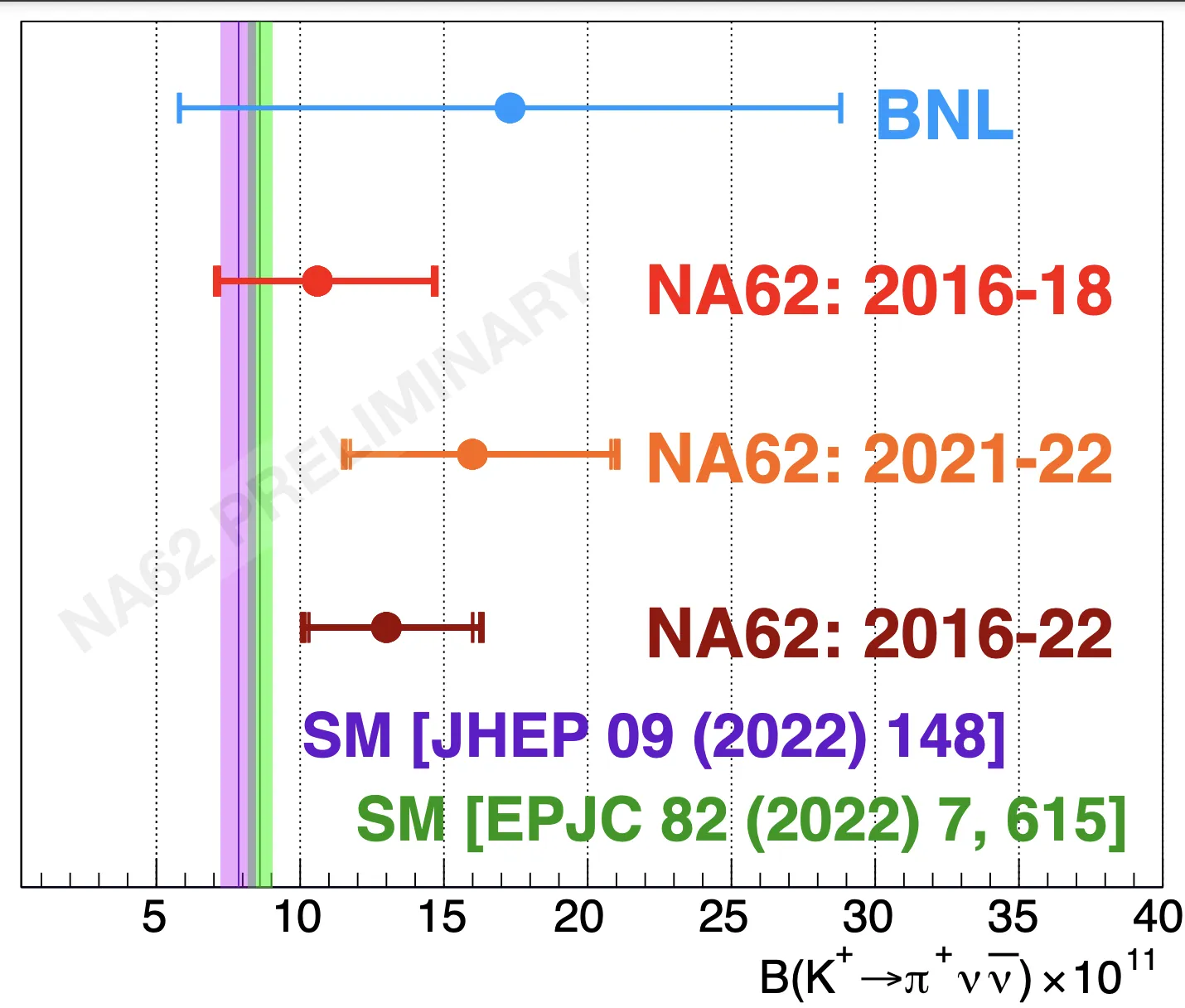
NA62 Observes Ultra-Rare Kaon Decay to Pion and Neutrinos
NA62 Observes Ultra-Rare Kaon Decay to Pion and Neutrinos The NA62 experiment at the CERN north area was built to investigate the ultra-rare K+ → π+νν̄ decay. Measurement of this decay, a golden mode for kaon physics, is considered a key flavour physics objective because it provides both a strong test of the Standard Model
-
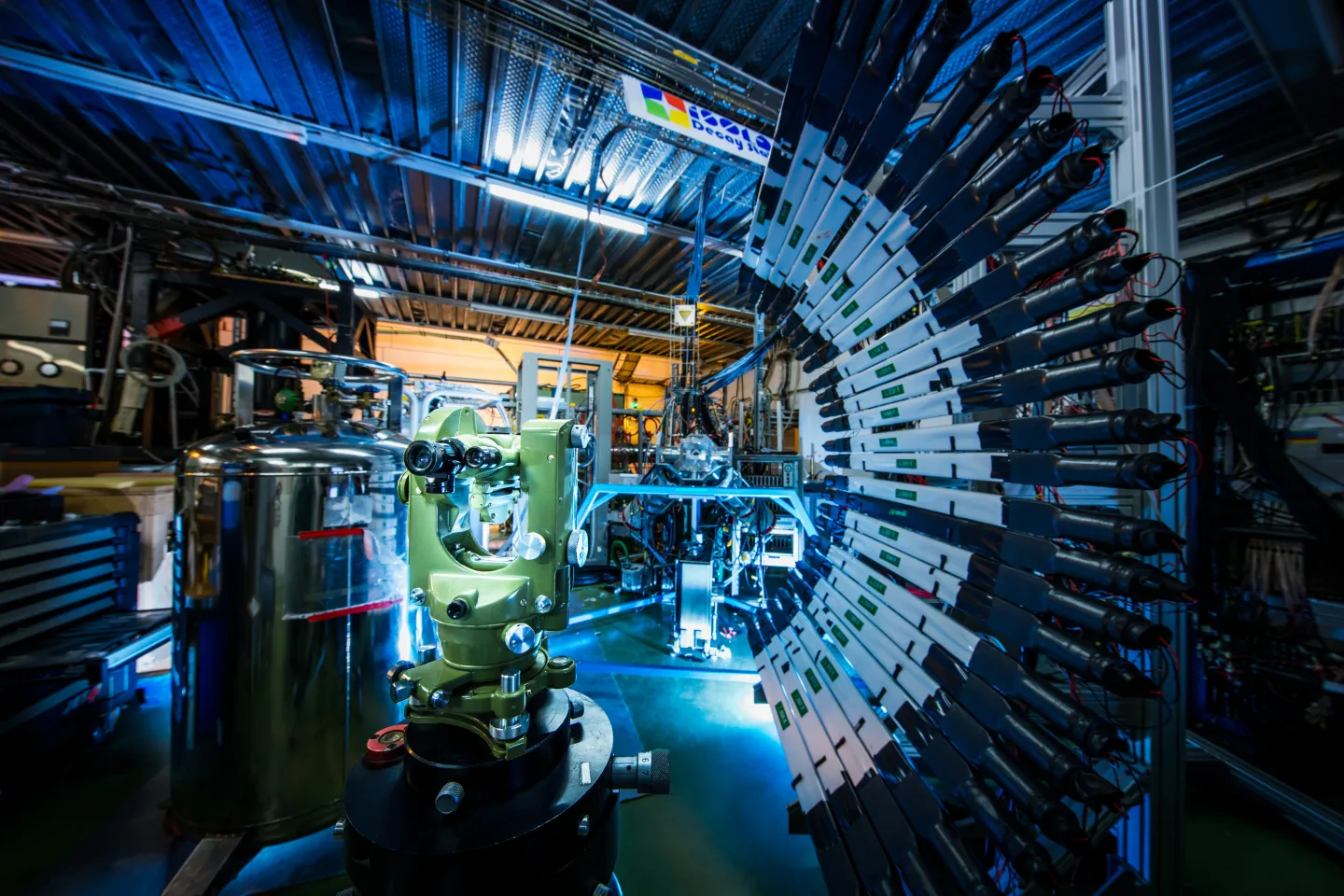
Perturbed angular correlations at ISOLDE
Perturbed angular correlations at ISOLDE Solid state physics and biophysics research has been conducted at ISOLDE-CERN for almost 50 years [JOH2017]. Our role in supporting experimental equipment and manpower has enabled the development of on-site laboratories. This has several advantages, from nuclear physics studies to the applications for society. Being part of the in-house group
-
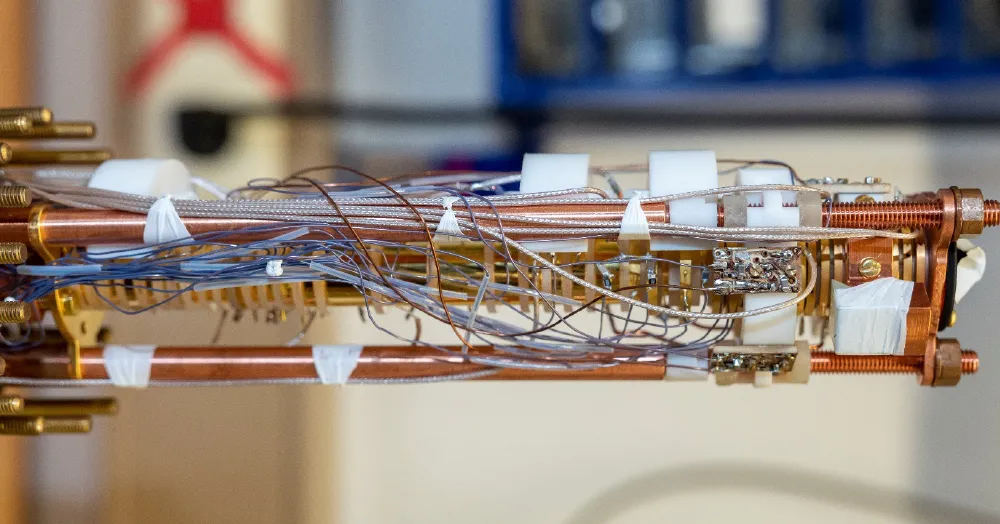
Breakthrough in the cooling technologies of a single antiproton/proton at the BASE experiment
Breakthrough in the cooling technologies of a single antiproton/proton at the BASE experiment The Baryon Antibaryon Symmetry Experiment (BASE) is recognized for performing the most precise measurements of the fundamental properties of antiprotons and protons, such as the 16 p.p.t. precision measurement of the antiproton-to-proton charge-to-mass ratio [1], the 1.5 p.p.b. precision measurement of the
-
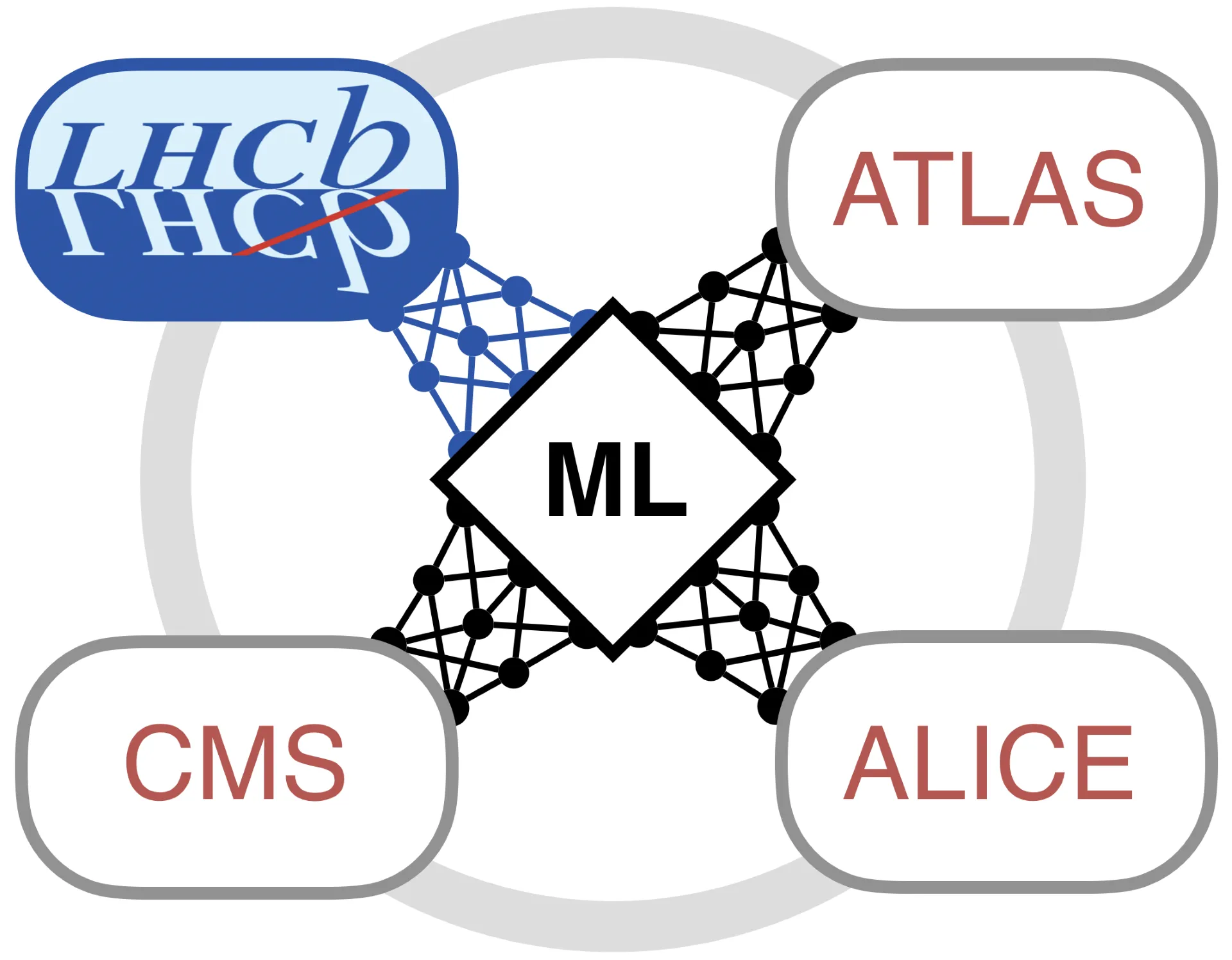
Machine Learning in action: shaping the future of LHCb and fostering cross-experiment collaboration
Machine Learning in action: shaping the future of LHCb and fostering cross-experiment collaboration Common challenges and the democratic nature of ML are building new bridges across experiments. The LHCb experiment is ramping up its R&D efforts in Machine Learning (ML), while also addressing the challenges of deploying ML in production and fostering multi-experiment collaborations. Why?
-
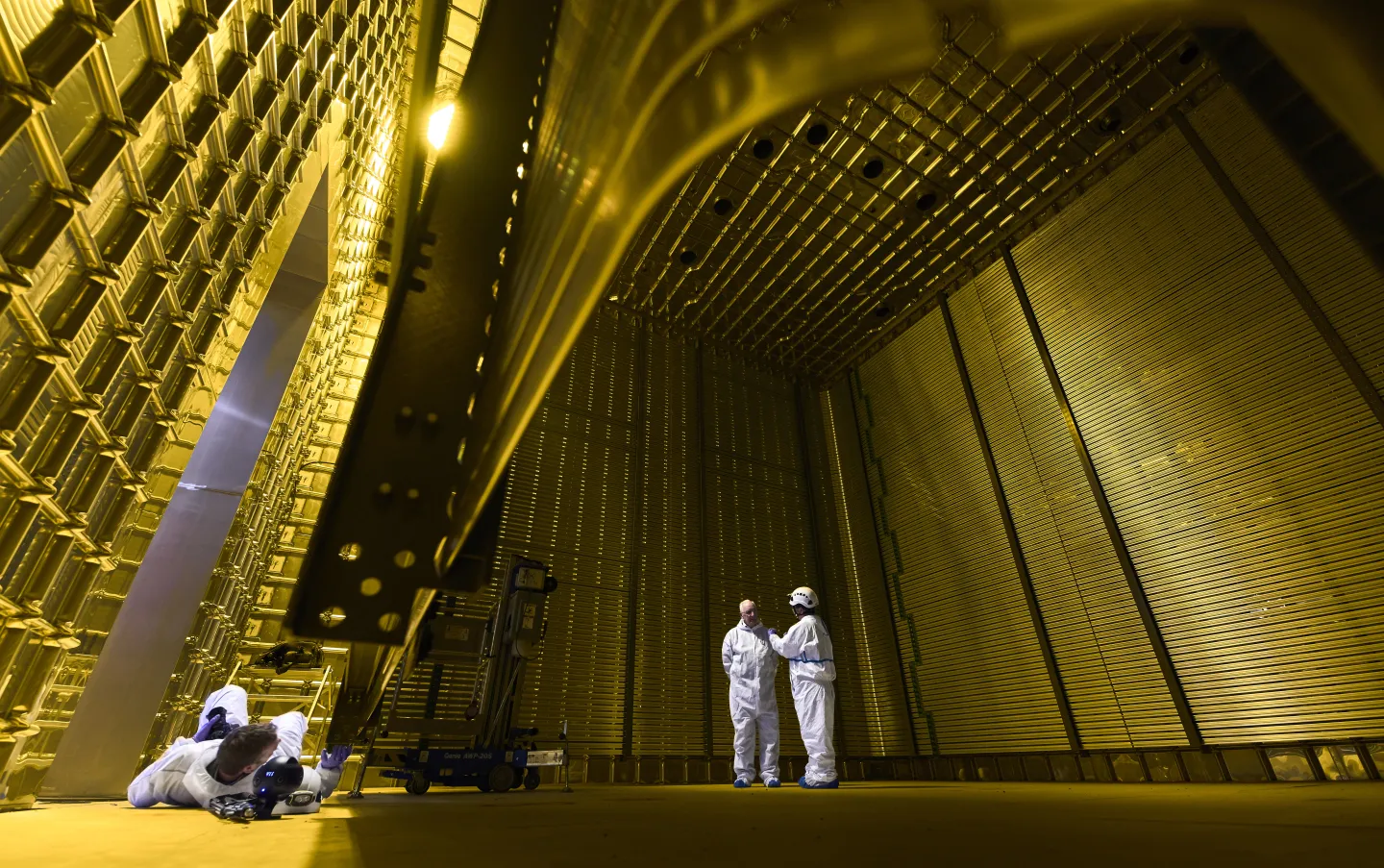
ProtoDUNE: Paving the Way for the Deep Underground Neutrino Experiment
ProtoDUNE: Paving the Way for the Deep Underground Neutrino Experiment The Deep Underground Neutrino Experiment (DUNE) at the Long-Baseline Neutrino Facility (LBNF) is a groundbreaking scientific initiative poised to elucidate the mysteries of neutrinos. Its progress has been marked by remarkable feats of engineering and scientific innovation. In February 2024 LBNF reached a critical milestone
-
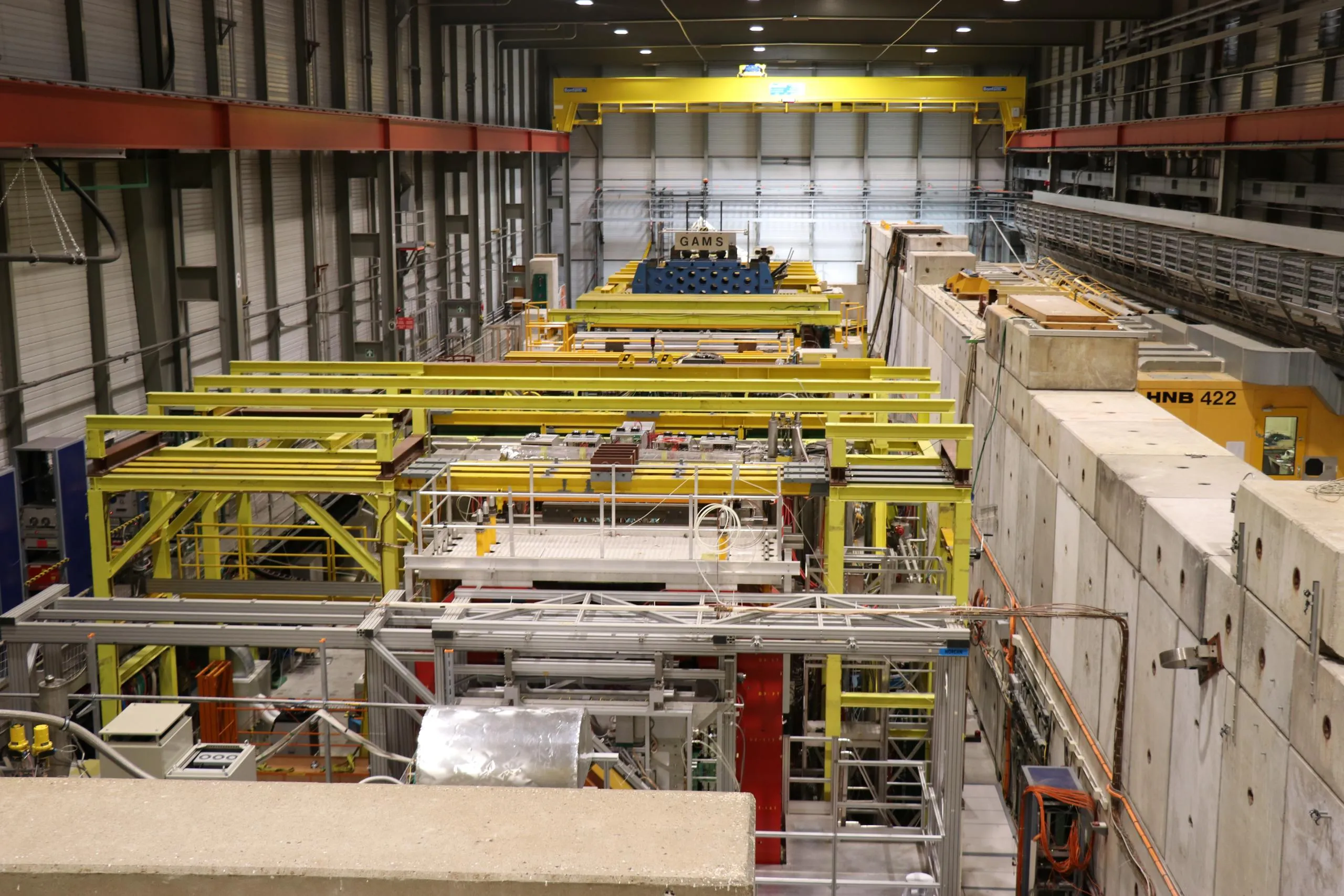
AMBER uncovers the universe’s mysteries
AMBER uncovers the universe’s mysteries The AMBER spectrometer. Credit: K Bernhard-Novotny/A Sargsyan Despite our extensive knowledge, the universe remains mysterious in many ways. To this day, questions prevail about the origin of the matter-antimatter asymmetry. The exact sources of antiprotons in our galaxy are largely unknown. Do they originate from cosmic ray collisions with the
-
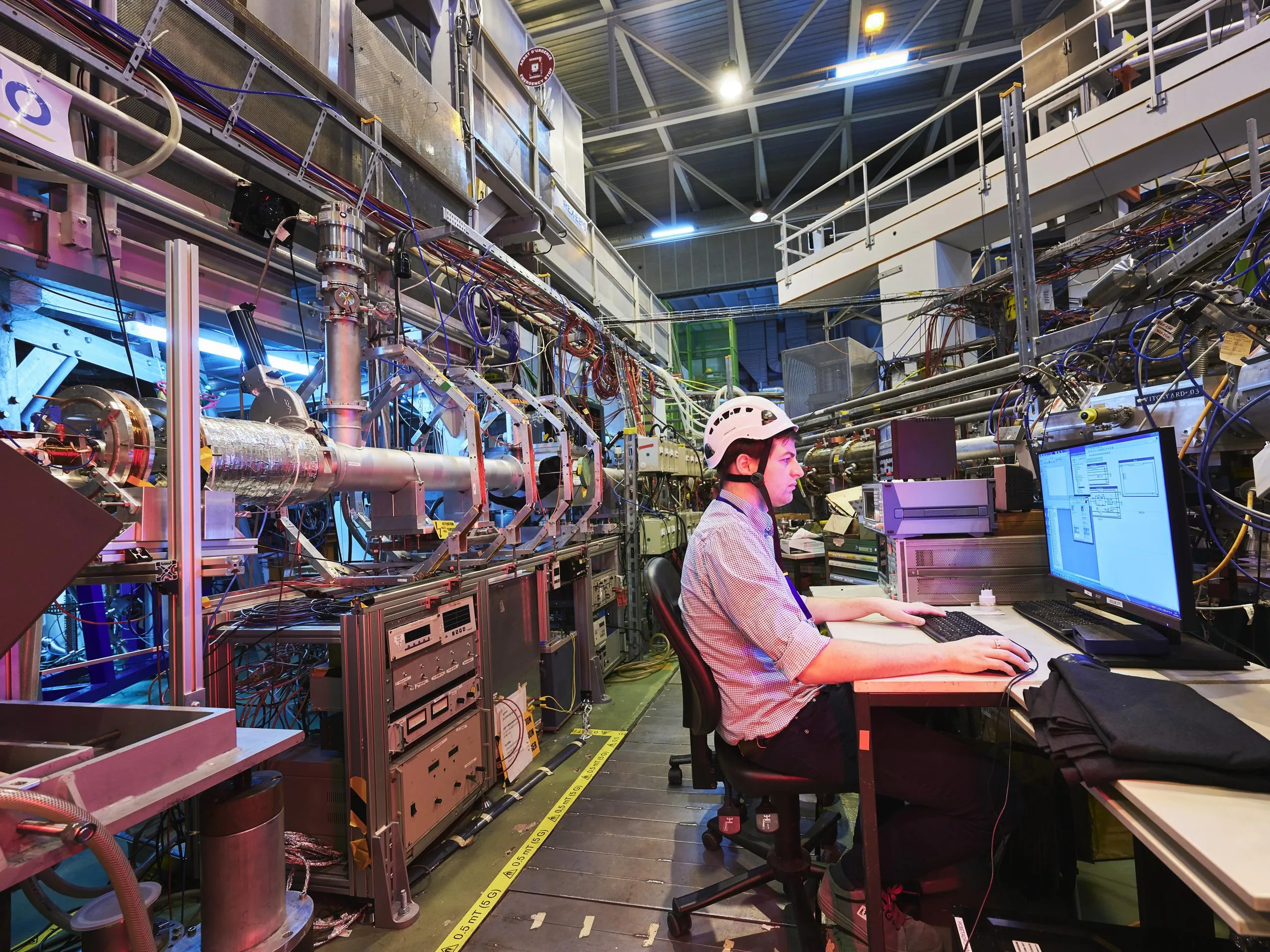
ISOLDE’s New Beta-Decay Station Unlocks Advanced Decay-Spectroscopy Experiments with Laser-Polarised Unstable Nuclei
ISOLDE’s New Beta-Decay Station Unlocks Advanced Decay-Spectroscopy Experiments with Laser-Polarised Unstable Nuclei Exciting new opportunities for experiments with beta-decaying atomic nuclei have arisen at the ISOLDE facility with the recently developed new spectroscopy station called DeVITO [1]. The novelty of the setup lies in its integration with the VITO beamline for laser-polarisation of radioactive beams
-
Unveiling the Power of Software in Science: Inside the EVERSE Network
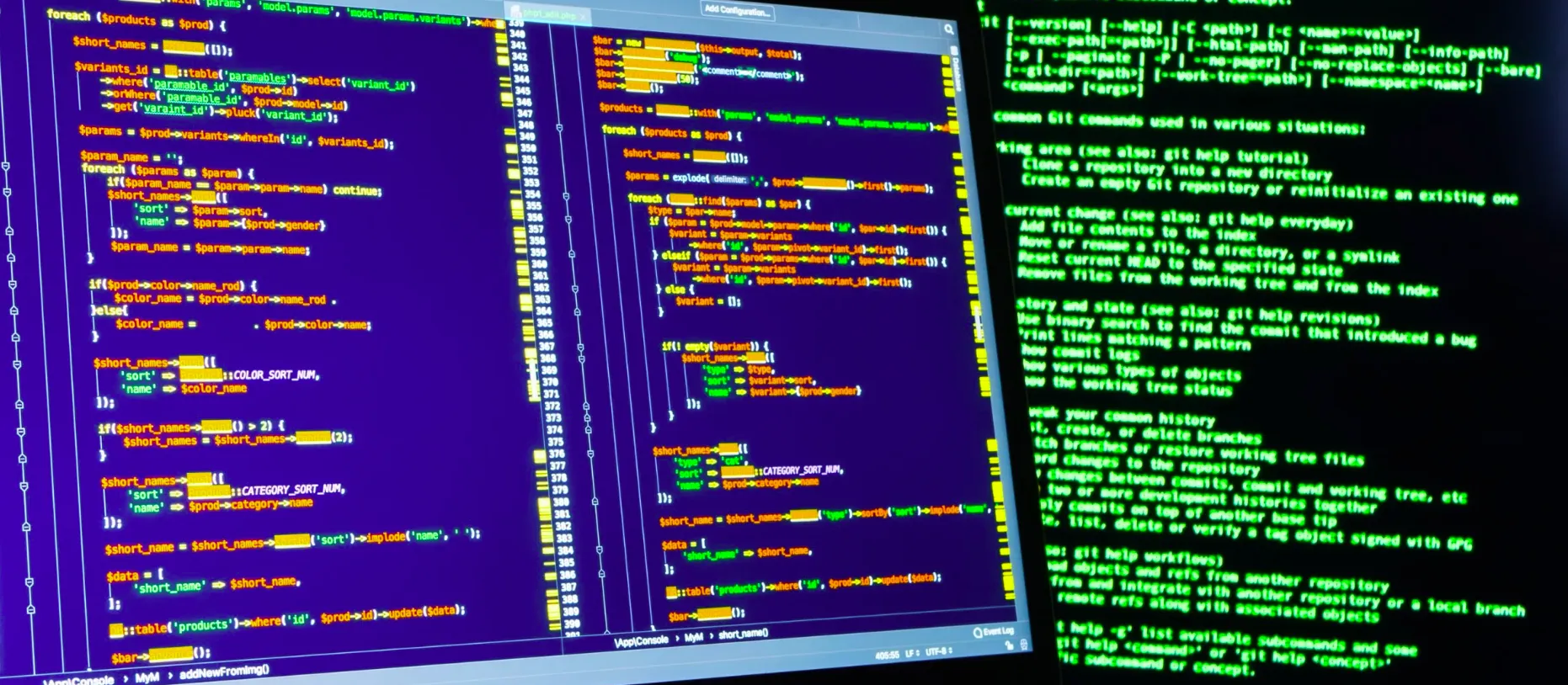
Unveiling the Power of Software in Science: Inside the EVERSE Network Researchers across all sciences use different types of tools: benches, centrifuges, lasers, weather balloons, seismographs, telescopes… you name it. At CERN, such a “hardware tool” is the LHC, together with all our other accelerator facilities, which are invaluable for exploring the world of particles.
-
Studying FIPs with FASER – recent news
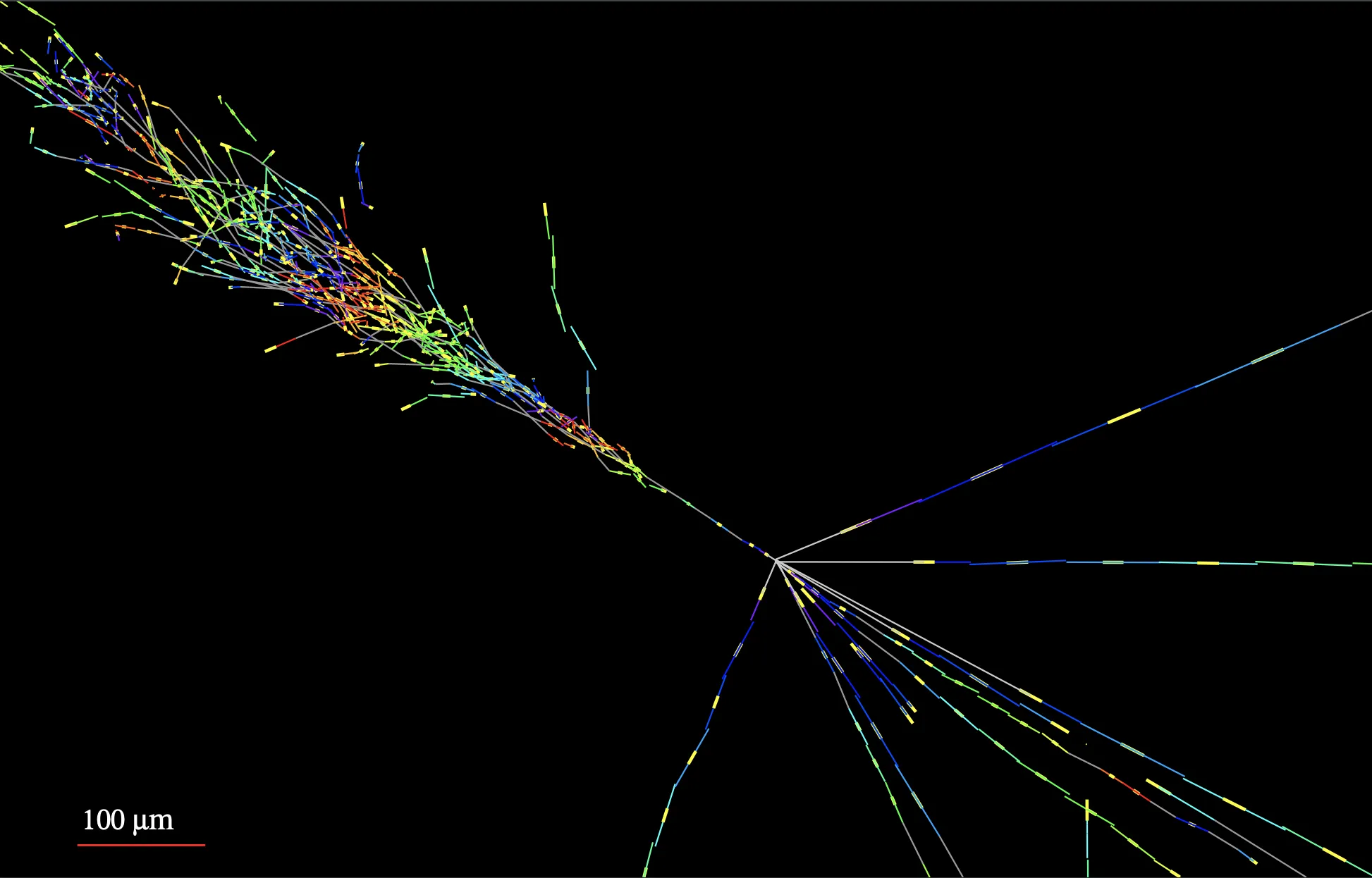
Studying FIPs with FASER – recent news Feebly Interacting Particles (FIPs) exist within both the Standard Model (SM) and in theories that extend beyond it. The FASER experiment [1] is the first of two experiments approved for data taking in Run 3 aiming to study these elusive particles. Located 480 meters from the ATLAS interaction