
Tag: News from the experiments
-
TELMAX: A New Era of Flexibility at CERN’s Antimatter Factory
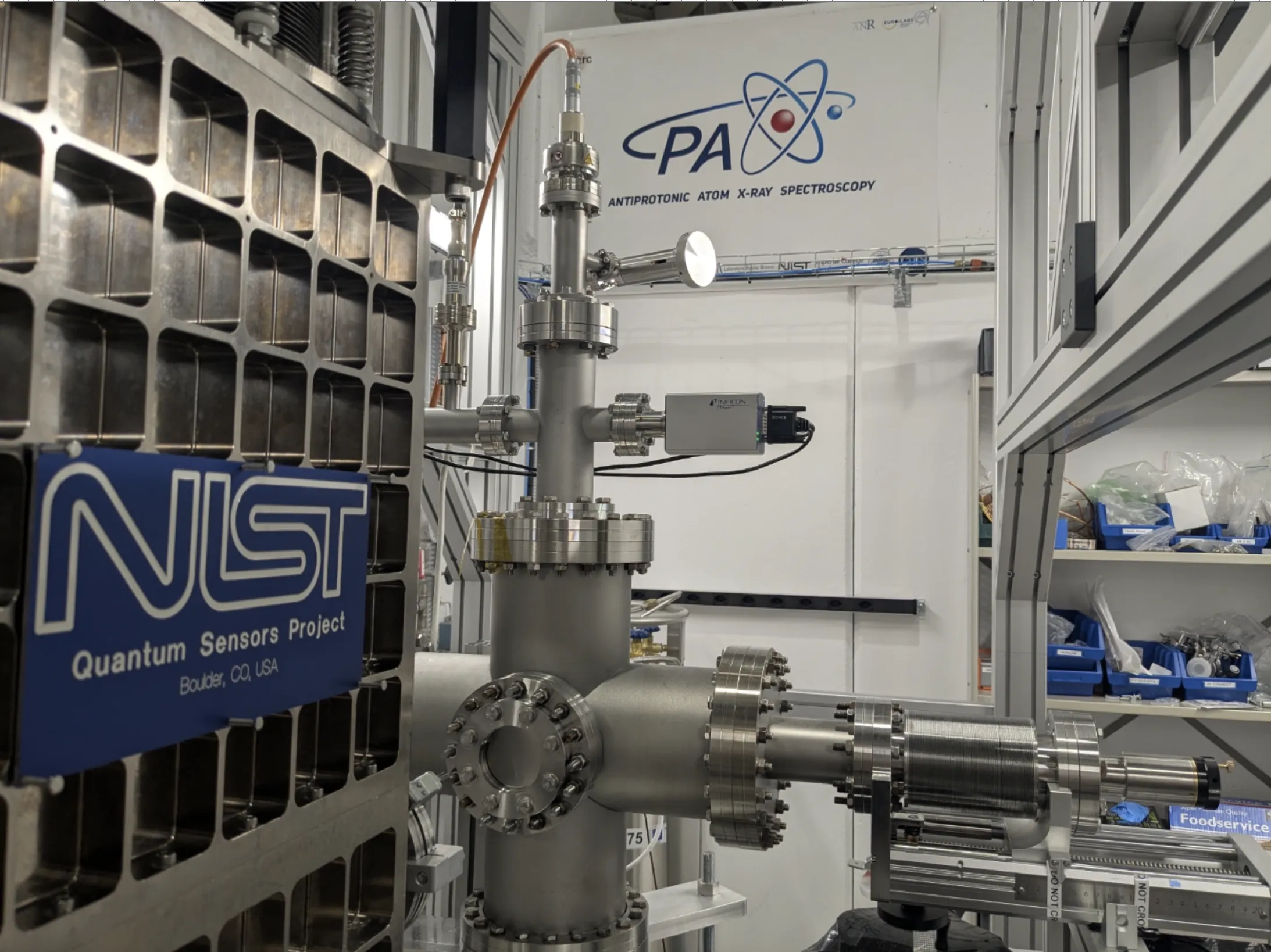
TELMAX: A New Era of Flexibility at CERN's Antimatter Factory PAX UHV test chamber equipped with linear target manipulator and Ti x-ray window. The ADR cryostat containing the TES detector can be seen facing the chamber in its measurement position. X-rays from the antiprotonic atom cascade traverse the Ti window and are measured with the
-
CMS Achieves LHC’s Most Precise W boson Mass Measurement Yet
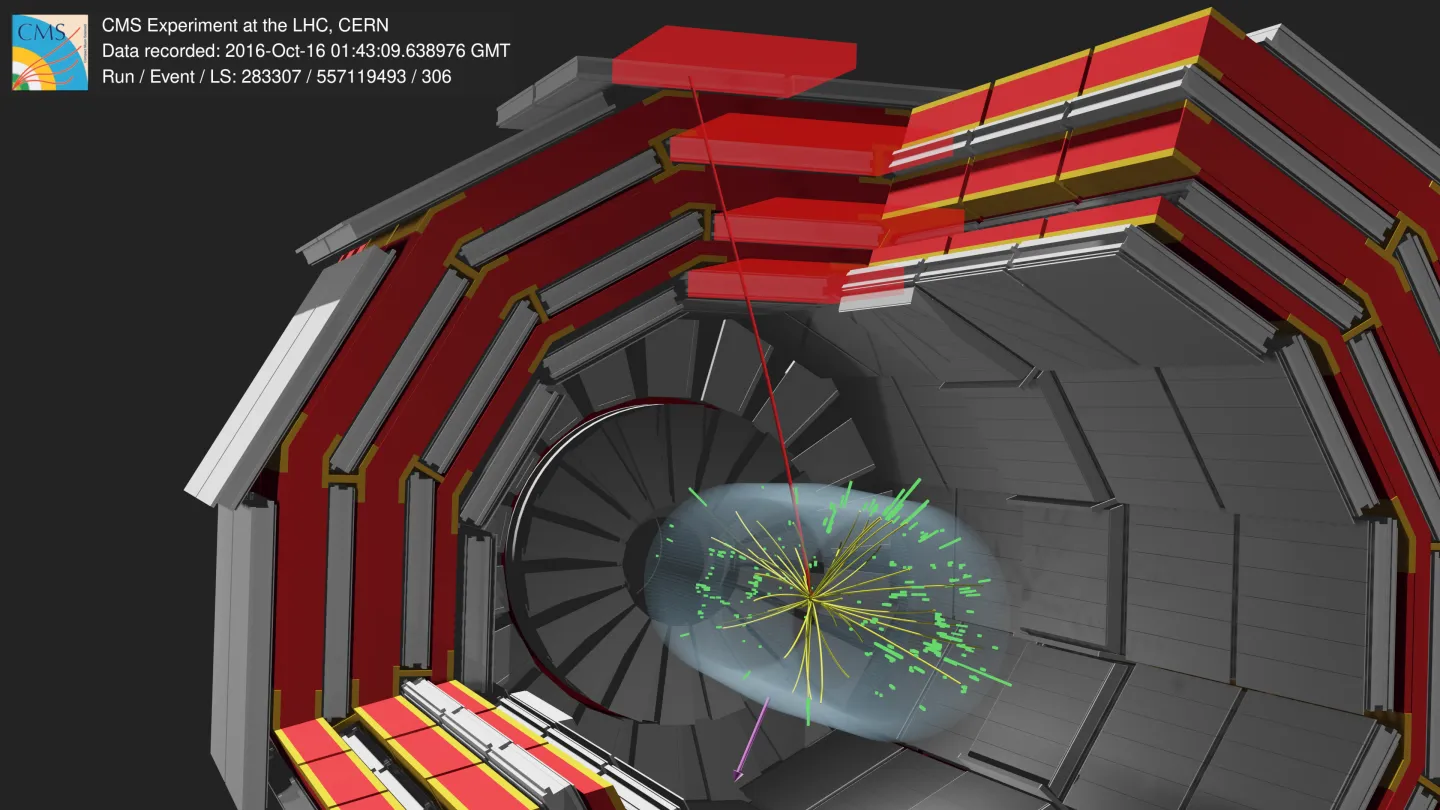
CMS Achieves LHC's Most Precise W boson Mass Measurement Yet The first measurement of the W boson mass (mw) performed by the CMS Collaboration was announced in September 2024. This result has been long-awaited—the first LHC measurement of mW, by the ATLAS Collaboration, was shown nearly 7 years ago. In the meantime, the CDF Collaboration
-
RNTuple: The New Columnar Storage for HEP Data
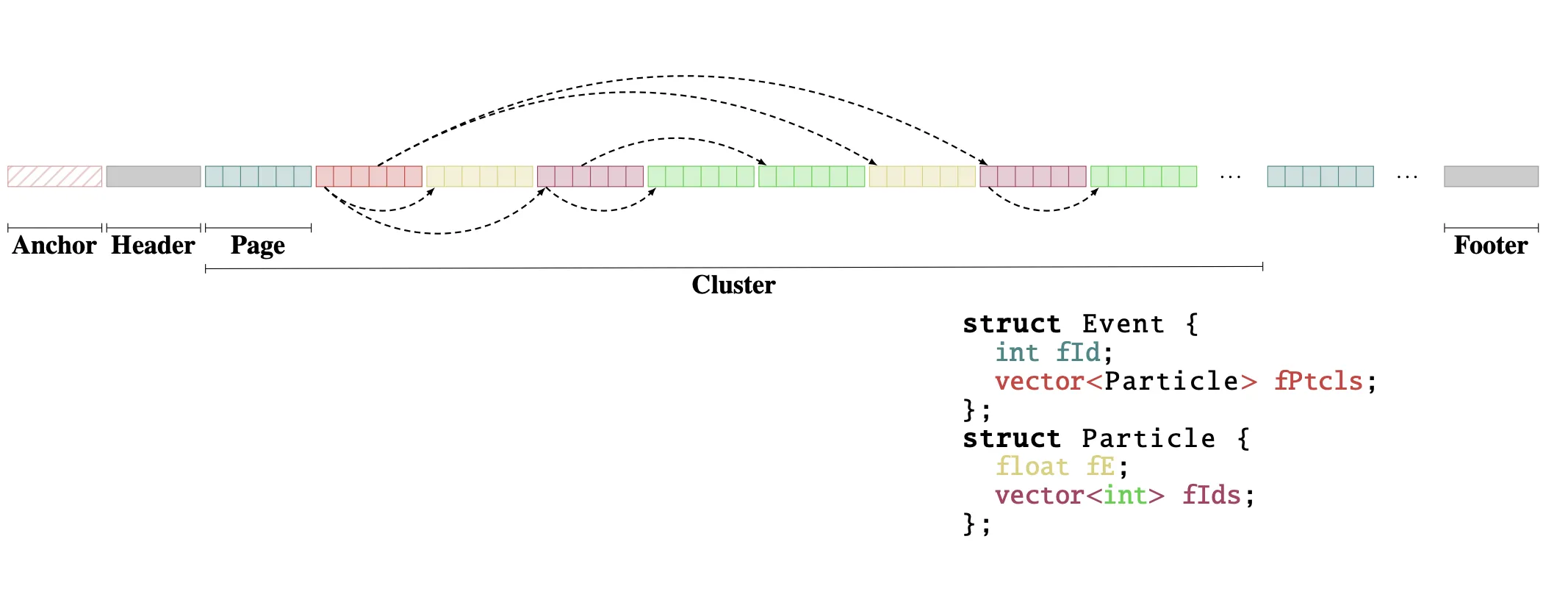
RNTuple: The New Columnar Storage for HEP Data R&D activities are vital for the ROOT project. A few years ago, we started investigating the evolution of TTree, ROOT’s columnar format with which more than two exabytes of data were written at the LHC: experiments write data, lots of it, to then store them on media
-
New Milestones in direct CP Violation: Observation in Baryons and First Evidence in Beauty Mesons to J/Psi
New Milestones in direct CP Violation: Observation in Baryons and First Evidence in Beauty Mesons to J/Psi A Milestone in Understanding the Matter-Antimatter Asymmetry The LHCb collaboration has announced a groundbreaking achievement: the first-ever observation of CP violation in baryon decays. This result, presented at the Rencontres de Moriond EW conference and submitted for publication
-
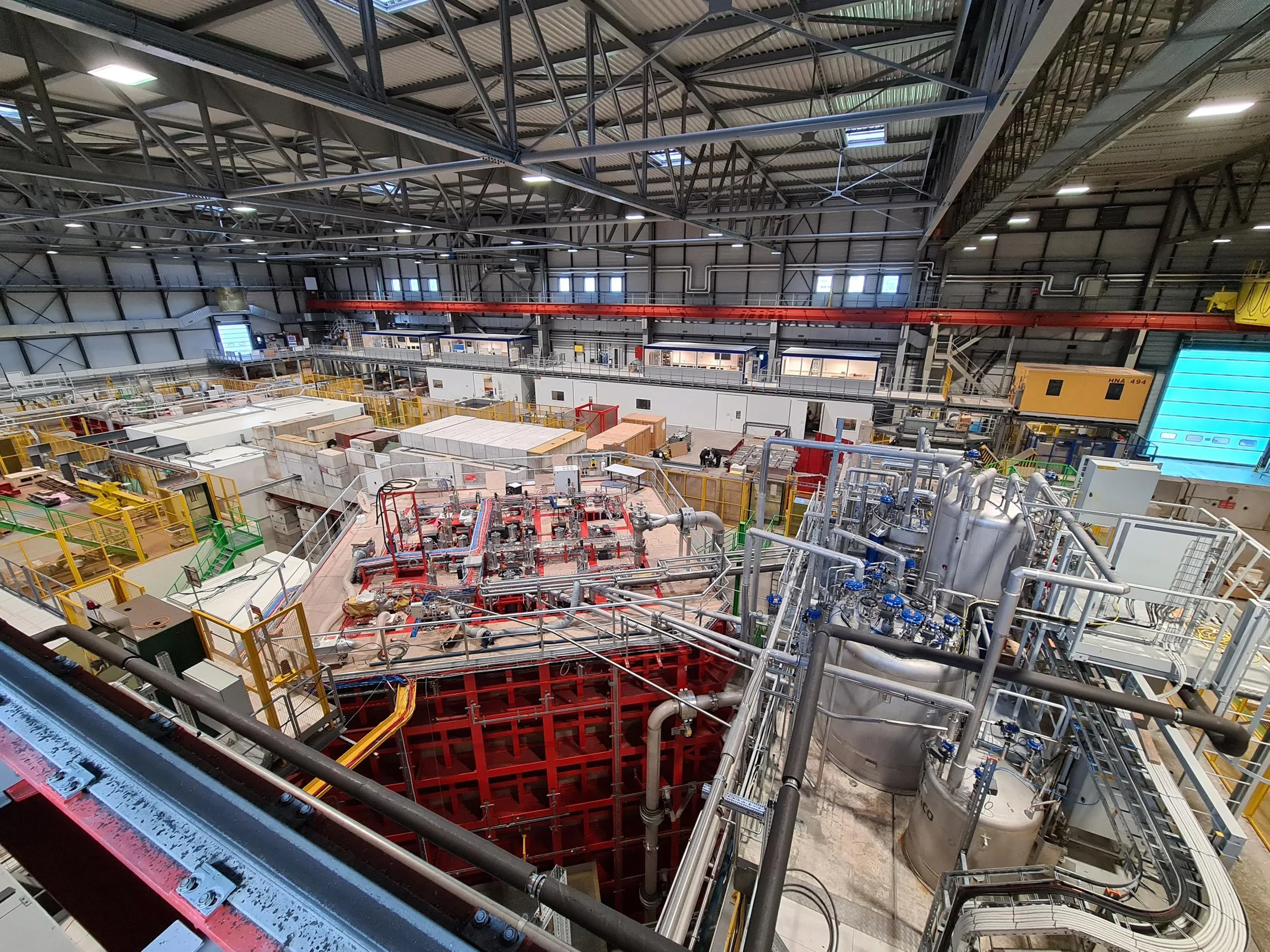
Neutrinos Make Their Mark in the North Hall
Neutrinos Make Their Mark in the North Hall One of the conclusions from the ESPPU 2013 process was that CERN should actively engage in the global accelerator-based neutrino program. As a result, CERN became involved in various initiatives, including the DUNE project, and took a leading role in constructing two large 750-ton Liquid Argon TPC
-
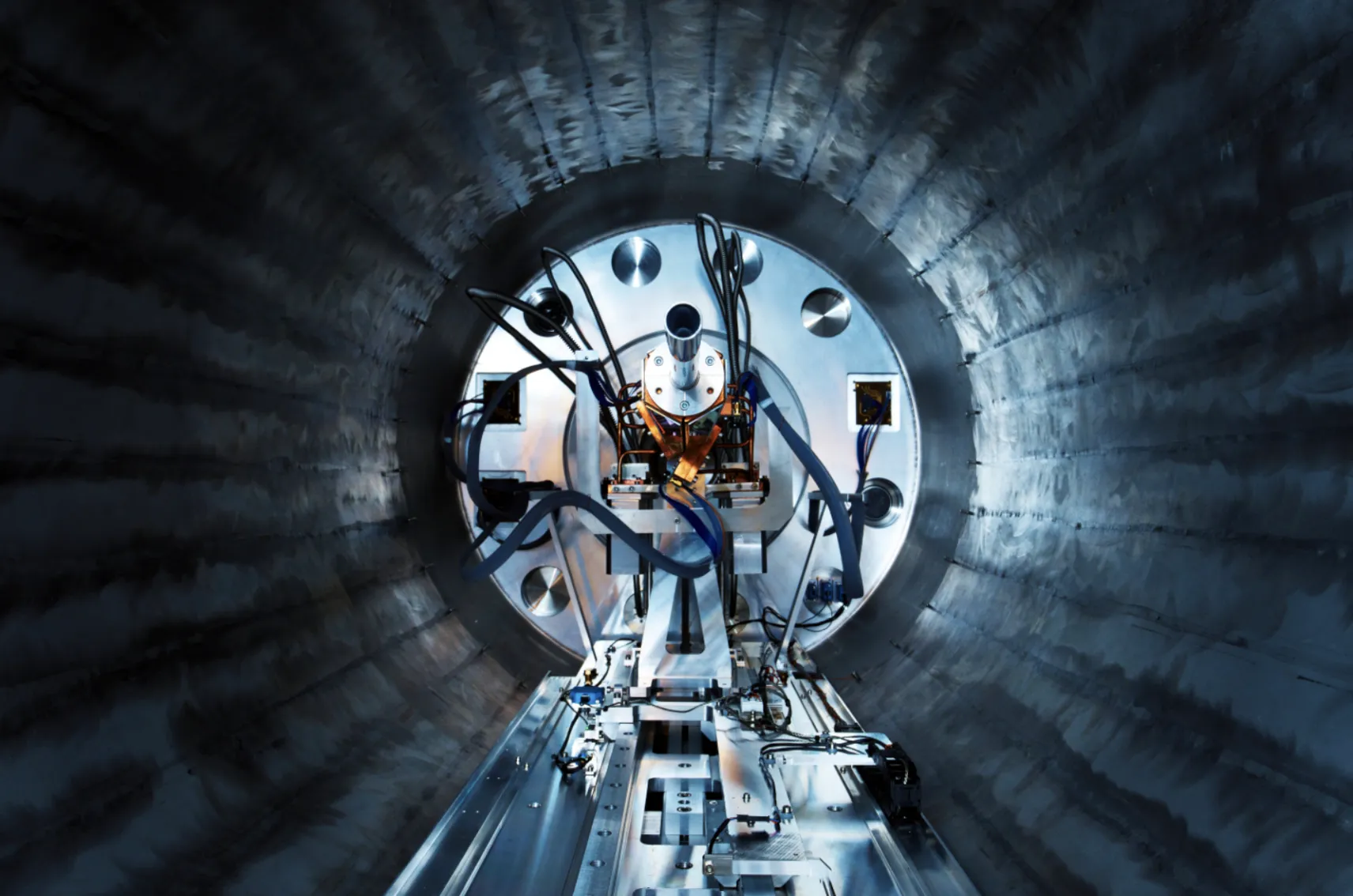
Updates from the ISOLDE Solenoidal Spectrometer
Updates from the ISOLDE Solenoidal Spectrometer The field of nuclear physics is well into its second century. From its initial experiment bombarding a gold foil with alpha particles, experimental techniques have become more sophisticated to keep pace with the technology and innovation that has allowed more detailed probes of the nucleus. Of particular interest to
-
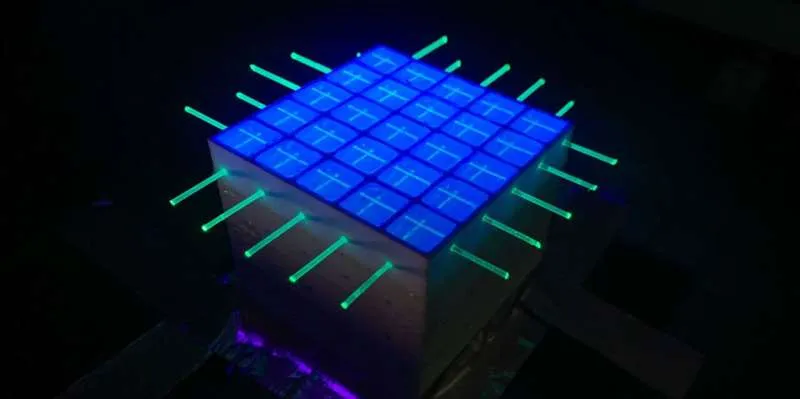
Innovative Scintillator Detector Technologies
Innovative Scintillator Detector Technologies Plastic scintillator detectors are cost-effective and benefit from a very fast response as well as the possibility to easily shape their geometry. Thus, their deployment is a standard in most of the particle physics experiments. Although their development has reached a limit, a lot more potential can still be extracted. A
-
ATLAS hones in on Higgs-Boson Couplings to Heavy Flavour Quarks
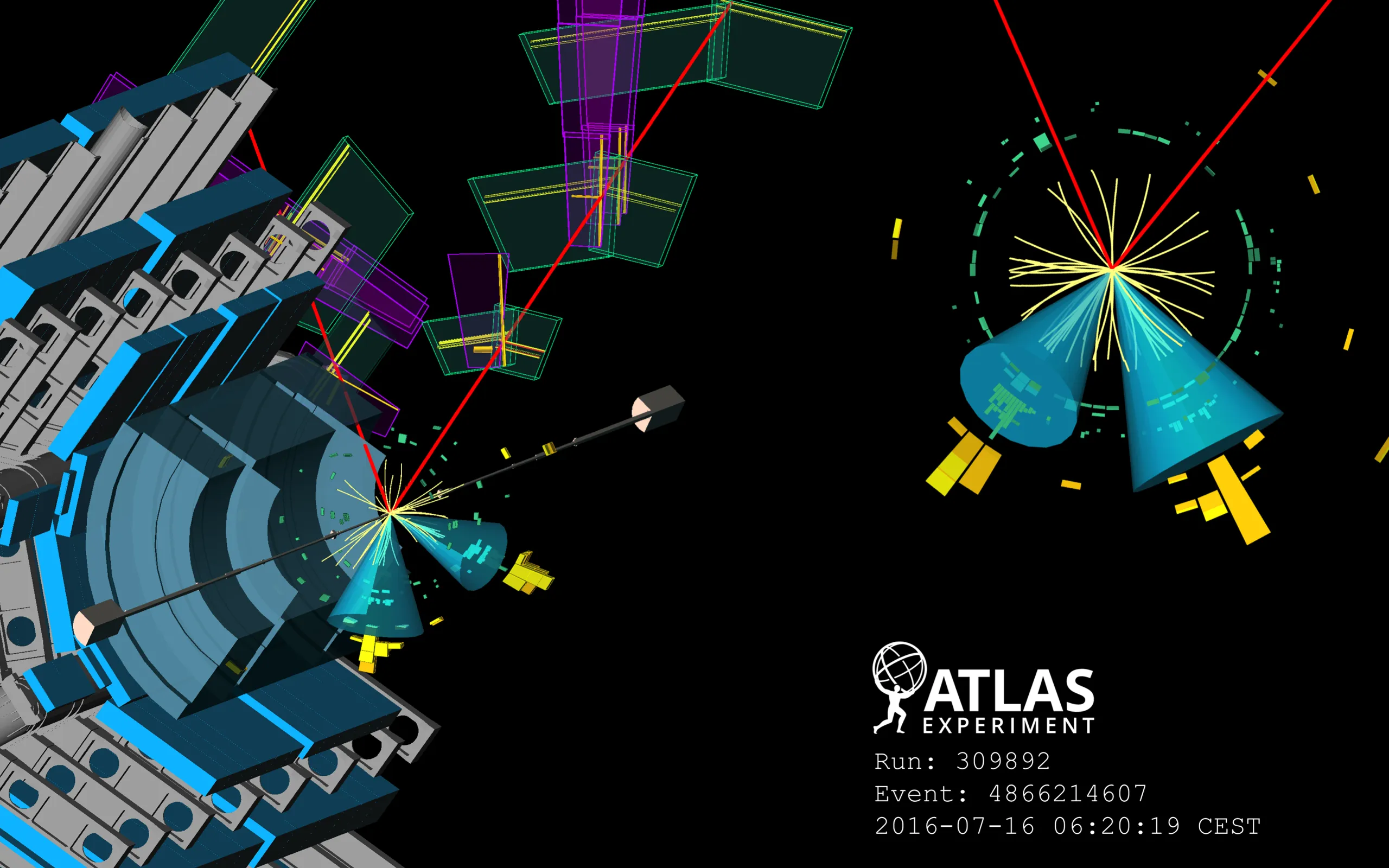
ATLAS hones in on Higgs-Boson Couplings to Heavy Flavour Quarks Candidate event for the ZH → μμ cc process, where a Z boson and a Higgs boson decay to two muons (red tracks) and two charm-tagged jets (blue cones). (Image: ATLAS collaboration) In the summer of 2024, the ATLAS collaboration released two new publications that
-
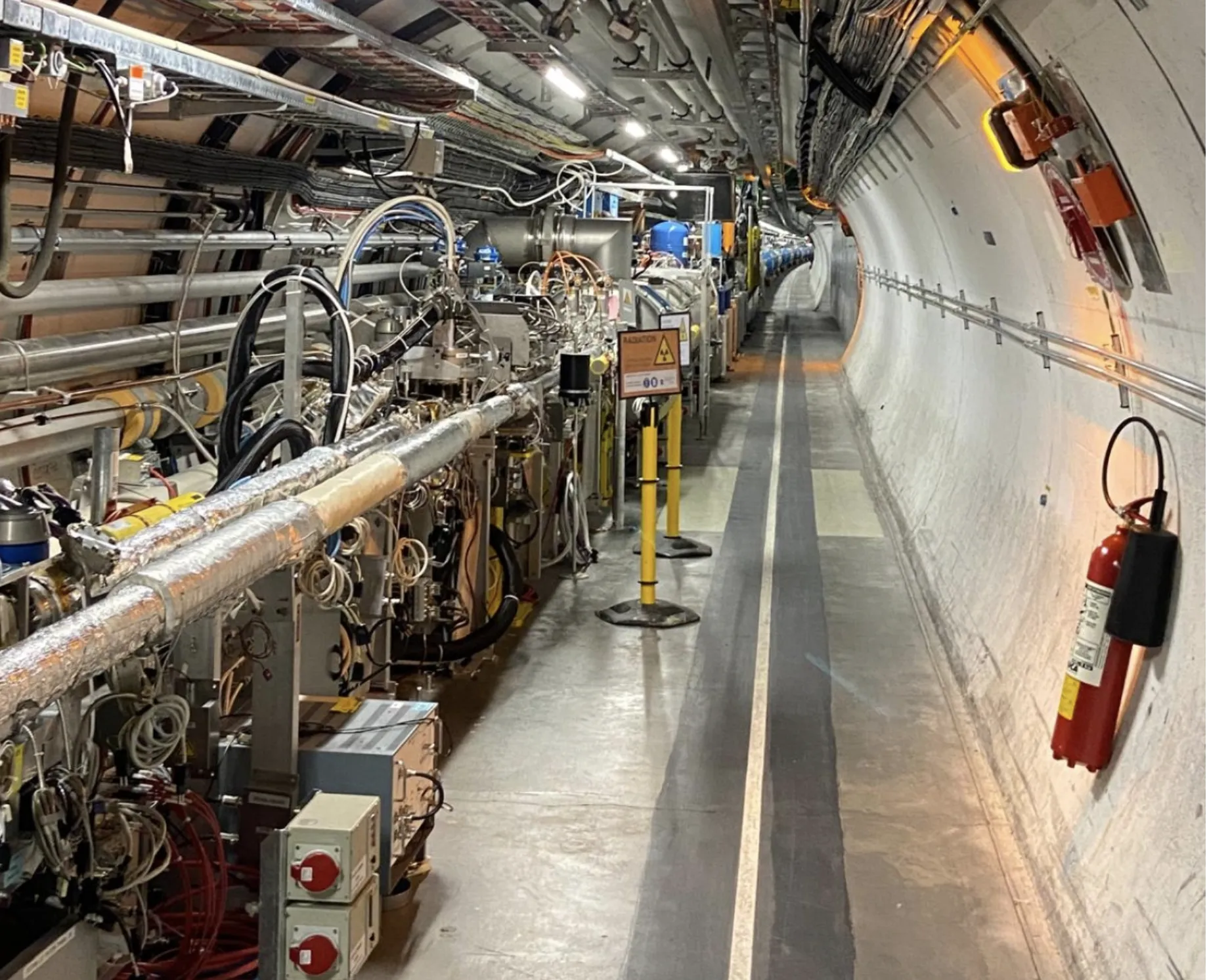
The TOTEM experiment: a pioneering journey into proton-proton interactions and forward physics.
The TOTEM experiment: a pioneering journey into proton-proton interactions and forward physics. The TOTEM experiment is designed to explore the proton interactions when they survive intact after the collisions. With this goal, special detectors have been placed far from the interaction points to detect a small angular deflection, due to elastic and inelastic interactions. This
-
The 2024 n_TOF run: Highlights and perspectives
The 2024 n_TOF run: Highlights and perspectives Thanks to the excellent beam conditions provided by the PS staff, combined with the efficiency of research groups participating in the n_TOF Collaboration, an intense experimental program has been performed during the 252 days of measurements of the 2024 data-taking campaign at n_TOF. The facility will approach 2026