
Newsletter Articles
-
A word from the EP Department Deputy Head – Summer 2026
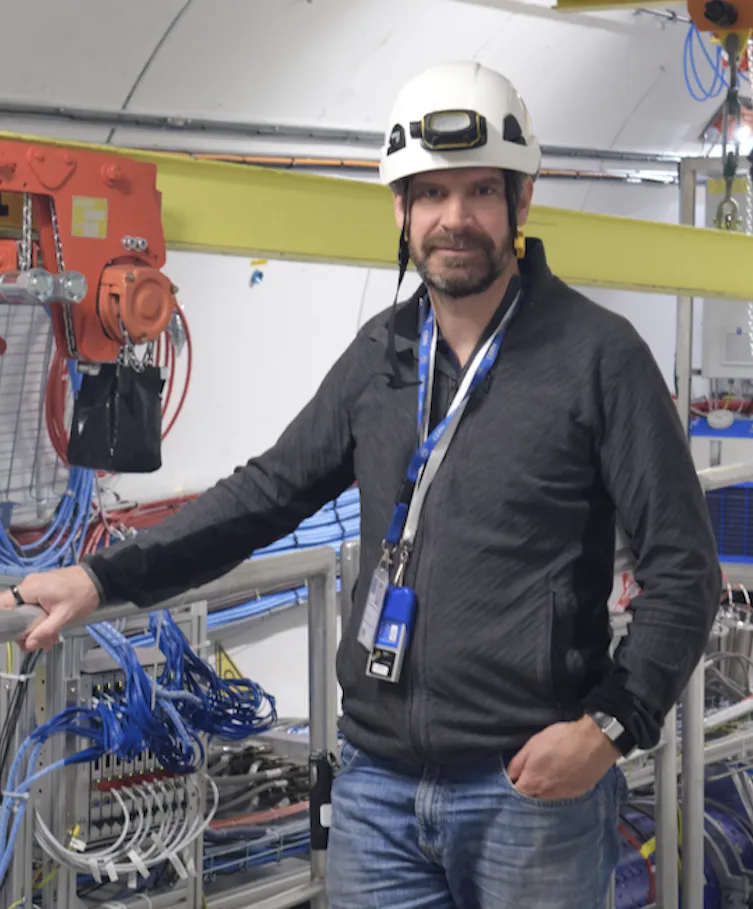
A word from the EP Department Deputy Head – Summer 2026 Firstly, allow me to briefly introduce myself. I have started as the deputy department head of EP at the beginning of this year. Before that I have been a long-standing research physicist on the ATLAS experiment, and more recently I have been co-leading the
-
CLOUD experiment reveals a major new source of marine aerosol particles
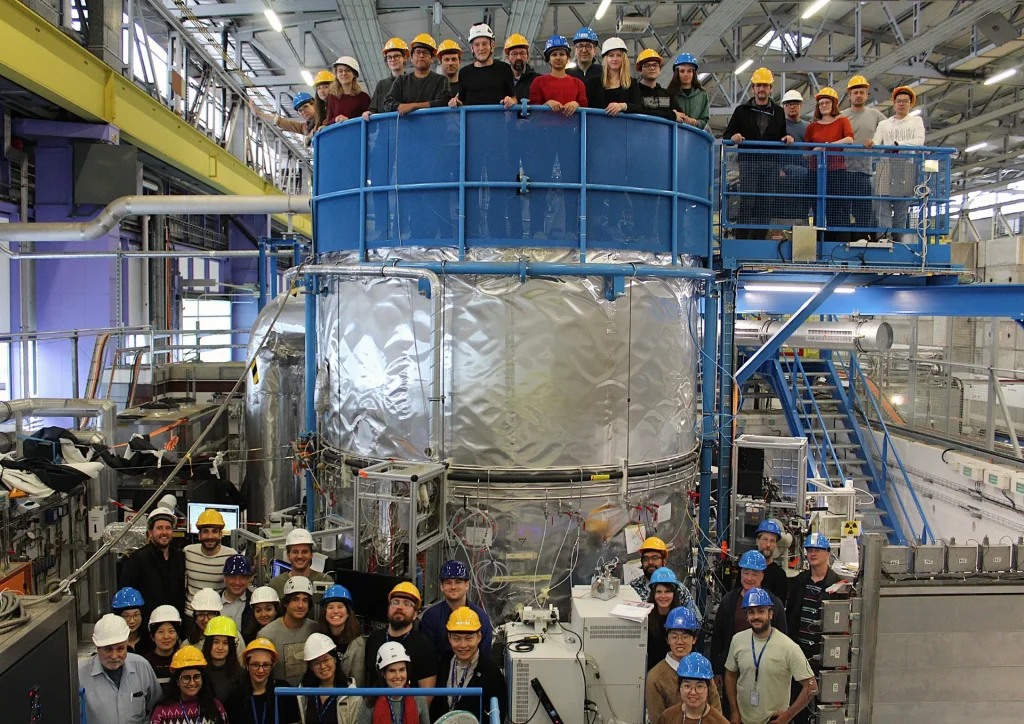
CLOUD experiment reveals a major new source of marine aerosol particles Clouds form when water vapour condenses onto tiny airborne particles known as aerosols. Once these particles grow larger than about 50 nanometres, they can act as cloud condensation nuclei, or CCN, on which cloud droplets form. Increased aerosol particles influence the climate in several
-
New ATLAS and CMS searches narrow the gap for compressed higgsinos
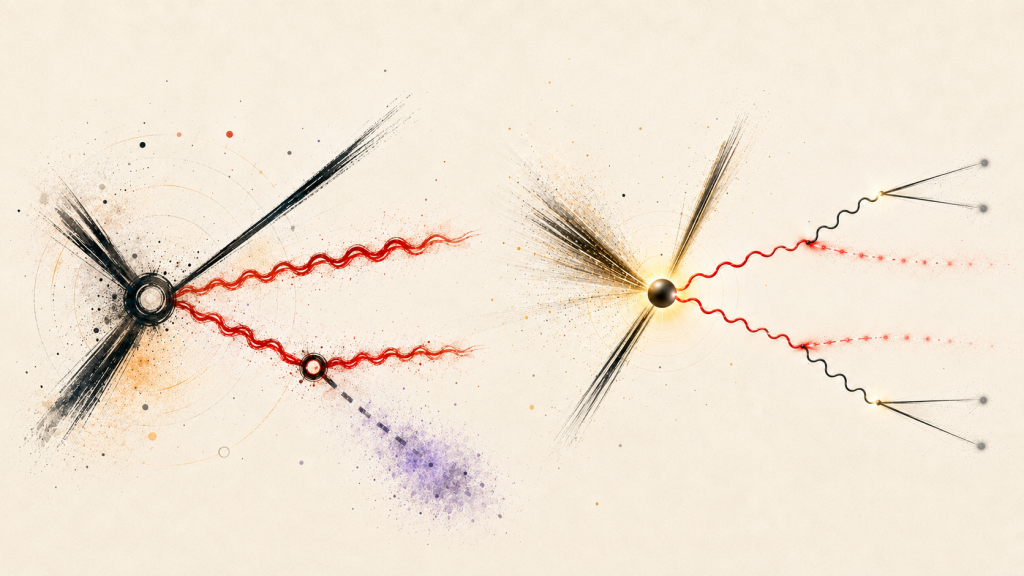
New ATLAS and CMS searches narrow the gap for compressed higgsinos Supersymmetry plays a prominent role in the landscape of models that push beyond the Standard Model. Higgsinos, the supersymmetric partners of the Higgs boson, may help in addressing a number of unsolved puzzles, particularly if their masses are near the electroweak scale. Not only
-
In discussion with John Ellis: The Higgs, Patience and Perseverance in Science
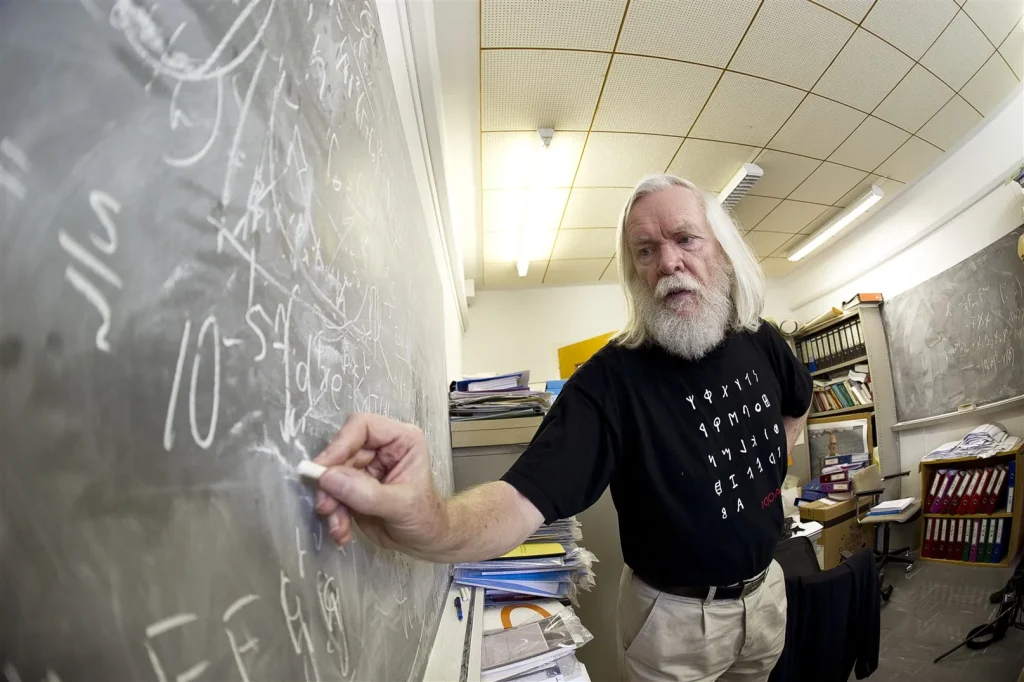
In discussion with John Ellis: The Higgs, Patience and Perseverance in Science For John Ellis, the history of the Higgs boson is not a neat, short story that begins with a theory paper and ends with a discovery announcement. It is a long intellectual adventure, beginning in superconductivity, moving through the construction of the electroweak
-
The ISOLDE Improvement Programme
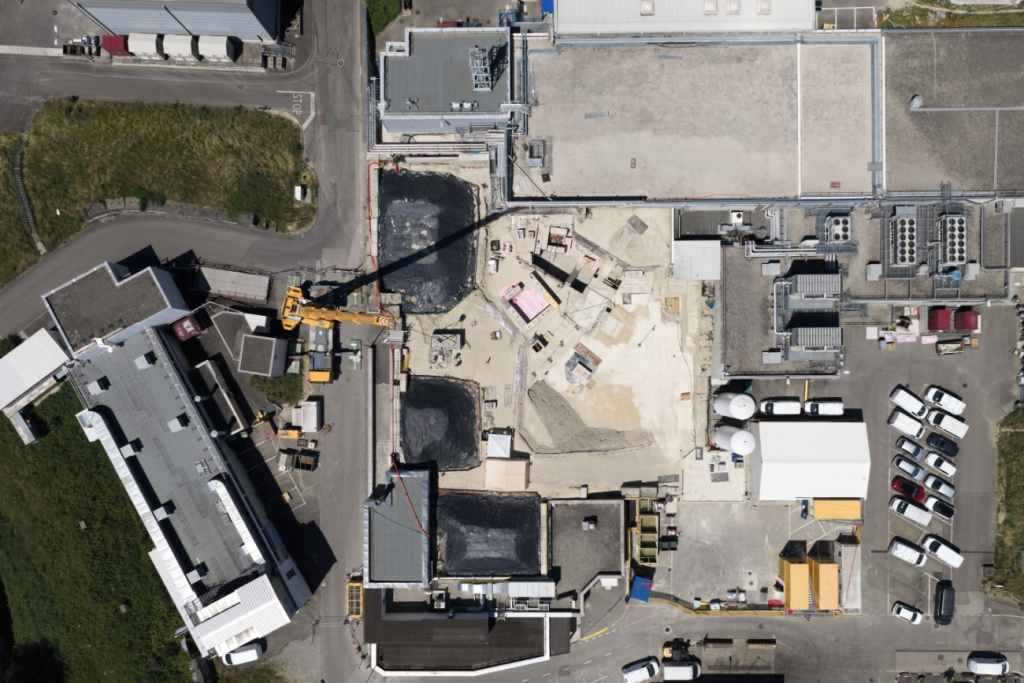
The ISOLDE Improvement Programme The ISOLDE Improvement Programme (IIP) brings together a series of upgrades and consolidation activities to maintain and further develop the ISOLDE facility. The programme includes projects addressing the accelerator infrastructure, beam production, and delivery systems, and experimental facilities, with the objective of improving operational flexibility, reliability, and long-term sustainability. Among the
-
LHCb explores new light-ion territory with special LHC runs
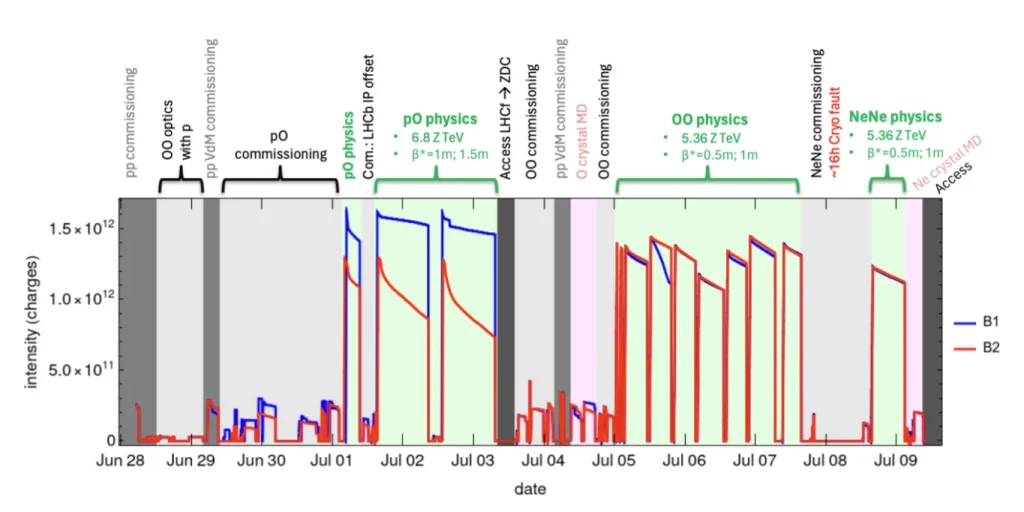
LHCb explores new light-ion territory with special LHC runs In summer 2025, the LHC entered new territory. For the first time, the machine delivered proton–oxygen, oxygen–oxygen and neon–neon collisions to its experiments, as part of a short but technically demanding special ion run. For LHCb, the run provided a rare opportunity to explore heavy-ion physics
-
Light ions bring CMS closer to the onset of QGP-like behaviour
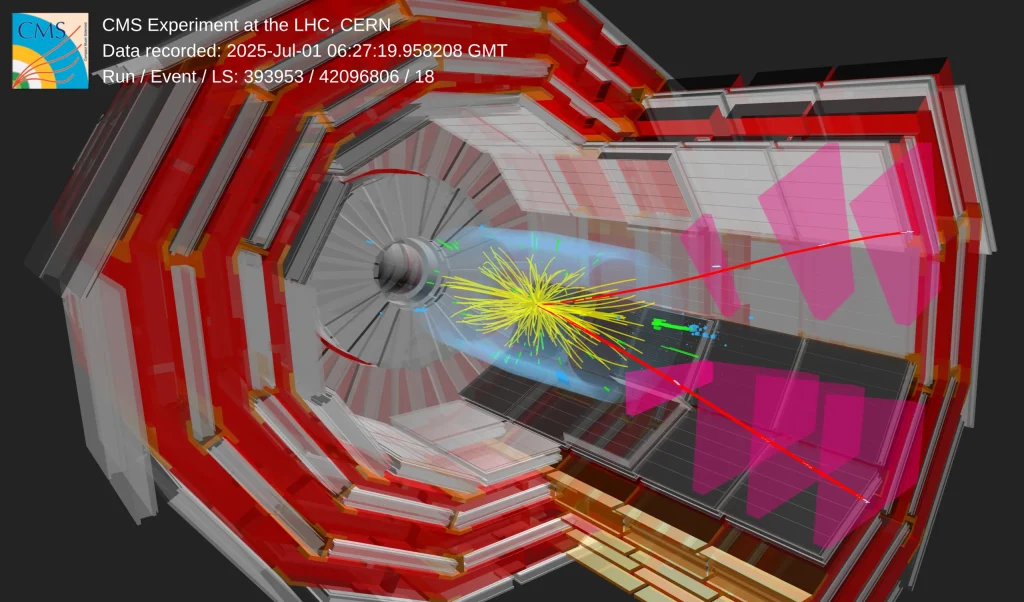
Light ions bring CMS closer to the onset of QGP-like behaviour What are the smallest droplets of strongly interacting matter that exhibit colour deconfinement? This question has become one of the most intriguing frontiers in heavy-ion physics. At very high temperatures and densities, quantum chromodynamics predicts that quarks and gluons are no longer confined inside
-
ATLAS Turns Into a Precision Cosmic Ray Laboratory
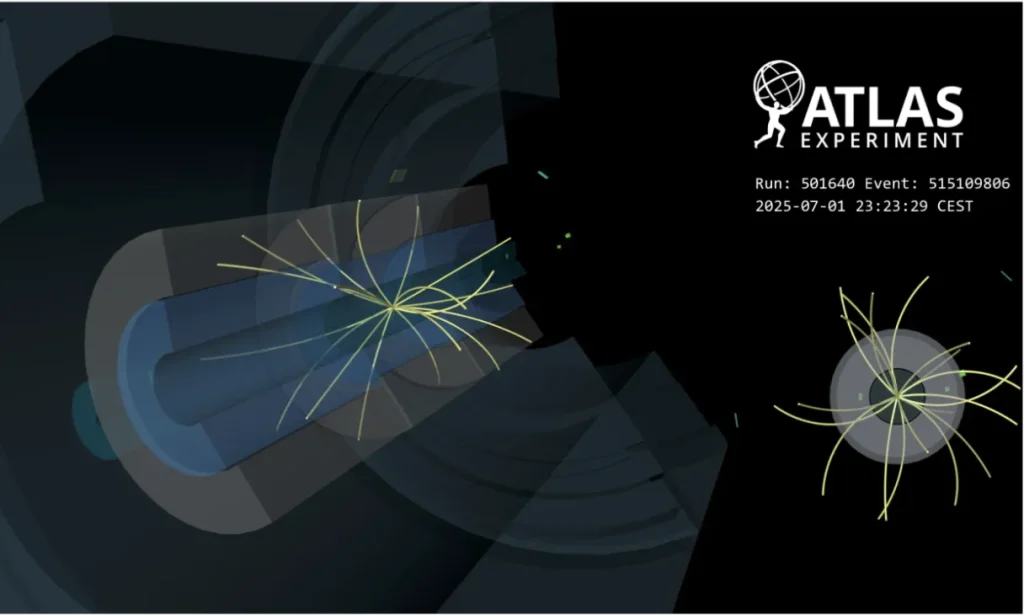
ATLAS Turns Into a Precision Cosmic Ray Laboratory Event display of a proton-oxygen collision recorded in ATLAS Run 501640 on 1st July 2025 at 23:23:29 CEST. The event contains 19 reconstructed tracks (yellow lines) satisfying pT > 500 MeV with at least one Pixel hit and at least six SCT hits. Every second, roughly one
-
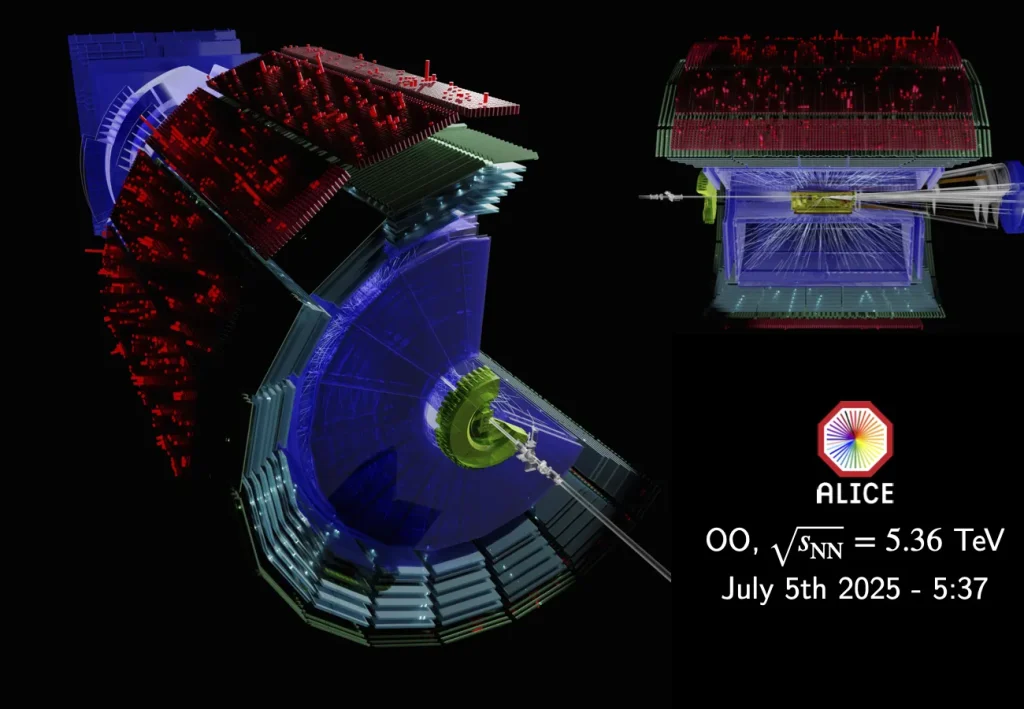
ALICE reveals quark-gluon plasma energy loss in OO collisions
ALICE reveals quark-gluon plasma energy loss in OO collisions A new state of matter Colliding heavy ions, such as lead, at nearly the speed of light in the LHC allows the creation of a new state of matter called the quark-gluon plasma (QGP). This near-perfect liquid of quarks and gluons is created because the extreme
-
EP R&D Day 2026: technologies for the next generation of experiments
EP R&D Day 2026: technologies for the next generation of experiments On 29 April 2026, colleagues from across CERN’s Experimental Physics Department gathered for the annual meeting dedicated to the strategic EP R&D programme on technologies for future experiments. The programme offered a broad update on progress achieved over the past year, bringing together developments